Table of Contents >> Show >> Hide
- Why These Egg Recipes Keep Winning
- 1. Deviled Eggs: The Party Recipe That Never Comes Home
- 2. Egg Salad: The Quiet Lunch Hero
- 3. Breakfast Casserole: The Feed-a-Crowd Favorite
- 4. Quiche: The Brunch Dish That Pretends to Be Fancy
- 5. Frittata: The No-Crust, No-Stress Refrigerator Clean-Out Champion
- 6. Scrambled Eggs and Breakfast Sandwiches: The Everyday MVPs
- 7. Shakshuka and Eggs in Tomato Sauce: The Weeknight Upgrade
- 8. Egg Muffins, Bites, and Mini Bakes: The Meal-Prep Crowd Pleasers
- What the Most Popular Egg Recipes Have in Common
- Conclusion: Why These Egg Recipes Keep Earning a Spot on the Table
- More Kitchen Experience: What It’s Really Like to Cook the Egg Recipes People Love Most
There are foods we admire, foods we crave, and foods we flat-out depend on. Eggs belong in that last category. They rescue lazy dinners, save rushed mornings, stretch a grocery budget, and somehow manage to feel both comforting and a little fancy. One minute they are tucked into a breakfast sandwich you eat over the sink; the next, they are starring in a quiche that makes you look like you casually host beautiful brunches for fun.
When you look across the egg recipes home cooks return to again and again, a pattern appears. The winners are not usually the fussiest dishes or the ones requiring a tiny whisk made by monks in the Alps. They are the recipes that are flexible, reliable, crowd-friendly, and genuinely delicious: deviled eggs that vanish first at parties, egg salad that upgrades lunch without emptying your wallet, breakfast casseroles that feed a table, quiches and frittatas that welcome leftovers, and skillet dishes like shakshuka that make dinner feel more exciting than it has any right to on a Tuesday.
So if you have a carton of eggs in the fridge and no firm plan, you are already halfway to greatness. These are the egg recipes our readers cook most, and more importantly, the ones they keep making on purpose.
Why These Egg Recipes Keep Winning
The most popular egg recipes all share a few traits. They are affordable, adaptable, and forgiving. They can be made with pantry basics, dressed up with vegetables, cheese, herbs, or leftover ham, and served at almost any hour. Eggs also bring structure and richness to a dish without demanding much in return. They scramble in minutes, bake into casseroles, set into custardy quiches, and hold their own in sandwiches, salads, and one-skillet dinners.
That is why the best egg recipes are not just “breakfast foods.” They are real-life foods. They are what people make when they need dinner fast, brunch to impress, or lunch that does not taste like sadness and desk dust.
1. Deviled Eggs: The Party Recipe That Never Comes Home
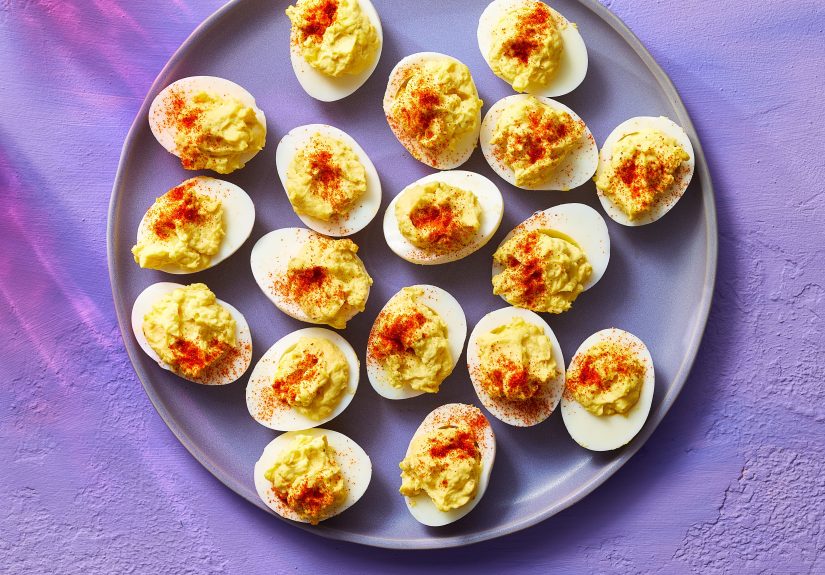
If egg recipes had a popularity contest, deviled eggs would be wearing the crown, the sash, and possibly rhinestones. They are one of the most consistently loved egg dishes because they hit that rare sweet spot between nostalgic and endlessly customizable. Everyone knows what they are, everyone reaches for one, and somehow the platter is always empty long before the vegetables realize they have been ignored.
Why readers keep making them
Deviled eggs are simple, portable, and ideal for gatherings. They work for Easter, baby showers, picnics, potlucks, cookouts, and those mysterious occasions where people say, “Just bring a small appetizer,” and then judge you forever if you show up with store-bought crackers.
What makes a great batch
The classic formula still wins: hard-cooked yolks mashed with mayonnaise, mustard, a little acid, salt, pepper, and a dusting of paprika. But the versions people love most often add one more twist, such as chopped pickles, crispy bacon, fresh herbs, hot sauce, relish, or everything bagel seasoning. The beauty is in the balance. You want creamy filling, bright flavor, and enough texture to keep each bite interesting.
Also, let us all agree that a deviled egg should be generously filled. Nobody wants a stingy little teaspoon of yolk mixture sitting in the white like it is being rationed during wartime.
2. Egg Salad: The Quiet Lunch Hero
Egg salad rarely gets the same glamorous treatment as shakshuka or eggs Benedict, but it absolutely deserves respect. It is one of the most practical and beloved egg recipes because it turns a few humble ingredients into a lunch that is creamy, satisfying, and endlessly riffable.
Why readers return to it
Egg salad is quick to make, easy to prep ahead, and good in more ways than one. You can spoon it onto toasted bread, tuck it into lettuce cups, pile it onto crackers, or eat it straight from the bowl while pretending you are “just tasting.” It is excellent for meal prep, especially when a carton of eggs needs using up before the expiration date starts making eye contact.
How to make it better
The best egg salad recipes keep the ingredient list fairly short: chopped hard-cooked eggs, mayonnaise, mustard, salt, pepper, and something crisp or punchy, such as scallions, celery, chives, dill, or paprika. A good egg salad should taste bright, not heavy. It should be creamy but not soupy, seasoned but not loud, and sturdy enough to hold together in a sandwich without performing a full structural collapse at first bite.
3. Breakfast Casserole: The Feed-a-Crowd Favorite
Breakfast casseroles are what happen when eggs decide to become generous. These are among the most-cooked egg recipes because they solve one of home cooking’s biggest problems: how to feed several people without turning yourself into a short-order cook before coffee.
Why readers love them
A breakfast casserole can be assembled ahead, baked in one dish, and sliced into hearty portions. It is ideal for holidays, visiting family, weekend guests, or any morning when you want a hot breakfast without standing over the stove flipping things while everyone else has fun.
What usually goes into a reader favorite
The most popular versions combine eggs with bread, potatoes, sausage, bacon, cheese, or vegetables. Some lean into the diner-style bacon-egg-and-cheese vibe; others feel more brunchy, with spinach, feta, mushrooms, or roasted peppers. The point is not perfection. The point is that casseroles are flexible, filling, and deeply forgiving. They welcome leftovers like old friends and still come out of the oven smelling like you had a real plan.
This is one of the clearest signs of what people want from egg recipes: comfort, convenience, and something that reheats well enough to make tomorrow’s breakfast feel like a reward instead of a chore.
4. Quiche: The Brunch Dish That Pretends to Be Fancy
Quiche has an elegant reputation, but underneath all that brunch-table charm, it is basically eggs doing useful work in a pie crust. And that is exactly why it remains one of the most beloved egg recipes around.
Why readers keep it in rotation
Quiche feels special without being especially complicated. You can serve it warm, room temperature, or cold, which means it is ideal for entertaining and surprisingly good for leftovers. It also gives home cooks a smart way to combine eggs with vegetables, cheese, and bits of meat in a dish that looks much more ambitious than it really is.
The flavor combos people make most
Ham and Swiss, spinach and feta, bacon and cheddar, mushroom and Gruyère, asparagus and goat cheese, and classic quiche Lorraine all remain popular for a reason. The creamy egg custard ties everything together, while the crust adds contrast and enough structure to make each slice feel complete.
The trick with quiche is not overcomplicating it. Good quiche is about balance: tender filling, flavorful add-ins, and a crust that does not turn soggy and sad. Once you know that, you can make quiche from what is in your fridge rather than what is on a shopping list carved into stone.
5. Frittata: The No-Crust, No-Stress Refrigerator Clean-Out Champion
If quiche is the polished brunch guest, frittata is the friend who shows up in sneakers, helps with cleanup, and somehow still looks fantastic. It is one of the smartest easy egg recipes because it skips the crust and leans into flexibility.
Why it stays popular
Frittatas are fast, adaptable, and ideal for using what you already have. A few eggs, a skillet, some vegetables, maybe a little cheese or cooked meat, and you are done. They work for breakfast, lunch, dinner, and the odd in-between meal where you are hungry but not emotionally available for a full recipe.
Best reader-loved combinations
Spinach and cheese, bacon and corn, roasted vegetables, broccoli and cheddar, potato and onion, and spring vegetable versions with herbs all rank high because they are easy to customize and hard to mess up. A well-made frittata is fluffy but structured, rich without being heavy, and just as good at room temperature as it is fresh from the pan.
That last part matters. The recipes people repeat most are the ones that fit actual life, and frittata absolutely understands the assignment.
6. Scrambled Eggs and Breakfast Sandwiches: The Everyday MVPs
Not every popular egg recipe needs to be brunch-worthy. Sometimes the most-loved dishes are the simplest. Scrambled eggs, soft scrambled eggs, and breakfast sandwiches remain top favorites because they are fast, comforting, and deeply customizable.
Why readers never quit them
Because they work. Scrambled eggs can be creamy and soft, fluffy and diner-style, or loaded into a tortilla, biscuit, croissant, or English muffin with cheese and bacon. They are the definition of low effort, high reward. They also teach a useful lesson: technique matters. Heat control, seasoning, and timing can turn a basic breakfast into something genuinely craveable.
How home cooks make them feel special
Butter. Good toast. Fresh herbs. A slice of sharp cheddar. Hot sauce. Avocado. A properly toasted bagel. Sometimes that is all it takes. The best egg recipes are often less about complication and more about attention. Even a plain scramble becomes memorable when it is cooked gently and taken off the heat before it turns dry enough to squeak.
7. Shakshuka and Eggs in Tomato Sauce: The Weeknight Upgrade
When readers want an egg recipe that feels a little more exciting, they turn to shakshuka and similar skillet dishes where eggs are poached in a savory tomato base. These recipes keep showing up because they offer big flavor with minimal fuss and one-pan convenience.
Why this category keeps growing
It is comforting, colorful, and satisfying at any time of day. Tomatoes, peppers, onions, garlic, spices, and eggs create a meal that feels restaurant-worthy but still homey. Add bread for scooping and suddenly dinner looks downright organized.
What makes it so appealing
Unlike some classic egg dishes, shakshuka feels dramatic in the best way. The bubbling sauce, the runny yolks, the skillet on the table, the torn bread on the sideit all feels slightly theatrical while still being practical. That combination is catnip for home cooks.
8. Egg Muffins, Bites, and Mini Bakes: The Meal-Prep Crowd Pleasers
Readers also keep gravitating to egg bites, muffin-tin eggs, and mini quiches because they fit modern life beautifully. They are portable, portioned, and easy to make ahead. In other words, they are the egg recipe equivalent of having your laundry folded before you need socks.
Why they stick
These recipes make breakfast feel manageable. You bake a batch once, store it in the fridge, and reheat as needed. They are especially good for busy mornings, school days, and anyone who wants something savory and protein-forward without starting from scratch every day.
Popular add-ins include bacon, spinach, peppers, cheddar, feta, and chopped broccoli. The combinations matter less than the format. People love foods that are ready when they are.
What the Most Popular Egg Recipes Have in Common
Step back from the individual dishes and the pattern becomes obvious. The egg recipes our readers cook most are not the showiest ones. They are the recipes that do more than one job at a time. They feed a crowd, use leftovers, work for breakfast and dinner, reheat well, and make a few basic ingredients feel like a complete meal.
They also leave room for personality. That is part of the appeal. One cook adds dill to egg salad, another adds pickles. One family swears by sausage in the breakfast casserole, another keeps it vegetarian. Some people like deviled eggs neat and classic; others want bacon, hot sauce, or a little crunch on top. Eggs are incredibly adaptable, which means favorite recipes become personal recipes very quickly.
Conclusion: Why These Egg Recipes Keep Earning a Spot on the Table
The egg recipes our readers cook most are not trends passing through the kitchen for a quick photo and a dramatic exit. They are staples. They are the dishes people trust when they need breakfast, brunch, lunch, dinner, or an appetizer that will not betray them in public. Deviled eggs, egg salad, breakfast casseroles, quiches, frittatas, shakshuka, and simple scrambled egg meals all succeed for the same reason: they make everyday cooking easier and more delicious.
And maybe that is the real magic of eggs. They are familiar enough to feel comforting, but versatile enough to never get boring. Give them a skillet, a casserole dish, a slice of bread, or a pie crust, and they will absolutely rise to the occasion. Usually with cheese. Which, frankly, helps.
More Kitchen Experience: What It’s Really Like to Cook the Egg Recipes People Love Most
There is a reason these egg recipes become part of a household’s regular rhythm. They do not just taste good on paper; they fit the messy, unpredictable reality of daily cooking. Deviled eggs show up when people gather. Someone is always standing by the platter saying, “I’ll just have one,” and then mysteriously returning three more times. Egg salad appears when the fridge is looking sparse and lunch needs to happen anyway. It is the kind of recipe that reminds you resourceful food can still feel generous.
Breakfast casserole has a completely different energy. It is the recipe of holidays, sleepy weekends, and mornings when several people are in your kitchen asking variations of the same question: “Is food ready yet?” Sliding one pan into the oven feels like reclaiming your dignity. You are not juggling skillets, burning toast, and trying to remember who wanted no onions. You are baking one delicious answer to every breakfast problem at once.
Quiche and frittata are especially satisfying because they reward improvisation. You open the refrigerator, spot half an onion, a little spinach, a handful of cheese, maybe a lonely slice of ham, and suddenly dinner starts revealing itself. There is a quiet confidence in that kind of cooking. You are not following a rigid script; you are building something useful and tasty out of what is already there. It feels efficient, yes, but also surprisingly creative.
Then there are the quick wins: scrambled eggs on toast, fried eggs over rice, or a breakfast sandwich wrapped in a napkin because the day has already started sprinting. These are not glamorous meals, but they are often the ones people remember most fondly because they show up when needed. They are warm, fast, familiar, and comforting in a way that fancier dishes sometimes are not.
Even shakshuka has its own kind of kitchen magic. It looks dramatic in the skillet, but it is still humble food at heart. You stir tomatoes, peppers, onion, and spices together, nestle in the eggs, and suddenly the whole kitchen smells alive. Someone tears bread. Someone asks if dinner is ready. Someone inevitably burns a fingertip because patience is apparently optional. This is how favorite recipes earn their status: not by being perfect, but by creating a moment people want to repeat.
That is what the most popular egg recipes really have in common. They become attached to routines, gatherings, and little rituals. They are the recipes made after grocery runs, before school, during holidays, at the end of long days, or on slow weekends when breakfast stretches toward noon. They are practical, but they are also emotional in the best way. They help a meal feel possible, and sometimes that is exactly what great cooking is supposed to do.