Table of Contents >> Show >> Hide
- What Is “The Frilly Amber Light,” Exactly?
- Why Amber Light Feels So Good
- The Science-y Part, Made Human
- How to Create the Frilly Amber Light at Home
- Room-by-Room Ideas and Specific Examples
- Common Mistakes (and How to Fix Them)
- Safety Notes You Should Actually Read
- Is the Frilly Amber Light “Better for Sleep”?
- How to Shop for the Look Without Overthinking It
- Real-Life Experiences With the Frilly Amber Light (Extra )
- Conclusion
- SEO Tags
There are lights that illuminate, and then there are lights that forgive.
The kind that makes your living room look like a movie set and your laundry pile look like “textured decor.”
That’s the magic of what I call the frilly amber light: a warm, amber-toned glow filtered through something soft and decorative
usually a fabric shade with a little extra drama (ruffles, scallops, pleats, fringe… the lamp equivalent of a good hair day).
This isn’t just about aesthetics, either. The right warm light can change how you feel in a space, how you wind down at night,
and even how colors and skin tones show up in photos. In this guide, we’ll break down what “frilly amber light” really is,
why it feels so cozy, and exactly how to create itwithout turning your home into a dim cave where you trip over the dog.
What Is “The Frilly Amber Light,” Exactly?
The frilly amber light is a lighting effectnot one specific product. It combines two ingredients:
- Amber-leaning light (typically warm white, “extra warm,” or “dim-to-amber” LEDs in the ~1800K–2700K range).
- A softening filteroften a fabric lampshade (and the “frilly” part is the shade’s decorative trim or texture).
Put them together and you get a glow that feels like sunset, candlelight, or a campfireonly with fewer mosquitoes and no smoke in your hair.
The “frilly” element matters because texture changes the way light scatters. A ruffled shade doesn’t just block glare; it creates gentle gradients,
soft shadows, and a warm halo that makes a room feel lived-in instead of “newly staged for a listing.”
Why Amber Light Feels So Good
1) It’s psychologically associated with rest
Humans tend to link amber/orange light with the end of the daysunset, porch lights, candles, fireplaces.
Researchers have explored how amber lighting can feel soothing and less “activating” than cooler, blue-rich light.
Even when you’re not thinking about it, your brain reads warm light as a cue to ease up on the gas pedal.
2) It’s usually easier on your nighttime routine
Light is one of the strongest signals for your sleep-wake cycle. Blue-rich light can promote alertness and can interfere with normal nighttime wind-down,
especially when it’s bright and close to bedtime. That doesn’t mean you need to live by candle foreverit means your evening lighting should be gentle,
warm, and adjustable so you can gradually dial things down.
3) It makes people and rooms look better (yes, really)
Warm light tends to soften contrast and reduce that “overhead interrogation room” vibe. Skin tones usually look warmer and more flattering,
and textured materialswood grain, linen, woven baskets, even a slightly scuffed coffee tablelook richer instead of harsh.
The frilly shade adds diffusion, which helps avoid glare and sharp shadows.
The Science-y Part, Made Human
Let’s translate lighting jargon into something you can actually use without opening a physics textbook.
Color temperature (Kelvin): the “warmth” dial
Bulbs are labeled with a number like 2200K, 2700K, or 3000K.
Lower numbers look warmer (more amber/yellow). Higher numbers look cooler (more white/blue).
- 1800K–2200K: candlelight / “amber” / very cozy, can be too dim for tasks
- 2700K: classic warm indoor light (popular for living rooms and bedrooms)
- 3000K: warm-but-clean (nice for kitchens and mixed-use spaces)
Lumens: the brightness dial (ignore “watts”)
Modern bulbs should be chosen by lumens (brightness), not watts (energy use).
If you want the frilly amber vibe, you generally want “enough” light to move safely, but not so much that your eyes feel like they’re at a dental exam.
Dimmers help a lot because one bulb can play multiple roles.
CRI: the “does my face look normal?” dial
CRI (Color Rendering Index) tells you how accurately a light shows colors compared to a reference.
As a practical rule, aim for CRI 80+ for most rooms, and higher if you care about art, makeup, or food looking delicious.
Some super-warm “dim-to-amber” setups can look gorgeous but may distort colors at the lowest settingsso check reviews and specs.
How to Create the Frilly Amber Light at Home
Step 1: Pick the right bulb (your glow begins here)
If you want a dependable frilly amber light, start with one of these bulb strategies:
- Option A: 2200K–2700K LED bulb for steady warmth (simple and consistent).
- Option B: “Dim-to-warm” / “dim-to-amber” LED that gets warmer as it gets dimmer (very cozy at night).
- Option C: Smart bulb where you can schedule warm settings in the evening and brighter settings earlier.
Pro tip: If your shade is very dense or heavily layered (hello, ruffles), you may need a bit more brightness than you think.
It’s easier to dim a bright bulb than to “brighten” a dim one without buying a new bulb.
Step 2: Choose a shade that diffuses (and brings the “frilly”)
For that soft glow, fabric shades are your best friend. The shade is your lighting “filter.”
Here are shade styles that naturally create the frilly amber effect:
- Pleated shades: create delicate vertical bands of light and shadow
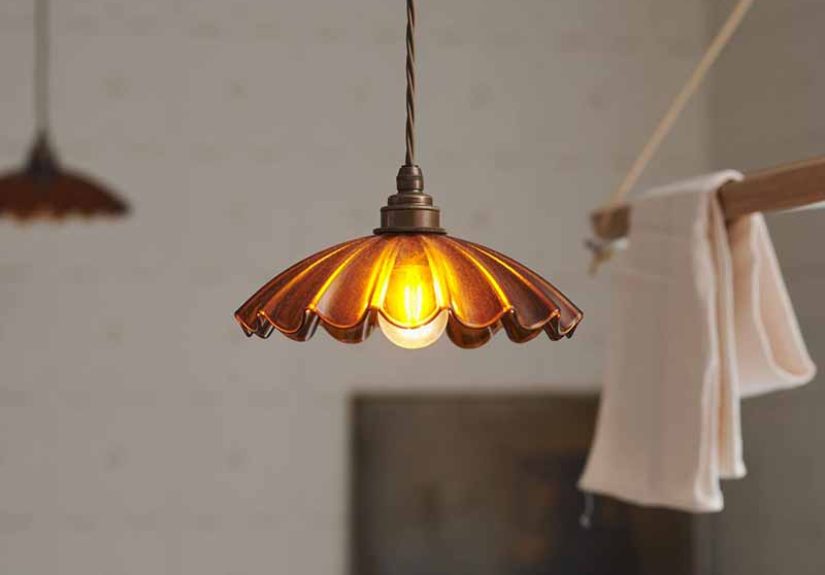
- Scalloped or ruffled trim shades: add a warm halo and a vintage feel
- Linen or cotton drum shades: modern shape, cozy diffusion
- Empire shades: classic silhouette that spreads light pleasantly
Want maximum “glow” with minimal glare? Look for shades that are opaque enough to hide the bulb but light enough
to let the shade itself light up. If you can see the bulb clearly, you’ll get hot spots. If nothing glows, it’ll feel flat.
The sweet spot is “lantern-like.”
Step 3: Layer your lighting (one lamp can’t do it all)
Designers love layered lighting because it makes rooms feel flexible and comfortable.
Use a mix of:
- Ambient light: the overall glow (ceiling fixture, floor lamps)
- Task light: focused light for doing stuff (reading lamp, desk lamp)
- Accent light: mood and highlights (picture lights, small lamps, LED strips)
The frilly amber light usually shines as ambient and accent. For tasks, keep one light source slightly brighter
(still warm) so you can read a recipe without summoning a headlamp.
Step 4: Place lamps where faces live
If you want people to look good (and feel good), put warm lamps at about head height when seatedside tables, console tables, or floor lamps with shades.
Overhead-only lighting can cast shadows that feel harsh. A pair of lamps across a room can balance the glow so it feels intentional, not accidental.
Step 5: Add a dimmer (the secret to “mood”)
Dimmers are basically a “vibe remote.” With dimming, your frilly amber light can do early evening dinner, late-night wind-down,
and everything in between. If you rent, plug-in dimmers or smart plugs can get you most of the way there.
Room-by-Room Ideas and Specific Examples
Bedroom: the gentlest version of you
Goal: calm, warm, low glare. Use two bedside lamps with fabric shades and warm bulbs. If you read in bed,
add a separate reading light aimed at the book so you can keep the rest of the room dim.
Bonus points for a dim-to-amber bulb so your last hour of light feels like a slow sunset.
Living room: cozy without the cave effect
Try a trio: one floor lamp with a shade (ambient), one table lamp with a frilly/pleated shade (accent), and one brighter lamp near a chair (task).
Keep the color temperature consistent so the room doesn’t look like it has multiple personalities.
Dining area: warm light makes food look expensive
Amber-leaning light is flattering over dining tables because it softens faces and makes wood tones and food look richer.
If you have a pendant, use a warm bulb and consider adding a pair of small lamps on a nearby buffet to add depth.
Entryway: instant welcome
A small lamp with a decorative shade in an entry instantly signals “you’re home.”
This is where “frilly” pays off: a little texture and trim reads as warm and intentional, even in a tiny space.
Common Mistakes (and How to Fix Them)
Mistake 1: Too warm + too dim = you live in a sepia film
Amber light is cozy, but if everything is ultra-warm and ultra-dim, the space can feel sleepy at 6 p.m.
Fix: keep one layer slightly brighter (still warm), or choose 2700K instead of 2200K for your main lamp.
Mistake 2: Mixing color temperatures in the same sightline
A 5000K ceiling light with a 2200K lamp looks like two different universes arguing.
Fix: swap bulbs so most lights in the room live in the same warm family (often 2700K–3000K),
then use “extra warm” accents selectively.
Mistake 3: A frilly shade + a hot bulb = safety risk
Decorative fabric, fringe, and paper shades should always be paired with the correct bulb type and within the fixture’s labeled limits.
LEDs run cooler than halogen and many incandescents, but “cooler” doesn’t mean “no heat.”
Fix: follow the lamp’s labeling, avoid high-heat bulbs, and keep flammable shade material away from hot surfaces.
Safety Notes You Should Actually Read
- Never exceed the maximum bulb rating listed on the lamp/fixture labelthis reduces overheating and fire risk.
- Be extra cautious with halogen torchiere lamps (especially older models) because some high-wattage halogen bulbs can reach extremely high temperatures.
-
If you’re using a very delicate, vintage, or heavily frilled shade, choose a lower-heat LED and keep cords and placement stable
so the lamp won’t tip into curtains or bedding.
Is the Frilly Amber Light “Better for Sleep”?
Here’s the honest answer: brightness matters as much as color. Warm, amber-leaning light can be a better choice in the evening
because it’s typically less blue-rich, and blue-rich light is known to be more alerting for many people.
But any bright light at night can interfere with winding down if it’s intense or right in your face.
The practical approach is simple:
keep evenings warmer, keep nights dimmer, and make your bedroom dark when it’s time to sleep.
Use your frilly amber light as the “soft landing” for your day.
How to Shop for the Look Without Overthinking It
- Start with one lamp you use most in the evening (living room or bedroom).
- Add a warm bulb (2700K for flexible warmth, or dim-to-amber for extra cozy nights).
- Swap the shade to fabricpleated, scalloped, or subtly ruffled if you want “frilly.”
- Make it dimmable (plug-in dimmer or smart bulb).
- Then layer: add a second light source so you’re not relying on one lamp to do everything.
Real-Life Experiences With the Frilly Amber Light (Extra )
If you’ve ever changed one small thing in a room and suddenly felt like you upgraded your whole life, that’s the frilly amber light effect.
I’ve seen it happen in the most normal, unglamorous situationslike a living room where the only lighting was a bright overhead fixture
that made every conversation feel like a meeting that should’ve been an email.
One of the most common “first experiments” is swapping a cool bulb for a warm one in a single table lamp.
People expect a subtle change. What they get is emotional whiplash: the same couch looks softer, the same walls look warmer,
and somehow the whole room feels quietereven though nothing changed except the light.
A friend once described it as, “My apartment stopped yelling at me.”
The frilly part is where the fun begins. A plain drum shade gives you warmth, surebut add a pleated shade and you get that gentle ribbed glow,
like the light is wearing a tailored suit. Add a scalloped edge or a little ruffle and the light becomes more playful.
It’s hard to explain until you see it: shadows get less sharp, corners look less severe, and the space feels a touch more romantic
(even if your “romance” is eating leftovers while watching a show you’ve already seen twice).
In bedrooms, the difference is even more dramatic. When people switch from a bright, cool bedside bulb to a dimmable warm bulb with a fabric shade,
the room starts behaving like a bedtime space instead of a storage unit with pillows. The ritual changes too.
Instead of flipping a harsh light on and off, you dim down gradually while you read, stretch, or scrollideally less scrolling, but we’re all human.
And because the lamp is at eye level, the shade blocks direct glare, which makes the whole routine feel gentler.
My favorite “proof” moment is when someone adds a second lamp across the room. Suddenly the room has balance.
The warm glow isn’t coming from one lonely corner like a lighthouse for tired peopleit’s spread out, layered, and intentional.
That’s when the frilly amber light stops being “a lamp” and becomes “an atmosphere.”
You notice it most when you leave the room and come back: it welcomes you. It makes you want to stay.
And yes, there are fails. If you go too amber and too dim, your kitchen can look like a vintage photo of a soup.
If you mix a super-cool ceiling light with a super-warm lamp, your eyes can’t decide what time zone you’re in.
But the nice thing about lighting is that the fixes are usually simple: match your bulb temperatures, add a dimmer,
and let the frilly shade do what it does bestturn regular light into something that feels like comfort.
Conclusion
The frilly amber light isn’t about being fancy. It’s about creating a home that feels good at the end of the day
warm, soft, forgiving, and human. Start with one warm bulb and one fabric shade, then build from there:
layer your lights, add dimming, and keep the glow consistent. You’ll end up with a space that doesn’t just look cozy
it acts cozy, too.