Table of Contents >> Show >> Hide
- At a Glance
- Key Specs (What You’re Actually Buying)
- What Makes the Joe Jr a True Kamado
- How We Evaluated the Joe Jr in 2025
- Performance: The Part You Actually Care About
- Temperature Control: Easy Once You Learn the Rules (The Rules Are: Patience)
- Capacity: What Fits on a 13.5-Inch Cooking Surface?
- Portability: The “Portable” Part Comes With an Asterisk
- Build Quality and Warranty: The Long-Game Advantage
- Cleanup and Maintenance (Aka: Don’t Let Ash Become Your Personality)
- Accessories and Upgrades Worth Considering
- Joe Jr vs. The Alternatives
- Who Should Buy the Kamado Joe Joe Jr
- Who Should Skip It
- First-Weekend Playbook: How to Get Great Results Fast
- FAQ
- Experiences in the Real World (An Extra , Because Life Happens Between Cooks)
- Final Take
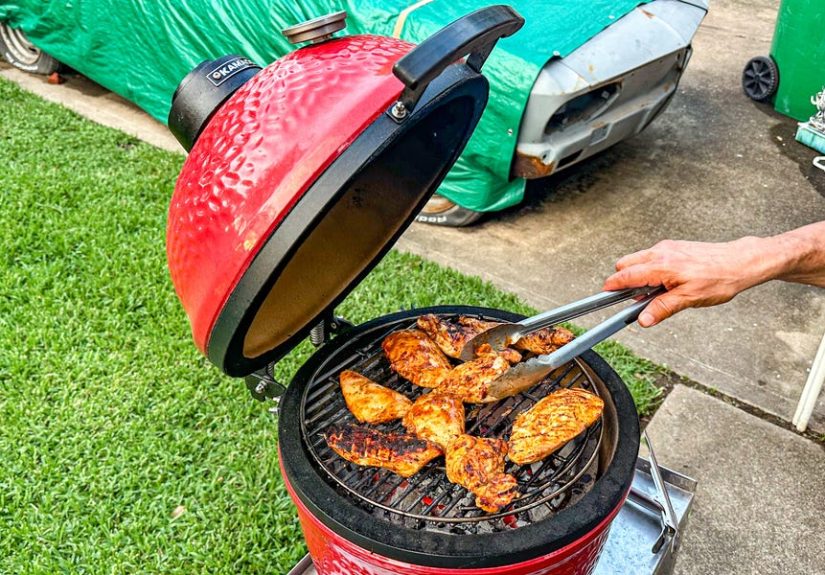
The Kamado Joe Joe Jr. is the grill equivalent of a tiny red sports car: compact, loud (in flavor), and suspiciously capable for something that can sit on a patio table.
It’s a 13.5-inch ceramic kamadomeaning it’s built to hold heat like a thermos, run low and slow like a smoker, and also rip to steak-searing temperatures when you want dinner to taste like “I know what I’m doing.”
In 2025, the Joe Jr. stayed popular for a simple reason: it hits the sweet spot between “real-deal kamado performance” and “I don’t have space (or patience) for a full-size ceramic spaceship.”
This review is built from a structured evaluation rubric (heat control, stability, fuel use, ease of cooking, maintenance, and portability) and cross-checked against manufacturer specs and testing/long-term impressions published by major U.S. outlets and specialty grill reviewers.
Translation: you get the practical answers, not a brochure that whispers “lifestyle” at you.
At a Glance
- Best for: small households, apartment/patio cooks (where charcoal is allowed), tailgates/camping (with realistic expectations), and anyone who wants kamado versatility in a small footprint.
- Not ideal for: big parties, people who hate managing charcoal, or anyone who thinks “portable” should weigh less than a golden retriever.
- Big headline: 225°F–750°F capability in a compact ceramic body, with surprisingly serious temperature control.
Key Specs (What You’re Actually Buying)
The Joe Jr. is small, but it’s not “toy grill” small. It’s a true ceramic kamado cooker with the accessories to grill and smoke out of the box.
| Cooking surface | 150 sq. in. (13.5-inch diameter) |
| Heat range | 225°F to 750°F |
| Weight | About 77 lbs (varies slightly by listing; it’s heavy either way) |
| Dimensions | About 20 in. wide and 27.5 in. tall (varies slightly by measurement method) |
| Included highlights | Cast iron stand, top vent, built-in thermometer, hinged cooking grate, ceramic heat deflector, ash tool, grill gripper |
A quick note about “portable”: yes, it’s designed to travel. No, you are not casually one-handing it like a picnic basket unless you also do farmer’s carries for fun.
The side handles help, but most owners treat it as “movable” more than “hike it to the overlook.”
What Makes the Joe Jr a True Kamado
A kamado is basically an insulated charcoal cooker inspired by ceramic-vessel cooking traditions, shaped so heat and airflow circulate efficiently. With top and bottom vents, you control oxygen, which controls the fire, which controls the temperature.
Once you learn the vent dance, kamados can maintain low temperatures for smoking and also blast hot enough for searing and pizza-style cooks.
Why ceramic matters
Ceramic walls absorb heat and radiate it back, which is why kamados tend to be fuel-efficient and stable once dialed in. That stability is a big part of why people buy a kamado instead of another basic charcoal grill.
The Joe Jr takes that same concept and shrinks it into a countertop-friendly footprintwithout turning it into a novelty.
How We Evaluated the Joe Jr in 2025
A fair grill review isn’t just “I cooked a burger and smiled.” For 2025-style evaluation, we focused on the same repeatable scenarios that separate serious cookers from charcoal-shaped decorations:
- Weeknight heat-up: how quickly it can get to a clean, cooking-ready fire.
- High-heat sear: can it reach steak-searing temps and keep them there?
- Low-and-slow stability: can it settle into 225°F–275°F and hold without constant babysitting?
- Moisture + smoke results: does it produce that “kamado juicy” texture and balanced smoke?
- Capacity reality check: what fits in real food terms (not marketing math).
- Ease of use: vent control, adding charcoal mid-cook, indirect setup, and learning curve.
- Cleanup + maintenance: ash handling, grate cleaning, gasket care, and storage.
- Portability: moving it, setting it up, and whether “tailgate grill” feels honest.
Performance: The Part You Actually Care About
Heat-up and searing
The Joe Jr is known for getting hot fast and staying hotone of the biggest differences people notice versus thin-walled charcoal grills.
With a good charcoal load and airflow opened up, it can climb into the high-heat zone needed for hard sears and crisp skin. That top-end range (up to about 750°F) is what makes “tiny pizza oven” nights possible.
The practical win here isn’t just max temperatureit’s heat intensity + control. A ceramic cooker can hold a steady blast longer, which is great for reverse-searing steaks: smoke/roast first, then open it up for a fast crust.
Low-and-slow smoking: surprisingly legit
If you think a small kamado can’t smoke, the Joe Jr is here to disagree (politely, with ribs). Its design is built for airflow control, and the included ceramic heat deflector makes indirect cooking possible right away.
At 225°F–275°F, it can run steady enough for classic BBQ cutswithin the limits of a compact cook chamber.
Real talk: the smaller firebox means you’re working with a smaller charcoal bed. That can be great for fuel efficiency, but it also means you need to be a bit more intentional about charcoal stacking and airflow.
It’s more “set it carefully” than “set it and forget it.”
Roasting, baking, and the “outdoor oven” trick
A lot of people buy a kamado for brisket dreams, then accidentally become “the person who roasts everything outside.”
The Joe Jr is excellent for roasting chicken, thick pork chops, vegetables, and even baking-style cooks when you use the heat deflector.
The ceramic shell helps keep moisture in, which shows up as juicier resultsespecially on chicken thighs and whole birds.
Temperature Control: Easy Once You Learn the Rules (The Rules Are: Patience)
The Joe Jr uses the classic kamado approach: adjust the bottom vent for primary airflow, fine-tune with the top vent, and let the ceramic do its steady-heat thing.
The built-in temperature gauge is helpful for general monitoring, but as with most grills, serious cooks often rely on a separate probe thermometer for grate-level accuracy.
The #1 beginner mistake: overshooting
Ceramic cookers hold heat so well that overshooting your target temperature can feel like missing an exit and realizing the next turnaround is in another state.
The fix is simple: approach your target temp slowly, start closing vents earlier than you think, and give changes time to settle before making more adjustments.
Capacity: What Fits on a 13.5-Inch Cooking Surface?
150 square inches sounds abstract, so let’s translate it into normal-human food:
- Burgers: about 4 to 6 depending on size (and whether you like breathing room).
- Steaks: 2 good-size ribeyes or strips comfortably.
- Chicken: a small whole chicken works well; parts are easy mode.
- Ribs: you can do ribs with a rack/stand, or by cutting into shorter sections.
- Veggies: plenty for a familyespecially if you use a grill basket.
The Joe Jr is perfect for a couple, a small family, or a “main + sides in batches” approach.
If you routinely cook for 8–12 people, you’ll love the flavor and hate the math.
Portability: The “Portable” Part Comes With an Asterisk
Yes, it’s designed for tailgates, camping, and smaller outdoor spaces. It has side handles and a compact footprint.
But it’s also a ceramic cooker, and ceramic means weight. In practice, most people move it from storage to patio, patio to car, car to campsiteideally with a second set of hands.
If you want something you can carry far, a lightweight kettle-style portable charcoal grill makes more sense.
If you want kamado performance away from home and you’re willing to treat “portable” like “team lift,” the Joe Jr is in its element.
Build Quality and Warranty: The Long-Game Advantage
Kamado Joe’s reputation leans heavily on build quality: thick ceramic, quality vents, and an ecosystem of parts and accessories.
One of the biggest confidence boosters is the warranty structureceramic parts are covered under a limited lifetime warranty for the original purchaser, with separate terms for metal parts and other components.
That matters for a cooker you intend to keep for years, not seasons.
What to know about longevity
- Ceramic is durable, not indestructible: it handles heat and weather, but it doesn’t enjoy being dropped.
- Gaskets wear: expect eventual gasket replacement, like you would on any kamado.
- Vents need occasional love: keep ash and grease buildup from turning adjustments into a wrestling match.
Cleanup and Maintenance (Aka: Don’t Let Ash Become Your Personality)
The Joe Jr includes an ash tool, and that’s good, because kamados reward basic maintenance.
Ash buildup restricts airflow, airflow controls temperature, and temperature controls whether your dinner is “legendary” or “why is everything grey?”
A simple routine works:
- After the cook, close vents to snuff the fire (and save charcoal).
- Once fully cool, scrape ash down and clear the airflow path.
- Brush the grate while warm (warm grates clean easier).
- Cover it if it lives outdoors.
Accessories and Upgrades Worth Considering
The Joe Jr is usable right out of the box, but a few additions can make it feel like a full outdoor kitchen in miniature:
- Cover: protects the ceramic finish and hardware when stored outside.
- Sear plate or alternate cooking surfaces: helpful if you love steakhouse crust and quick heat transfer.
- Extra cooking grate options: useful if you prefer a specific grate material or want a spare.
- Raised cart: if you want “standing height” cooking without putting the grill on a table.
- Quality thermometer + probes: makes low-and-slow and roasting much easier.
Joe Jr vs. The Alternatives
Joe Jr vs. Big Green Egg MiniMax
If you’re comparing small premium kamados, the Big Green Egg MiniMax is the obvious rival.
The typical difference isn’t “can it cook well?”both can. It’s value and what’s included.
Many reviewers note that Kamado Joe packages tend to include more out of the box, while the Egg often becomes a choose-your-own-adventure of accessories.
Joe Jr vs. a classic kettle charcoal grill
A kettle is lighter, cheaper, and easier to move. The Joe Jr is more stable, more fuel-efficient, and more capable of controlled smoking and baking-style cooks.
If you mostly grill hot dogs and burgers and want simplicity, get a kettle.
If you want a compact grill-smoker-oven combo with serious temperature control, the Joe Jr earns its price.
Joe Jr vs. “portable gas grill convenience”
Gas is faster and easier for weeknights. Charcoal tastes better (yes, we said it) and kamado-style charcoal can be remarkably efficient.
If your priority is speed with minimal cleanup, a portable gas grill wins.
If your priority is flavor, versatility, and that wood-fired vibe, the Joe Jr is more funand often more impressive.
Who Should Buy the Kamado Joe Joe Jr
- You cook for 1–4 people most of the time and want restaurant-level charcoal flavor.
- You want one cooker that can grill, smoke, roast, and “pizza-ify” dinner without taking over your whole patio.
- You enjoy learning a toolthe Joe Jr rewards practice.
- You want a long-term purchase, not a disposable seasonal grill.
Who Should Skip It
- You need big capacity for parties or meal prep in large batches.
- You hate charcoal management and want push-button cooking.
- You truly need ultralight portability for frequent travel and solo carrying.
- Your local rules forbid charcoal (some apartments/condos do).
First-Weekend Playbook: How to Get Great Results Fast
- Do a quick “practice fire” with no food. Learn how the vents respond from 250°F to 450°F.
- Use quality charcoal (lump is common for kamados). Cheap fuel makes temp control harder.
- Start smaller than you think. You can always add fuel; you can’t easily un-burn a volcano.
- Approach temp slowly. Begin closing vents before you hit target temperature.
- Go indirect for chicken using the heat deflector; finish direct for crisp skin if you want.
- Snuff the fire when done. Shut vents, save charcoal, feel smug.
FAQ
Can the Joe Jr really smoke meat?
Yeswithin size limits. With airflow control and the included heat deflector, it can hold low temps suitable for smoking.
You’ll plan your charcoal load and food size more carefully than on a full-size kamado, but the results can absolutely be legit.
Is 150 square inches enough cooking space?
For most households, yes. For big gatherings, no. The Joe Jr shines as a daily driver for small groups, or as a second grill next to a larger cooker.
Is it hard to use?
It has a learning curve, but it’s not mysterious. If you can learn “vents = oxygen = heat,” you can run a kamado.
Most people get comfortable after a handful of cooks.
Experiences in the Real World (An Extra , Because Life Happens Between Cooks)
Owning the Kamado Joe Jr. tends to follow a predictable emotional arcand I mean that as a compliment.
Week one starts with you admiring the ceramic like it’s a luxury appliance. Then you light the first fire and realize two things:
(1) it comes up to temperature faster than you expected, and (2) it does not care about your impatience.
The Joe Jr is happiest when you treat it like a steady, deliberate cookernot a microwave with a lid.
After a few cooks, you start developing “Joe Jr instincts.” You’ll notice how tiny vent adjustments matter more than you think, and how waiting five minutes before touching anything again can save a whole meal.
This is usually the moment people stop chasing the exact number on the dome thermometer and start cooking by zones and ranges:
“around 250°F” for ribs, “mid-400s” for wings, “as hot as it’ll go” for steak night.
It’s not lazinessit’s competence.
The Joe Jr also changes how you plan meals. You stop thinking in “one giant grill load” and start thinking in smart batches.
Burgers go on first, then veggies while the coals settle, then maybe a quick dessert situation (grilled peaches are not a personality, but they are a strong hobby).
Because the ceramic holds heat so well, you can ride the temperature curve instead of fighting it: hot at first for searing, then calmer for finishing, then low enough to toast buns without turning them into charcoal memories.
Portability is another real-world lesson. You can take it tailgating, camping, or to a friend’s placebut you’ll do it like a responsible adult.
That means a stable surface, a plan for moving a heavy ceramic cooker, and a realistic expectation of setup time.
People who love the Joe Jr on the road usually love it because it delivers “home grill results” away from home, not because it’s effortless.
If you want effortless, you’re in portable gas grill territory. If you want “why does this chicken taste unfairly good?” you’re in Joe Jr territory.
Cleanup becomes less annoying over time, mostly because you learn the rhythm. You learn to close vents at the end, let the fire die naturally, and reuse leftover charcoal.
You learn that ash management is not optional, because airflow is everything in a kamado.
You also learn the joy of a cooker that doesn’t need constant fiddling once it’s dialed inespecially on longer cooks where stability feels like a superpower.
And then there’s the “second grill” phenomenon. A lot of owners eventually realize the Joe Jr isn’t just a small grillit’s a specialist.
It’s the weeknight hero, the steak-and-veg machine, the quick smoke box for small cuts, the sidekick next to a larger cooker when you want two temperatures at once.
In that role, it’s borderline perfect: powerful, consistent, and fun to use.
In 2025, that’s why it kept winning heartsbecause it turns regular cooking into the kind of cooking that makes people hover near the patio asking, “What are you making and why does it smell like a commercial?”
Final Take
The Kamado Joe Joe Jr. is one of the most compelling “small but serious” charcoal cookers you can buy.
It’s not cheap, and it’s not featherweightbut it delivers real kamado performance: stable low-and-slow smoking, high-heat searing, and that unmistakable ceramic moisture retention that makes food taste like you tried harder than you did.
If you cook for a small group and want one compact grill that can legitimately do a lot, the Joe Jr is a 2025 pick that still makes perfect sense.