Table of Contents >> Show >> Hide
- How This Ultimate Taste Test Was Built
- The Best Store-Bought Pumpkin Pie Overall
- What the Best Pumpkin Pie Actually Tastes Like
- The Best Pumpkin for Homemade Pie
- Why Some Pumpkin Pies Fail So Spectacularly
- So, Which Pumpkin Pie Should You Buy or Bake?
- The Final Verdict
- What a Pumpkin Pie Taste Test Feels Like in Real Life
Pumpkin pie is the overachiever of the holiday dessert table. It walks in wearing cinnamon, nutmeg, and pure confidence, then somehow still has to compete with pecan pie, apple pie, cheesecake, and that one aunt’s “experimental” cranberry thing. To settle the annual dessert debate, I dug through a wide range of reputable U.S. taste tests, recipe reviews, and baking guides to create one big-picture verdict on what actually makes the best pumpkin pie.
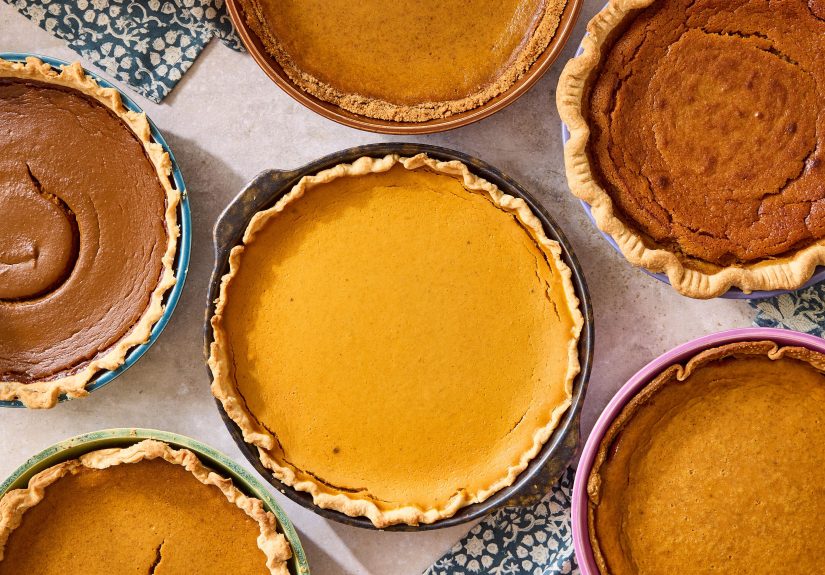
The result? The best pumpkin pie is not the fanciest, the most aggressively spiced, or the one with the most dramatic whipped cream mountain. The winners are surprisingly consistent: smooth but not baby-food mushy, pumpkin-forward without tasting like a spice cabinet explosion, and supported by a crust that stays flaky instead of collapsing like a folding chair at a family reunion.
Across store-bought comparisons, homemade recipe battles, canned pumpkin tests, and pro-baker tips, a few names kept popping up. One pie dominated the store-bought rankings. One canned pumpkin brand continued its reign as the dependable classic. And one truth became painfully obvious: nobody wants a soggy bottom, no matter how polite Thanksgiving guests try to be about it.
How This Ultimate Taste Test Was Built
Instead of pretending one kitchen can test every pumpkin pie on Earth in a single afternoon, this article synthesizes findings from multiple American food publications and cooking brands that ran their own taste tests. Some focused on grocery-store pies. Others ranked canned pumpkin brands. Others compared famous pumpkin pie recipes from major cookbook and media personalities. Put all of that together, and a pattern emerges that is a lot more useful than one editor dramatically whispering, “This one tastes cozy.”
Here’s what the best testers tended to judge: filling texture, spice balance, pumpkin flavor, crust quality, color, sweetness, and overall sliceability. Yes, sliceability is a real thing. A pumpkin pie should not require an engineering degree to serve cleanly.
The Best Store-Bought Pumpkin Pie Overall
Winner: Costco’s Kirkland Signature Pumpkin Pie
If you were hoping for a shocking underdog, I regret to inform you that the pumpkin pie internet hive mind was mostly right. Costco’s pumpkin pie showed up again and again as the standout store-bought winner. In several major taste tests, it was praised for its homemade look, crowd-pleasing flavor, generous size, and strong value. In plain English: it tastes good, feeds a small village, and doesn’t cost the same as a streaming subscription.
What made it win? First, the filling tends to hit the sweet spot between silky and set. It slices cleanly, but it doesn’t eat like rubbery orange office paste. Second, the spice level is balanced. Costco’s pie usually gets credit for tasting like pumpkin first and spice second, which is exactly what many weaker pies get backward. Third, the crust tends to stay sturdier than many supermarket rivals, which is no small miracle in the world of mass-produced holiday desserts.
And then there’s the value factor. A big pumpkin pie that looks homemade and tastes reassuringly classic is already attractive. A big pumpkin pie that also feels like a bargain? That is how legends are born in warehouse stores.
Best for a More Traditional, Milder Slice: Whole Foods
While Costco often won the overall store-bought showdown, Whole Foods frequently landed near the top for people who prefer a subtler, more classic pumpkin profile. Taste testers liked its pumpkin-forward filling and more restrained spice level. This is the pie for people who want their dessert to taste elegant, not like someone tripped and dumped half a jar of cinnamon into it.
Best Smaller Supermarket Option: Walmart
Some more recent rankings gave Walmart a nod as a runner-up, especially for shoppers who wanted a smaller pie with respectable flavor and texture. That makes it a practical choice if you are feeding fewer people or simply do not want seven leftover slices staring at you from the fridge like delicious guilt.
What the Best Pumpkin Pie Actually Tastes Like
After comparing how editors described top pies, the winning flavor profile is surprisingly consistent. The best pumpkin pie should taste gently earthy, lightly sweet, warmly spiced, and creamy without feeling heavy. It should smell like fall, not like a scented candle trying too hard.
Too much sugar is one of the quickest ways pumpkin pie goes off the rails. When sugar leads, pumpkin gets buried and the filling can taste flat or syrupy. Too much spice creates another problem: instead of cozy complexity, you get an overly loud blend where cinnamon and clove elbow everything else out of the room. The best pies let the pumpkin speak in a clear voice, while the spices act like a good backup band.
Texture matters just as much. Editors repeatedly rewarded pies with custardy, velvety fillings and punished pies that were grainy, watery, gummy, or oddly pasty. Great pumpkin pie should feel plush and smooth on the tongue, not like cold squash mousse wearing a crust costume.
The Best Pumpkin for Homemade Pie
Most Reliable Classic: Libby’s 100% Pure Pumpkin
If you are baking at home, Libby’s remains the safest, most universally praised classic. Across multiple taste tests and professional recommendations, it kept winning for consistency, smooth texture, and familiar pumpkin-pie flavor. There is a reason that back-of-the-can recipe has survived decade after decade: it works. It is not flashy, but it is dependable in the way a good pie should be.
Libby’s also benefits from familiarity. For many American bakers, the flavor of pumpkin pie is practically anchored to Libby’s. Its puree is usually smooth, evenly colored, and mild enough to play nicely with spices, sugar, eggs, and milk without getting weird. That reliability matters when you are trying to make dessert for a holiday meal and not audition for a chaotic baking show.
Newer Standouts: 365 Organic and Good & Gather
That said, newer blind taste tests found a few strong challengers. Whole Foods’ 365 Organic Pumpkin Purée earned praise as an especially good pick for pie because of its velvety texture and vivid color. Food & Wine also gave high marks to Target’s Good & Gather canned pumpkin for its balanced flavor and smooth body. So if you are feeling adventurous, the canned pumpkin aisle now offers more than just blind devotion to orange-label nostalgia.
Fresh vs. Canned Pumpkin
Fresh pumpkin sounds romantic. It also sounds like extra dishes. In practical terms, canned pumpkin usually wins on consistency, texture, and convenience. Many recipe developers still prefer plain canned pumpkin purée because it delivers dependable moisture and smoother filling. If you do go fresh, use a pie pumpkin or sugar pumpkin rather than a carving pumpkin, which is better at being festive than delicious.
One crucial note: plain pumpkin purée and pumpkin pie filling are not the same thing. Purée lets you control sweetness and spice. Pumpkin pie filling is already seasoned and sweetened, which can throw off a recipe fast. Grabbing the wrong can is one of the quickest ways to go from “holiday baker” to “why does this taste like confusion?”
Why Some Pumpkin Pies Fail So Spectacularly
1. The Crust Never Had a Chance
Blind baking or par-baking the crust came up repeatedly in expert guidance for a reason. Pumpkin pie filling is custard-based, which means it can soak into the crust before that crust has enough time to firm up properly. The result is a pale, underbaked bottom that tastes less like pastry and more like damp stationery. Great pumpkin pie starts with giving the crust a head start.
2. The Filling Is Overbaked
Cracks in pumpkin pie might look rustic, but they usually mean the filling has gone too far. The center should still have a slight jiggle when the pie comes out. Overbaking tightens the eggs too much, which can cause cracking and a tougher texture. In other words, the pie is telling you it has been through enough.
3. The Spices Are Old
Fresh spices matter more than many home bakers realize. When cinnamon, ginger, cloves, and nutmeg have been sitting in the cabinet since the last solar eclipse, the pie can taste dull no matter how good the recipe is. Pumpkin pie depends on warm spice aroma, and stale spices bring the energy of a half-awake office meeting.
4. The Dairy Is Swapped Without a Plan
Evaporated milk, condensed milk, heavy cream, half-and-half, and regular milk are not interchangeable. Each one changes sweetness, richness, and how the custard sets. That is why one pie turns out lush and creamy while another turns out soft, too sweet, or vaguely suspicious.
So, Which Pumpkin Pie Should You Buy or Bake?
If you want the easiest crowd-pleasing option, buy the Costco pie. It consistently performs well in taste tests, looks the part, and delivers serious bang for your buck.
If you are buying for a smaller table, Walmart is a fair practical pick, while Whole Foods is a smart choice for people who prefer a less-sweet, more classic flavor profile.
If you are baking at home and want the most dependable route, start with plain pumpkin purée, preferably Libby’s if you want classic results. Use fresh spices, blind bake the crust, avoid overbaking, and let the pie cool fully before slicing. Then refrigerate leftovers within two hours, because delicious dessert should not also become a food-safety experiment.
The Final Verdict
The ultimate pumpkin pie is not the one that tries to reinvent the wheel with seventeen toppings, five decorative leaves, and an identity crisis. It is the one that nails the fundamentals: smooth filling, balanced spice, true pumpkin flavor, and a crust that knows how to do its job. That is why classic formulas keep winning, whether they come from a trusted can, a legacy recipe, or an unexpectedly excellent warehouse bakery.
So yes, after all the taste tests, blind rankings, recipe battles, and pie-slice soul-searching, the answer is refreshingly simple. The best pumpkin pie tastes homemade even when it isn’t, smells like the holidays without punching you in the face with spice, and makes everyone at the table quietly consider taking a second slice before dinner is technically over.
What a Pumpkin Pie Taste Test Feels Like in Real Life
Now for the part that never shows up in the clean, polished rankings: the human experience of tasting a truly silly amount of pumpkin pie. A pumpkin pie taste test sounds charming at first. It conjures images of neatly cut wedges, tidy whipped cream rosettes, and thoughtful notes written in excellent handwriting. In reality, by slice number four, everyone is comparing shades of orange with the seriousness of art conservators and saying things like, “This one has a more emotionally supportive crust.”
The first thing you notice in a real pumpkin pie tasting is how different the pies smell before you even take a bite. Some are deeply spiced and dramatic, practically announcing themselves from across the room. Others are milder and more buttery, with a softer pumpkin aroma that says, “I’m classic, not flashy.” That first impression matters. Your brain starts making predictions before the fork lands.
Then comes the crust test, which is where many pies begin their downfall. The ideal crust gives a little resistance, then flakes apart without turning to dust. The bad ones either shatter like overcooked crackers or slump into the filling with all the resolve of wet cardboard. When you’re tasting several pies side by side, crust flaws become hilariously obvious. A pie that might seem “fine” on a normal Thursday suddenly feels deeply unserious next to a better one.
The filling is where the real drama lives. Some pies are silky and calm, with a spoon-coating softness that makes you slow down. Others are weirdly dense, almost gummy, as if the pumpkin and dairy had a disagreement and never fully reconciled. Texture fatigue is real in a pie tasting. After several bites, your palate starts craving balance more than intensity. That is why the best pumpkin pies rarely scream. They just keep tasting good.
Sweetness gets more noticeable with every bite, too. A pie that tastes pleasant at first can become exhausting halfway through a slice if the sugar is cranked too high. The same goes for clove-heavy spice blends. One bite may feel festive. Three bites later, it can taste like potpourri with ambition. The best pies stay comfortable. They never ask you to work too hard.
There is also a strange and wonderful nostalgia factor. Good pumpkin pie tends to unlock memories fast: a cold kitchen counter, a metal pie server, canned whipped cream hiss, somebody arguing about football in another room. That may be why traditional-style pies often score so well. They are not just tasty; they feel familiar. They remind people of the pie they hoped they were getting all along.
And then, somewhere near the end of the tasting, a clear winner usually emerges. Not because it is the boldest or fanciest, but because everyone keeps going back for another bite “just to confirm.” That is the truest pumpkin pie compliment of all. The best pie is the one people accidentally keep eating while pretending to be objective.
In that sense, pumpkin pie taste testing is less about crowning the most elaborate dessert and more about discovering which slice disappears first when nobody is paying attention. That pie, my friends, is the champion.