Table of Contents >> Show >> Hide
- Why Sunscreen Matters More Than You Think
- Decoding Sunscreen Labels Like a Dermatologist
- Chemical vs. Mineral vs. Hybrid Sunscreen
- Choosing Sunscreen for Your Skin Type and Lifestyle
- How Much Sunscreen You Actually Need (And How Often)
- Common Sunscreen Myths, Debunked
- Are Sunscreens Safe? What Dermatologists Say About Ingredients
- Building a Dermatologist-Approved Sun-Safe Routine
- Real-World Sunscreen Experiences and Practical Tips
- The Bottom Line: Sunscreen as a Daily Health Habit
If dermatologists had a magic wand to prevent one super-common cancer and a whole lot of wrinkles, it would look suspiciously like… a bottle of sunscreen.
Not as glamorous as a spell, but a lot more effective. Yet even in 2025, many people still use sunscreen wrong, use it rarely, or skip it altogether because
of confusing labels and TikTok “hot takes.”
This guide pulls together what board-certified dermatologists consistently recommend about sunscreenhow to choose it, how to use it, and how to avoid
the biggest mistakes. We’ll decode SPF, explain the difference between mineral and chemical sunscreens, walk through how much to apply (spoiler: it’s more
than you think), and talk honestly about ingredient safety and common myths.
Why Sunscreen Matters More Than You Think
In the United States, skin cancer is the most common cancer, and ultraviolet (UV) radiation from the sun is the main culprit. UVA rays penetrate deeply and
accelerate wrinkles, sagging, and dark spots. UVB rays burn the surface of your skin and directly damage DNA. Both increase your risk of skin cancer,
including melanoma.
Dermatologists don’t push sunscreen because they’re “anti-sun.” They recommend it because long-term UV exposure is a known carcinogen and one of the main
drivers of visible skin aging. Daily use of sunscreeneven a modest SPF used correctlyhas been linked with a lower risk of certain skin cancers and fewer
signs of photoaging over time.
Think of sunscreen as a seatbelt for your skin. You don’t put it on because you’re planning to crash; you wear it because unpredictable things (like
surprise sunny lunches on a patio) happen all the time.
Decoding Sunscreen Labels Like a Dermatologist
What SPF Really Means
SPF, or Sun Protection Factor, is a measure of how well a sunscreen protects your skin from UVB rays, the ones that burn and contribute to skin cancer.
In simple terms, SPF 30 blocks about 97% of UVB rays, while SPF 50 blocks around 98%. That 1% difference doesn’t sound huge, but over several hours in
strong sun, it can add up.
Dermatologists generally recommend:
- At least SPF 30 for everyday use (commuting, working near windows, short errands).
- SPF 50 or higher for beach days, outdoor sports, high UV index days, and time at high altitude or near water and snow.
Higher SPF is not permission to stay in the sun all day without reapplying. SPF doesn’t tell you how long the sunscreen lasts on your skin; it tells you
how well it protects while it’s on your skin in the amount used during testingusually a thick, generous layer that most people do not match in real life.
Why “Broad Spectrum” Is Non-Negotiable
If you remember only one label phrase, make it this: broad spectrum. A broad-spectrum sunscreen protects against both UVA and UVB rays.
Without that phrase on the label, you may only be getting meaningful UVB protection, leaving you more vulnerable to UVA-driven wrinkles, uneven tone, and
certain skin cancers.
When dermatologists review a product, the basic standard is:
- Broad spectrum
- SPF 30 or higher
- Water resistant if you’re sweating or swimming
Water-Resistant vs. Waterproof (There’s a Difference)
“Waterproof” sunscreen isn’t a thingregulators don’t allow that claim because no sunscreen stays perfect in water forever. Instead, you’ll see
water resistant (40 minutes) or water resistant (80 minutes) on the label.
Here’s how to read it:
- If you’re swimming or sweating heavily, treat that 40 or 80 minutes as the limit, not the goal. Reapply immediately after toweling off.
- If you’re just a bit dewy or walking around, you can usually follow the standard every-two-hours rule.
Chemical vs. Mineral vs. Hybrid Sunscreen
Most sunscreens fall into three broad categories based on their active ingredients.
Chemical Sunscreens
Chemical sunscreens use organic (carbon-based) filters such as avobenzone, octisalate, octocrylene, and others. They work primarily by absorbing UV rays and
converting them into a tiny amount of heat.
Pros:
- Often feel lighter and more “invisible” on the skin.
- Easier to formulate in elegant textures: gels, fluids, serums, and sprays.
- Less likely to leave a white cast on deeper skin tones.
Cons:
- Some ingredients can sting sensitive or reactive skin, especially around the eyes.
- A few filters have raised questions about hormone disruption or environmental impact, though current data has not shown clear harm at typical use levels.
Mineral (Physical) Sunscreens
Mineral sunscreens use inorganic filters such as zinc oxide and titanium dioxide. They primarily reflect and scatter UV
rays while also absorbing some.
Pros:
- Often preferred for very sensitive, post-procedure, or rosacea-prone skin.
- Start working as soon as you apply (no 15–20 minute wait time).
- Generally considered good options for babies over 6 months and for people worried about chemical absorption.
Cons:
- Can leave a chalky or grayish cast, especially on medium to deep skin tones, unless tinted or micronized.
- Sometimes feel thicker or heavier than chemical formulas.
Hybrid Sunscreens
Hybrid formulas combine mineral and chemical filters. Many dermatologists like them because they can balance cosmetic elegance (less white cast) with
broad, stable protection.
There isn’t a single “best” type. Dermatologists usually say: the best sunscreen is the one you’ll actually use every day. If you hate the way a
sunscreen feels, you simply won’t reach for it consistently.
Choosing Sunscreen for Your Skin Type and Lifestyle
Oily or Acne-Prone Skin
If your T-zone could power a small solar panel by noon, look for:
- Oil-free, non-comedogenic (won’t clog pores) labels.
- Lightweight gels, fluids, or milky lotions.
- Mineral or hybrid formulas if your skin is sensitive to certain chemical filters.
Matte-finish sunscreens or ones marketed as “for oily or acne-prone skin” are often easier to layer under makeup and less likely to feel greasy.
Dry or Sensitive Skin
For dry, tight, or easily irritated skin, prioritize:
- Rich, cream-based formulas with hydrating ingredients like glycerin, ceramides, or hyaluronic acid.
- Mineral sunscreens with zinc oxide or titanium dioxide if you react to chemical filters.
- Fragrance-free products to reduce the risk of contact irritation.
A moisturizing sunscreen can sometimes replace your morning moisturizer, as long as you use enough.
Deeper Skin Tones
People with medium to deep skin tones absolutely need sun protection tooUV damage, hyperpigmentation, and skin cancers happen in every skin color.
The challenge is avoiding an ashy cast.
- Look for tinted mineral sunscreens that blend better with melanin-rich skin.
- Lightweight chemical or hybrid formulas specifically marketed as “sheer” or “invisible” can also work well.
- Swatch on your jawline in natural light; if it disappears, you’ve found a winner.
Active Lifestyles, Sports, and Beach Days
If you’re outdoors for hours, dermatologists recommend:
- SPF 50 or higher, broad spectrum, water resistant.
- Lotions or creams for the body; sticks for easy use on the face, ears, and around the eyes.
- Reapplication every 2 hours, and after swimming, heavy sweating, or toweling off.
Bonus protection: UV-blocking clothing, wide-brimmed hats, and sunglasses. Sunscreen is essential, but clothing doesn’t wear off in the middle of your match.
Kids and Families
For most children over 6 months, dermatologists often prefer gentle mineral sunscreens, especially on the face. Choose formulas labeled for children or
sensitive skin, and avoid sprays directly on the face (spray into your hands first, then apply).
For babies under 6 months, it’s usually better to keep them out of direct sun entirely, use shade and protective clothing, and ask your pediatrician before
using sunscreen.
How Much Sunscreen You Actually Need (And How Often)
The One-Ounce Rule
Most people use far too little sunscreen. Dermatologists often use this rule of thumb:
- About 1 ounce (roughly a shot glass full) to cover the entire body.
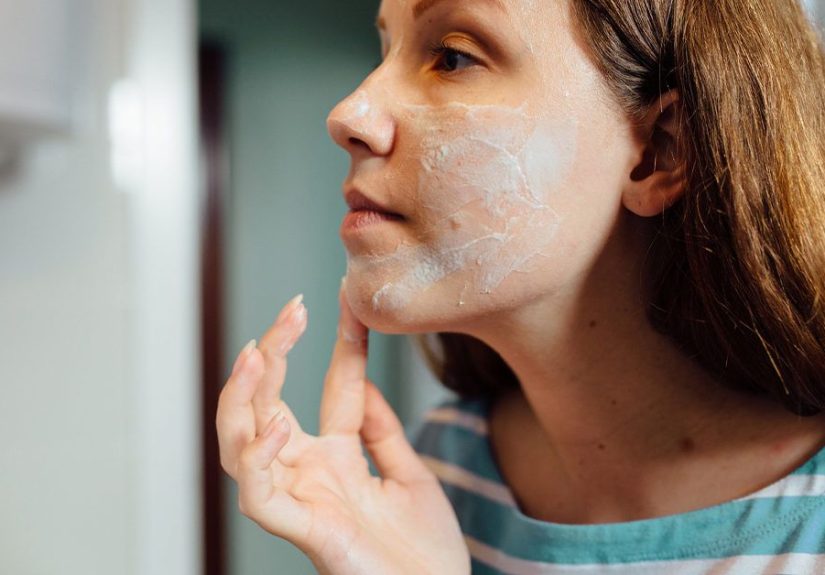
- The “two-finger method” for the face and neck: squeeze a line of sunscreen along the length of two fingers and apply that to face, ears, and neck.
If a bottle claims to cover your whole summer, you’re not applying enough. For daily use on just the face and neck, a typical 1.7–2 oz bottle should go
empty in about a month if you’re using it generously.
Timing and Reapplication
For chemical sunscreens, apply 15–20 minutes before sun exposure to allow the filters to fully bind within the skin’s surface. Mineral formulas work
immediately, but it’s still smart to apply before you step outside so you don’t miss spots in a rush.
Standard dermatologist advice:
- Reapply every 2 hours when outdoors.
- Reapply immediately after swimming, toweling off, or heavy sweatingeven if the product is labeled water resistant.
- Don’t forget commonly missed areas: ears, back of the neck, tops of feet, along the hairline, and the part in your hair.
Common Sunscreen Myths, Debunked
“I Don’t Need Sunscreen on Cloudy or Winter Days”
Up to a significant portion of UV rays still reach the ground on cloudy days, and UVA raysresponsible for much of photoagingpenetrate clouds and glass.
Snow, water, and sand can even reflect UV rays, increasing your exposure. If there is daylight, your skin is getting some UV.
“Higher SPF Means I Can Reapply Less Often”
Higher SPF gives stronger UVB protection, but it doesn’t extend the “life span” of your sunscreen layer. Sweat, water, friction, and time all break it
down at similar rates whether it’s SPF 30 or SPF 70. You still need to reapply at least every 2 hours outdoors.
“My Makeup with SPF Is Enough”
SPF in makeup is a nice bonus, but coverage is usually too thin and patchy to match the levels used in testing. You’d need several thick layers of foundation
to reach the labeled SPFmost people would tap out long before that. Dermatologists often suggest:
- Apply a dedicated sunscreen first.
- Use makeup with SPF as an extra, not your only line of defense.
“Natural Oils Like Coconut Oil Are Good Sunscreens”
Nope. Common oils like coconut or olive oil do not provide reliable or broad-spectrum UV protection. They might make your skin feel soft, but they
won’t prevent burns or long-term damage. Homemade or “DIY” sunscreens are also risky because they aren’t tested for consistent protection.
Are Sunscreens Safe? What Dermatologists Say About Ingredients
Concerns about certain chemical filterslike oxybenzonehave made some people nervous, especially online. Studies have shown that some filters can be
detected in the bloodstream, but detection doesn’t automatically equal harm. Regulatory bodies and major dermatology organizations currently maintain that
approved sunscreens are safe when used as directed, especially compared with the very real risks of UV damage.
If you’d rather minimize potential chemical absorption, you have options:
- Choose mineral sunscreens with zinc oxide and/or titanium dioxide as the only active ingredients.
- Look for formulas labeled “reef-friendly” if you’re concerned about environmental impact, though labels here aren’t standardized.
- Consider using mineral sunscreen on children, during pregnancy, or on very sensitive skin.
From a dermatologist’s perspective, the bigger health hazard is usually not using any sunscreen at all, relying on unreliable “natural”
alternatives, or burning repeatedly over the years.
Building a Dermatologist-Approved Sun-Safe Routine
Your Daily Minimal Routine
Even if you’re indoors most of the day, a simple morning habit can make a big difference over decades:
- Cleanse (if needed).
- Apply any treatment serums.
- Apply broad-spectrum SPF 30+ sunscreen to face, ears, neck, and any exposed chest.
- Finish with makeup if you wear it.
If you sit by windows, drive often, or walk outside at lunch, you’re still getting UV. Think of your morning sunscreen as brushing your teeth: a small,
daily investment that prevents big problems later.
Upgrading for Heavy Sun Days
For long outdoor days:
- Use SPF 50+ on exposed body areas.
- Pack your sunscreen and set a phone alarm to remind you to reapply.
- Add a wide-brimmed hat, UV-blocking sunglasses, and sun-protective clothing when possible.
- Seek shade between late morning and mid-afternoon when the sun’s intensity peaks.
Real-World Sunscreen Experiences and Practical Tips
Dermatologists learn a lot from what patients actually do with sunscreennot just what they should do. Here are some real-world patterns and
practical tweaks that can help you build a routine that sticks.
“Every Sunscreen Breaks Me Out”
A common story in clinic goes like this: someone buys one sunscreen, uses it twice, breaks out, and decides sunscreen just isn’t for them. What
dermatologists often see on closer inspection is a heavy, fragranced, body formula being used on a very sensitive or acne-prone face.
What usually works better is treating facial sunscreen like a separate step, just like you would with a facial moisturizer:
- Choose a product labeled for face and non-comedogenic.
- Switch to lightweight gel or fluid textures instead of thick creams.
- Try mineral or hybrid formulas if you react to chemical filters.
Many people who “hate sunscreen” simply haven’t met the right formula yet. Once they find one that feels like a nice skincare product instead of a greasy
film, daily use becomes much easier.
“I Forget to Reapply Every Time”
Even the most sun-savvy people forget to reapply, especially when they’re at events, sightseeing, or chasing kids around. Dermatologists often recommend
building reapplication into existing habits:
- Keep a stick or travel-size sunscreen in your bag or car for quick touch-ups on the go.
- Use spray or powder SPF on top of makeup during the day (after starting with a proper base layer in the morning).
- Pair reapplication with “anchor moments,” like grabbing a drink of water, finishing a set on the tennis court, or taking a bathroom break.
Some patients find it helpful to set recurring phone reminders on beach or pool daystiny nudges that prevent big burns.
“My Family Won’t Use It Unless It’s Easy”
Parents and partners often say their family members refuse “sticky” or “white” sunscreens. Dermatologists frequently recommend meeting people where they
are:
- For squirmy kids, lotion at home first, then use spray or stick for quick reapplication.
- For teens, let them choose textures and brands they’re excited to useeven if the packaging is trendy, as long as it’s broad-spectrum SPF 30+.
- For partners who hate “skincare,” keep a single bottle in a visible spot by the door with simple instructions: “Use this before you leave.”
When sunscreen feels like an annoying extra chore, people skip it. When it’s simply the last step before going outside, it becomes part of the routine.
“I Only Burn on Vacation, So I Don’t Worry the Rest of the Year”
Another common theme dermatologists see: people are very careful for one week at the beach but ignore daily sun exposures the rest of the yearshort walks,
driving, sitting near windows. Over time, those “little” exposures add up and drive much of the premature aging people try to fix later with expensive
treatments.
The fix is surprisingly simple: everyday SPF on exposed areas, all year, even on workdays and errands. You don’t need a full beach routine daily, but you
do need a basic layer of protection on the areas that see the light most often (face, ears, neck, hands, and often the upper chest).
“Sunscreen Changed How I Feel About My Skin”
Many patients report that once they commit to daily sunscreen, they notice fewer new dark spots, a more even tone, and makeup sitting better on the skin.
For people dealing with melasma or post-acne marks, strict sun protection is often the turning point between “nothing is working” and finally seeing
improvement.
Dermatologists see sunscreen not just as a defensive tool, but as a foundation for almost all other skincare goals. Retinoids, vitamin C, and procedures
work better and more safely when the skin is shielded from ongoing UV damage.
The Bottom Line: Sunscreen as a Daily Health Habit
Sunscreen doesn’t need to be complicated, and it definitely doesn’t have to feel like a sticky, ghostly mask. A dermatologist-approved routine comes down
to a few simple rules:
- Pick a broad-spectrum SPF 30 or higher that fits your skin type and lifestyle.
- Apply enoughabout a shot-glass worth for your body and two fingers’ worth for face and neck.
- Reapply every 2 hours when outdoors, and after swimming or heavy sweating.
- Pair sunscreen with shade, clothing, hats, and common sense about midday sun.
Do that most days of your life, and future-you (and your dermatologist) will be very grateful. Your skin doesn’t need perfection; it just needs consistent,
smart protection.