Table of Contents >> Show >> Hide
- Why IKEA Works So Well for Urban Gardening
- The 5-Minute “Urban Garden Audit” (Do This Before You Buy Anything)
- The IKEA “Starter Kit” for an Urban Garden (Low-Cost, High-Impact)
- HYLLIS: The Balcony Garden Scaffolding
- ÅKERBÄR: The Tiny Greenhouse That Babysits Your Seedlings
- SOCKER Plant Pots: Affordable Containers That Don’t Look Like a Compromise
- RÅSKOG Utility Cart: A Rolling Potting Bench for People Without a Yard
- SKÅDIS Pegboard: Vertical Storage for Tools, Spray Bottles, and Plant Drama
- SAMLA Boxes: Clean Storage for Soil, Pots, and “Where Do I Put This?” Stuff
- Watering Cans & Misters: Small Tools That Prevent Big Problems
- Smart Gardening Basics That Save Money (And Keep Plants Alive)
- Three Low-Cost IKEA Garden Setups (Pick One and Start Small)
- Maintenance Without the Meltdown: Easy Routines for Busy City People
- Real-Life Field Notes: What Urban Gardeners Experience with IKEA Setups (Bonus ~)
- Conclusion: A City Garden That’s Cheap, Cheerful, and Surprisingly Doable
City living has a special talent: it convinces you that a “balcony” is anything wider than a laptop. And yetsomewhere between
sirens, rent prices, and a neighbor’s mysterious 2 a.m. furniture rearrangingyou still want basil. Or tomatoes. Or at least
one heroic pothos vine to prove you’re thriving.
Enter IKEA: the land of flat-pack optimism, budget-friendly problem-solving, and shelves that whisper, “Yes, you can grow
lettuce on me.” With a few smart picksand a little urban-gardener realism about sunlight, wind, and where the water goes
you can build a small-space garden that looks intentional, costs less than your monthly coffee habit, and doesn’t require a
backyard (or a trust fund).
Why IKEA Works So Well for Urban Gardening
Urban gardening is basically the art of doing more with less: less space, less light, less storage, and less patience for
mess. IKEA shines here because so many items are:
- Modular: stack, add-on, rearrange, repeatlike LEGO for adults with plant opinions.
- Small-space friendly: narrow shelves, rolling carts, hanging planters, and wall storage.
- Budget-aware: you can start small and upgrade only when your plants prove they deserve it.
- Indoor-outdoor flexible: some lines are designed to handle balconies, humidity, and wet areas.
The 5-Minute “Urban Garden Audit” (Do This Before You Buy Anything)
The fastest way to waste money on gardening is to buy stuff first and then discover your balcony is basically a wind tunnel
with two hours of sun and a strict “no dripping” policy. Do this quick audit instead:
1) Light: What do you actually get?
Observe where sunlight hits for a day. Full sun plants (tomatoes, peppers) generally need lots of direct sun, while many herbs,
leafy greens, and houseplants can do well with less. If you’re low-light, plan for shade-tolerant picksor budget for a grow light.
2) Water: Where will it go?
Containers must drain well. That water needs a plan: saucers, trays, mats, or a setup that keeps runoff under control.
(Your downstairs neighbor shouldn’t be getting surprise “rain.”)
3) Wind + heat: The rooftop effect is real
Balconies can get hotter, windier, and drier than you expectespecially higher floors. Choose sturdy shelving, secure planters,
and prepare to water more frequently in summer.
4) Weight + rules
Wet potting mix is heavy. Add in pots, water, and shelves and it adds up fast. If your building has restrictions, follow them.
When in doubt, distribute weight and avoid concentrating everything in one corner like you’re building a plant pyramid scheme.
The IKEA “Starter Kit” for an Urban Garden (Low-Cost, High-Impact)
These are the workhorsesitems that create growing space, reduce clutter, and help you keep plants alive without turning your
apartment into a damp potting shed.
HYLLIS: The Balcony Garden Scaffolding
If your garden dreams are vertical (and in cities, they usually are), a slim indoor/outdoor shelving unit is a game changer.
IKEA’s HYLLIS line is lightweight, designed for indoor/outdoor use, and popular for balconies because it creates multiple plant
“floors” without hogging square footage.
How to use it: Put sun lovers on the top shelf, partial-sun plants below, and storage (soil, gloves, small tools)
on the lowest level. If wind is an issue, place heavier pots on lower shelves for stability.
ÅKERBÄR: The Tiny Greenhouse That Babysits Your Seedlings
Urban weather is chaotic: one day it’s pleasant, the next day your herbs are getting slapped by cold wind like they owe it money.
A small greenhouse can buffer temperature swings and protect tender startsespecially in early spring or during shoulder seasons.
IKEA’s ÅKERBÄR greenhouse line is designed for indoor/outdoor use and comes in sizes that work on tables, floors, and balconies.
How to use it: Start basil, cilantro, and leafy greens earlier; protect small plants from wind; or use it indoors
as a humidity-friendly zone for finicky cuttings. Bonus: it looks charming, like your plants are living in a boutique hotel.
SOCKER Plant Pots: Affordable Containers That Don’t Look Like a Compromise
Containers are the backbone of an urban garden, and buying “cute” ones can get expensive fast. SOCKER plant pots are designed
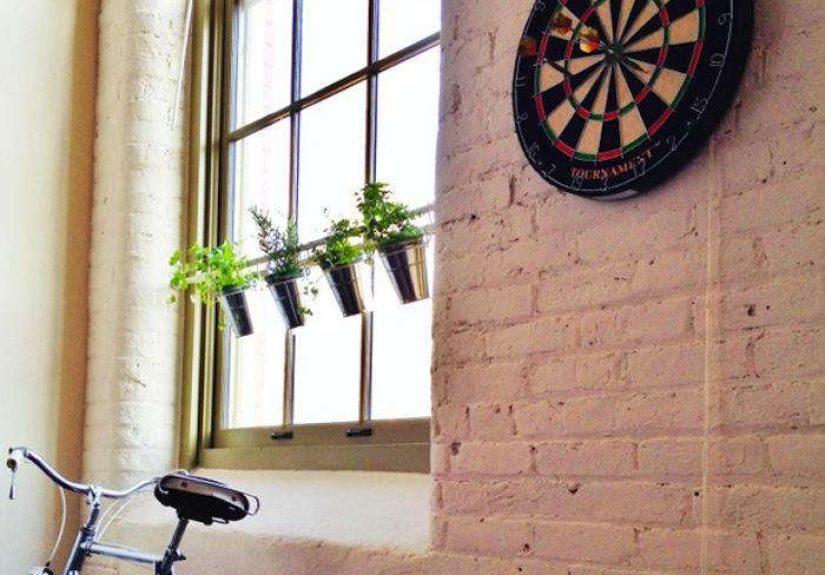
for indoor/outdoor use and made with galvanized steel for rust resistancegreat for balconies and window setups.
How to use it: Group a few sizes for herbs, add a tray or saucer solution under them, and keep one pot as your
“experiment pot” for whatever plant you impulsively adopted at the grocery store.
RÅSKOG Utility Cart: A Rolling Potting Bench for People Without a Yard
The RÅSKOG cart is a small-space legend. It fits in tight spots, rolls where you need it, and has lockable casters for stability.
For gardening, it becomes a mobile command center: tools, fertilizer, snips, twine, labels, and that one glove you can never find.
How to use it: Top tier for daily-use tools, middle for plant care supplies, bottom for heavier items. Roll it
to the balcony when working, then tuck it away when you’re done so your living room doesn’t scream “soil-based hobby.”
SKÅDIS Pegboard: Vertical Storage for Tools, Spray Bottles, and Plant Drama
When space is tight, walls are your friend. SKÅDIS pegboard systems are designed to be customized with accessories so you can hang,
stash, and organize small items. For urban gardeners, this means no more digging through random drawers to find plant ties.
How to use it: Hang pruners, gloves, a small watering bottle, plant labels, and twine. Keep it near your plant area
so maintenance is frictionless. The easier it is, the more likely you’ll actually do it.
SAMLA Boxes: Clean Storage for Soil, Pots, and “Where Do I Put This?” Stuff
Gardening comes with an entourage: extra pots, seed packets, spare saucers, bags of potting mix, and mystery plant accessories you
swore you needed. SAMLA boxes are transparent and stackable, making it easier to see what you have without opening five lids like
you’re defusing a bomb.
How to use it: Store potting mix in a sealed container to reduce mess; keep seasonal supplies together; or create
a “plant first aid kit” bin (sticky traps, neem, snips, ties, gloves).
Watering Cans & Misters: Small Tools That Prevent Big Problems
Overwatering is the #1 way many indoor/balcony gardens go out in a tragic, soggy blaze. A long-spout watering can and a mister can
help you water more preciselyespecially for small pots, seedlings, and herbs on a windowsill.
Smart Gardening Basics That Save Money (And Keep Plants Alive)
IKEA can help you build the setup, but the real “low-cost solution” is avoiding the common mistakes that cause plant losses and
repeat purchases. Here are the fundamentals that matter most in small spaces.
Drainage isn’t optional
Whatever container you use, make sure it drains well. If a pot doesn’t have drainage holes, it’s a decorative object that happens
to look like a plant container. Use saucers or trays to catch runoff and protect floors/balconies.
Use potting mix, not garden soil
For containers, a lightweight, well-draining potting mix is usually a better choice than digging soil from the ground (which can be
too heavy and hold moisture poorly in pots). In a container garden, root health depends on aeration and balanced moisture.
Skip the “rocks at the bottom” myth
A classic internet tip says to add rocks to the bottom of pots for drainage. Many gardening sources now emphasize that what matters
most is having a drainage hole and using an appropriate potting mixnot creating a rock layer that can reduce root space.
Elevate pots to improve drainage and airflow
Containers sitting flat on concrete or in a constantly wet saucer can stay waterlogged. Even a small lift (like slats or pot feet)
can improve drainage and reduce root rot riskespecially outdoors after heavy rain.
Choose plants that match your reality, not your fantasy
If you have limited sun, lean into leafy greens, mint (in its own pottrust me), chives, parsley, pothos, philodendrons, or
shade-tolerant flowers. If you have strong sun, you can try compact tomatoes, peppers, or strawberriesjust be honest about your
watering habits when summer hits.
Three Low-Cost IKEA Garden Setups (Pick One and Start Small)
1) The Windowsill Herb Bar
Best for: apartments with decent window light, beginners, and anyone who wants “I grew this” bragging rights.
Build: A few small indoor/outdoor pots + a precise watering can + a SAMLA box to keep supplies tidy. Add a small
greenhouse if you’re starting from seed or want to protect herbs from drafty windows.
Plant picks: basil, chives, thyme, oregano, parsley, mint (again: separate pot), and leafy greens like arugula.
2) The Balcony Salad Factory
Best for: small balconies, patios, and anyone who wants maximum output per square foot.
Build: HYLLIS shelf as your vertical backbone + sturdy pots + a tray/drainage plan. Add plant supports for climbers
or taller crops if your space gets good sun.
Plant picks: lettuce mixes, spinach, arugula, compact peppers, bush beans, strawberries, and hardy herbs.
3) The Indoor “Grow Zone” for Low-Light Homes
Best for: people who love plants but live in a sunlight desert.
Build: HYLLIS shelf or a dedicated corner + a reputable grow light + a small greenhouse for starts/cuttings.
A cart keeps your plant-care tools and supplies from migrating across your home like tiny green-themed tumbleweeds.
Note: If you’re buying a grow light, prioritize reputable testing and specs. Many reviews focus on brightness,
spectrum, heat output, and adjustabilitydetails that matter more than flashy marketing.
Maintenance Without the Meltdown: Easy Routines for Busy City People
You don’t need a 27-step plant-care ritual. You need a routine that survives a work week.
- Weekly reset (10 minutes): Check moisture, remove dead leaves, rotate plants for even light, refill supplies.
- Water smarter: Water deeply when needed, not a little every day. Most containers hate constant soggy soil.
- Feed lightly: Container plants often need nutrients over time. Follow label directions for any fertilizer.
- Pest check: Look under leaves. Catch issues early and you’ll spend less money (and fewer emotions) later.
Real-Life Field Notes: What Urban Gardeners Experience with IKEA Setups (Bonus ~)
The internet makes urban gardening look like a montage: you sip iced coffee, the sun beams gently, and your balcony turns into a
botanical wonderland with zero setbacks. Real life is… more creative. Here are a few common experiences urban gardeners report
when they build low-cost IKEA-based setupsand the small adjustments that make the difference.
Field note #1: “My balcony is windier than expected.”
A first-time balcony gardener sets up a vertical shelf, loads the top with lightweight pots, and celebrates. Then the first gust
arrives and the plants start doing the cha-cha. The fix is simple: heavier pots on lower shelves, lighter pots higher up, and
securing the shelf to a wall or railing when possible. Many gardeners also switch from tall, top-heavy containers to wider ones.
Once the setup is stable, maintenance feels calmerand plants stop getting stress-whiplash every time a bus drives by.
Field note #2: “I didn’t realize how messy potting mix could be.”
Soil spills are how urban gardening humbles you. People often start by repotting “real quick” on the living room floor and then
discover potting mix has the stealth abilities of glitter. A storage bin for supplies and a designated “potting zone” changes the
whole experience. Many gardeners keep potting mix and tools in a lidded container and do messy work on a balcony, over a tray, or
on an easy-to-clean surface. The result: less cleanup friction, more willingness to actually repot when a plant needs it.
Field note #3: “I thought I had enough light. I did not.”
This is the classic city apartment plot twist. A window looks bright to human eyes, but plants may disagree. Gardeners often notice
leggy herbs, slow growth, or sad seedlings. The solution isn’t always “give up”it’s adjusting expectations and the plant list.
Leafy greens and shade-tolerant herbs become the stars; sun-hungry tomatoes get moved to the brightest spot or postponed for a more
suitable season. Some people add a grow light for a dedicated shelf, which can transform indoor gardening from “plant triage” to
consistent progress.
Field note #4: “I overwatered because I care.”
Urban gardeners are busy, and sometimes the only way they remember a plant exists is by watering it. Unfortunately, many plants
prefer a soak-then-dry rhythm. Over time, gardeners get better at checking soil moisture with a finger test (or lifting a pot to
feel its weight), and they create a drainage plan that doesn’t punish them for watering correctly. The most successful setups tend
to make the right thing easy: saucers that fit, shelves that handle dampness, and tools stored where they’re used.
Field note #5: “Once it’s organized, I actually keep up with it.”
The sneaky win of an IKEA-based garden isn’t just affordabilityit’s reducing chaos. When tools are on a pegboard, supplies live in
a bin, and plants have a dedicated shelf, gardening becomes a repeatable habit instead of a once-a-month event. People report
spending less on duplicates (“Where are my pruners? I’ll just buy another…”) and more time enjoying the plants they already have.
Conclusion: A City Garden That’s Cheap, Cheerful, and Surprisingly Doable
A thriving urban garden isn’t about having more spaceit’s about using the space you have with intention. IKEA can help you build
that intention on a budget: vertical shelving to multiply your growing area, a small greenhouse to protect starts, mobile storage
to keep supplies under control, and wall organization that turns plant care into something you can actually keep up with.
Start small. Learn your light. Get your drainage right. Then expand like any responsible adult would: slowly, confidently, and with
just enough optimism to buy one more herb you definitely have time to water.