Table of Contents >> Show >> Hide
- The Big Rule Change Everyone Talked About: Carson Finally Gets a Say
- Why the Carson Callback Actually Makes Sense
- Season 28 Did Not Stop There
- What the Rule Change Says About the Show’s Evolution
- The Coaches Were Still a Big Part of the Fun
- Did the Huge Rule Change Improve the Show?
- Experiences and Reactions: What This Kind of Change Feels Like in Real Life
- Final Take
If The Voice has always felt like a contest ruled by giant red chairs, dramatic pauses, and coaches acting like they just discovered oxygen every time a singer hits a high note, Season 28 decided to stir the pot. Not with a tiny tweak. Not with a decorative little format adjustment. With a real, game-shifting rule change that gave host Carson Daly more power than ever before.
The biggest headline from The Voice Season 28 is the arrival of the Carson Callback, a new twist that lets Daly give one artist who got no chair turns a second chance at a Blind Audition. That may sound simple, but in the world of this show, it is a pretty seismic change. For years, Carson has been the calm ringmaster in the middle of the chaos, the man with the microphone, the raised eyebrow, and the talent for explaining rules while coaches yell over one another. Season 28 finally lets him affect the competition itself.
And that is only the start. Season 28 also reshaped the Battle Rounds, added a buzzer-style wrinkle called the Mic Drop in the Knockouts, and tightened the Playoffs so fewer artists reached the Live Shows. In other words, this was not one tiny makeover. It was a full renovation with fresh paint, new plumbing, and a few walls knocked down for dramatic effect.
So what exactly changed, why does it matter, and did it make The Voice more exciting or just more caffeinated? Let’s break it all down.
The Big Rule Change Everyone Talked About: Carson Finally Gets a Say
The most talked-about change in Season 28 was the Carson Callback Card. Here is the basic idea: if an artist performs in the Blind Auditions and none of the coaches turns around, Carson Daly can step in and give that singer another shot. Instead of heading home with a brave smile and a “thanks for the opportunity,” that contestant gets to regroup, pick a new song, and come back for a second Blind Audition.
That is a major departure from the classic The Voice formula. Traditionally, the Blind Auditions are ruthless by design. You sing once. The coaches turn or they do not. End of story. The appeal of the round has always been its simplicity and pressure. It is musical speed dating, except the chairs spin and nobody pretends to like hiking.
Season 28 changed that by letting the host intervene. Carson is no longer just narrating the moment. He can now influence the field. That is huge because it adds a human safety valve to a round that has often felt brutally final. A coach might miss a great singer because the song choice was wrong, the nerves kicked in, or the performance simply did not land in the first thirty seconds. The Callback recognizes that talent and timing do not always show up wearing matching outfits.
It also changes the emotional temperature of the show. Instead of a flat rejection, the new twist builds suspense and redemption. Viewers are no longer left thinking, “Well, that person seemed interesting, goodbye forever.” Now there is room for a comeback, and television loves a comeback almost as much as it loves a reaction shot.
Why the Carson Callback Actually Makes Sense
On paper, giving one rejected artist a do-over might sound like reality-TV meddling. In practice, it is a smart update for a long-running competition series. After nearly three decades of seasons, the biggest challenge for The Voice is staying recognizable without feeling repetitive. The chairs still turn. The coaches still block one another. Somebody still delivers a country ballad that makes Reba McEntire look like a proud aunt at a county fair. But a modern competition show also needs surprise.
The Carson Callback works because it does not destroy the show’s structure. It simply adds one carefully limited exception. Carson cannot rescue half the cast. He gets one shot. That restraint matters. The twist feels meaningful because it is rare, and rarity gives reality-TV gimmicks their power. Too much interference and the format turns into soup. One well-timed save, though, can feel electric.
It also fits Carson’s role better than you might expect. He has always stood closest to the contestants in their most vulnerable moments. He hears the nerves backstage, sees the disappointment up close, and knows when a singer may have more to offer than what just happened onstage. Season 28 turns that long-standing perspective into actual competitive authority.
In short, the show looked at its most experienced observer and said, “You know what? Maybe the guy who has been here the whole time should get a button too.” Shocking logic, honestly.
Season 28 Did Not Stop There
Even though the Carson Callback grabbed the biggest headlines, Season 28 was loaded with other format changes that made the competition feel tighter, riskier, and a little less predictable.
1. Battle Round Pairings Changed
Usually, coaches decide which artists from their teams will face off in the Battle Rounds. Season 28 handed some of that power to the contestants themselves by allowing them to choose their own opponents. That sounds minor until you think about the strategy.
When singers pick their own matchup, the round becomes part vocal duel, part chess game. Do you challenge someone strong because you believe in your own talent? Do you target someone whose style clashes with yours so you can stand out? Or do you accidentally create a dream matchup that sends one terrific artist home way too early? Welcome to television, where confidence and chaos often ride in the same car.
This change also gave the contestants more agency. Instead of being arranged like pieces on a coach’s board, they had a hand in shaping their path. That makes the competition feel more active and less scripted by mentor preference alone.
2. The Knockouts Added the Mic Drop Button
Season 28 also introduced the Mic Drop in the Knockout Round. Each coach received one Mic Drop button to use on an artist from their own team who absolutely blew them away. Once all four coaches used the button, viewers voted among those highlighted singers, and the winner earned a performance spot at the Rose Parade on January 1, 2026.
That twist did two things at once. First, it created a mini-competition inside the larger competition, which is exactly the kind of layered drama reality TV producers love. Second, it gave standout contestants another way to build momentum with the audience. On a show where fan connection matters, that is no small bonus.
The Mic Drop also replaced some of the safety-net feeling that comes from saves and steals. In other words, the Knockouts got sharper edges. Coaches had to make harder decisions, and the button became less of a rescue tool than a spotlight. Instead of saying, “I am not ready to lose this singer,” the show let coaches say, “Pay attention, this one is special.”
3. The Playoffs Got Much Tougher
Perhaps the most consequential structural change came later. In past seasons, each coach could send two contestants from the Playoffs into the Live Shows. Season 28 cut that number down to one artist per coach. Then viewers voted two more singers into the Lives, bringing the total number of finalists down to six.
That is a serious squeeze. Fewer automatic spots means every Playoff performance carries more pressure. Coaches have less room to reward consistency, less room to gamble on potential, and less room to keep two very different artists alive at once. The result is a competition that moves faster and feels more unforgiving.
From a viewing standpoint, this is smart. Long-running music shows can sometimes get bogged down in middle rounds that feel like traffic. You are moving, technically, but not with any joy. Tightening the pipeline to the Live Shows makes the stakes clearer and the decision-making harder. It gives the season more urgency.
What the Rule Change Says About the Show’s Evolution
All of these updates point to one bigger truth: The Voice is adjusting how power is distributed. For years, the show leaned heavily on coach authority. The coaches picked the teams, shaped the matchups, used steals and saves, and steered the action until viewers took over later. Season 28 spreads that power around more deliberately.
Carson gets a say through the Callback. Contestants get more control in the Battles. Viewers get more influence through Mic Drop voting and the fight for the final Live Show slots. Coaches still matter, of course, but they are no longer the only hands on the wheel.
That is probably a wise move for a show competing in a very crowded entertainment landscape. Modern audiences like participation. They like unpredictability. They like redemption arcs. They like feeling that a contestant’s journey is not completely controlled by one celebrity having a good or bad day. Season 28 reflects that shift.
It also helps the show feel less mechanical. The older format had strengths, but after enough seasons, even a strong format can start feeling like it arrives from the factory pre-assembled. Season 28 adds friction, and friction creates drama. Not fake drama. Structural drama. The kind that makes you lean forward because the rules themselves are creating tension.
The Coaches Were Still a Big Part of the Fun
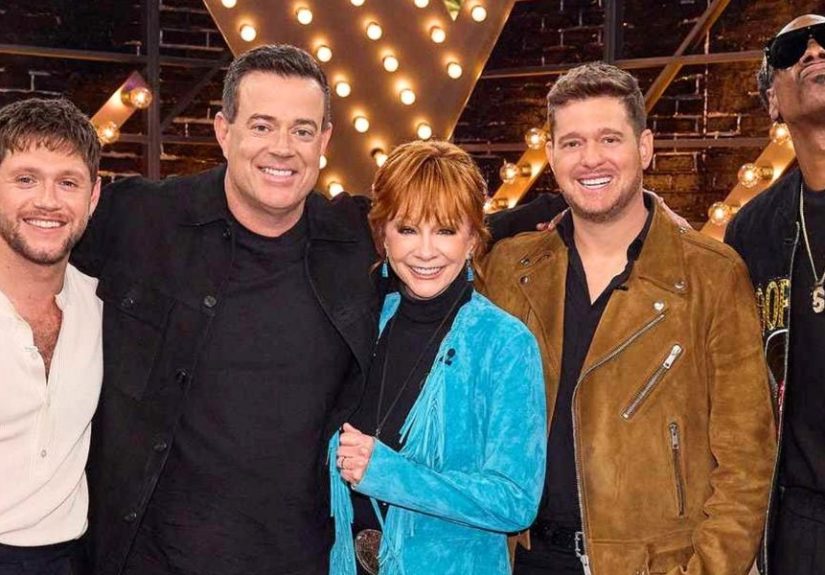
Of course, no format change matters if the panel is flat, and Season 28 had a coach lineup built for strong reactions. Reba McEntire brought warmth and no-nonsense credibility. Michael Bublé leaned into his mix of polished mentorship and emotional investment. Niall Horan returned with the confidence of a coach who already knows how to win. And Snoop Dogg, because he is Snoop Dogg, remained capable of making even routine coach banter sound cooler than most people will ever be in their entire lives.
The updated rules gave this group more to play with. Instead of merely reacting to auditions and training contestants, they had to navigate a format with more moving parts. That helped the season feel livelier. Coaches were not just choosing favorites. They were adapting.
And that matters because the best seasons of The Voice are not only about great singers. They are also about seeing how the coaches respond when the usual script gets shaken. Season 28 provided exactly that.
Did the Huge Rule Change Improve the Show?
In one word: yes.
The Carson Callback is the kind of twist that feels obvious only after someone finally does it. It respects the show’s core idea while correcting one of its toughest limitations: the notion that a single imperfect song should always be the end of the road. It adds mercy without eliminating merit.
The other updates helped too. Contestant-selected Battles created more strategy. The Mic Drop injected buzz into the Knockouts. The narrower Playoff path gave the second half of the season more teeth. Altogether, the changes made Season 28 feel like a version of The Voice that understood its age and refused to act old.
That may be the smartest part of all. Long-running competition shows usually face one of two fates. They either overcorrect and become unrecognizable, or they cling to tradition until viewers can predict every beat. Season 28 mostly avoided both traps. It stayed familiar, but it stopped coasting.
Experiences and Reactions: What This Kind of Change Feels Like in Real Life
One reason the Season 28 rule changes land so well is that they mirror something people understand outside television: first attempts do not always show the whole story. A bad audition, a weak interview, a nervous presentation, a rough first impression, a song that sits in the wrong key for your voice on the wrong day at the wrong time, these things happen. The Carson Callback taps into that very human frustration of knowing someone may be better than their first swing suggested.
For viewers, that creates a different emotional experience. Instead of watching a singer miss out and immediately moving on to the next contestant in a blur of applause and camera cuts, the audience gets a reason to stay invested. A comeback story is naturally stickier than a one-and-done exit. You remember the artist. You remember the setback. You want to see whether the second chance changes everything. It turns passive watching into emotional rooting.
For contestants, the feeling is probably even bigger. Imagine stepping off that stage convinced your moment is over, only to be told you have one more shot. That is not just a plot twist. That is an adrenaline earthquake. Suddenly the pressure doubles, but so does the hope. A second performance is not easier. In some ways, it is harder. Now everyone is watching to see whether you deserved the rescue. But if the artist rises to it, the audience tends to connect even more because the story now has scars on it.
The same goes for the Battle changes. When artists choose their own opponents, the experience becomes more personal. You are not just singing well. You are making a strategic decision and living with it. That gives performances a sharper edge. You can almost feel the subtext onstage: respect, rivalry, nerves, confidence, panic hidden behind a smile, and maybe a tiny inner monologue screaming, “I hope I did not accidentally challenge the human jukebox.”
The Mic Drop twist creates a different kind of experience: validation. Not survival, not rescue, but recognition. It tells one artist on each team, “Your coach thinks that performance deserves extra attention.” That kind of spotlight can change how viewers see a contestant. It can also shift how contestants see themselves. In a competition full of elimination anxiety, a designated moment of praise carries real weight.
And from the fan side, these changes make the season more social. Viewers debate whether Carson used the Callback wisely, whether artists made smart Battle choices, whether a coach burned the Mic Drop on the right singer, and whether the tougher Playoff structure was fair. That sort of conversation keeps a show alive between episodes. It gives fans something more to argue about than who sang best, which, let’s be honest, is already enough to start a family group chat war.
So the Season 28 experience is not just about rules on paper. It is about how those rules create better stories, messier feelings, stronger reactions, and a more memorable ride. In television terms, that is the jackpot. In human terms, it is a reminder that talent often needs both opportunity and timing. Season 28 simply built more room for both.
Final Take
The Voice Season 28 did more than add a gimmick. It rebalanced the show. The Carson Callback gave Carson Daly real influence for the first time, and the rest of the format changes made the competition leaner, riskier, and more interactive. That is why the “huge rule change” label fits. It was not just about one new card. It was about a broader rethink of who gets power, when they get it, and how much suspense the format can squeeze out of every round.
For a show that has been spinning chairs since 2011, that is no small achievement. Season 28 managed to feel familiar enough for longtime fans and fresh enough for viewers who thought they had already seen every trick in the songbook. And in reality TV, that is about as close to a four-chair turn as a format can get.