Table of Contents >> Show >> Hide
- How a Daily Dog Walk Became Internet Catnip
- Why These Dogs Look So Happy Together
- The Real Reason They “Pose” So Well
- Why Group Walks Can Be Great But Only for the Right Dogs
- What Pet Owners Can Learn From These Lovely Daily Walks
- The Bigger Meaning Behind the Group Photos
- What It Feels Like to See a Daily Dog Pack Walk in Person
- Conclusion
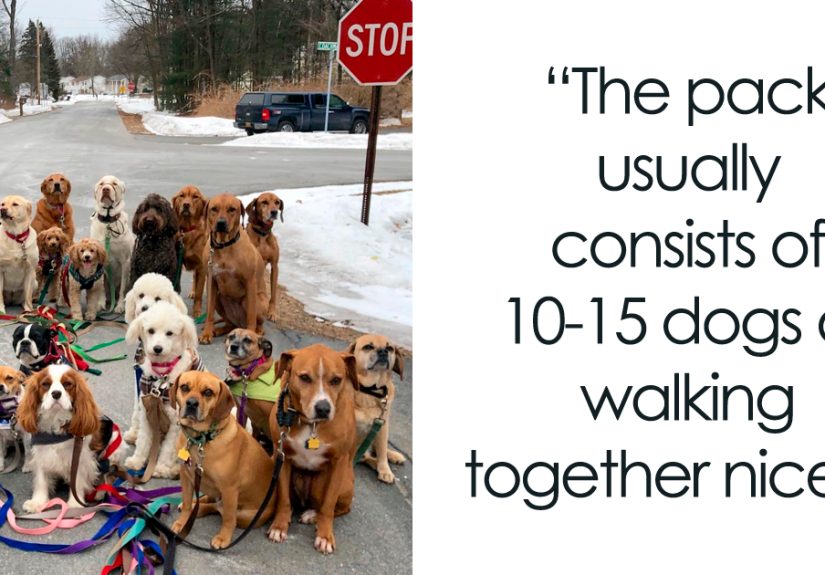
Somewhere in upstate New York, a group of dogs has accomplished what many human friend groups never quite pull off: they show up on time, walk together nicely, and somehow manage to look camera-ready as a unit. No blinking. No weird half-smiles. No one asking, “Wait, should I turn this way?” Just a cheerful parade of pups moving through town like a furry little marching band with better hair.
The viral fascination with these daily dog photos makes perfect sense. On the surface, the images are adorable. Underneath the fluff, though, they also reveal something people love to see in dogs: calm behavior, routine, trust, social connection, and that magical look of being exactly where they want to be. The famous “pack walk” photos tied to Saratoga Dog Walkers in Saratoga Springs, New York, turned a local routine into internet gold, and the reason they stuck isn’t just cuteness. It’s because the dogs look confident, content, and genuinely together.
That’s the real hook here. These aren’t random dogs accidentally lining up like a calendar shoot. They’re part of a structured routine built around exercise, social exposure, predictable cues, and skilled handling. In other words, yes, the photos are charming enough to melt a phone screen, but there’s actual dog behavior science quietly doing the heavy lifting behind the scenes.
How a Daily Dog Walk Became Internet Catnip
The story that grabbed people’s attention centered on the Saratoga Dog Walkers program in upstate New York, where groups of dogs were guided on regular walks and occasionally arranged into striking group portraits. The images looked almost too perfect, like someone had whispered “senior class photo” and every dog took that personally. What started as a feel-good viral feature turned into a bigger conversation about why the dogs looked so calm and cooperative in the first place.
Part of the answer is consistency. These dogs weren’t strangers tossed into a chaos blender and marched down the sidewalk. They were participating in a routine. Over time, well-managed dogs learn patterns. They understand what a walk looks like, what certain cues mean, when to move, when to pause, and when being calm pays off. That doesn’t make them robots. It makes them practiced.
And that practice matters. In local coverage over the years, these Saratoga walks were described as more than just quick potty breaks. They were built around structure, socialization, and loose-leash walking, with the handler focusing on calmer movement rather than turning every outing into a canine version of spring break. Later, the work expanded into the Pink Pup brand, showing that the original idea was never just about snapping cute photos. The photos were the dessert. The real meal was behavior, exercise, and relationship-building.
Why These Dogs Look So Happy Together
1. They’re getting real exercise, not just a stroll with paperwork attached
Dogs need movement for physical health, but they also need it for their brains. A good walk helps burn energy, reduce boredom, and provide mental stimulation through new sights, sounds, and smells. That’s one reason dogs who get appropriate daily exercise often appear more settled at home. A well-walked dog is less likely to invent a side hobby involving couch cushions, baseboards, or your left sneaker.
What’s especially interesting about a group walk is that it can multiply the experience. There’s still the physical activity, but there’s also social information to process. Dogs are observing one another, moving in rhythm, adjusting pace, and working through small distractions in a shared environment. When that’s managed correctly, it can be enriching rather than overwhelming.
2. They’re not just walking they’re learning
A calm group walk can reinforce useful life skills. Dogs practice staying near a handler, responding to cues, pausing when asked, and moving forward without turning every passing squirrel into a constitutional crisis. Training experts often recommend “buddy walks” or controlled walks with other compatible dogs because they help dogs work through distractions while staying focused on their handler.
That’s probably one of the big secrets behind the famous photos. A dog that already understands loose-leash walking, waiting, sitting, and settling is far more likely to hold still long enough for a group shot. Add positive reinforcement, repetition, and a handler the dogs trust, and suddenly the impossible starts looking routine.
3. The dogs likely feel secure in the routine
Dogs thrive on predictability. When they know what comes next, many of them relax. That’s why routines around walks, meals, rest, and training often help dogs feel more confident. Predictable cues reduce frustration and make communication clearer. If a dog learns that “sit” reliably leads to praise, a treat, forward movement, or a calm pause, the cue stops feeling like a mystery and starts feeling like a fair deal.
That trust shows up in photos. A dog that feels confused or pressured rarely looks loose and comfortable. A dog that knows the game, however, can absolutely serve face for three seconds and then continue on like the neighborhood’s fluffiest professional model.
The Real Reason They “Pose” So Well
Let’s be honest: when people say these dogs are “posing,” what they really mean is that the dogs are pausing on cue and not exploding into 14 different directions. That may sound less cinematic, but it’s actually more impressive.
Dogs don’t pose because they understand aesthetics, symmetry, or the power of a good profile shot. They pose because they’ve learned behaviors that make photos possible. Sit. Stay. Wait. Focus. Relax. Reinforcement for calm behavior. Repetition in low-pressure settings. Clear body language from the handler. That’s the recipe.
There’s also another factor: timing. Skilled handlers know when dogs are calm enough to stop. They don’t usually demand a photo in the peak moment of excitement. They wait for the collective energy to settle, then ask for a short behavior the dogs already know. What looks spontaneous in the finished image is often the result of good observation.
So yes, the photo may look like a dog version of a holiday card designed by tiny geniuses. But beneath the cuteness is something wonderfully ordinary and smart: training, patience, and knowing your audience is very food-motivated.
Why Group Walks Can Be Great But Only for the Right Dogs
This is where the internet usually needs a gentle reality check. Not every dog wants to walk with a bunch of unfamiliar dogs. In fact, many adult dogs are dog-selective or dog-tolerant rather than eager to be best friends with every wagging stranger they meet. That’s completely normal.
A successful pack walk is not a free-for-all and definitely not a “let them figure it out” situation. Good handlers assess temperament, reactivity, training level, and comfort around other dogs before adding a dog to a group. Slow introductions matter. Compatibility matters. Space matters.
If a dog is fearful, highly reactive, or easily overstimulated, a group setting can backfire. Behavior specialists note that reactive dogs may bark, lunge, freeze, or become so focused on a trigger that they can’t respond well. For those dogs, the goal isn’t to throw them into the deep end and hope for enlightenment. The goal is to reduce stress, build confidence, and work at a pace they can handle.
That’s also why the old “alpha dog” mythology misses the point. These viral pack walks are not proof that one human used mystical dominance powers to organize a furry street parade. Modern behavior guidance has moved away from that idea. What works better is clear communication, good management, positive reinforcement, appropriate matching, and a routine dogs can understand.
What Pet Owners Can Learn From These Lovely Daily Walks
Respect the sniff
One of the most useful lessons from modern dog care advice is that walks are not just cardio. They’re information-gathering adventures. Smelling hydrants, tree trunks, grass patches, and suspicious sidewalk corners gives dogs valuable mental stimulation. For many dogs, a “sniffy walk” is deeply satisfying and can be just as tiring as a longer power walk. So if your dog wants to read the neighborhood newspaper through scent, that’s not laziness. That’s journalism.
Teach calm before you demand perfect
If you want a dog that can walk politely or pause for a photo, start with small behaviors in low-distraction settings. Teach sit, stay, wait, and attention cues at home, then slowly add real-world challenges. Dogs do best when we set them up to succeed instead of expecting Broadway-level performance on day one.
Choose dog friends carefully
Your dog does not need to greet every dog on the street. In fact, pushing constant interactions can create stress or bad habits. Neutrality is valuable. Calm coexistence is valuable. Known, compatible dog friends are wonderful; random sidewalk speed-dating is overrated.
Routine is underrated
Dogs often flourish when daily life makes sense. Regular walks, short training moments, sniff breaks, rest periods, and predictable cues can transform behavior more than people realize. It doesn’t need to look flashy. Sometimes the secret to a happier dog is not a revolutionary gadget but a boringly dependable schedule.
The Bigger Meaning Behind the Group Photos
What makes these images so lovable is that they reflect a dream many dog owners share: a dog who feels secure, gets enough stimulation, behaves well in public, and looks thrilled to be part of the day. The photos tap into that fantasy, but they also offer something more practical. They remind us that good dog behavior is usually built, not wished into existence.
They also show that dog care is about more than basic maintenance. A thoughtful walk can be social, educational, and emotionally grounding. A reliable routine can strengthen the bond between humans and dogs. A calm group experience can help some dogs practice real-life skills in a way that’s both enriching and fun.
And yes, sometimes that same routine produces a photo so ridiculously cute it makes the rest of us feel underdressed.
What It Feels Like to See a Daily Dog Pack Walk in Person
If you’ve never seen a well-run dog pack walk in real life, it’s easy to assume the pictures exaggerate the magic. Then you spot one in motion, and suddenly the whole thing makes emotional sense. First comes the sound: tags lightly jingling, paws ticking against the sidewalk, the occasional happy pant, and the soft shuffle of leashes moving in rhythm. It’s not the frantic noise many people imagine. In a calm group, it can sound oddly peaceful, like a furry metronome with ears.
Then comes the visual effect. Dogs of different shapes, sizes, colors, and hairstyles move together with surprising harmony. A chunky Lab waddles with dignity beside a springy doodle. A shepherd mix looks professionally serious. A smaller dog trots with the energy of someone who absolutely believes they are the CEO of the operation. There is always at least one face that looks like it belongs on a cereal box and another that looks mildly offended to be participating at all. Together, it somehow works.
What stands out most is not obedience in a stiff, joyless sense. It’s the vibe. The dogs look engaged. They’re taking in the environment, but they’re not unraveling. They seem to know they’re in a group, part of a shared flow, and that creates a kind of visible ease. People watching from the sidewalk tend to react the same way: first surprise, then a grin, then the near-universal instinct to pull out a phone and announce to whoever is nearby, “Okay, this is the best thing I’ve seen all week.”
And the photo moment? That’s the grand finale. The handler pauses, the dogs gather, and for a few glorious seconds the neighborhood turns into a canine press conference. Some dogs sit tall like valedictorians. Some lean into their neighbors with accidental best-friend energy. One usually appears to be staring into the middle distance like a veteran actor who’s tired of fame. It’s impossible not to laugh a little, because the whole scene looks both organized and absurd in the most lovable way.
But the charm goes deeper than the joke. Watching a group like that can make you appreciate how much work goes into making dogs feel safe, fulfilled, and connected. You notice the calm leash handling, the timing, the anticipation of little stress points before they become big ones. You notice that the dogs aren’t being dragged through an experience; they’re being guided through one. That distinction matters, and you can feel it.
For dog lovers, that kind of walk is heartwarming because it reflects possibility. It says dogs can learn, routines can help, and public outings do not have to feel like a hostage negotiation with a squirrel enthusiast. For non-dog people, it’s still delightful because it’s basically a parade, only fluffier and with fewer questionable marching-band uniforms.
By the time the group moves on, the feeling lingers. It’s part awe, part amusement, part sudden desire to go home and teach your own dog to sit nicely for a picture instead of transforming into a blurry noodle the second a camera appears. The daily pack walk is charming online, sure. In person, though, it feels even better: like a tiny moving reminder that structure and joy are not opposites. Sometimes, when done right, they walk side by side on six-foot leashes.
Conclusion
These lovely dogs who pack walk and pose for pictures together every day are more than a viral dose of canine cuteness. They’re a reminder that dogs often thrive when life includes movement, enrichment, predictable routines, and thoughtful social experiences. The photos may be what stop people mid-scroll, but the real story is what makes those photos possible: calm training, smart management, and dogs who feel secure enough to simply enjoy the ride.
For pet owners, that’s the takeaway worth keeping. You don’t need 20 dogs, a city sidewalk, or a picture-perfect lineup to borrow the lesson. Give your dog a walk that includes sniffing, guidance, and consistency. Respect their comfort level around other dogs. Build useful cues. Make the routine feel fair and understandable. Do that often enough, and you may not end up with a viral group portrait but you just might end up with a happier, more confident dog. And frankly, that’s the better flex.
Note: This article is based on real reporting and current canine care guidance, and unnecessary publishing artifacts such as contentReference placeholders have been removed.