Table of Contents >> Show >> Hide
- First, a Quick Reality Check on Mastectomy Recovery
- What to Pack for the Hospital After a Mastectomy
- What You’ll Need at Home After a Mastectomy
- Emotional Support and Practical Help (a.k.a. The Invisible Essentials)
- How to Set Up Your Home Before Surgery
- Extra of Real-World Experience and Little-Things-No-One-Mentions
- The emotional whiplash is real
- Drains are strange, but you’ll become an expert fast
- Movement feels scary at first, but gentle motion is your friend
- Your energy comes back in weird little bursts
- Body image after mastectomy is a process, not a single moment
- Asking for help does not make you weak; it makes recovery easier
- Bringing It All Together
If you’re getting ready for a mastectomy, you’re basically planning a very important “not-a-vacation” trip: you’re going to the hospital, you’re coming home with new scars and maybe surgical drains, and your number-one job is to heal. The right gear will not magically make it fun (sorry), but it can make you a lot more comfortable, safer, and less stressed during recovery.
This guide walks you through what to pack for the hospital and what to have ready at home after a mastectomy, including practical supplies, comfort items, and a few “why did no one tell me this?!” tips gathered from patient guidelines and survivor checklists.
First, a Quick Reality Check on Mastectomy Recovery
Most people stay in the hospital one to two nights after a mastectomy, then continue healing at home. Full recovery often takes about three to six weeks, sometimes longer if reconstruction is done at the same time. During this period, it’s normal to feel tired, sore, and a bit like your body did a hard reset without your permission.
You may go home with surgical drains, tightness across your chest, and restrictions on lifting, reaching overhead, or driving. Because showering might be limited at first, and your arm movement may be awkward, everyday tasks like washing your hair or reaching into a cabinet can suddenly feel Olympic-level.
That’s why planning ahead for both the hospital and home makes such a difference. Think of this as your post-mastectomy survival kit: part comfort, part function, part “future you will be so grateful you packed this.”
What to Pack for the Hospital After a Mastectomy
1. Paperwork, meds list, and essentials
- Photo ID, insurance card, and any hospital paperwork your team asked you to bring.
- List of current medications and allergies. Include dosages and timing so you don’t have to remember anything when you’re groggy.
- Comfortable face mask if your hospital still uses them and you have a favorite style.
- Contacts/eyeglasses + case. You’ll want to see the TV, your phone, and your support person’s face.
2. Clothing that won’t fight your drains
After surgery, lifting your arms to pull clothes over your head will feel like a bad ideabecause it is. Choose items that open in the front and are soft on sensitive skin.
- Front-button or zip-up shirts and pajamas: Cotton, loose, and tagless if possible.
- Soft, high-waisted pants or joggers: Nothing tight around your abdomen if you’ve had reconstruction using tissue from your belly.
- Non-slip socks or slippers: Hospitals are not the place to audition for “World’s Most Dramatic Fall.”
- Post-surgical or mastectomy camisole: Some have built-in pockets for drains, which is wildly handy even in the hospital.
3. Comfort items that make a sterile room feel human
- Small pillow or mastectomy pillow: Great for tucking under your arm to protect your incisions, especially when shifting in bed or riding home in the car.
- Lip balm and moisturizer: Hospital air is famously dry and does not care about your skincare routine.
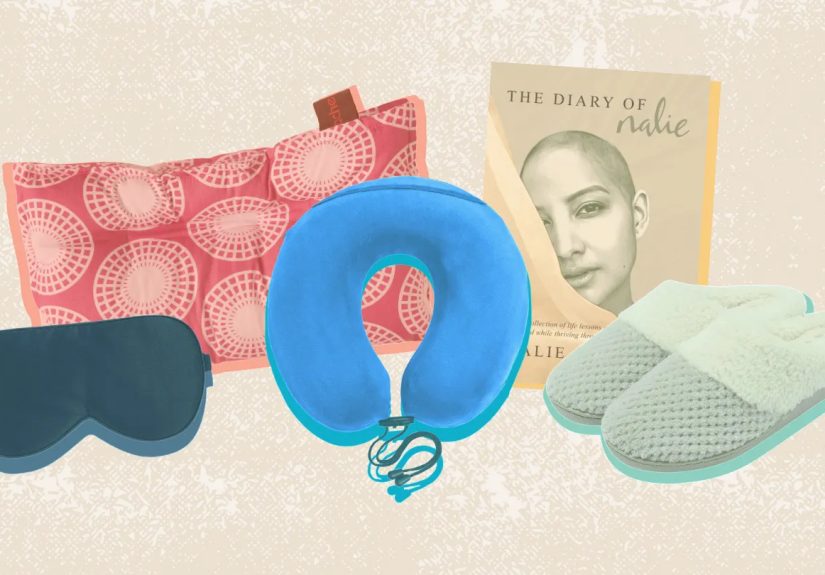
- Earplugs and/or eye mask: Hospitals are bright and noisy 24/7. Your body heals better when your brain actually sleeps.
- A cozy robe or cardigan: Something easy to get on and off over hospital gowns and drain tubing.
4. “No-shower yet” hygiene kit
Many surgeons don’t want you to shower for several days after mastectomy, especially while drains are still in. That doesn’t mean you have to feel like a swamp creature.
- Baby wipes or body wipes: For gentle cleanup that doesn’t disturb your dressings.
- Dry shampoo: Your future greasy-haired self will thank you.
- Toothbrush, toothpaste, and mouthwash: Feeling clean often starts with your mouth.
- Deodorant (if allowed): Ask your team whether they prefer you to skip it near the surgical area.
5. Tech and entertainment
- Phone and charger with a long cord: Outlets are always just out of reach.
- Headphones or earbuds: For music, podcasts, or zoning out to a comfort show.
- Downloaded content: Wi-Fi can be spotty. Load up shows, playlists, and audiobooks in advance.
- Notepad or notes app: Use it for questions that pop into your head, or to jot down instructions from your care team.
What You’ll Need at Home After a Mastectomy
Once you’re home, the goal is simple: make daily life as low-effort as possible so your energy goes into healing, not wrestling with drain tubes or wrestling a fitted sheet back on the bed.
1. Drain management supplies
If you go home with drains, you’ll need a strategy that’s better than “let them dangle and hope for the best.” Drains help remove fluid and reduce swelling, but they can be awkward and uncomfortable if they’re not secured.
- Drain belt, lanyard, or camisole with drain pockets: These keep the bulbs supported and away from your incisions. They’re especially useful in the shower once you’re cleared to bathe.
- Small measuring cup and drain log: You’ll likely need to track how much fluid is coming out, how often, and what it looks like.
- Gauze pads and alcohol wipes: For gentle cleaning around the drain sites if your care team recommends it.
- Safety pins or clips: As backup ways to secure drains to clothing.
2. A “recovery throne” for sleeping and lounging
Many people find it uncomfortable to lie flat after a mastectomy, especially with drains and chest tightness. Some swear by sleeping in a recliner for a while; others create a pillow fortress in bed.
- Recliner or adjustable bed (if available): Makes getting in and out of a seated position much easier.
- Wedge pillow and extra pillows: Use them to stay slightly elevated and to support your arms.
- Mastectomy or underarm pillows: These fit under your arms or across your chest to reduce pressure when you sleep, cuddle pets, or ride in the car.
3. Post-mastectomy clothing and bras
This is not the time for underwire, tight straps, or “but it was on sale” mistakes. Post-surgery, gentle support and easy access matter more than stylethough plenty of companies now make recovery clothes that are both cute and functional.
- Front-closing, soft bras: Look for wide bands, soft seams, and pockets for prostheses or puff fillers if you’re going flat or waiting on reconstruction.
- Loose, breathable tops: Tunics or oversized button-downs help hide drains and swelling.
- Easy-on bottoms: Elastic waistbands and soft fabrics for lounging and short walks.
- Zip-up hoodies or light jackets: Layers are helpful when your internal thermostat has a mind of its own during treatment.
4. Pain and comfort tools (besides prescribed medication)
Your care team will guide you on prescription pain meds and over-the-counter options like acetaminophen or NSAIDs if appropriate. In addition, a few practical helpers can make discomfort more manageable.
- Small, soft ice packs or gel packs: Use only if your surgeon says it’s okay, and never directly on incisions.
- Seat belt cushion for car rides: A padded cover or specialized post-surgery pillow keeps the belt from rubbing sensitive areas.
- Breathing and relaxation tools: Deep-breathing exercises, guided meditations, or a simple timer to remind you to take slow, intentional breaths can reduce tension and help with pain.
- Timer or pill organizer: Staying ahead of pain usually works better than trying to play catch-up once you’re very uncomfortable.
5. Everyday personal care, modified for “T-Rex arms”
For a little while, you might not be able to reach like you normally do. Setting up your space with that in mind can prevent the “I just stretched wrong and now I’m mad” moments.
- Shower chair and handheld shower head: Once you’re cleared to shower, these make it easier to bathe without overreaching or standing too long.
- Mild, fragrance-free soap and lotion: Gentle on sensitive skin and surgical areas.
- Electric toothbrush and simple hair tools: Anything that reduces the time your arms are raised is a win.
- Reacher/grabber tool: Great for picking up things from the floor or high shelves without twisting or straining.
6. Safety and mobility helpers
You might move more slowly for a bit, and that’s okay. A few simple adjustments can prevent slips and accidents while you’re healing.
- Non-slip bath mat and secure rugs: Especially in the bathroom and near your bed.
- Night lights or motion-sensor lights: To safely navigate midnight bathroom trips.
- Small crossbody bag or apron: Lets you carry your phone, tissues, or a notepad while keeping hands free.
Emotional Support and Practical Help (a.k.a. The Invisible Essentials)
The physical supplies matter, but so do the emotional and practical supports around you. A mastectomy isn’t just a surgery; it’s an emotional event. Preparing for that side of recovery is just as important as packing the perfect front-zip hoodie.
- Support people: Ask a trusted friend or family member to be your “point person” for rides, meal coordination, or answering texts. Even one reliable helper can make recovery feel less overwhelming.
- Meal plan: Pre-cooked meals, frozen soups, and snacks that don’t require heavy lifting or lots of chopping are gold. Give your future self the gift of microwave magic.
- Journal or notes app: A place to unload feelings, track symptoms, and write questions for your follow-ups.
- Support groups and online communities: Other people who have been through mastectomy recovery are often the best source of “real world” tips, from favorite pillows to how to talk about scars.
How to Set Up Your Home Before Surgery
Think of pre-surgery you as a very kind roommate preparing the place for post-surgery you.
- Create one main recovery zone: This might be your bed, a recliner, or a couch. Keep a small table or rolling cart nearby with water, meds, tissues, lip balm, snacks, and a phone charger.
- Move daily-use items to waist or chest level: No need to reach high cabinets for plates, cups, or toiletries.
- Plan for limited arm use: Set out clothing for the first week that’s easy to get on without lifting your arms high.
- Arrange help for chores: Laundry, trash, pet care, and grocery runs are all tasks that are best delegated early.
None of this has to be perfect. The goal is simply to reduce friction so you can heal with fewer “I didn’t think about that” surprises.
Extra of Real-World Experience and Little-Things-No-One-Mentions
Every mastectomy story is unique, but many people share surprisingly similar “lessons learned” about what they wish they’d known before surgery. Think of this section as a chat with future you, looking back and saying, “Here’s what actually helped.”
The emotional whiplash is real
It’s common to feel weirdly calm before surgery (lots of appointments, decisions, and tasks keep you busy), then feel the emotional wave hit afterward when everything goes quiet. You may look down at your chest and feel relief, sadness, anger, gratitude, or all of the above before breakfast. There is no “correct” reaction. Give yourself permission to feel whatever shows up without judging it.
Some people find it grounding to choose a small ritual: lighting a candle in the evening, writing one sentence in a journal about the day, or saying out loud one thing their body still does well (“I walked to the mailbox today,” “I took a deep breath without pain,” etc.). These tiny check-ins can help you feel connected to your body when it feels unfamiliar.
Drains are strange, but you’ll become an expert fast
Almost everyone says the same thing: the first time you see your drains, it’s a little shocking. Within a couple of days, you’ll handle them like a pro. Having a routineemptying them at the same times each day, recording the output, and having a belt or camisole to keep them in placegives you a sense of control in a situation that doesn’t always feel controllable.
One practical tip from many survivors: keep a small trash can, your measuring cup, and your drain log all together in your bathroom. That way you’re not wandering around the house looking for things while juggling tubes. And if you’re squeamish, ask a trusted person to help for the first day or two while you get used to it.
Movement feels scary at first, but gentle motion is your friend
Most surgeons and physical therapy teams encourage gentle arm and shoulder movements early in recovery to prevent stiffness and improve function. That might mean simple pendulum swings, wall walks, or guided stretches. Always follow the specific plan your surgeon gives youthis isn’t the time to freestyle a workoutbut know that moving (carefully) is part of healing, not a threat to it.
Many people notice that they feel better on days when they do their short walks and breathing exercises, even if they start out tired. Small, frequent movement tends to help more than one big push of activity followed by total collapse.
Your energy comes back in weird little bursts
Recovery is rarely a straight line. Some days you’ll think, “Wow, I’m basically back!” and then the next day, folding a load of laundry feels like climbing a mountain. That doesn’t mean you did anything wrong; it’s just how healing works.
A useful strategy is to pick one or two “non-negotiables” for each daylike doing your breathing exercises and taking a short walk to the mailboxand treat everything else as optional. If you have extra energy, great, do a bit more. If you don’t, you still did the important things.
Body image after mastectomy is a process, not a single moment
Whether you choose reconstruction, go flat, use prostheses, or change your mind down the road, adjusting to how your chest looks and feels can take time. Some survivors find comfort in looking at their incisions early; others prefer to wait and have a trusted person look first. Both approaches are valid.
Using soft, gentle fabrics, pretty recovery clothing, or bras that make you feel more “you” again can be surprisingly powerful. It’s not about pretending everything is normal; it’s about giving your body kindness and comfort during a tough chapter. Many people also say that connecting with others who’ve gone through mastectomyin person or onlinehelps them feel less alone and more hopeful about how their relationship with their body can evolve.
Asking for help does not make you weak; it makes recovery easier
Here’s a secret: most friends and family want to help but don’t know what to do. Giving them a simple list“take out the trash on Tuesdays, walk the dog once a day, bring a meal on Sunday”actually makes them feel useful and takes a load off you.
If you’re someone who hates asking for help, think of it this way: you are not asking people to do things forever. You’re inviting them to support you for a few weeks so you can heal and get back to your life. That’s not weakness; that’s smart project management with you as the priority.
Bringing It All Together
Preparing for a mastectomy is a lot, emotionally and practically. But by packing thoughtfully for the hospital and setting up your home in advance, you create softer landing zones for every step of recovery. Front-closing shirts, drain belts, pillows, and pill organizers may not be glamorous, but they’re the behind-the-scenes heroes of healing.
Most importantly, remember that you are not just a list of supplies or a surgical date on a calendar. You are a person walking through a big transition with courage (even on the days it doesn’t feel like it). Let your gear support you, let your people help you, and give yourself permission to heal slowly, imperfectly, and completely on your own timeline.