Table of Contents >> Show >> Hide
- Boston’s Secret Sauce: Old Soul, Fast Brain
- Start With the Greatest Hits: The Freedom Trail (and Its Smart Detours)
- Boston Outdoors: Parks, the River, and a Harbor That Actually Shows Off
- Neighborhoods That Feel Like Different Cities (Because They Kind of Are)
- Boston Eats: What to Order When You Don’t Want Regrets
- Sports Boston: More Than Games (It’s a Personality Trait)
- Museums and Culture: Boston’s “I’ll Just Pop In” Trap
- Getting Around: Walking, the “T,” and a Few Boston Survival Tips
- Sample “This One’s For Boston” Itinerary (2 Days, Maximum Joy)
- Conclusion: A Toast, A Walk, A City That Sticks With You
- of “This One’s For Boston” Experiences (So You Can Feel the City)
“This one’s for Boston” is the kind of phrase you say when you raise a glass, lace up your sneakers, or step outside into a salty breeze and think,
Yeah… this city deserves a moment. Boston is equal parts history lesson, science lab, sports arena, and neighborhood hangout. It’s where
you can spend the morning walking past Revolutionary landmarks, eat lunch that tastes like the Atlantic had a good day, and end the night arguing
(lovingly) about whether the best cannoli comes from that bakery or the other one.
If you’re coming for the first time, Boston can feel like a beautifully complicated map: streets that curve like they were sketched during a sneeze,
brick sidewalks that test your ankles, and a local vocabulary where “wicked” means “very” and “just a minute” means “I’ll be there after I finish
this extremely important conversation about parking.” But once you settle into the rhythm, Boston becomes simple in the best way: it’s a walkable,
story-packed city that rewards curiosity.
Boston’s Secret Sauce: Old Soul, Fast Brain
Boston was founded in 1630, which explains why so much of it feels like it’s been here foreverbecause it has. But what makes Boston special isn’t
only age; it’s the mash-up. Historic meeting houses and cobblestone alleys coexist with world-class universities, hospitals, and research institutions.
It’s a city that can discuss the American Revolution and quantum computing within the same subway ride. Sometimes with the same passenger. And yes,
they will have opinions.
You’ll see that “old-meets-new” energy everywhere: in restored brownstones next to modern glass towers, in harbor views framed by cranes and sailboats,
and in neighborhoods that feel like separate mini-cities stitched together by footpaths, trains, and shared pride.
Start With the Greatest Hits: The Freedom Trail (and Its Smart Detours)
The classic walk that never gets old
If Boston had an “intro level,” it would be the Freedom Trail: a 2.5-mile route connecting 16 nationally significant historic sites. It’s iconic for a
reason. You don’t need a history degree or a powdered wigjust comfortable shoes and a willingness to pause every five minutes because you’ve stumbled
into something that sounds like it should be in a movie.
The trail often begins at Boston Common, founded in 1634 and widely recognized as America’s oldest public park. From there, you’ll hit landmarks like
churches, burying grounds, meeting houses, and sites tied to the arguments, protests, and turning points that shaped the country.
Make it yours: small detours that feel like cheats (in a good way)
- Pair history with coffee: Break up the brick-and-bronze with a warm drink and people-watching in Beacon Hill or Back Bay.
- Go “locals mode” for food: Around Faneuil Hall, skip the urge to eat the first thing you see. Walk a few blocks and you’ll find better optionsand fewer novelty shot glasses.
- Add the Black Heritage Trail: Beacon Hill’s stories of Boston’s Black community and the abolition movement add depth and context that many visitors miss.
Boston Outdoors: Parks, the River, and a Harbor That Actually Shows Off
Boston Common + Public Garden: the city’s living room
Boston Common is where the city exhales: joggers, picnics, office workers on lunch breaks, kids chasing pigeons like it’s their job. Right next door,
the Boston Public Garden brings the romanceespecially around the lagoon. If you want a very Boston kind of joyride, the Swan Boats are a longtime
tradition; their design history traces back to the late 1800s, and they’re still one of the most charming “why is this making me so happy?” activities
you can do in the city.
The Charles River Esplanade: skyline views without a rooftop bar bill
For a classic Boston stroll, the Charles River Esplanade delivers: paths along the water, views of Cambridge and downtown, and enough space to walk,
run, bike, or sit and pretend you’re in a coming-of-age movie. It’s the kind of place where the city looks calm, even if traffic nearby is doing its
usual interpretive dance.
Boston Harbor Islands: a quick escape that feels like a reset button
One of Boston’s flexes is that you can take a ferry and be on an island without leaving “Boston energy” behind. The Boston Harbor Islands area is made
up of 34 islands and peninsulas, offering hiking, historic forts, tide pools, picnics, and views that make downtown look like a postcard.
Neighborhoods That Feel Like Different Cities (Because They Kind of Are)
Beacon Hill: postcard Boston
Brick sidewalks, historic row houses, gas lamps, and corners that make you slow down without realizing it. Beacon Hill is perfect for wanderingjust
remember that “charming hill” is also “leg day.”
Back Bay: architecture, shopping, and “I should walk like I belong here” vibes
Back Bay is where you’ll find beautiful streets, smart storefronts, and landmarks around Copley Square. It’s a great area to build into your day
because you can mix sightseeing with food, shopping, and easy access to transit.
North End: Boston’s Little Italy (and yes, dessert matters here)
The North End is compact, historic, and intensely edible. It’s famous for Italian restaurants, bakeries, and lively street life. The move is simple:
eat dinner, then “accidentally” find yourself in line for a cannoli. You’ll also be near major Freedom Trail stops, so you can balance pastries with
patriotism.
Seaport: modern Boston, shiny edition
The Seaport District is where Boston shows its newer faceglass, waterfront walkways, restaurants, and a busy calendar of events. It’s great if you like
your neighborhoods with a side of skyline and a high chance of stumbling into a pop-up market.
Cambridge: academic energy, independent bookstores, and good food
Cross the river and you’ll find Cambridgehome to Harvard and MIT, plus squares filled with cafés, shops, and students moving with purpose (or at least
pretending convincingly). Harvard offers self-guided tour options through its official “Visit Harvard” resources, and MIT welcomes visitors through
campus tours and also provides a self-guided walking tour option.
Boston Eats: What to Order When You Don’t Want Regrets
Boston’s food identity starts with seafood, but it doesn’t end there. The city is proud of its classicsclam chowder, lobster rolls, oystersand just
as proud of its neighborhood specialties, from Italian in the North End to Vietnamese in Dorchester and a wide range of international flavors across
the metro area. A practical strategy: anchor your trip with a few New England staples, then use one meal a day to explore something unexpected.
Must-try Boston flavors
- New England clam chowder: creamy, hearty, and a legitimate cold-weather superpower.
- Lobster roll: hot-with-butter or chilled-with-mayoBoston won’t force you to choose, but someone at your table definitely will.
- Oysters: especially if you want a “taste of the coast” that feels like a celebration.
- Italian pastries: cannoli is the headline, but the supporting cast is strong.
Want a more modern snapshot of what Boston eats right now? Use neighborhood-based dining guides (think: where locals actually book tables) and you’ll
see how the city has expanded far beyond the stereotypeswhile still keeping the classics on the podium.
Sports Boston: More Than Games (It’s a Personality Trait)
Fenway Park: the legend that still hosts real games
Fenway Park has been home to the Boston Red Sox since 1912 and is widely recognized as Major League Baseball’s oldest ballpark. Even if you’re not a
baseball fan, Fenway is worth experiencingthe architecture, the rituals, the crowd rhythm, the way strangers become temporary best friends over a
shared moment. And yes, you’ll hear about the Green Monster (it’s famously tall, and Bostonians are famously proud).
The Boston Marathon: the city’s loudest love letter
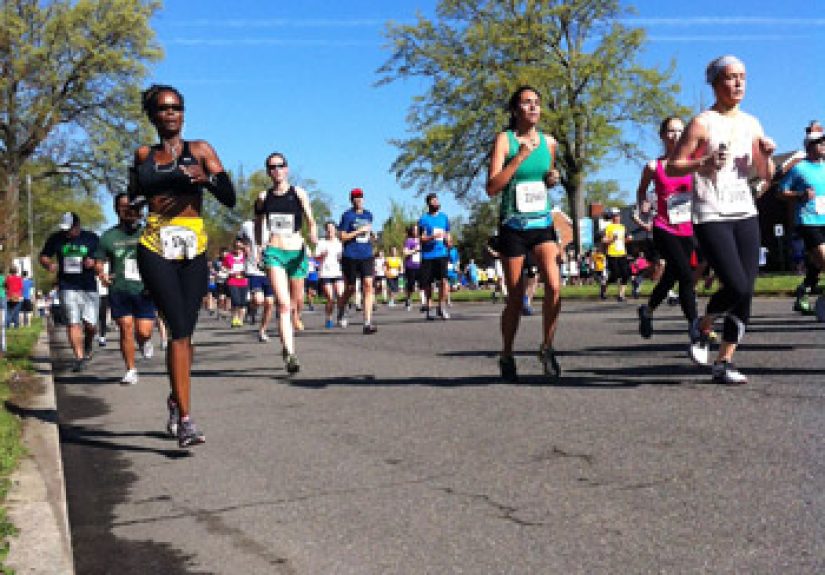
The Boston Marathon is a civic event as much as a race: crowds, traditions, and neighborhoods showing up like it’s a holidaybecause it is. The course
runs from Hopkinton into Boston, and the race is held on Patriots’ Day. Even if you’re not running, the atmosphere feels like Boston turned its pride
knob to maximum.
Pro tip: if you’re visiting around Marathon time, plan transportation early and be ready for road closures and crowds. The payoff is electric energy.
Museums and Culture: Boston’s “I’ll Just Pop In” Trap
Boston is a dangerous city for anyone who says, “I’ll just pop into a museum for 20 minutes.” That’s how you wake up three hours later emotionally
attached to a painting you can’t pronounce and considering a membership.
MFA Boston and the Gardner: two totally different (and excellent) moods
The Museum of Fine Arts, Boston, traces its origins to 1870 and has grown into a major institution with deep collections across time and geography.
A few blocks away, the Isabella Stewart Gardner Museum offers a more intimate experiencefamous for its courtyard, seasonal displays, and the sense that
you’re wandering through a collector’s dream home rather than a conventional gallery.
New England Aquarium: downtown’s ocean portal
Located on Central Wharf, the New England Aquarium has been welcoming visitors since 1969. It’s a strong pick for families, ocean lovers, or anyone
who wants a weather-proof activity that still feels very “Boston by the water.”
Boston Public Library: come for the books, stay for the building
Boston’s library culture is seriousand the main library experience is worth it even if you don’t check out a thing. It’s a place where architecture,
study energy, and civic pride all show up at once. If you need a quiet reset, this is your spot.
Getting Around: Walking, the “T,” and a Few Boston Survival Tips
Boston is a walking cityplan like one
Boston rewards walking because the best stuff is close together. But it’s also a city where a “short walk” might involve stairs, hills, or cobblestones.
Bring comfortable shoes and a little patience. You’ll get it back in views and unexpected discoveries.
The MBTA (“the T”): historic, useful, occasionally dramatic
Boston’s transit system is part of its story. In fact, the Tremont Street Subway is recognized in local historical records as the first subway system
built in the United Statesan origin story that feels on-brand for a city that loves being first at things. Use the T to connect neighborhoods, then
explore on foot from there.
Local etiquette (aka: how not to look painfully lost)
- Escalator rule: stand right, walk left. Boston takes this seriously.
- Crosswalk reality: the walk signal is helpful, but awareness is essential. (Welcome to city life.)
- Ask for help: Bostonians can sound blunt, but they’ll often help you anywaylike a loving aunt who roasts you while handing you directions.
Sample “This One’s For Boston” Itinerary (2 Days, Maximum Joy)
Day 1: History + North End + Harbor
- Morning: Start at Boston Common, then follow the Freedom Trail highlights.
- Lunch: North EndItalian sandwich or pasta, then cannoli (non-negotiable).
- Afternoon: Waterfront stroll, then New England Aquarium or a harbor walk.
- Evening: Seafood dinner and a night walk through the city lights.
Day 2: Cambridge + museums + Fenway
- Morning: CambridgeHarvard Yard self-guided stops and a café break; swing by MIT if you’re into science and sleek architecture.
- Afternoon: Museum time (MFA or Gardner) depending on your mood.
- Evening: Fenway Park game (or tour), then a casual bite nearby.
Conclusion: A Toast, A Walk, A City That Sticks With You
Boston has a way of becoming personal. Maybe it’s the fact that you can touch so much history while still feeling the city move forward. Maybe it’s the
neighborhoodseach with their own voice. Maybe it’s the way a park bench, a harbor breeze, and a perfect bowl of chowder can turn an ordinary afternoon
into a memory.
Whatever your “Boston thing” ends up beingFreedom Trail photos, a Fenway cheer, a Swan Boat glide, a museum moment, or a late-night walk through the
North Endthis city is built to be experienced. So yes: this one’s for Boston. And maybe the next one is, too.
of “This One’s For Boston” Experiences (So You Can Feel the City)
Picture the day starting with that crisp, clean kind of cold that makes you zip your jacket higher and suddenly respect hot coffee on a spiritual level.
You step onto Boston Common and realize it isn’t just a parkit’s a stage. Joggers cut across the paths like they’re late for a meeting with destiny.
Dog owners negotiate with their pets like tiny hostage diplomats. A visitor pauses to read a plaque and quietly mouths, “Wait… this happened here?”
That’s Boston: the past is not behind glass; it’s right under your sneakers.
Then you follow the city’s rhythm outwardbrick buildings, narrow streets, and those little “only in Boston” moments. A church bell rings and blends
into traffic noise. Someone says “wicked” in a sentence that sounds completely normal to them and mildly magical to you. You turn a corner and your
phone map politely gives up, because Boston streets were clearly designed by someone who thought straight lines were a boring suggestion. You stop
fighting it. You start wandering.
Around lunchtime, the North End pulls you in like a friendly tractor beam made of garlic and pastry. You grab something warm and comfortingmaybe a
bowl of chowder or a sandwich you swear you’ll “just split,” except you do not split it. After that comes dessert, and you learn a valuable Boston
lesson: cannoli debates are basically a local sport. People don’t just recommend places; they defend them. You bite into sweet ricotta and crisp shell
and understand why nobody’s neutral about it.
Later, you end up by the water, and the city feels differentlighter, saltier, calmer. The harbor breeze makes downtown look sharper, like someone
turned up the contrast. If you take a ferry out toward the islands, the skyline shrinks behind you and the noise drops away. Suddenly you’re hiking,
staring at the horizon, and realizing Boston can do “peaceful” just as well as it does “intense.” You come back to the city feeling reset.
And then there’s the night version of Boston: streetlights on brick, laughter spilling from restaurants, and that sense that you’re in a place where
people careabout their teams, their neighborhoods, their history, their routines. Maybe you catch a game at Fenway and feel the crowd surge in unison,
or maybe you just stroll along the Charles and watch the lights ripple on the water. Either way, you end the day with the same thought: Boston isn’t
just a destination. It’s a feeling you can pack up and take home, and it keeps showing up laterwhen you taste clam chowder somewhere else and think,
“Nice try,” or when you hear “This one’s for Boston” and smile because now you get it.