Table of Contents >> Show >> Hide
- Why Exercise and Sleep Are So Closely Connected
- So, What Workout Are Scientists Talking About?
- Why Yoga May Be Especially Effective for Better Sleep
- The Bigger Picture: Yoga Is Great, but It Is Not the Only Winner
- How Long and How Often Should You Exercise for Better Sleep?
- What Time of Day Is Best for Sleep-Friendly Workouts?
- A Simple 8-Week Workout Plan to Support Better Sleep
- Common Mistakes That Can Cancel Out the Sleep Benefits
- When to Talk to a Doctor Instead of Just Changing Your Workout
- Experiences Related to This Topic: What Better Sleep Through Movement Often Feels Like
- Final Thoughts
If your relationship with sleep has become a little too “it’s complicated,” science may have a surprisingly practical suggestion: move your body differently. Not harder, not longer, not like you’re training for a superhero audition. Just differently.
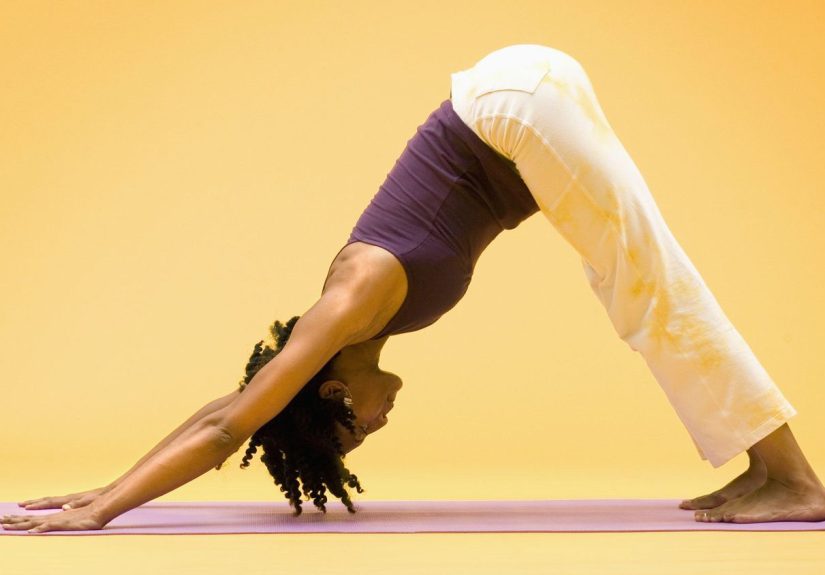
Recent research suggests that one workout, in particular, may stand out when the goal is better sleep quality: yoga, especially a more challenging, structured style that blends movement, breathing, and focus. That does not mean every downward dog is a magic sleeping pill in stretchy pants. But it does mean the old advice to “exercise more for better sleep” is getting more specific, and more interesting.
At the same time, the broader science offers an important reality check. Yoga is not the only exercise linked to better sleep. Walking, jogging, tai chi, and resistance training all have compelling evidence behind them, too. So the smartest takeaway is not that one workout has officially won the sleep Olympics forever. It is that certain forms of movement appear especially effective because they calm the nervous system, reduce stress, support circadian rhythms, and make the body more ready to rest.
In other words, better sleep may not start with a fancy supplement or a white-noise machine that sounds like a dishwasher on vacation. It may start with your workout routine.
Why Exercise and Sleep Are So Closely Connected
Sleep and exercise have a two-way relationship. Regular physical activity can help you fall asleep faster, improve sleep quality, and make you feel more refreshed the next day. On the flip side, poor sleep often drains motivation, lowers energy, and makes it much easier to skip workouts with the confidence of a person saying, “I’ll definitely go tomorrow.”
There are several reasons this connection is so strong. Exercise helps regulate stress and anxiety, both of which love to show up uninvited at bedtime. It also supports healthy circadian rhythms, especially when you move during the day and get natural light exposure. Physical activity increases sleep drive, too, meaning your body is more prepared to settle down when nighttime rolls around.
There is also a mood benefit. Exercise can ease tension, improve emotional regulation, and help quiet the kind of mental overactivity that turns 11:00 p.m. into a full-scale internal TED Talk. When your brain is less revved up, sleep becomes more likely.
So, What Workout Are Scientists Talking About?
The headline-grabbing answer is yoga. A 2025 network meta-analysis found that high-intensity yoga may be the most effective exercise prescription for improving sleep quality in people with sleep disorders. The best pattern in that analysis was surprisingly doable: about 30 minutes or less, twice a week, for 8 to 10 weeks.
Now, “high-intensity yoga” can sound a little confusing. It does not necessarily mean turning your mat into an action movie. In practical terms, it usually means a stronger, more physically engaging yoga style rather than a purely restorative class. Think flowing sequences, strength demands, controlled transitions, focused breathing, and enough challenge to feel like a real workout.
Why might yoga work so well for sleep? Because it hits several sleep-friendly targets at once. It gets the body moving, which helps build healthy fatigue. It emphasizes breath control, which can lower physiological arousal. It requires focus, which pulls attention away from stress spirals. And it often leaves people feeling calmer, looser, and less mentally noisy by the end.
That combination matters. Plenty of workouts tire you out. Fewer also help you power down.
Why Yoga May Be Especially Effective for Better Sleep
It Trains the Body to Shift Gears
One of the biggest barriers to quality sleep is hyperarousal. That is the overly alert, “why is my brain folding laundry at midnight?” state that keeps people awake even when they are tired. Yoga appears to help reduce that revved-up feeling by pairing movement with deliberate breathing and body awareness.
That matters because sleep is not just about being physically tired. It is also about being neurologically ready to rest. Yoga seems to support that transition better than many workouts that leave the body stimulated but the mind still racing.
It Can Reduce Stress and Anxiety
Stress is a sleep thief, and a talented one. It steals sleep onset, sleep maintenance, and next-day energy all in one visit. Yoga may help by lowering tension and improving emotional balance. If your insomnia is worsened by stress, worry, or constant mental chatter, this may be one reason yoga looks so promising in research.
It Combines Fitness With Recovery
Some workouts help sleep because they increase energy expenditure. Others help because they calm the nervous system. Yoga can do both. That dual effect may explain why it performs so well in studies of sleep quality. It is both a workout and a built-in exhale.
The Bigger Picture: Yoga Is Great, but It Is Not the Only Winner
Before anyone dramatically donates their dumbbells, it is worth noting that the broader evidence does not crown yoga as the only smart option. Another 2025 analysis found that yoga, tai chi, and walking or jogging were among the best forms of exercise for insomnia. A separate pooled analysis in older adults found resistance exercise, such as weights, push-ups, or bodyweight strength work, may be especially effective for improving subjective sleep quality.
That is actually good news. It means there is not just one golden ticket to better sleep. If yoga feels amazing, wonderful. If you would rather walk briskly, lift weights, or do tai chi in the living room while your dog judges your form, science is still on your side.
The most realistic conclusion is this: the best workout for sleep is the one that matches both your body and your life. A brilliant routine that you hate is not a sleep strategy. It is a short-lived personality phase.
How Long and How Often Should You Exercise for Better Sleep?
One of the most useful parts of the newer research is that better sleep does not appear to require marathon workouts. In fact, more is not always better.
For the yoga-focused findings, the sweet spot was about two sessions per week, each lasting 30 minutes or less, sustained over 8 to 10 weeks. That is refreshingly realistic. You do not need to overhaul your entire life or start waking up at 4:45 a.m. to become a Sleep Person.
More broadly, U.S. physical activity guidance still recommends that adults aim for 150 to 300 minutes of moderate-intensity activity each week, plus muscle-strengthening work on at least two days. If your sleep is the main target, you do not have to hit perfection immediately. Consistency matters more than theatrics.
A simple starting point could look like this:
Two yoga sessions per week. Two or three brisk walks. One or two short strength sessions. That is enough to build momentum without making your schedule cry.
What Time of Day Is Best for Sleep-Friendly Workouts?
This is where things get more personal. Traditional sleep advice often warned people away from exercising at night, but newer evidence is more nuanced. For many healthy adults, evening exercise does not automatically ruin sleep. In some cases, it may even help people fall asleep faster and spend more time in deep sleep.
That said, there is a catch: high-intensity exercise too close to bedtime can still backfire for some people. If you finish a very vigorous workout and feel wired, sweaty, and strangely ready to reorganize the garage, that is probably not ideal pre-sleep energy.
A good rule of thumb is to do your harder workouts earlier in the day when possible. If evening is your only option, experiment. Some people do great with a light yoga flow or walk after dinner. Others need a larger buffer between intense exercise and bedtime. Your body gets a vote.
A Simple 8-Week Workout Plan to Support Better Sleep
If you want to use the latest findings without overcomplicating things, try this simple approach:
Weeks 1 and 2: Build the Habit
Do two 20-minute yoga sessions each week. Add two easy walks on non-yoga days. Focus on consistency, not performance. Your mission is not to become impressive. Your mission is to become regular.
Weeks 3 and 4: Add a Little Challenge
Increase yoga sessions to 25 to 30 minutes. Choose a more active style that includes standing poses, balance work, controlled transitions, and steady breathing. Keep the walks or add one short strength workout.
Weeks 5 and 6: Support the Routine
Keep the two weekly yoga sessions. Add one or two days of moderate walking, jogging, or resistance training depending on your preference. Make bedtime and wake time more consistent, because workouts and sleep hygiene work better together than apart.
Weeks 7 and 8: Fine-Tune the Timing
Pay attention to what timing feels best. Morning movement may help some people feel more energized and sleepy at the right time later. Late-afternoon yoga may help others release the day’s stress. Adjust based on results, not internet bravado.
Common Mistakes That Can Cancel Out the Sleep Benefits
Even a good workout can be undermined by other habits. If you want exercise to help your sleep, watch out for these common mistakes.
Doing too much, too soon: If you go from zero movement to seven intense workouts in one week, your body may feel more stressed than restored.
Exercising too close to bed: This is not a problem for everyone, but if you notice bedtime restlessness after late workouts, shift your timing earlier.
Ignoring sleep hygiene: Exercise helps, but it cannot fully overcome late caffeine, endless scrolling, erratic bedtimes, or a bedroom that feels like Times Square.
Expecting instant results: Better sleep often improves over weeks, not one heroic class. The research points to consistency over time, not one particularly inspirational Tuesday.
When to Talk to a Doctor Instead of Just Changing Your Workout
Exercise is powerful, but it is not a substitute for medical care when sleep problems are persistent or severe. If you snore loudly, wake up gasping, feel exhausted despite spending enough time in bed, or struggle with insomnia for weeks on end, it is worth talking to a healthcare professional.
That is especially true if poor sleep is affecting your mood, concentration, blood pressure, or daily functioning. Sleep apnea, chronic insomnia, restless legs syndrome, medication effects, and other issues may need targeted treatment. Exercise can still be part of the solution, but sometimes it should not be the only tool in the box.
Experiences Related to This Topic: What Better Sleep Through Movement Often Feels Like
One reason this topic resonates so much is that the experience is easy to recognize. People often do not notice better sleep all at once. Instead, they notice small changes that add up. They stop lying awake replaying awkward conversations from 2019. They wake up fewer times in the night. They stop feeling like the snooze button is their life partner.
Take the classic desk-job scenario. A person spends most of the day sitting, feels mentally exhausted by evening, but somehow not physically ready for sleep. They start doing two short yoga sessions a week and add a couple of walks after lunch. Within a few weeks, bedtime feels less like a wrestling match. Their body is pleasantly tired instead of just mentally fried. The change is not dramatic in a movie-trailer way. It is better than that. It is usable.
Another common experience happens with people who love intense workouts but do them too late. They finish a hard session at night and assume they should sleep like a rock. Instead, they feel alert, warm, hungry, and weirdly chatty. Once they move hard exercise earlier and save evening movement for lighter yoga, mobility work, or a walk, sleep often becomes smoother. Same person, same effort, better timing.
Parents often describe a different pattern. Their days are chaotic, their schedules are not exactly spa-like, and the idea of a 90-minute fitness class is laughable. For them, the breakthrough is often realizing that short sessions still count. A 25-minute yoga video in the living room, done twice a week, can feel manageable. The physical relief from all the carrying, driving, hunching, and general life-admin alone can make nighttime more comfortable. Sometimes better sleep begins with fewer tight shoulders and less nervous-system static.
Older adults frequently report that sleep improves when movement becomes more regular, not more extreme. A combination of walking, light strength work, or beginner yoga can create a steadier daily rhythm. Many say they feel sleepier at the right time, less stiff getting into bed, and more confident during the day. That confidence matters. Good sleep is easier when your body feels supported instead of fragile.
Even people who do not think of themselves as “yoga people” sometimes discover that the breathing component is what changes everything. They expected stretching. What they got was a quieter mind. For someone whose insomnia is fueled by stress or constant internal chatter, that can be the missing link. Not because yoga is mystical, but because it gives the brain something constructive to do besides panic about tomorrow’s inbox.
That may be the most encouraging part of all this. Better sleep through exercise does not usually require perfection. It requires repetition. A little structure. A little patience. And a workout you can repeat without needing a pep talk, a parade, or a personality transplant.
Final Thoughts
So, could this workout be the key to better sleep? Maybe. The latest science suggests yoga deserves serious attention, especially for people dealing with sleep disturbances or insomnia symptoms. It appears to offer a rare combination of physical exertion, nervous-system regulation, and mental decompression, all of which can make sleep come more easily.
But the best message here is bigger than yoga alone. Better sleep is often built through consistent movement, sensible timing, and habits that support your body’s natural rhythm. If yoga clicks for you, great. If walking, jogging, tai chi, or strength training is more your speed, that can work, too.
The goal is not to find the most impressive routine. It is to find the one that helps you climb into bed feeling calm, comfortably tired, and a little less likely to negotiate with your ceiling at 2:00 a.m.