Table of Contents >> Show >> Hide
- Why these three tricks work (even when your kitchen is not a TV set)
- Trick #1: Put in the Reps (Yes, Like the GymBut With Onions)
- Trick #2: Practice Your Vocabulary (Because “Braise” Isn’t “Boil Until Bored”)
- Trick #3: Use Your Intuition (A.K.A. Learn to Drive the Recipe, Not Ride in the Trunk)
- Put it into practice: a one-week “level-up” challenge
- Conclusion
- Kitchen Field Notes: 5 Real-Life Moments When These Tricks Click (A 500-Word Experience Add-On)
If you’ve ever watched Top Chef and thought, “Wow, I could never cook like that,” allow me to hand you a chef-approved reality check:
the biggest glow-ups in the kitchen rarely start with fancy gadgets or a pantry full of rare salts harvested by moonlight. They start with three
unsexy (but weirdly empowering) culinary-school habits.
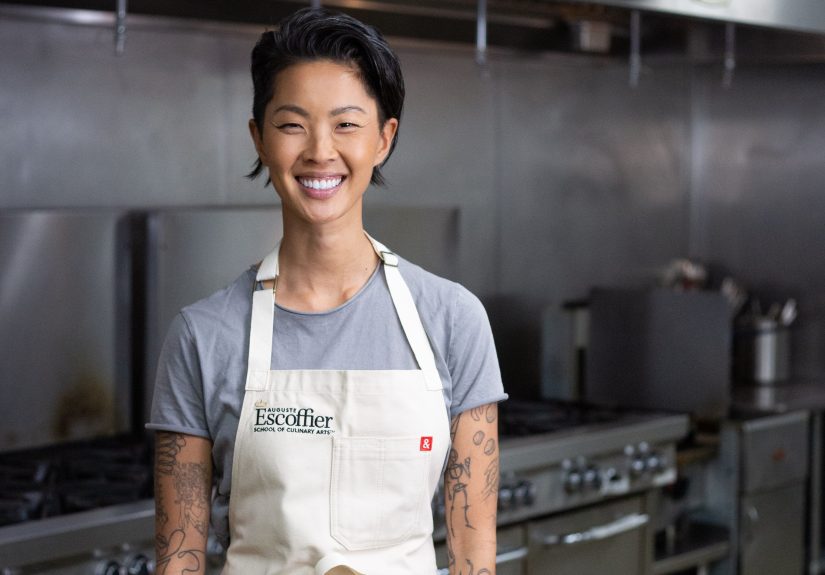
Kristen Kishchef, restaurateur, and the Top Chef hosthas talked about how culinary school helped her build confidence through fundamentals:
showing up, learning the language, and trusting her instincts. Translation: you don’t need a restaurant line to cook better. You need reps, vocabulary,
and intuition. Think of them as the “starter pack” for meals that taste like you meant to do that.
Below are three must-know culinary-school tricksmade totally doable at homewith specific examples you can use tonight (even if your “plating” is
mostly “put it in a bowl and hope for the best”).
Why these three tricks work (even when your kitchen is not a TV set)
Cooking shows make skill look like magic, but culinary school treats it like math: repeatable inputs, repeatable results. Not always perfect results
(because you’re still a human), but results you can improve on with a feedback loop. That’s the whole secret.
These three tricks are basically a system:
- Reps build muscle memory and confidence.
- Vocabulary helps you understand what a recipe is actually asking you to do.
- Intuition lets you adjust when real life (humidity, tomato mood swings, and your stove’s “creative” heat output) shows up.
Let’s break them down in a way that feels more “weeknight dinner” and less “final exam in French sauces.”
Trick #1: Put in the Reps (Yes, Like the GymBut With Onions)
What “reps” means in cooking
“Putting in the reps” is culinary-school speak for stop waiting for confidence to arrive and let practice deliver it. You learn what “golden brown”
actually looks like. You learn how fast garlic goes from “fragrant” to “why is my kitchen haunted by bitterness?”
Here’s the underrated part: reps don’t need to be dramatic. They can be small, controlled, and almost boring. Boring is good. Boring is reliable.
Boring is how you become the person who can make dinner without five separate panic texts to a friend.
A 15-minute “skill snack” plan (pick one and repeat it all week)
Choose one micro-skill and do it for 15 minutes a day for five days. You’re not making a masterpiece. You’re building a reflex.
-
Knife reps: Dice one onion, slice one bell pepper, and chiffonade a handful of herbs. Aim for consistent sizes so everything cooks evenly.
Consistency is flavor’s best friend. -
Searing reps: Sear two chicken thighs (or thick mushrooms). Preheat the pan, pat the surface dry, season, and don’t move the food until it releases.
You’re practicing patience, not punishment. -
Egg reps: Make scrambled eggs three different ways: low-and-slow creamy, medium fluffy, and hot-and-fast with browned edges. Notice the texture shift.
That’s intuition training, too. -
Rice reps: Cook rice the same way three times, then tweak one variable: rinse vs. don’t, more water vs. less, steam time longer vs. shorter.
You’ll learn what each choice buys you. - Soup reps: Make a simple vegetable soup and practice tasting/seasoning every 5 minutes. You’ll learn how salt and acid behave over time.
Build your “edible encyclopedia” (so recipe words stop feeling like riddles)
One reason reps matter: they give you reference points. The next time a recipe says “tight crumb,” “soft peaks,” “reduce by half,” or “cook until aromatic,”
you won’t be guessing. You’ll have a mental imageand a sensory memoryof what that means.
Pro move: keep a notes app called “What I Learned” and jot down one sentence after you cook:
“My pan was too cool; the chicken steamed.” Or “Half a lemon fixed the sauce.” This turns random cooking into actual progress.
Common rep mistakes (and how to dodge them)
- Changing five things at once: tweak one variable, not your entire personality.
- Practicing only “hard” dishes: fundamentals beat flexing. Practice is supposed to be repeatable.
- Chasing perfection: chase information. A slightly overdone chicken thigh can still teach you heat management.
Trick #2: Practice Your Vocabulary (Because “Braise” Isn’t “Boil Until Bored”)
Culinary school teaches you a second languagethe language of technique. And once you speak it, recipes become less like strict orders and more like
helpful suggestions from someone who assumes you’re not afraid of a sauté pan.
When you understand the words, you cook faster, safer, and with fewer “Wait… am I supposed to do that?” moments.
Also, you can finally stop pretending you know what “emulsify” means while your vinaigrette separates like it’s filing for divorce.
The mini-glossary that actually levels up weeknight meals
-
Aromatics: Flavor-base ingredients like onions, garlic, celery, carrots, ginger, and herbs. They’re the opening act that makes the headliner taste better.
Example: Sauté onion + garlic in olive oil before adding ground meat for tacos or pasta sauce. You just built a foundation. -
Blanch: Briefly cook in boiling water, then chill quickly (often in ice water) to stop cooking and lock in color/texture.
Example: Blanch green beans for 2–3 minutes, shock, then quickly sauté with butter and lemon. Bright, crisp, not sad. -
Braise: Brown first, then cook low-and-slow with a small amount of liquid in a covered pot until tender.
Example: Sear chuck roast, add broth + aromatics, cover, and let it go until fork-tender. Tough cuts become silky and rich. -
Bouquet garni: A bundle of herbs (classic: thyme, parsley, bay) tied together or wrapped so you can remove it easily after simmering.
Example: Toss one into soup, beans, or braised meat to add depth without fishing out leaf confetti later. -
Emulsify: Combine liquids that don’t naturally mix (like oil and vinegar) into a stable blend.
Example: Whisk mustard with vinegar, then slowly stream in oil to make a vinaigrette that stays creamy instead of splitting five seconds after you turn away. -
Jus: A light sauce made from pan drippings and/or stockbasically “the good stuff” you should not throw away.
Example: After searing steak, add a splash of stock or wine, scrape the browned bits, simmer briefly, and spoon over the meat. -
Mise en place: “Everything in its place.” Read the recipe, prep ingredients, and gather tools before heat happens.
Example: Chop everything, measure spices, set out pansthen cook. Less chaos, fewer burnt onions, more joy.
A simple way to study cooking vocabulary (without flashcards or misery)
Pick one term per week and build dinner around it. “This week, I’m practicing braising.” Great. Make a braise, then use the leftovers:
tacos one night, pasta the next, a sandwich on day three. Congratsyou learned a technique and meal-prepped by accident.
Bonus: vocabulary also helps you read recipes. If you know what “simmer” looks like (gentle bubbles) versus “boil” (chaos),
you stop overcooking sauces and you stop treating pasta water like it’s supposed to be angry at you.
Trick #3: Use Your Intuition (A.K.A. Learn to Drive the Recipe, Not Ride in the Trunk)
Here’s the difference between cooking and baking in one sentence: baking is chemistry, cooking is jazz. In baking, precise ratios matter.
In cooking, precision helpsbut so does responsiveness.
Kristen Kish has described how culinary school taught her to cook with instinct, because real life changes everything: produce sweetness varies,
kitchens run hot or cold, and your “medium heat” might be your friend’s “gentle simmer.” Intuition is the skill that keeps dinner from falling apart
when conditions aren’t perfect (which is most days).
Build feedback loops: taste early, taste often
Intuition is not a mystical gift. It’s pattern recognition you build with tasting and small adjustments.
- Season in stages: add salt a pinch at a time while cookingnot just at the end.
- Balance, don’t just “salt more”: sometimes a dish needs acid (lemon, vinegar), fat (butter, olive oil), or a touch of sweetness to feel complete.
- Use a “safe test bowl”: ladle a small portion of soup or sauce into a bowl and experiment there first. Low risk, high learning.
If you want a cheat code for “restaurant flavor,” it’s this: when something tastes dull, salt is often the first fix; when it tastes heavy, acid often helps;
when it tastes sharp, a little fat can smooth it out. Taste, tweak, repeat.
Use your senses like a pro (because your food is talking to you)
You don’t need a thermometer for everything, but you do need attention:
- Sound: A steady sizzle means good heat. A violent crackle can mean your pan is too hot or your food is too wet.
- Smell: Aromatics smell sweet and fragrant before they smell bitter. Catch them in the sweet zone.
- Look: Browning equals flavor. Pale equals “still developing.” You’re waiting for Maillard, not permission.
- Feel: Pasta should feel slightly firm before it turns perfect. Vegetables should still have structure before they collapse into mush.
A rescue roadmap for when you go off-script
Even great cooks miss sometimes. Intuition is also knowing how to fix problems without spiraling:
- Too salty: add unsalted liquid, more vegetables, or a starch (rice, potatoes). Then re-taste.
- Too acidic: add a bit of fat or a pinch of sugar, then simmer and recheck.
- Tastes flat: salt first, then consider acid. Add in tiny amounts. Tiny.
- Sauce too thin: simmer uncovered to reduce; or add a small slurry (depending on the sauce type).
- Sauce too thick: loosen with stock, pasta water, or wateragain, gradually.
The point is not that you’ll never mess up. The point is you’ll know what to do when you do.
Put it into practice: a one-week “level-up” challenge
Want a simple plan that uses all three tricks? Here you go:
- Day 1: Mise en place dinner. Prep everything first. Notice how much calmer you feel.
- Day 2: Knife reps. Chop one onion and one herb. Make a quick stir-fry or omelet.
- Day 3: Vocabulary meal: braise something (or braise mushrooms/beans if you’re going meatless).
- Day 4: Seasoning loop: cook a soup or sauce and taste every 5 minutes, adjusting slowly.
- Day 5: Emulsify: make a vinaigrette or quick pan sauce on purpose. (You’re now “a sauce person.”)
- Day 6: Intuition night: cook without measuring everything. Use your senses; write down what changed.
- Day 7: Repeat your favorite skill from the week. Reps win.
Conclusion
The most valuable culinary-school lessons aren’t locked behind tuition or fancy kitchens. They’re habits: show up and practice, learn the language,
and trust your senses enough to adjust. Kristen Kish’s three tricksreps, vocabulary, intuitionare basically the “no drama” path to meals that taste
more confident, more balanced, and more like you.
Start small. Pick one micro-skill. Cook one thing on purpose this week. And if dinner gets a little weird? Congratulationsyou’re learning.
(Also, add a squeeze of lemon. It fixes more than you’d think.)
Kitchen Field Notes: 5 Real-Life Moments When These Tricks Click (A 500-Word Experience Add-On)
1) The Onion Era
You decide you’re going to “put in the reps,” so you buy a bag of onions. On day one, you chop one and it looks like confetti. Day two: still confetti,
but faster. Day three: you notice your knuckles guiding the blade and your cuts are suddenly more even. Then it happensthe weirdly satisfying moment:
your onion cooks evenly in the pan, so your sauce tastes smoother and sweeter. It’s not magic. It’s repetition. You didn’t just learn knife skills;
you learned that confidence can be manufactured, like a good stock.
2) The Recipe That Stops Bossing You Around
A recipe says “braise,” and instead of Googling it with a forehead crease that could slice bread, you actually know what to do: brown first, add a little liquid,
cover, low and slow. You make a pot of braised chicken thighs (or beans), and the leftovers turn into tacos, then pasta, then a grain bowl. Suddenly you’re not
“following recipes” so much as using them like suggestions. Vocabulary didn’t just help you cook; it helped you improvise dinner on a Wednesday.
3) The Mise en Place Miracle (a.k.a. The Night You Didn’t Burn the Garlic)
You try mise en place for the first time and it feels almost comicaltiny bowls, chopped veggies, spices measured out like you’re auditioning for a cooking show.
But then you cook. And you realize: you’re calmer. You’re not frantically hunting for paprika while onions threaten to cross the line from golden to bitter.
You clean as you go. The sink isn’t a horror movie at the end. The food tastes better, not because you became a genius overnight, but because you weren’t stressed.
Organization is a flavor enhancer. Who knew?
4) The “Season to Taste” Glow-Up
You make a tomato sauce and it tastes flat. Old you would dump in more salt and hope for the best. New you does the seasoning loop: pinch of salt, stir,
taste. Better, but still dull. You add a tiny splash of vinegar (or lemon). The sauce sharpens into focus like it just got glasses. You don’t end up with a
sour mess because you tested in small steps. That’s intuition in the real world: adjust gently, taste often, and stop when it feels balanced.
5) The “I Messed Up and It Was Fine” Moment
You overcook a protein by a few minutes. Instead of declaring yourself banned from the kitchen forever, you pivot. You slice it thin, toss it in a quick pan sauce
(drippings + stock + a little butter), and serve it with something brightmaybe a lemony salad. The meal is still good. More importantly, you learn the hidden
superpower of experienced cooks: not perfection, but recovery. That’s the final level-up. Not never failingjust knowing what to do next.