Table of Contents >> Show >> Hide
- 1) Start With a Plan (Because Wandering With a Spray Bottle Is a Lifestyle, Not a Strategy)
- 2) Build a Simple Spring-Cleaning Kit (So You Don’t “Start” Six Times)
- 3) Declutter First (Cleaning Around Stuff Is Just Rearranging Your Problems)
- 4) Focus on High-Impact “Hidden Dirt” Zones
- 5) Room-by-Room Spring Cleaning Tips That Actually Work
- 6) Go Eco-Smarter, Not “DIY Everything Forever”
- 7) Don’t Forget “Spring Maintenance” (It Counts as Cleaning, Even If It’s Not Sparkly)
- 8) Make It Stick With One Daily Habit
- 9) Bonus: Digital Spring Cleaning (Because Your Phone Is Also a Junk Drawer)
- Wrap-Up: The Goal Is a Home That Feels Lighter
- Experiences Related to Spring Cleaning (The Real-Life Version)
Spring cleaning is basically the annual moment we all wake up, look around, and realize our homes have been quietly
collecting crumbs, dust, and mysterious “what even is this?” items since roughly October. The good news: you don’t need
to clean like you’re hosting the Oscars. You just need a smart plan, a few high-impact moves, and the willingness to
relocate that one random cord you’ve kept “just in case” since 2017.
Below are practical, proven spring cleaning tipspulled from recent room-by-room checklists, pro cleaning guidance,
and home-maintenance best practiceswritten for real humans with real schedules. Pick what fits your life, skip what
doesn’t, and still enjoy that smug “my place feels new” feeling.
1) Start With a Plan (Because Wandering With a Spray Bottle Is a Lifestyle, Not a Strategy)
Make a “good enough” checklist
A checklist saves you from cleaning the same countertop five times while ignoring the baseboards for the tenth year in a row.
Go room-by-room and write down what actually matters to you. If you never open the fancy china cabinet, you don’t need to
detail it like a museum curator.
Use the “top-down, left-to-right” rule
Dust falls. Gravity is undefeated. Start with ceiling fans, vents, and shelves, then work your way down to furniture and floors.
You’ll avoid re-dusting surfaces you just cleaned.
Time-box it: the 20-minute sprint method
Instead of an all-day cleaning spiral, set a timer for 20 minutes. Clean like you’re trying to beat a game level. Stop when the
timer ends. Take a break. Repeat later. You’ll be shocked how much progress happens when you stop negotiating with yourself
mid-task.
2) Build a Simple Spring-Cleaning Kit (So You Don’t “Start” Six Times)
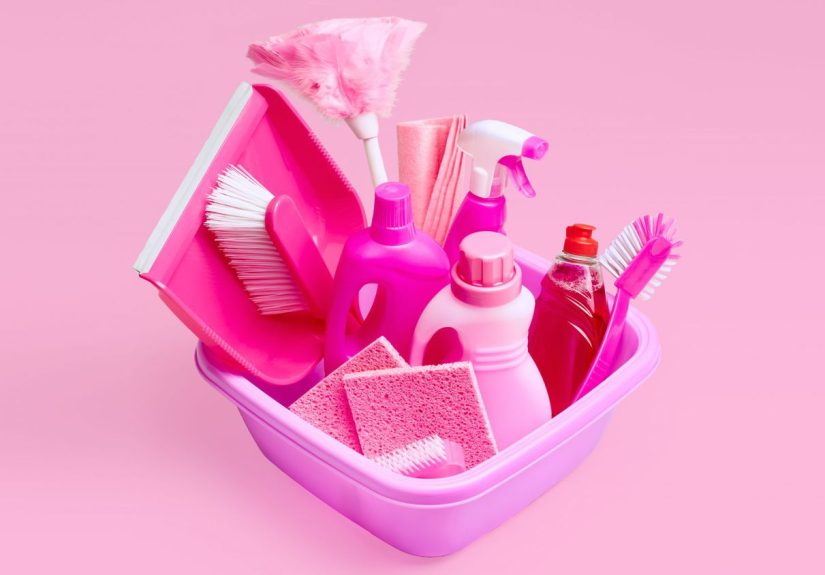
You don’t need 37 specialty sprays. You need a small set of tools that work in most roomsand a safe approach to using them.
- Microfiber cloths (separate ones for kitchen, bathroom, and dusting)
- All-purpose cleaner (or mild soap + water for many surfaces)
- Glass cleaner (or a streak-minimizing alternative for windows/mirrors)
- Scrub brush + old toothbrush for grout/edges
- Vacuum with attachments (crevice tool is the MVP)
- Mop and the right cleaner for your floor type
- Trash bags + donation box
- Gloves for tasks that involve grime or strong products
Safety tip you should actually follow
Read product labels and don’t mix chemicals “to make it stronger.” That’s how you accidentally create an at-home science project
you definitely didn’t sign up for. If you’re disinfecting, remember many disinfectants require a certain amount of “contact time”
on the surface to workwiping immediately can reduce effectiveness.
3) Declutter First (Cleaning Around Stuff Is Just Rearranging Your Problems)
The fastest way to make spring cleaning easier is to own less “surface clutter.” You don’t have to become a minimalist monk.
Just remove the things that make cleaning annoying.
The 3-bag method
- Trash: broken, expired, stained, missing pieces
- Donate/Sell: good condition, no longer used
- Relocate: belongs elsewhere (the “why is this in here?” pile)
Declutter hotspots to hit first
- Entryway: shoes, bags, mail stacks
- Kitchen counters: appliances you never use, random papers
- Bathroom drawers: half-used products and expired meds (dispose properly)
- Closets: the “maybe someday” section (your future self begs you to be honest)
4) Focus on High-Impact “Hidden Dirt” Zones
If you only do a few tasks, do the ones that change how your home feels: air, floors, fabric, and the spots you see in bright daylight.
Air and dust (the “why am I sneezing indoors?” category)
- Replace or clean HVAC filters (check monthly during heavy-use seasons; many households replace at least every 3 months).
- Vacuum vents/registers and wipe them down.
- Ceiling fans: pillowcase trickslide it over each blade to trap dust instead of launching it across the room.
- HEPA vacuum pass on rugs and upholstered furniture if allergies are a thing in your house.
Behind-and-under (where crumbs go to retire)
- Pull out the fridge (carefully) and vacuum dust around the back and underneath.
- Pull out the stove (if you can safely) and deal with the “lost pasta” situation.
- Vacuum under couch cushions and along baseboards with a crevice tool.
Windows and light switches (tiny effort, huge payoff)
Clean windows and mirrors on a bright day so you can actually see streaks. Then wipe switch plates and door handleshigh-touch spots
that get grimy fast and make rooms look dingy.
5) Room-by-Room Spring Cleaning Tips That Actually Work
Kitchen: de-grease, de-crumb, de-mystery-smell
- Fridge refresh: toss expired items, wipe shelves and drawers, and clean door seals.
- Oven and stovetop: tackle baked-on messes with the right product for your appliance; don’t forget knobs and burner grates.
- Microwave: steam-clean by microwaving a bowl of water, then wipe (the grime will surrender).
- Cabinet fronts: grease collects hereuse mild soap and a microfiber cloth; dry immediately.
- Pantry reality check: group like items, label bins if you’re fancy, and stop buying the same spice twice.
Bathrooms: defeat soap scum like it owes you money
- Shower doors and tile: use a dedicated cleaner for soap scum; a squeegee after showers reduces buildup long-term.
- Grout lines: spot-treat, scrub, rinse well, and ventilate.
- Toilet: clean the base and behind ityes, that’s where the dust goes.
- Exhaust fan: vacuum the vent cover; it helps airflow and reduces dust drifting back down.
Bedrooms: clean sleep is elite
- Wash bedding (including pillow protectors, comforters as needed).
- Mattress maintenance: vacuum, spot-clean stains, rotate if recommended.
- Nightstand reset: toss old receipts, relocate random items, wipe surfaces.
- Closet edit: create a “maybe” bin with a dateif you don’t touch it by the end of summer, donate it.
Living room: the “everyone sits here” deep clean
- Upholstery: vacuum cushions and under them; spot-clean per fabric instructions.
- Throw blankets & pillow covers: wash or freshen.
- TV and electronics: dust gently with a dry microfiber cloth; avoid spraying directly on screens.
- Rugs: vacuum both sides if possible; consider a deeper clean for high-traffic areas.
Laundry room: the sneaky safety zone
Spring cleaning is a perfect time for maintenance that protects your home. Dryer lint buildup is a known fire risk. Clean the lint
screen regularly and give attention to the area around/behind the dryer. Many safety guides also recommend checking and cleaning the
dryer vent system periodically (often annually, depending on setup and usage).
Entryway and hallways: stop dirt at the door
- Add a doormat strategy: one outside, one inside.
- Create a “drop zone” tray for keys/wallets so they don’t migrate across the house.
- Wipe walls and baseboards where hands and bags scuff paint.
6) Go Eco-Smarter, Not “DIY Everything Forever”
If you want to reduce harsh ingredients without sacrificing performance, look for trusted third-party or government-backed labels
for cleaning products. Also, the most eco-friendly step is often using less product: the right amount, the right tool, and
good ventilation.
Simple green-ish wins
- Use microfiber cloths to reduce paper towel waste.
- Choose products with safer-ingredient standards when possible.
- Ventilate: open windows when weather allows, run exhaust fans.
- Refill systems (if you’ll actually refill them, not store empties “for later”).
7) Don’t Forget “Spring Maintenance” (It Counts as Cleaning, Even If It’s Not Sparkly)
A clean home isn’t just shiny surfacesit’s also the stuff that keeps your house running safely and efficiently.
- Change HVAC filters and vacuum around vents/registers.
- Check smoke and carbon monoxide detectors (test and replace batteries as needed).
- Clean dryer lint areas and consider vent inspection/cleaning.
- Look for sneaky leaks under sinks and around toilets.
- Inspect window/door seals and replace worn weather stripping if drafts are obvious.
8) Make It Stick With One Daily Habit
The secret to staying “spring-clean fresh” isn’t cleaning harderit’s putting stuff away faster. The best habit is the simplest:
don’t put it down, put it away. When items have a home, mess doesn’t multiply.
Two-minute resets
Try a two-minute reset after dinner: clear counters, load the dishwasher, do a quick wipe, and reset the living room. It’s not a deep clean
it’s future-you protection.
9) Bonus: Digital Spring Cleaning (Because Your Phone Is Also a Junk Drawer)
Physical clutter has a cousin: digital clutter. A quick digital reset can make your devices faster, your accounts safer, and your brain quieter.
- Delete unused apps and cancel subscriptions you forgot existed.
- Update software on phones, laptops, routers, and smart devices.
- Password refresh: switch weak passwords to long passphrases and use a password manager if you can.
- Clean your photos: make an “Archive” album and delete duplicates/screenshots you’ll never need.
- Inbox sweep: unsubscribe from the newsletters you “mean to read” (you don’t).
Wrap-Up: The Goal Is a Home That Feels Lighter
The best spring cleaning checklist is the one you’ll actually do. Start small, hit the high-impact areas, and choose progress over perfection.
Even a few focused hours can make your home feel brighter, calmer, and more “ready for the season”without turning your weekend into a punishment.
Experiences Related to Spring Cleaning (The Real-Life Version)
The first time I tried “serious” spring cleaning, I did what many people do: I started with the easiest visible thing (wiping a counter),
then bounced around like a cleaning pinball. I cleaned the same countertop three times, organized a drawer no one opens, and somehow ended the day
with a damp rag in my hand and zero idea where I’d put my keys. The house looked… slightly improved. My energy, however, looked absolutely gone.
What changed everything was learning to chase impact, not just “busy.” One year, I focused on air and light first: ceiling fans,
windows, and that dusty film that shows up the second sunlight hits your living room at a dramatic angle. I vacuumed the vents, swapped the
HVAC filter, and wiped the fan blades using the pillowcase trick (highly recommendless dust confetti). The difference wasn’t subtle. The rooms
felt fresher, and it wasn’t because I’d polished every object; it was because I’d removed the invisible layer that makes a home feel stale.
Another year, the “aha” moment came from decluttering before cleaning. I used to treat clutter like sceneryjust part of the landscape.
But once I tried the 3-bag method (trash, donate, relocate), cleaning got easier immediately. Counters became wipeable. Floors became vacuumable.
The weird pile of mail stopped breeding in the corner like it had a secret mission. I also realized something mildly humiliating:
I was keeping items not because I needed them, but because I didn’t want to make a decision. Spring cleaning forced those decisionsand made the
home feel calmer afterward.
I’ve also learned the hard way that “disinfecting” isn’t the same as “cleaning,” and that instructions matter. One time, I sprayed a disinfectant,
wiped it off instantly, and congratulated myself like I’d cured all germs forever. Later, I read the label and discovered the product needed to sit
on the surface for a while to actually do its job. That was a humbling momentbut it also made me better. Now, if I’m disinfecting a high-touch spot,
I spray, let it dwell, and use that wait time to do something else productive (like wiping cabinet handles or cleaning the sink).
The most surprisingly satisfying experience? Cleaning behind and under appliances. It’s gross, yesbut it’s also the kind of “before and after” that
makes you feel like a powerful adult who has their life together. The first time I pulled out the fridge, I found dust, crumbs, and what I can only
describe as “ancient onion history.” I vacuumed it all up, wiped the floor, and suddenly the kitchen smelled cleanerlike I’d unlocked a secret level.
Same story with the couch cushions: I found enough loose change to feel like I’d been sponsored by my own furniture.
Finally, the habit that keeps spring cleaning from disappearing by May: a nightly two-minute reset. I used to think “maintenance cleaning” meant a
perfect home at all timesnope. It means preventing chaos from compounding. Two minutes to clear the coffee table, return stray items to their homes,
and wipe the kitchen counter keeps the house from needing a dramatic rescue mission every weekend. Spring cleaning becomes less of a once-a-year event
and more like a seasonal refreshexactly how it’s supposed to feel.