Table of Contents >> Show >> Hide
- What Is Traditional Lebanese Rice?
- Ingredients for Traditional Lebanese Rice
- Step-by-Step Traditional Lebanese Rice Recipe
- Tips for Perfect Lebanese Rice Every Time
- What to Serve with Traditional Lebanese Rice
- Variations on Lebanese Rice
- Storing and Reheating Lebanese Rice
- Real-Life Experiences with Traditional Lebanese Rice
- Conclusion
If you’ve ever sat down to a Lebanese meal and wondered why the “simple” rice
tastes better than half the things you cook on purpose… this recipe is your answer.
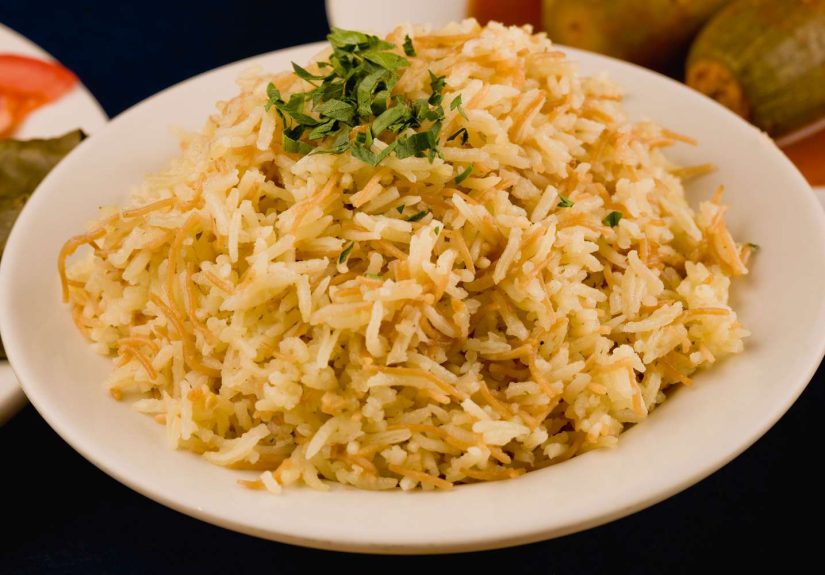
Traditional Lebanese rice with vermicelli (often called riz bi sha’riyeh)
looks humble, but it’s the quiet superstar of the Middle Eastern table: fluffy,
nutty, buttery, and basically impossible to stop eating.
The good news? This classic Lebanese rice recipe uses pantry ingredients,
just a few simple steps, and no fancy equipment. The “secret” is all in
the technique: rinsing the rice properly, toasting the vermicelli to a deep
golden color, and letting the rice steam so every grain cooks up tender and
separate. Think of it as the glow-up version of plain white rice.
What Is Traditional Lebanese Rice?
Traditional Lebanese rice is a type of rice pilaf made with:
- Long-grain white rice (usually basmati or jasmine)
- Thin vermicelli pasta, broken into small pieces
- Fat (olive oil, butter, ghee, or a combination)
- Water or broth and a generous pinch of salt
The method is what makes it special. First, the vermicelli is toasted in hot fat
until it turns a deep golden brown and smells nutty. Then the rice is added and
coated in the fat before water or broth goes in and everything simmers together.
The result is a bowl of rice that’s lightly chewy from the pasta, fluffy from the
long-grain rice, and deeply savory from the toasting and fat.
In many Lebanese households, this isn’t just a “side dish,” it’s the
default carb served with grilled meats, stews, roasted vegetables,
and even holiday feasts. It’s that reliable friend who goes with everyone and
starts no drama.
Ingredients for Traditional Lebanese Rice
Core Ingredients
For about 4–6 servings, you’ll need:
-
2 cups long-grain white rice (basmati or jasmine work best;
avoid short-grain, which is more sticky) -
1/2 cup vermicelli pasta, broken into 1–2 inch pieces
(you can also break thin spaghetti or angel hair if that’s what you have) -
2–3 tablespoons fat:
ghee, butter, olive oil, or a mix (a butter–olive oil combo is classic) -
3 to 3 1/2 cups water or broth (chicken or vegetable broth
for extra flavor) - 1–1 1/4 teaspoons salt, or to taste
Optional Flavor Boosters & Toppings
- A pinch of ground cinnamon or allspice in the pot
- Fresh chopped parsley for garnish
- Toasted sliced almonds or pine nuts
- A small bay leaf while simmering (remove before serving)
- A drizzle of extra olive oil or melted ghee at the end for shine
Tools You’ll Need
- A medium heavy-bottomed pot with a tight-fitting lid
- A fine-mesh strainer for rinsing the rice
- A wooden spoon or heat-safe spatula
- A fork for fluffing (and tasting “for quality control”)
Step-by-Step Traditional Lebanese Rice Recipe
Step 1: Rinse and Soak the Rice
This is not the step to skip. Long-grain rice is coated in surface starch that
can make it gummy.
-
Place the rice in a bowl and cover with cold water. Swirl with your hand until
the water turns cloudy. - Drain through a fine-mesh strainer.
-
Repeat 3–4 times until the water is mostly clear. This removes excess starch
and helps the rice cook up fluffy and separate. -
Optional but helpful: soak the rinsed rice in fresh cold water for
15–20 minutes, then drain well. If you soak, you can lean toward the lower
end of the water range (around 3 cups for 2 cups rice).
Step 2: Toast the Vermicelli
This is the heart of traditional Lebanese rice. The vermicelli should be deeply
golden, not pale, but it goes from perfect to burnt really fast, so don’t walk away.
-
Set your pot over medium heat and add your chosen fat (ghee, butter, oil, or a mix).
Let it fully melt and heat up. -
Add the broken vermicelli and stir constantly. At first, it will look pale;
then it will quickly start turning golden. -
Keep stirring until most strands are a deep golden brown and smell nutty.
If some pieces get too dark or black, it’s better to start over burnt
vermicelli will make the whole pot taste bitter.
Step 3: Coat the Rice
Think of this like gently frying the rice. It helps the grains stay separate
and adds another layer of flavor.
-
Add the well-drained rice to the pot with the toasted vermicelli.
Stir for 1–2 minutes so every grain is coated in fat. -
Season with salt and (if using) a small pinch of cinnamon or allspice.
Keep stirring to prevent sticking.
Step 4: Add Liquid and Simmer
-
Pour in 3 to 3 1/2 cups of hot water or broth. The liquid should sit
roughly 1/2–3/4 inch above the rice line. -
Give everything a gentle stir once, then bring the pot up to a full boil
over medium-high heat. -
Once it boils, reduce the heat to low so it’s just gently simmering.
Cover with a tight lid and cook undisturbed for 13–15 minutes.
Step 5: Steam and Fluff
-
After 13–15 minutes, turn off the heat. Do not open the lid yet.
Let the rice sit, covered, for another 10 minutes to steam. -
Now lift the lid and fluff the rice gently with a fork.
You should see separate grains with golden vermicelli scattered throughout. - Taste for salt. If you like, drizzle with a bit more melted butter or olive oil.
Transfer to a serving platter, top with toasted nuts and parsley, and prepare
yourself for people to ask, “Wait, you made this rice?”
Tips for Perfect Lebanese Rice Every Time
1. Choose the Right Rice
Long-grain white rice is key. Basmati gives a light, fluffy, aromatic result,
while jasmine is slightly softer and fragrant. Avoid short-grain or sushi rice;
they’re meant to be sticky, not fluffy.
2. Rinse Like You Mean It
Rinsing until the water runs mostly clear isn’t a suggestion, it’s the rule.
This simple step removes surface starch, reduces gumminess, and helps the grains
cook up separate instead of clumping together.
3. Nail the Vermicelli Color
You’re aiming for deep golden brown darker than “lightly toasted”,
lighter than “uh-oh it’s burnt.” The darker color gives that roasted,
nutty flavor that makes Lebanese rice taste like it came from a restaurant.
4. Don’t Lift the Lid
Once the lid goes on and the heat is low, hands off. Lifting the lid releases
steam and can mess up the cooking time, leaving you with undercooked or uneven rice.
Think of it as a tiny sauna; you don’t open the door every 30 seconds to “check” the steam.
5. Let It Rest
That 10-minute resting time after cooking allows the steam to redistribute.
This is the difference between “pretty good rice” and
“why is this so perfectly fluffy?” rice.
6. Adjust Water for Your Rice Brand
Different brands and varieties of rice can behave slightly differently.
If your rice comes out a bit firm, add just a touch more water next time.
If it’s too soft, reduce the liquid slightly. After one or two tries,
you’ll know your perfect ratio.
What to Serve with Traditional Lebanese Rice
Lebanese rice with vermicelli is incredibly versatile. Try serving it with:
-
Grilled meats: chicken shawarma-style thighs, lamb chops,
beef skewers, or kofta. -
Stews: Lebanese green bean stew, okra stew, or tomato-based
beef stews spooned over a bed of rice. -
Roasted vegetables: cauliflower, eggplant, carrots,
and peppers turn this into a hearty vegetarian plate. -
Yogurt and salad: a simple bowl of plain yogurt, plus a crisp
salad like fattoush or cucumber-tomato salad, creates a light but satisfying meal.
It also works beautifully as a base for leftover chicken, meatballs, or roasted
veggies. When in doubt, put it on Lebanese rice and suddenly it feels like dinner.
Variations on Lebanese Rice
Using Broth Instead of Water
For a richer, more savory flavor, use chicken or vegetable broth in place of
water. Just watch the salt level; most broths are already seasoned, so you may
need less salt than you would with plain water.
Vegan or Dairy-Free Version
Use olive oil or a neutral oil for toasting the vermicelli and coating the rice.
You’ll still get great flavor from the toasting process, and you can garnish
with toasted nuts and herbs for extra richness.
Extra-Buttery “Company” Version
When you’re cooking for guests, go half-and-half butter (or ghee) and olive oil,
then add an extra tablespoon of melted butter at the end before serving.
It’s not diet food. It is “everyone asks for seconds” food.
Brown Rice Twist
You can make a version with brown basmati rice; just be aware that:
- The texture will be chewier and heartier.
- Cook time is longer (usually 35–45 minutes).
- You’ll need more water (typically about 2 cups water per cup of brown rice).
Storing and Reheating Lebanese Rice
Lebanese rice reheats surprisingly well, which is great because you’ll probably
make extra “just in case.”
-
Fridge:
Cool completely, then store in an airtight container for up to 4 days. -
Freezer:
Portion into freezer-safe bags or containers and freeze for up to 2 months.
Thaw overnight in the fridge before reheating. -
Reheat on the stove:
Add a splash of water or broth, cover, and warm over low heat,
stirring occasionally until heated through. -
Reheat in the microwave:
Sprinkle a little water over the rice, cover loosely, and heat in 30–40 second
bursts, fluffing in between.
If the rice feels a bit dry after chilling, that little splash of water or
broth plus a tiny dot of butter or oil works magic.
Real-Life Experiences with Traditional Lebanese Rice
Traditional Lebanese rice isn’t just a recipe; it has a whole personality in
the kitchen. Talk to anyone who grew up with it and they’ll have at least one
of these stories:
The “Burned Vermicelli” Lesson
Almost everyone has that first time when they’re feeling confident,
throw the vermicelli into the pot, then check their phone “for just a second.”
By the time they turn back, the pasta has gone from golden to dark brown to
“we need to open all the windows.” The result? A bitter flavor that no amount
of salt or broth can fix.
The experience teaches you two things:
- Toasting vermicelli requires your full attention for just a few minutes.
- It’s okay to start over. Every great cook has thrown out a pot of rice.
The “Why Is Yours Better Than Mine?” Moment
A pretty common scene: you serve this traditional Lebanese rice to friends,
and someone who makes rice regularly at home looks suspicious. “It’s just rice
and pasta, right? Why does yours taste like this?”
The answer is usually:
- You rinsed the rice properly.
- You toasted the vermicelli dark enough.
- You let the rice steam and rest instead of poking it every two minutes.
Once people see how simple the technique really is, they often adopt this as
their new “house rice.” And honestly, that’s one of the nicest compliments a
recipe can get.
Lebanese Rice in Family Gatherings
At big family meals, there are usually multiple main dishes, salads, dips,
and desserts. Yet the Lebanese rice bowl always seems to empty first.
People spoon stew over it, pile grilled meat next to it, mix it with yogurt,
and sometimes quietly go back for “just a little more rice” even after
claiming they’re full.
For the cook, it’s a stress-reliever: once you know this traditional rice recipe,
you always have a reliable base ready to turn anything into a meal. Got leftover
roast chicken? Add it to Lebanese rice. Random roasted veggies in the fridge?
Put them on Lebanese rice. A big pot of lentils or chickpeas? You guessed it:
serve them over Lebanese rice.
Making the Recipe Your Own
Over time, most cooks develop their own signature twist:
- Some always use ghee for a rich, almost nutty aroma.
- Some add a discreet pinch of warm spices like cinnamon or allspice.
- Some top it with lots of toasted nuts for crunch and visual drama.
- Some keep it ultra-simple just rice, vermicelli, oil, and salt and let the main dish take the spotlight.
The beauty of this traditional Lebanese rice recipe is that the base stays the
same while the details flex to your taste, your pantry, and your mood.
Once you feel comfortable with the technique, you won’t even need to look at
a recipe card; your hands will simply know what to do.
Whether you’re cooking a big Middle Eastern feast or just trying to upgrade
your everyday side dishes, this traditional Lebanese rice with vermicelli
is the kind of recipe that quietly becomes a staple. One pot, simple ingredients,
and a whole lot of flavor that’s the kind of kitchen math we love.
Conclusion
Traditional Lebanese rice may look simple, but it delivers big flavor with a
short ingredient list and smart technique. Rinse the rice, toast the vermicelli,
respect the simmer, let it steam, and you’ll have a fluffy, nutty, crowd-pleasing
side dish that goes with almost everything on your table.