Table of Contents >> Show >> Hide
Some gardens are tidy. Some are wild. And then there is the sweet spot that Gardenista-style landscaping loves most: a space that feels intentional without looking bossy about it. A creative landscape is not just a yard full of pretty plants or a patio with a chair that cost more than your first laptop. It is a layered outdoor space where structure and softness shake hands, native plants mingle with classics, and every path, border, pot, and bench seems to have shown up for a reason.
That, in many ways, is why this look keeps trending. Homeowners want landscapes that do more than sit there and behave like decorative wallpaper. They want gardens that support pollinators, use water wisely, create mood, add curb appeal, grow herbs, soften architecture, and occasionally make neighbors slow down just enough to feel a tiny sting of envy. A creative landscape does all of that. It is practical, but it never feels dull. It is stylish, but it does not scream for attention like a peacock in patio furniture form.
At its best, this approach combines the classic Gardenista sensibilityclean lines, honest materials, restrained palettes, and natural texturewith a newer emphasis on ecology, seasonality, and lived-in beauty. Think gravel paths softened by grasses, raised beds that look like design features rather than vegetable prisons, pollinator-friendly perennials doing the heavy lifting, and outdoor rooms that feel as welcoming as the house itself.
What Makes a Landscape Feel “Gardenista”?
The Gardenista aesthetic has always had a sharp eye for contrast. It likes rough wood against refined stone, clipped structure beside unruly bloom, and minimal hardscape warmed by generous planting. In other words, it understands the oldest design trick in the book: opposites make each other look better. A gravel walk looks more elegant when plants spill slightly over the edges. A simple bench feels more luxurious when it sits inside a cloud of scented herbs and grasses. A plain front door suddenly looks heroic when the landscape around it gives it a proper stage.
This is why the phrase creative landscape works so well. Creativity here is not about doing strange things just to be different. No one needs a flamingo-shaped hedge maze unless they are living in a Wes Anderson fever dream. Instead, creativity comes from thoughtful composition. It is the ability to make a small front yard feel like an experience. It is using a humble material such as gravel, weathered steel, terracotta, or reclaimed timber in a way that feels crisp and modern. It is arranging plants by shape, movement, and season rather than buying whatever looked cheerful at the nursery checkout line.
The result is a garden that feels both edited and alive. It has rhythm. It has contrast. It has places where the eye can rest and places where it can wander. Most importantly, it feels personal without being chaotic.
The Design Moves That Define a Creative Landscape
1. Naturalistic Planting With a Loose, Relaxed Spirit
One of the strongest ideas shaping modern landscape design is the move toward naturalistic planting. That does not mean neglect. It means plants are arranged to echo nature rather than a marching band. Perennials, grasses, flowering shrubs, and self-seeding annuals are grouped in drifts and layers, with an emphasis on texture, movement, and season-long interest.
This approach feels fresh because it replaces stiff, overmanaged beds with something more generous. Coneflowers, salvias, milkweed, yarrow, rudbeckia, nepeta, ornamental grasses, and regional natives can create a planting scheme that looks abundant but still reads as composed. The trick is repetition. A creative landscape may look effortless, but it quietly repeats certain forms, colors, and plants so the eye understands the pattern. That “effortless” feeling, as usual, is doing a lot of unpaid labor.
2. Pollinator-Friendly Planting That Also Looks Beautiful
For years, people acted as if ecological gardening and beautiful gardening lived in separate ZIP codes. Not anymore. A creative landscape now makes room for bees, butterflies, hummingbirds, and beneficial insects without sacrificing style. In fact, pollinator planting often improves style because it encourages diversity, longer bloom periods, and a richer visual experience.
The best version of this strategy mixes native plants with region-appropriate ornamentals, chooses flowers that bloom from early spring through fall, and includes trees, shrubs, and grasses along with perennials. That creates a garden that works harder across seasons. It also creates movement and life. A landscape feels different when it hums, flutters, and shifts in the breeze. Static beauty is nice. Living beauty is better.
3. Raised Beds That Pull Double Duty
Raised beds are no longer the awkward cousins of ornamental landscaping. In a creative landscape, they become part of the visual architecture. Cedar, black locust, corten steel, brick, or painted wood can define space, create order, and make edible gardening look polished rather than improvised.
What matters is how they are arranged. Symmetry can feel formal and elegant. Offset groupings can feel looser and more contemporary. Paths between beds should be wide enough to move through comfortably, and the beds themselves should be softened with surrounding perennials, herbs, or low flowering borders. When vegetables, flowers, and herbs mingle in a thoughtful palette, the whole garden starts to feel like a landscape painting that also happens to produce dinner.
4. Gravel, Stone, and Honest Materials
Creative landscapes often rely on materials that age well and ask for relatively little fuss. Gravel, decomposed granite, stone pavers, old brick, weathered wood, galvanized steel, and terracotta all fit the bill. They look good in every season, pair well with both traditional and modern architecture, and provide the kind of textural contrast that makes planting look even better.
Gravel, in particular, has become a star player. It can function as path, mulch, visual relief, and practical drainage aid all at once. In dry gardens, it also complements drought-tolerant planting beautifully. A gravel path through airy grasses and low-water perennials has a relaxed elegance that concrete alone rarely achieves. It says, “Yes, I care about design,” without adding, “and I would like to spend every Saturday pressure washing things.”
5. Outdoor Rooms, Not Just Outdoor Stuff
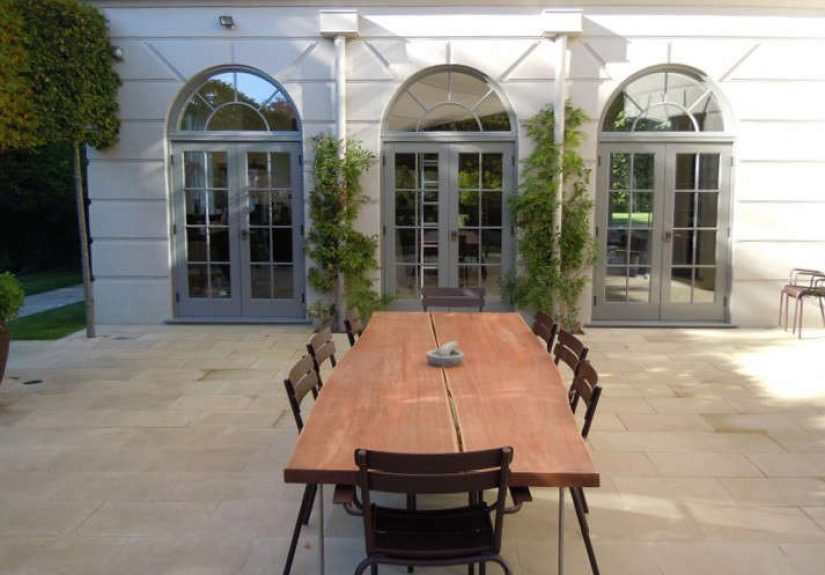
One classic mistake is treating the landscape like a collection of disconnected objects: here is a chair, there is a pot, somewhere off to the side is a grill that has seen things. A creative landscape works better when it creates outdoor rooms. That can mean a dining terrace tucked into planting, a bench at the end of a path, a small gravel court with containers, or a shady reading corner framed by tall grasses and shrubs.
Defining these spaces with hedges, low walls, planters, pergolas, changes in paving, or even a shift in plant height makes the garden feel larger and more intentional. The best landscapes guide you from one mood to another: arrival, pause, gather, wander, exhale.
6. Lighting That Does More Than Keep You From Tripping
Good landscape lighting is one of those details people ignore until the first evening they walk outside and think, “Oh. This is lovely.” Path lights, wall lights, stair lights, and low accent lighting extend the life of the garden beyond sunset. They add safety, highlight planting, define circulation, and create atmosphere.
In a Gardenista-inspired landscape, lighting tends to be subtle. It is not trying to turn the backyard into a sports stadium. It is trying to create pools of warm light, reveal texture, and let the garden feel mysterious in the best possible way.
How to Build This Look at Home
You do not need a huge property or a celebrity landscape architect to create a creative landscape. What you need is a plan with a clear point of view. Start by choosing a color story. Maybe your garden leans silver, green, white, and lavender for a calm effect. Maybe it mixes dusky pinks, rusty oranges, and dark foliage for a richer mood. A limited palette helps everything feel intentional, even when the planting is lush.
Next, map the bones of the space. Where do people walk? Where do they sit? What deserves emphasis? This is where paths, edges, raised beds, steps, gravel courts, and terraces come in. Hardscape is not the flashy part, but it is what gives the garden coherence. Then layer in plants by height, bloom time, and ecological value. Use trees or tall shrubs for structure, mid-height perennials for body, low edging plants for softness, and grasses for movement.
Preserve mature trees whenever possible. They instantly make a landscape feel established, and they provide shade, habitat, and a sense of permanence that no newly planted sapling can fake. Add containers near entries or seating areas for punctuation and seasonality. And resist the temptation to fill every square inch with visual noise. A quiet area of gravel, a simple bench, or a clean stretch of paving gives the lush parts of the landscape room to shine.
Plant Ideas for a Creative Landscape
The exact palette should depend on region, sun exposure, and water availability, but the general principle stays the same: mix structure with softness, and beauty with ecological purpose. Good candidates include salvia, echinacea, nepeta, agastache, allium, penstemon, yarrow, asters, milkweed, gaura, and ornamental grasses such as blue grama or feather reed grass. For shrubs, hydrangea, viburnum, serviceberry, rosemary, boxwood, native hollies, and drought-tolerant species can all play strong roles depending on climate.
Climbers are useful too. Clematis, climbing roses, jasmine, or native vines can turn a fence or wall into part of the composition. Edibles belong here as well. Raised beds filled with kale, basil, fennel, nasturtiums, lettuce, and dahlias can look positively cinematic when paired with the right color palette. The old division between ornamental and edible gardening is fading, and frankly, it had a good run. We thank it for its service.
Common Mistakes to Avoid
The first mistake is confusing abundance with clutter. A creative landscape should feel layered, not chaotic. Repetition, edited color, and clear circulation keep things under control. The second mistake is choosing plants based only on appearance without considering climate, mature size, or maintenance. A garden that looks amazing for six weeks and miserable for the rest of the year is not a triumph. It is a seasonal prank.
Another mistake is neglecting transitions. Paths should lead somewhere. Seating should feel framed. Beds should meet paving with intention, not awkwardness. And finally, do not ignore maintenance style. If you want a relaxed, naturalistic garden, design for it from the start with the right plant density, mulch strategy, irrigation, and access. Good design is not just about how a landscape looks on installation day. It is about how it behaves six months later when weather, weeds, and real life have entered the chat.
Why This Trend Has Staying Power
What makes this style so compelling is that it is not a gimmick. It responds to how people want to live now. We want gardens that feel restorative. We want landscapes that support wildlife. We want front yards with curb appeal and backyards that function like outdoor living rooms. We want less wasteful water use, more regional planting, and materials that get better with age. We also want spaces that feel beautiful in a way that is calm, smart, and a little bit romantic.
That is why the creative landscape is more than a passing look. It is a framework. It gives homeowners permission to mix elegance with ecology, utility with softness, and restraint with abundance. It asks the landscape to be useful, but never boring. And that may be the most Gardenista idea of all.
Experience: Living Inside a Creative Landscape
What people rarely say out loud about great garden design is that the real magic does not happen the day the last plant goes in. It happens later, in the small ordinary moments. It happens when you step outside with coffee and notice that the gravel path sounds different after rain. It happens when a patch of salvia has suddenly become the neighborhood lunch counter for bees. It happens when late afternoon light hits the stems of grasses and turns a practical side yard into something that feels suspiciously poetic.
A creative landscape changes the way a person moves through home life. The front yard becomes more than the place you rush across while carrying groceries and wondering why one bag always contains the heaviest possible jar. It becomes a transition zone. A bold door framed by layered planting feels welcoming before the key even reaches the lock. A bench near the entry makes the house seem generous. A simple pot of herbs softens the line between architecture and garden. The entire place begins to feel less like a property and more like a setting.
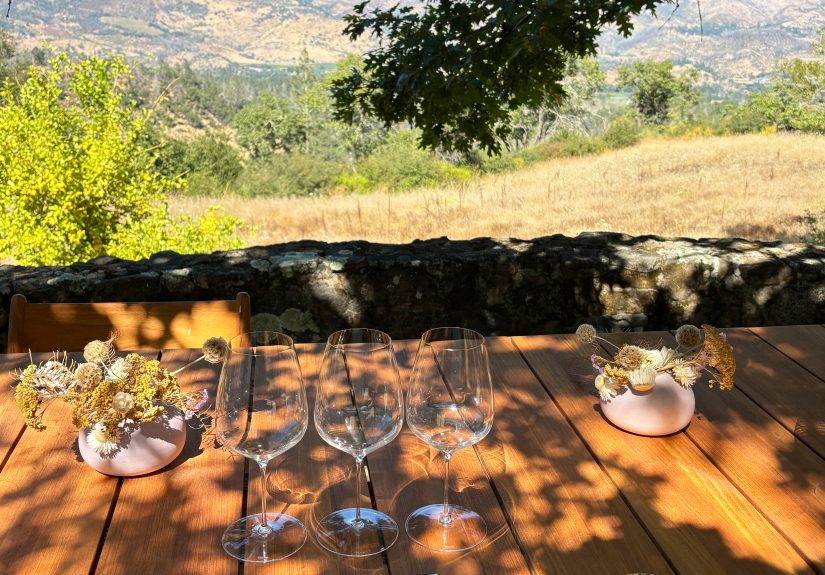
In the backyard, the experience becomes even richer. A dining table tucked near scented planting does not just look good in photos; it makes Tuesday dinner outside feel like a decision made by a person with their life together. A gravel court under string lights can turn a basic evening into an event. Raised beds add a sense of purpose because the landscape is no longer only decorative. It produces basil, tomatoes, fennel fronds, maybe a few zinnias you cut and pretend you always meant to arrange. There is something deeply satisfying about a garden that offers both beauty and ingredients.
Perhaps the most meaningful part of the experience is how a well-designed landscape teaches patience. In a creative garden, not everything peaks at once. Spring bulbs hand things off to early perennials. Summer flowers carry the show. Seed heads, grasses, bark, and structure take over later. You start noticing rhythm instead of chasing perfection. You realize that one slightly messy corner can make the clipped hedge look sharper. You realize that wildlife is not ruining the garden; it is proving the garden works.
There is also a sensory richness that photos never fully capture. The smell of warm rosemary by a path. The brushing sound of grasses at ankle height. The coolness under a mature tree on a brutally hot day. The tiny satisfaction of pathway lights clicking on at dusk and making the whole place feel held together. These are not flashy experiences, but they are memorable. They turn landscaping from a home improvement project into a daily quality-of-life upgrade.
And then there is the emotional effect. A creative landscape often makes people feel more observant. They notice first bloom, first frost, seed heads, shadows, pollinators, fallen petals, the exact color shift in leaves that seemed green yesterday and bronze today. The garden becomes a calendar, a refuge, and a little design lesson all at once. It reminds you that beauty is not only something polished and controlled. Sometimes beauty is a gravel edge softened by thyme, a self-seeded flower in the right place, or a quiet corner that finally feels complete after months of waiting.
That is why this style resonates so strongly. It does not ask a landscape to look perfect every second. It asks the space to feel alive, useful, and deeply considered. In return, the garden gives something back every day: mood, texture, movement, shade, fragrance, food, habitat, and the occasional small miracle. Not bad for a patch of earth and a few well-placed plants.
Conclusion
Trending on Gardenista: A Creative Landscape is really a story about balance. The most compelling gardens today are not rigid showpieces and they are not unmanaged tangles. They are composed, ecological, welcoming spaces that use natural materials, layered planting, outdoor-room thinking, and a clear design point of view to create beauty with purpose. Whether you start with one gravel path, a cluster of native perennials, a better-lit entry, or a raised bed that finally looks as good as it grows, the goal is the same: build a landscape that feels alive, personal, and worth lingering in.