Table of Contents >> Show >> Hide
- Why Small Space Living Is Trending (And Why It’s Not Just About Rent)
- The 9 Trends Showing Up Everywhere in Small Space Living
- 1) Vertical thinking (aka “Look upthere’s free real estate”)
- 2) “Double-duty” furniture that earns its keep
- 3) Micro-zones (your home isn’t smallit’s just multitasking)
- 4) Slim profiles and “less bulky” visuals
- 5) Containers that stack, nest, collapse, or pull out
- 6) Clear or “lightweight-looking” materials
- 7) Renter-friendly upgrades (no drills, no drama)
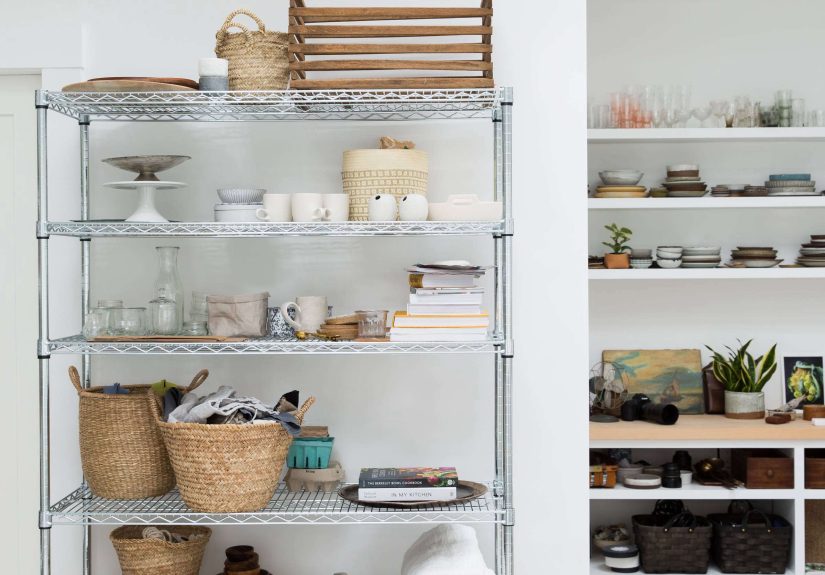
- 8) “Hidden in plain sight” storage that looks like decor
- 9) The bench-shelf moment
- The Organized Home Method for Small Spaces
- Room-by-Room: Small Space Living Moves That Actually Work
- Entryway & Hallway (even if you only have 18 inches)
- Living Room (where everything wants to live)
- Kitchen (the land of “why do I own three spatulas?”)
- Bedroom (calm sleep, not clutter storage)
- Closet (small, but mighty if you treat it like a system)
- Bathroom (tiny room, big clutter potential)
- Home Office (yes, you can have one)
- When Built-Ins Make Sense (And When They Don’t)
- Maintenance Habits That Keep a Small Home Peaceful
- Common Small-Space Mistakes (So You Can Skip the Part Where You Get Mad at a Drawer)
- Real-Life Experiences: What Small Space Living Teaches You (500+ Words)
- Conclusion
Small-space living used to sound like a compromise. Now it’s practically a lifestyle flex: fewer square feet, more intention, and a home that doesn’t look like it’s auditioning for a “before” photo. The real trend isn’t “tiny.” It’s organizeda space that works hard, feels calm, and doesn’t make you rage-sigh every time you open a cabinet.
In 2026, small space living is less about cramming your life into a shoebox and more about designing your home like a well-edited playlist: only the good stuff stays, everything has a spot, and the vibe is clean enough to breathe.
Why Small Space Living Is Trending (And Why It’s Not Just About Rent)
Yes, housing costs and downsizing are part of the story. But the bigger shift is this: people want homes that are easier to maintain, easier to clean, and easier to live in. A smaller footprint can mean less clutter to manage, fewer “stuff piles” to shuffle, and more focus on what actually makes daily life smootherlike knowing where the scissors are every single time.
Small spaces also expose bad habits fast. If you’re a “set it down for a second” person, a studio apartment will humble you by lunchtime. The upside? Once you build simple systems, the whole home feels lighterbecause it is.
The 9 Trends Showing Up Everywhere in Small Space Living
1) Vertical thinking (aka “Look upthere’s free real estate”)
The hottest square footage in your home is above eye level. Walls, backs of doors, the space over the toilet, and the top third of closets are where small-space wins happen. Floating shelves, rails with hooks, pegboards, and tall storage units create capacity without stealing floor space.
2) “Double-duty” furniture that earns its keep
If a piece of furniture can’t do at least two jobs, it may be freeloading. Think storage ottomans, lift-top coffee tables, benches with hidden storage, beds with drawers, and fold-down desks. These pieces reduce clutter by turning “dead zones” into organized zones.
3) Micro-zones (your home isn’t smallit’s just multitasking)
The trend is to carve out tiny, purposeful zones: a one-wall “cloffice,” a coffee station on a rolling cart, a mini entryway command center by the door, a bedside charging nook that prevents the dreaded cord spaghetti.
4) Slim profiles and “less bulky” visuals
Small spaces feel bigger when bulky items get replaced with slim ones: slim hangers, narrow shelving, compact organizers, and furniture with legs (so you can see more floor). The goal is more function with less visual weight.
5) Containers that stack, nest, collapse, or pull out
In 2026, storage isn’t just “a bin.” It’s a bin that stacks, a basket that collapses, a drawer organizer that layers, a pull-out system that prevents you from losing items in the back like they fell into a kitchen Bermuda Triangle.
6) Clear or “lightweight-looking” materials
Acrylic, glass, and clear organizers are popular because they don’t visually crowd the spaceand you can find what you need without excavating. Clear shelf dividers, clear bins, and transparent containers keep everything tidy without making a closet feel like a storage unit.
7) Renter-friendly upgrades (no drills, no drama)
Over-the-door organizers, removable hooks, tension rods, rolling carts, and freestanding shelves are trending because renters want systems that move with themand don’t cost a security deposit.
8) “Hidden in plain sight” storage that looks like decor
Storage is getting prettier: baskets that match your style, benches that look custom, shelves that display favorite pieces while storing everyday items. When storage doubles as styling, you stop hiding everythingand start maintaining it.
9) The bench-shelf moment
A long, low shelf installed around seat height has become a clever trend because it adds display space and casual seating while keeping the floor visible. It’s part shelf, part perch, part “why didn’t I do this sooner?”
The Organized Home Method for Small Spaces
Trends are fun. Systems are what keep your home from relapsing into chaos. Here’s a practical framework you can apply to any small spacewithout buying a dozen matching containers you’ll later store in… another container.
Step 1: Edit first, organize second
Organizing clutter just turns your home into a well-labeled mess. Start by removing what you don’t use, don’t love, or don’t have room to maintain. In small spaces, your storage capacity is a hard boundarynot a personal challenge.
- Fast test: If you wouldn’t pack it to move tomorrow, consider letting it go.
- Small win: Start with one drawer, not the whole apartment.
Step 2: Create zones based on real behavior
The best organization matches how you naturally live. If your keys always land on the same corner of the counter, that’s not “bad habit”that’s your brain begging for a key tray and a hook.
- Place storage where the item is used, not where it “should” go in a perfect house fantasy.
- Group by task (coffee, cooking, grooming, work) rather than by category alone.
Step 3: Lift, layer, and pull out
In cabinets and closets, you want vertical layers (shelf extenders, stackable bins, risers) and pull-out access (baskets, drawers, sliding bins). The goal: no dark back corners where items vanish forever.
Step 4: Make “resetting” ridiculously easy
A small space stays organized when cleanup takes minutes, not an emotional support podcast. Use open-top bins for everyday items, keep donation bags handy, and limit the number of steps between “I’m done using this” and “It’s put away.”
Room-by-Room: Small Space Living Moves That Actually Work
Entryway & Hallway (even if you only have 18 inches)
- Go vertical: Wall hooks for bags, coats, and hats prevent “chair piles.”
- Shoe containment: A slim shoe cabinet or rack reduces floor clutter fast.
- Mirror + storage: A large mirror makes the area feel bigger; hidden hooks behind it can stash small items.
- Drop zone rule: One tray or bowl. If it overflows, it’s time to edit.
Living Room (where everything wants to live)
- Storage seating: Ottomans or benches that open up for blankets and games.
- Use shelves like boundaries: A bookcase can act as a room divider while adding storage.
- The bench-shelf trend: Add a low shelf to display items and create extra seating without crowding the floor.
- Remote-control containment: One lidded box or tray = instant visual calm.
Kitchen (the land of “why do I own three spatulas?”)
- Wall-mounted racks: Hang pots, pans, or frequently used tools to free up cabinets.
- Drawer dividers: Small kitchens thrive on strict drawer organizationevery inch matters.
- Rolling cart as extra counter space: A compact cart can become prep space, coffee station, pantry overflow, or appliance parking.
- Temporary workspace hacks: Even a pulled-out drawer with a towel can act as a light-duty landing spot when counters are packed.
- Shelf extenders: Add layers inside cabinets so stacks don’t become chaos towers.
Bedroom (calm sleep, not clutter storage)
- Under-bed storagestrategically: Best for linens, off-season clothing, and soft goods. Avoid heavy paperwork that makes the space feel “busy.”
- Floating nightstands: Free floor space and add a cleaner look.
- Wall shelves above “dead zones”: Over the headboard, above a desk, or over a dresserprime storage territory.
- Closet doors matter: Over-the-door organizers turn doors into storage surfaces.
Closet (small, but mighty if you treat it like a system)
- Switch to slim hangers: They save space and create a more uniform, less chaotic look.
- Use clear shelf dividers: They stop stacks from collapsing into a sweater avalanche.
- Bins for cubbies: If shelves are deep, bins prevent items from falling into the back and becoming “lost inventory.”
- Double-hang if possible: Add a second rod to maximize hanging capacity for shorter items.
- Keep a donation bag: When something doesn’t fit, flatter, or get wornstraight into the bag.
Bathroom (tiny room, big clutter potential)
- Clear shelving: Glass/acrylic shelves add storage without making the space feel heavy.
- Under-sink bins: Group by category (hair, skincare, first aid) so you can grab and go.
- “One in, one out” rule: Especially for products. Your bathroom is not a museum of half-used lotions.
Home Office (yes, you can have one)
- Wall-mounted desk or fold-down option: Great for small apartments and multipurpose rooms.
- Vertical supplies station: A pegboard or wall rail keeps tools off the desk surface.
- Close it up: If possible, use cabinets, boxes, or a screen to hide work clutter after hoursinstant mental reset.
When Built-Ins Make Sense (And When They Don’t)
Built-ins are trending for people who own their space (or plan to stay put) because they turn “dead zones” into storage: under-stair shelves, alcove cabinets, fireplace flanking bookcases, and custom nooks.
But built-ins aren’t mandatory for organized small-space living. If you rentor you move oftenfocus on removable systems: tall freestanding shelves, rolling units, and modular bins that adapt to awkward gaps.
Maintenance Habits That Keep a Small Home Peaceful
- The 10-minute nightly reset: Dishes, trash, counter sweep, quick floor pickup. Tiny effort, huge payoff.
- Weekly “surface audit”: If surfaces are covered, storage is either missingor you’re storing too much.
- Seasonal swaps: Rotate clothing and gear so only what you need is accessible.
- Label what matters: Labels aren’t just cute; they prevent the “where does this go?” question that creates clutter.
Common Small-Space Mistakes (So You Can Skip the Part Where You Get Mad at a Drawer)
- Buying containers before decluttering: This is how you end up storing clutter more beautifully.
- Ignoring access: If it’s hard to reach, you won’t maintain itno matter how gorgeous it looks on Day 1.
- Overstuffing open shelves: Open storage only looks good when it’s curated. Otherwise, it becomes visual noise.
- No “landing zone” near the door: Without one, your whole home becomes the landing zone.
Real-Life Experiences: What Small Space Living Teaches You (500+ Words)
Ask anyone who has lived in a small apartment, a tiny home, or a downsized rental, and you’ll hear a similar theme: small spaces don’t forgive “I’ll deal with it later.” They don’t have the square footage to hide it. That sounds harshuntil you realize it’s also the secret superpower of small-space living: it forces clarity.
One common experience starts with a move. A person steps into a bright, modern placemaybe around 500 square feetand immediately feels the excitement of a fresh start… followed by the realization that their old furniture and old habits won’t fit. That’s where the first big lesson shows up: downsizing is a decision, not just a measurement. People often report making tough choiceskeeping the pieces that truly function, letting go of the “someday” items, and learning that the best storage solution is sometimes simply owning less.
The second experience is the “kitchen moment.” In a small kitchen, counter space disappears exactly when dinner gets real. That’s why so many small-space dwellers become obsessed with extra landing spots: a rolling cart that can slide where it’s needed, a wall rack that frees a cabinet, or even a temporary trick like creating a light-duty staging surface with an open drawer and a towel. The point isn’t perfectionit’s giving yourself a few extra inches of breathing room so cooking feels calmer instead of chaotic.
Then there’s the closet reality check. People learn quickly that a tiny closet can either be a functional system or a daily stress generatorthere’s no in-between. The lived experience tends to follow a predictable arc: first, the frustration (“Why is everything wrinkled and falling over?”), then a simple upgrade (slim hangers, shelf dividers, bins that pull out), and finally the surprising peace of a closet that stays tidy because it’s easy to maintain. That’s the golden rule of small spaces: organization has to be frictionless.
Another real-life lesson is social: having friends over in a small space changes how you store things. When the living room is also the dining room, also the office, also occasionally the guest room, clutter becomes an instant mood-killer. That’s why “hidden storage” becomes a best friendottomans, benches, lidded baskets, and even that low “bench-shelf” trend that adds seating and storage without making the room feel jammed. Small space living teaches you to keep surfaces clearer, not because you’re trying to impress anyone, but because you want your home to feel good when people are in it.
Finally, there’s the mindset shift. After a while, people stop chasing a picture-perfect aesthetic and start chasing what small spaces do best: efficiency and calm. They learn to buy intentionally (“Where will this live?”), to reset quickly, and to treat their home like a system that supports their day. And once that clicks, the biggest surprise happens: the space feels bigger. Not because the walls movedbut because the clutter did.
Conclusion
The biggest trend in small space living isn’t a specific bin, shelf, or furniture hack. It’s the idea that your home should make life easier. When you combine vertical storage, double-duty furniture, and simple daily reset habits, small spaces stop feeling tight and start feeling intentional. And that’s the Organized Home sweet spot: a place that functions beautifullyeven when it’s not huge.