Table of Contents >> Show >> Hide
- Why Pair Turmeric and Ginger?
- Meet the Active Compounds (a.k.a. Why These Roots Get So Much Attention)
- Combined Benefits: What People Use Turmeric and Ginger For
- Best Ways to Use Turmeric and Ginger Together (Without Turning Your Kitchen Into a Supplement Aisle)
- How to Get More Benefit From Turmeric (Without Overdoing It)
- Safety, Side Effects, and Who Should Be Extra Careful
- Buying and Storing Tips (Because Spices Deserve Better Than the Back of the Cabinet)
- FAQ: Quick Answers People Actually Want
- Real-World Experiences With Turmeric and Ginger (About )
- SEO Tags
Turmeric and ginger are the kind of kitchen staples that quietly flex in the spice rackuntil you start using them together
and realize your tea tastes like it has a résumé. Both roots have long histories in traditional cooking and wellness
practices, and modern research has taken an interest in their bioactive compounds. The fun part: turmeric and ginger don’t
just “go” together flavor-wise (warm, peppery, slightly sweet). They also overlap in the kinds of wellness benefits people
look forespecially when it comes to inflammation, digestion, and general “I’d like my body to chill out” support.
Important note before we get cozy: this article is for general education, not medical advice. If you’re pregnant, managing a
health condition, or taking medications (especially blood thinners, diabetes meds, or chemotherapy drugs), talk with a
qualified clinician before using concentrated supplements. Cooking with turmeric and ginger is typically low-risk for most
people; supplements are where the “read the fine print” energy really matters.
Why Pair Turmeric and Ginger?
Think of turmeric and ginger as a tag team: each has its own “signature moves,” but they share a few major strengths.
Together, they’re commonly used to support:
- Inflammation balance (the everyday kind, not the “diagnose me on the internet” kind)
- Digestive comfort, especially after heavy meals
- Nausea support (ginger is the headliner here)
- Circulation and metabolic wellness (promising, but not magic)
Do we have a mountain of research specifically on “turmeric + ginger together” as a combined formula? Not nearly as much as
we have on each individually. But we do have a solid scientific rationale: both contain compounds that influence
inflammatory signaling and oxidative stress, and both are commonly used in dietary patterns associated with health benefits.
In real life, people rarely use one spice at a time anywayyour soup doesn’t file paperwork before it becomes a soup.
Meet the Active Compounds (a.k.a. Why These Roots Get So Much Attention)
Turmeric’s Star: Curcumin
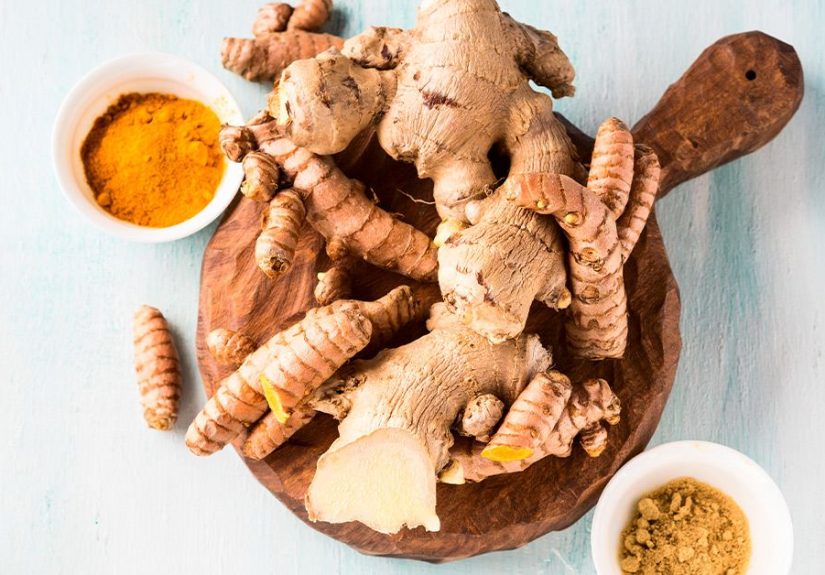
Turmeric (from Curcuma longa) contains curcuminoids, with curcumin being the most famous. Curcumin is
studied for antioxidant and anti-inflammatory effects, which is why turmeric is often discussed for joint comfort,
cardiometabolic health markers, and overall inflammation balance. Here’s the catch: curcumin is not absorbed very well on
its own, which is why you’ll hear about pairing turmeric with fats or black pepper.
Ginger’s Stars: Gingerols and Shogaols
Ginger (from Zingiber officinale) contains compounds like gingerols (more common in fresh ginger) and
shogaols (often higher in dried ginger). These are linked to ginger’s signature “warming” sensation and are
studied for digestive and anti-nausea effects. Ginger has also been explored for muscle soreness, menstrual discomfort, and
inflammation-related pathwaysthough results vary depending on dose, form, and the person.
The Shared Theme: Antioxidant + Anti-Inflammatory Potential
Both turmeric and ginger are studied for how they may help the body manage oxidative stress and inflammatory responses.
Translation: they’re not “cures,” but they may be useful supporting playersespecially as part of a balanced, whole-food
eating pattern.
Combined Benefits: What People Use Turmeric and Ginger For
1) Joint and Muscle Comfort (Inflammation Support)
Turmeric is frequently discussed in the context of joint comfort, especially for people dealing with everyday stiffness or
exercise-related soreness. Some studies suggest curcumin can support comfort and function in people with osteoarthritis,
though it’s not a replacement for clinician-guided care. Ginger is also studied for soreness and inflammation, including
exercise recovery. When used together in foodlike soups, curries, or marinadespeople often describe a “lighter” feeling in
the body, especially when the rest of their diet is also inflammation-friendly (think: more fiber, fewer ultra-processed
foods, better sleep).
2) Digestion and “My Stomach Is Being Dramatic” Days
Ginger is the MVP for digestion and nausea. It’s commonly used for motion sickness, pregnancy-related nausea (with medical
guidance), and general queasiness. Turmeric is also used traditionally for digestion, but it can irritate some people’s
stomachsespecially in concentrated forms. Combined in gentle amounts (like tea or broth), many people find the duo soothing
after a heavy meal.
3) Nausea Support (Ginger Leads, Turmeric Tags In)
If nausea is the problem, ginger typically does the heavy lifting. Turmeric may add anti-inflammatory support, but it’s not
the go-to for nausea the way ginger is. For many people, a warm ginger-turmeric tea is less about “curing” nausea and more
about comfort: warmth, hydration, and an easy-to-sip option when your appetite is on airplane mode.
4) Immune and Respiratory Comfort (The “Seasonal” Combo)
You’ll often see turmeric and ginger used in seasonal drinksteas, broths, and “wellness shots.” While neither spice prevents
infections on its own, both have bioactive compounds that are studied for antioxidant activity. In practical terms: these
roots can support a nourishing routine (hydration, warm fluids, and nutrient-dense foods) when you’re trying to feel more
human during cold seasons.
5) Metabolic Wellness (Promising, Not a Free Pass)
Research has explored turmeric/curcumin and ginger for effects on blood sugar, cholesterol, and other metabolic markers.
Findings can be encouraging, but they’re not consistent enough to treat either as a stand-alone strategy. Think of them as
“helpful supporting ingredients” rather than “one weird trick.” If you’re working on metabolic health, they fit best alongside
evidence-based basics: balanced meals, movement you can stick with, stress management, and adequate sleep.
Best Ways to Use Turmeric and Ginger Together (Without Turning Your Kitchen Into a Supplement Aisle)
Turmeric + Ginger Tea (Simple and Forgiving)
Basic method:
- Simmer 1–2 cups water
- Add 1–2 teaspoons fresh grated ginger (or 1/2 teaspoon ground ginger)
- Add 1/4–1/2 teaspoon ground turmeric (or a few thin slices of fresh turmeric)
- Optional: a tiny pinch of black pepper, plus lemon or honey for taste
If turmeric upsets your stomach, reduce the amount or keep it occasional. If ginger gives you heartburn, use less or steep
briefly instead of simmering.
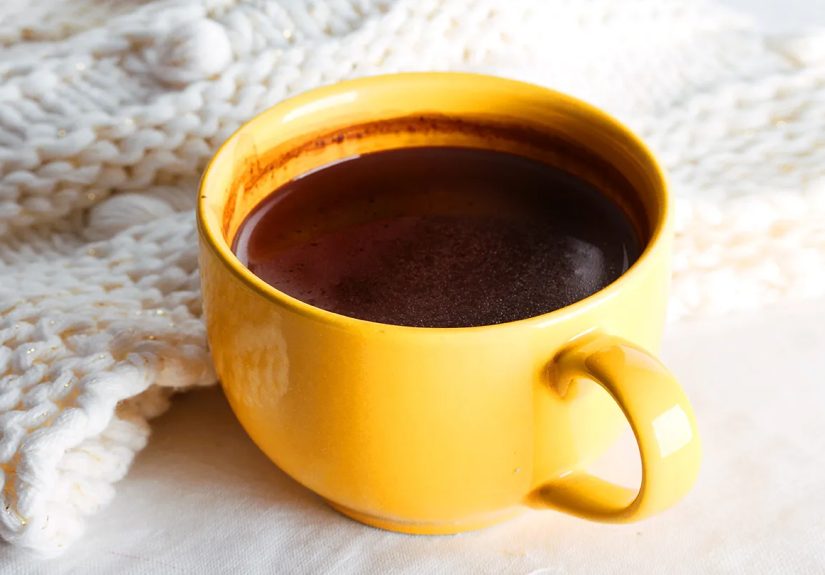
Golden Milk (Cozy, Creamy, and Surprisingly Customizable)
Warm milk (dairy or unsweetened plant milk), whisk in turmeric and ginger, and add cinnamon or vanilla if you like. A small
amount of fat can help curcumin absorption, which is one reason golden milk recipes often include coconut milk or a splash of
cream. If you’re watching added sugar, rely on cinnamon or vanilla instead of sweeteners.
Savory Uses That Taste Like Real Food
- Soups and stews: Add ginger early (for depth) and turmeric midway (for color and warmth).
- Roasted vegetables: Toss cauliflower, carrots, or sweet potatoes with olive oil, turmeric, ginger, garlic, and salt.
- Marinades: Combine ginger, turmeric, citrus, garlic, and yogurt or olive oil for chicken, tofu, or fish.
- Rice and grains: Add turmeric to rice while cooking; stir in ginger-lime sauce after.
Smoothies (If You Like Your Health Habits Disguised as Dessert)
Blend banana, pineapple or mango, yogurt (or kefir), a small knob of ginger, and a pinch of turmeric. Add black pepper only
if you truly cannot taste itthis is a smoothie, not a dare.
How to Get More Benefit From Turmeric (Without Overdoing It)
Absorption Matters: Fat and Black Pepper
Curcumin is famously hard for the body to absorb. Pairing turmeric with dietary fat (like olive oil, avocado, nuts, or dairy)
can help because curcumin is fat-soluble. Black pepper contains piperine, which can significantly increase curcumin
bioavailabilityone reason you see “turmeric + black pepper” everywhere. This is useful information, but it also explains why
concentrated turmeric supplements with absorption enhancers can have stronger effects (and stronger interaction risks).
Food vs. Supplements: The Practical Take
For most people, using turmeric and ginger in food is the safest and easiest starting point. Supplements may
be considered for specific goals, but they come with bigger questions:
- Is the dose appropriate for you?
- Is the product quality tested (third-party certification)?
- Could it interact with your medications or conditions?
If you’re thinking about supplements, it’s smart to bring the bottle (or a screenshot of the label) to a pharmacist or
clinician, especially if you’re on prescriptions.
Safety, Side Effects, and Who Should Be Extra Careful
Common Side Effects (Usually Dose-Related)
- Ginger: Heartburn, stomach upset, mouth/throat irritation (especially with strong tea or high doses)
- Turmeric/curcumin: Stomach upset, nausea, diarrhea, reflux (more common with supplements)
Medication Interactions to Know About
Both turmeric (especially curcumin extracts) and ginger may affect bleeding risk, particularly in supplement form. If you take
blood thinners or antiplatelet medications, don’t “freestyle” with high-dose supplements. Ginger may also affect blood sugar,
which matters if you use diabetes medications. Turmeric supplements can interact with certain medications and may not be
appropriate during chemotherapy without guidance.
Conditions Where Caution Is Smart
- Gallbladder disease or bile duct issues: Turmeric may not be a great fit for everyone.
- Kidney stone history: Turmeric supplements can be a concern for some people.
- GERD/reflux: Ginger and turmeric can aggravate symptoms in sensitive individuals.
- Upcoming surgery: Ask your surgical team about supplements well in advance.
- Liver concerns: Rare cases of liver injury have been reported with certain turmeric supplements, especially high-dose or enhanced-absorption products.
Buying and Storing Tips (Because Spices Deserve Better Than the Back of the Cabinet)
Choose Reputable Brands
Turmeric quality matters. In the real world, spice adulteration has been documented (including contamination concerns in the
broader market), so buy from brands with good quality control. If you use supplements, look for third-party testing seals.
For fresh roots, choose firm pieces without mold or soft spots.
Storage
- Fresh ginger: Refrigerate; freeze for easy grating.
- Fresh turmeric: Refrigerate; wear gloves if you value your countertops and fingertips.
- Ground spices: Keep sealed, away from heat and sunlight; replace when aroma fades.
FAQ: Quick Answers People Actually Want
Can I take turmeric and ginger every day?
In culinary amounts, many people use them daily with no issues. If you notice heartburn or stomach upset, scale back.
Daily high-dose supplements are a different storytalk with a clinician if you’re using concentrated products.
What’s the best time to take them?
For comfort, many people prefer them with meals or as a warm drink. If turmeric bothers your stomach, taking it with food
(and some fat) is often gentler.
Do I need black pepper with turmeric?
You don’t “need” it for flavor, but piperine from black pepper can help curcumin absorption. If you’re using turmeric mainly
for taste and color, it’s optional. If you’re chasing “benefit,” it can helpjust remember that higher absorption can also
increase interaction risk with supplements.
Real-World Experiences With Turmeric and Ginger (About )
Ask ten people about turmeric and ginger, and you’ll get eleven opinionsbecause someone will also tell you about their cousin
who “swears by it” and their neighbor who “tried it once and became a human fire-breathing dragon.” Still, patterns do show up
in the stories people share, especially when they use the combo consistently in food rather than as a one-time wellness stunt.
One common experience is digestive comfort. People who add ginger and turmeric to soups, broths, or tea often
say they feel “less heavy” after meals. This doesn’t mean your digestive system suddenly starts doing backflipsit usually
looks more like fewer post-meal complaints: less bloating, less “why did I eat that?” regret, and a smoother transition from
dinner to the rest of life. Ginger tends to get the credit here because it’s more strongly associated with nausea and stomach
comfort, while turmeric is often described as providing a subtle “warming” background note.
Another frequently reported experience is morning stiffness feeling a little less loud. Some people who use
turmeric and ginger regularlyespecially in a pattern like daily tea, golden milk a few nights a week, or turmeric-ginger
roasted vegetablessay their joints feel “looser” over time. It’s rarely dramatic, and it’s usually paired with other changes:
better hydration, more walking, less ultra-processed food. In other words, the combo often works best as part of a larger
routine rather than as a solo superhero.
People also talk about the energy and mood side, but these stories are more mixed. Some describe feeling more
“clear” or “steady,” especially when swapping sugary drinks for ginger-turmeric tea. Others feel nothing at allwhich is a
perfectly valid outcome. If your body doesn’t throw confetti, that doesn’t mean you did it wrong. Nutrition changes can be
subtle, and benefits may show up as “fewer bad days” rather than “instant sparkle.”
On the flip side, the most common negative experience is heartburn or stomach irritation, especially with
strong ginger tea, too much turmeric, or taking either on an empty stomach. People who already deal with reflux often learn
quickly that “more” is not “better.” Another real-world issue is taste fatigue: drinking the same spicy tea
every day can get old fast. The fix is varietyuse the duo in savory cooking, rotate recipes, or keep the tea milder and more
pleasant.
The big takeaway from real-life use is refreshingly boring (which is good news): small, consistent culinary amounts
tend to be the sweet spot for most people. If you’re curious, start gentle, pay attention to how you feel, and let turmeric
and ginger be supportive background characters in your overall health storynot the entire plot.