Table of Contents >> Show >> Hide
- Why relationship marketing matters more than ever
- What meaningful relationship marketing actually looks like
- How SEO fits into meaningful relationships
- Examples of relationship-driven marketing in action
- Common mistakes that kill the relationship
- A practical framework for turning marketing into relationships
- Experience from the field: what this looks like in real life
- Conclusion
Marketing used to be pretty simple. You made a message, blasted it into the universe, crossed your fingers, and hoped a customer would appear like a raccoon who smelled french fries. That era is over. Today, people are buried under ads, emails, notifications, and “personalized” campaigns that feel about as personal as a parking ticket. If a brand wants attention now, it has to earn something far more valuable than a click: trust.
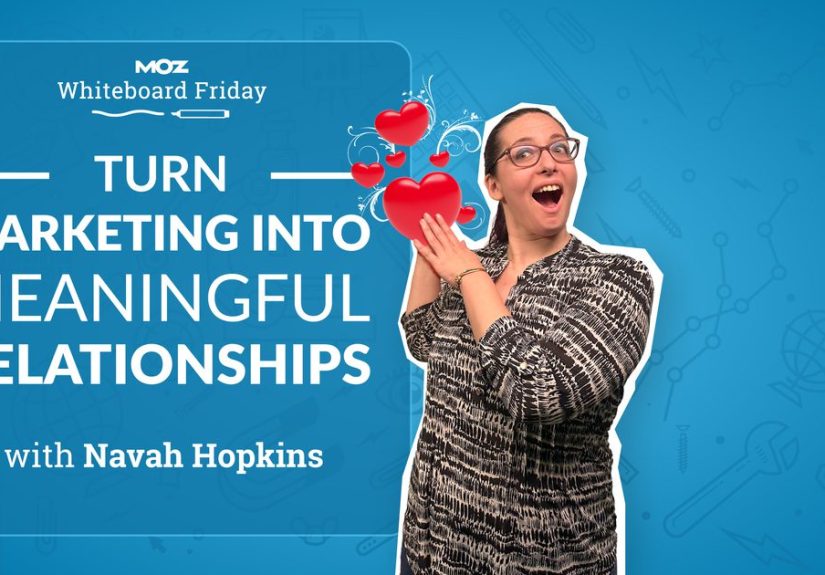
That is what makes the idea behind Turn Marketing Into Meaningful Relationships so timely. At its core, the message is not that brands should stop selling. It is that great marketing works better when it behaves less like a megaphone and more like a relationship. The strongest brands do not just chase transactions. They help, listen, remember context, communicate with clarity, and create experiences people want to come back to. In other words, they stop treating customers like targets and start treating them like humans.
This shift matters because modern buyers are sharper, busier, and harder to impress. They compare brands in seconds. They notice when messaging feels fake. They can smell “We value you” copy from three tabs away. Meaningful relationship marketing is the antidote. It brings together content, SEO, email, customer experience, service, and brand values into one simple question: are we making people’s lives easier, clearer, or better in a way they will actually remember?
Why relationship marketing matters more than ever
Brands often act as if the sale is the finish line. It is not. It is lap one. The real business value lives in what happens after awareness, after the first click, and especially after the first purchase. That is where loyalty, repeat business, referrals, advocacy, and reputation are built. Relationship marketing recognizes that the best growth does not come from endlessly renting attention. It comes from becoming the brand people trust when they are ready to act again.
That is also why meaningful relationships are not “soft” marketing. They are efficient marketing. Trust lowers friction. Familiarity reduces hesitation. Useful content shortens decision-making. Clear communication prevents churn. Helpful follow-up turns buyers into believers. When people feel understood, they are more likely to return, recommend, and forgive the occasional mistake. When they feel used, they disappear quietly and take their future revenue with them.
So yes, performance marketing still matters. SEO still matters. Email still matters. Paid campaigns still matter. But each channel works harder when it is part of a relationship strategy instead of a one-night conversion stand. That is the big idea: stop asking only, “How do we get the lead?” and start asking, “Why would this person want to hear from us again?”
What meaningful relationship marketing actually looks like
1. It starts with value alignment
Customers do not build relationships with logos. They build relationships with experiences and values. That means your marketing cannot just say what you sell. It has to signal what you believe, how you help, and what kind of experience people can expect. Value alignment is not performative brand poetry written by a team that recently discovered oat milk. It is the practical match between what matters to your audience and how your company behaves.
For one brand, value alignment may mean transparency around pricing. For another, it may mean accessibility, sustainability, speed, reliability, or education. The key is consistency. If your ads say “customer-first” but your checkout looks like a maze designed by a tired goblin, the relationship falls apart fast. Customers do not trust slogans. They trust patterns.
2. It communicates like a person, not a campaign machine
Meaningful marketing sounds clear, specific, and respectful. It does not hide behind fluff. It does not drown people in jargon. It does not send the same generic message to everyone with a pulse and an email address. Good relationship marketing feels like a smart conversation: timely, relevant, and grounded in what the customer actually needs at that moment.
That means brands should communicate across the full journey, not only when they want money. Welcome emails should orient, not overwhelm. Product pages should answer real questions, not just flex adjectives. Search content should solve problems, not bait impressions. Post-purchase messaging should help customers succeed, not vanish into the mist. A strong relationship is built through repeated moments of usefulness.
3. It meets customers where they already are
One of the most common marketing mistakes is forcing customers into the channels the brand prefers instead of the ones the customer actually uses. Some audiences live in search. Others rely on email. Others want short videos, product documentation, webinars, communities, review sites, or live chat. Meaningful relationship marketing respects customer behavior instead of trying to drag everyone into the same funnel with a suspicious amount of enthusiasm.
This is where SEO plays a starring role. Search is often the first handshake. A person has a question, a problem, or a goal. Your content appears. If that page is genuinely helpful, the relationship begins with competence. If it is thin, manipulative, or obviously written to impress robots, the relationship ends before it starts. Search is not just acquisition. It is reputation at scale.
4. It creates content for the whole relationship, not just the top of the funnel
Plenty of brands create awareness content. Fewer create loyalty content. That is a missed opportunity the size of a department-store parking lot. Customers need support before they buy, while they buy, after they buy, and long after the honeymoon phase ends. Helpful comparison pages, onboarding guides, FAQs, how-to resources, customer stories, troubleshooting content, and renewal messaging all strengthen trust.
In practical terms, this means your content strategy should not stop at blog posts designed to capture broad keywords. It should include conversion content and retention content too. Think buying guides, implementation checklists, user education hubs, feature explainers, and post-sale advice. The brand that keeps helping after the sale looks less like a marketer and more like a partner.
5. It personalizes with manners
Personalization can strengthen a relationship, but only if it feels helpful rather than creepy. There is a huge difference between “Here is the next resource that matches what you were reading” and “Hello, we noticed you blinked at a red sweater on page 14.” Customers like relevance. They do not like surveillance cosplay.
Good personalization uses context to reduce effort. It remembers preferences, adapts timing, recommends the next best step, and keeps messaging coherent across channels. Great personalization also knows when to back off. The goal is not to prove your database is powerful. The goal is to make the experience smoother, smarter, and more human.
6. It turns trust into an operating system
Trust is not a nice line for your About page. It is an operating principle. Brands build trust when marketing, product, sales, and service support the same promise. If one team says “simple,” another says “premium,” and a third says “limited-time urgency,” customers experience confusion instead of confidence. Meaningful relationships require internal alignment as much as external messaging.
That is why the best relationship-driven marketing teams obsess over customer questions, objections, frustrations, and moments of delight. They study support tickets. They listen to sales calls. They review search queries. They examine churn reasons. They use customer language, not internal buzzwords. They know that the fastest route to stronger messaging is often hiding in the questions customers ask every day.
How SEO fits into meaningful relationships
SEO and relationship marketing belong together more than many teams realize. SEO is not merely about traffic. It is about being discoverable when trust is still fragile and intent is still forming. A person who searches “best CRM for small teams,” “how to fix duplicate content,” or “what to expect after buying a heat pump water heater” is inviting a brand into a moment of need. That is a relationship opportunity.
When search content is written only to rank, it often feels hollow. It repeats the keyword, stuffs headers, says nothing memorable, and leaves the reader with the emotional experience of licking cardboard. But when search content is built to help, it becomes relationship infrastructure. It demonstrates expertise, reduces anxiety, and proves the brand understands real problems.
That is why the best SEO content often shares a few traits. It matches search intent. It answers the actual question early. It uses clear structure. It includes real examples. It avoids inflated claims. It points readers toward a sensible next step. And, most importantly, it respects the fact that a visit is not a victory unless it creates confidence.
Examples of relationship-driven marketing in action
SaaS: A software company can publish comparison pages, onboarding tutorials, integration guides, and “how to get value in the first 30 days” content. Instead of just chasing demo requests, it reduces uncertainty across the customer journey. That makes the brand feel easier to choose and easier to stay with.
E-commerce: A retailer can create fit guides, care instructions, honest shipping updates, user-generated style ideas, and post-purchase check-ins that are actually useful. That kind of content does not just drive sales; it reduces returns, improves satisfaction, and increases the chance of repeat purchases.
B2B services: An agency or consultancy can build trust with case studies that explain process, not just outcomes. Buyers want to know what working together feels like. They want clarity, responsiveness, and competence. Marketing that addresses those concerns directly creates a stronger emotional foundation than polished bragging ever will.
Local businesses: A local brand can use search content, reviews, FAQs, service pages, and email reminders to stay useful between transactions. Whether it is a dental office, a home contractor, or a coffee shop, the relationship grows when the business becomes dependable, familiar, and easy to deal with.
Common mistakes that kill the relationship
The first mistake is treating every interaction like a sales pitch. Nobody likes being followed around the internet by a brand that acts like a clingy ex with a discount code. The second mistake is saying one thing and delivering another. If your messaging promises expertise but your content is shallow, customers notice. The third mistake is ignoring existing customers while obsessing over new ones. That is the marketing version of watering your neighbor’s lawn while yours is on fire.
Another major mistake is separating channels too aggressively. SEO writes one story. Paid media tells another. Email sounds like a different company. Customer support has no idea what the latest campaign promised. The customer experiences all of it as one brand, so the brand must act like one brand.
Finally, many teams confuse frequency with intimacy. More messages do not automatically create more connection. Better messages do. If every send, page, and touchpoint adds value, customers welcome the interaction. If the brand keeps interrupting without helping, silence becomes a form of feedback.
A practical framework for turning marketing into relationships
Know your customer’s real jobs to be done
Do not stop at demographics. Understand motivations, anxieties, timing, obstacles, and desired outcomes. Ask what customers are trying to accomplish, what slows them down, and what would make them trust a provider faster.
Map content to the full journey
Create content for discovery, evaluation, purchase, onboarding, retention, and advocacy. If your strategy only supports awareness, you are leaving relationship equity on the table.
Align every touchpoint with one brand promise
Pick the experience you want to be known for, then make sure the website, emails, ads, support, and sales conversations all reinforce it. Repetition builds belief.
Use data to be useful, not invasive
Let data improve timing, relevance, and customer success. Do not use it to make people feel tracked, boxed in, or manipulated.
Measure more than immediate conversion
Track return visits, assisted conversions, email engagement, content depth, repeat purchase behavior, retention, referrals, and customer sentiment. Relationships show up in patterns, not just last-click reports.
Experience from the field: what this looks like in real life
In real marketing work, the difference between transactional marketing and relationship marketing becomes obvious very quickly. I have seen teams pour money into campaigns that generated decent traffic and still felt strangely hollow. The click-through rates were acceptable. The dashboards looked busy. Slack channels were full of screenshots. But the audience was not getting warmer. Sales kept hearing the same objections. Existing customers were disengaged. The brand was speaking loudly without becoming memorable.
The turning point usually came when the team stopped asking, “How do we get more people into the funnel?” and started asking, “Where are people getting stuck, and how can we help before they leave?” That one change would reshape everything. Suddenly blog content became more practical. Email flows became less robotic. Landing pages answered real concerns instead of reciting generic benefits. Customer stories included specific details people could relate to. The brand sounded less polished in the artificial sense and more trustworthy in the human sense.
One common pattern is that relationship-building content often looks less flashy than campaign content, but performs better over time. A beautifully designed ad can get attention for a week. A clear comparison page, a useful how-to article, or an honest onboarding guide can build trust for months. These assets keep working because they solve recurring problems. They make customers feel smart for choosing you. That is a deeply underrated marketing superpower.
I have also seen how much relationships improve when marketing teams spend more time with customer-facing departments. Sit in on support calls and your content gets better. Read product reviews and your copy gets sharper. Talk to sales and your headlines become more grounded in reality. Watch how customers actually describe their frustrations and suddenly your keyword strategy, email messaging, and page structure all get stronger. It is hard to build meaningful relationships from a conference room full of assumptions.
Another real-world lesson is that trust is built by consistency, not occasional brilliance. Brands love hero moments: a viral campaign, a big launch, a bold ad. Those can help. But customer relationships are usually built through smaller things done well over and over again. A reminder email that arrives at the right time. A support article that solves the problem in two minutes. A checkout page that does not play games with pricing. A follow-up note that feels thoughtful instead of automated. Small moments stack. Customers remember how easy or frustrating you were to deal with long after they forget your clever tagline.
And perhaps the biggest lesson of all is this: meaningful relationships are not built by pretending to be human. They are built by actually being useful. Customers do not need brands to be their best friends. They need brands to be clear, respectful, reliable, and worth returning to. That is enough. In fact, that is more than enough. When a company gets that right, marketing stops feeling like interruption and starts feeling like service. That is when growth gets sturdier, loyalty gets deeper, and the relationship becomes real.
Conclusion
Turn Marketing Into Meaningful Relationships is more than a catchy Whiteboard Friday title. It is a smart blueprint for modern growth. The strongest brands do not win by shouting louder. They win by being more relevant, more useful, more consistent, and more aligned with what customers actually value. Search can start the conversation. Content can build trust. Experience can turn satisfaction into loyalty. But the magic only happens when every touchpoint works together to make the customer feel understood.
If marketers want stronger conversion, retention, and brand equity, the path is not mysterious. Build for the relationship, not just the response. Help people before, during, and after the sale. Respect their attention. Match your message to your behavior. And remember: the goal is not to trick someone into clicking. The goal is to become a brand they are genuinely glad to hear from again.