Table of Contents >> Show >> Hide
- What you’ll find in this article
- What dandruff is (and what it isn’t)
- Types of dandruff and look-alikes (how to tell what you’ve got)
- 1) Dry scalp flaking (the “winter sweater” of flakes)
- 2) Classic dandruff (mild scalp seborrheic dermatitis)
- 3) Seborrheic dermatitis (the “dandruff with extra opinions”)
- 4) Product buildup (aka “fake dandruff”)
- 5) Contact dermatitis (irritant or allergic reaction to hair products)
- 6) Scalp psoriasis (the “patchy plaque” look-alike)
- 7) Scalp eczema (atopic dermatitis and related inflammation)
- 8) Tinea capitis (scalp ringwormflakes with a “see a doctor” stamp)
- Treatment: a practical playbook (without the guesswork)
- Prevention: keep flakes from coming back (without living in fear of dark shirts)
- When to see a dermatologist (red flags and “don’t DIY this” moments)
- Conclusion
- Real-world experiences: what dandruff “life” actually feels like (and what helps)
- The “I switched shampoos and my scalp filed a complaint” story
- The “my flakes are greasy and now my eyebrows are invited too” story
- The “I have curly hair and dandruff shampoo keeps turning my hair into straw” story
- The “I thought it was dandruff… and then there was a bald patch” story
- The “dark shirt trauma” story (and the confidence comeback)
- SEO tags (JSON)
Dandruff is the ultimate party crasher: it shows up uninvited, wears white on dark clothing, and somehow always appears right before a date, interview, or your cousin’s wedding photos. The good news? Most “flakes” are manageable once you know what you’re dealing with. The tricky part is that dandruff has imposters and treating the wrong one can make your scalp feel like it’s negotiating terms in a hostile takeover.
In this guide, you’ll learn the main types of dandruff (and common look-alikes), what causes them, how to treat them with evidence-based options like anti-dandruff shampoos and targeted medications, and how to prevent flare-ups without turning your bathroom into a chemistry lab.
What dandruff is (and what it isn’t)
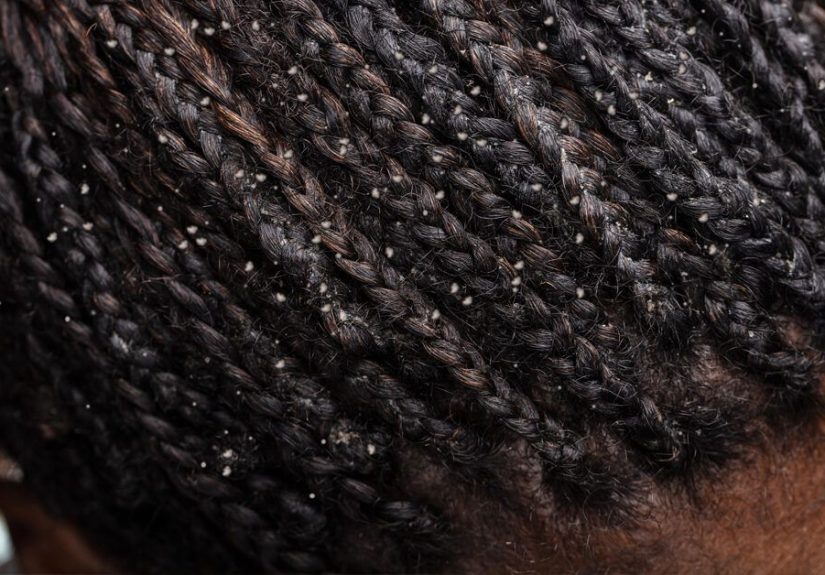
“Dandruff” is a broad, everyday term for visible scalp flakingoften with itch. It’s common, not dangerous, and (mercifully) not contagious. It can also be stubborn and recurring, which is why you’re here instead of casually living your best life in black turtlenecks.
Here’s the key idea: flakes are a symptom, not a diagnosis. Some people have true dandruff (often tied to a mild form of seborrheic dermatitis), while others have a dry scalp, product buildup, an irritated reaction to hair products, or inflammatory skin conditions like psoriasis or eczema. Different causes need different strategiesso your scalp doesn’t end up more offended than when you called it “gross” in the mirror.
Types of dandruff and look-alikes (how to tell what you’ve got)
Think of this section as a “flake detective” toolkit. You don’t need a lab coatjust a few clues: what the flakes look like, whether your scalp is oily or dry, how itchy it is, and whether you see redness or patches beyond the scalp.
1) Dry scalp flaking (the “winter sweater” of flakes)
What it looks like: small, dry, powdery flakes; scalp feels tight; itch can happen but is often mild.
Common causes: low humidity, cold weather, hot showers, over-washing, harsh shampoos, and anything that strips scalp oils. It’s similar to dry skin elsewhereyour scalp just happens to be wearing a hat of hair.
Best-first treatment: gentle shampoo, less heat (water and styling tools), and moisture-focused scalp care. If your flakes are tiny and your scalp feels “parched,” start here before you jump straight to heavy antifungals.
2) Classic dandruff (mild scalp seborrheic dermatitis)
What it looks like: white or yellow flakes, often a bit greasy; scalp may itch; tends to be worse with stress or seasonal changes.
Common causes: an inflammatory reaction in oily areas, often linked to an overgrowth or imbalance of Malassezia yeast on the skin. Everyone has ityours may just be throwing a louder party than your scalp asked for.
Best-first treatment: over-the-counter dandruff shampoo with proven active ingredients (like ketoconazole, zinc pyrithione, selenium sulfide, salicylic acid, or coal tar), used correctly and consistently.
3) Seborrheic dermatitis (the “dandruff with extra opinions”)
What it looks like: greasy scaling plus visible inflammationredness, irritation, and thicker, stickier flakes. It may also show up on eyebrows, around the nose, behind the ears, beard area, or chest.
Common causes and triggers: inflammatory skin response in oil-rich areas; yeast overgrowth can contribute. Triggers can include cold, dry weather, stress, harsh chemicals, and certain skin-care routines. It often comes and goes over time.
Best-first treatment: medicated shampoos plus, when needed, prescription-strength topical antifungals or short courses of anti-inflammatory medications from a clinician. If you’ve got redness and scaling beyond the scalp, treat it like a skin condition (because it is).
Special note: Cradle cap (infant seborrheic dermatitis)
In infants, seborrheic dermatitis on the scalp is called cradle cap. It often looks like thick, yellowish, crusty scale. It’s usually temporary. Gentle daily washing with mild baby shampoo and soft brushing can help loosen scale; persistent or severe cases can require a clinician’s guidance.
4) Product buildup (aka “fake dandruff”)
What it looks like: flakes that appear after styling; scalp may feel waxy, coated, or oily; flakes can clump and show up near the hairline. Sometimes it’s not skin at alljust residue from hairspray, dry shampoo, gels, or heavy oils.
Common causes: frequent styling products, infrequent washing (especially if you use leave-ins), and not rinsing thoroughly. Build-up can also trap oil and irritate the scalp, creating a “real dandruff meets fake dandruff” mashup.
Best-first treatment: reduce product load, use an occasional clarifying wash, and focus shampoo on the scalp (not the ends). If your flakes disappear when you stop layering products like you’re frosting a cake, you’ve found your culprit.
5) Contact dermatitis (irritant or allergic reaction to hair products)
What it looks like: intense itch, burning or stinging, redness, tenderness, sometimes swelling or a rash. Flaking can happen as irritated skin sheds, and it may show up on the scalp, hairline, neck, or even eyelids (because shampoo loves to travel).
Common causes: fragrance, preservatives, hair dye chemicals, new shampoos/conditioners, and “natural” products that still irritate sensitive skin. Many hair-care products can strip oils and irritate the scalp, especially if you’re already dry or eczema-prone.
Best-first treatment: stop the suspected product(s) for 1–2 weeks, switch to fragrance-free, gentle formulas, and avoid adding new essential oils “just to test” while your skin is inflamed. If symptoms are significant, a clinician may recommend topical treatments and, if needed, allergy testing (patch testing).
6) Scalp psoriasis (the “patchy plaque” look-alike)
What it looks like: thicker, raised, scaly patches (plaques). It can extend beyond the hairline and may show up on elbows, knees, nails, or other areas. Itch can be intense, and scratching may cause soreness or bleeding.
Common causes: psoriasis is a chronic inflammatory condition driven by the immune system, often cycling through flares and calmer periods.
Best-first treatment: medicated shampoos (often with coal tar or salicylic acid) can help scale, but many cases need prescription topicals like corticosteroids (sometimes in shampoo form) and a dermatologist-guided plan.
7) Scalp eczema (atopic dermatitis and related inflammation)
What it looks like: itchy, irritated scalp that can flake, sometimes with dryness and sensitivity. People with eczema may also have dry, reactive skin elsewhere.
Common causes: skin barrier disruption plus inflammation. In some cases, the scalp involvement overlaps with seborrheic dermatitis, which is considered a form of eczema by many organizations and clinicians.
Best-first treatment: gentle, fragrance-free routines; avoid triggers; and consider clinician-recommended anti-inflammatory treatments if symptoms persist.
8) Tinea capitis (scalp ringwormflakes with a “see a doctor” stamp)
What it looks like: scaly, itchy areas that can be circular; may include patches of hair loss or “broken hairs.” It’s more common in children than adults.
Why it matters: this is a fungal infection that usually requires medical treatment (often oral antifungals). If you see a bald, scaly patch or your child has persistent scalp scaling, don’t guessget evaluated.
Treatment: a practical playbook (without the guesswork)
The goal is simple: reduce flakes, calm itch and inflammation, and prevent rebound. The method depends on the type. Here’s a scalp-friendly plan that works for most peoplethen a few “if this, then that” branches.
Step 1: Start with a smart shampoo strategy
For classic dandruff and mild seborrheic dermatitis, over-the-counter medicated shampoos are the MVPs. The trick is using them correctly: apply to the scalp, massage in, and let it sit long enough to work (often several minutesmany products recommend up to 5–10 minutes) before rinsing.
Choose your active ingredient like a grown-up (not like a marketing victim)
- Ketoconazole: targets yeast; great when you suspect seborrheic dermatitis.
- Zinc pyrithione: antifungal and antimicrobial; a common go-to for many scalps.
- Selenium sulfide: helps slow yeast and reduce flaking; can be especially helpful for oily scaling.
- Salicylic acid: helps lift and loosen scale (think “gentle scalp exfoliation”).
- Coal tar: slows skin cell turnover and helps with scaling (also used in scalp psoriasis).
- Sulfur: can help reduce flaking; sometimes paired with other ingredients.
If one doesn’t work, don’t panicrotate between different active ingredients. Some scalps respond better to yeast-targeting options; others need more scale-lifting help. Consistency matters more than heroic one-time lathering.
How often should you wash?
Frequency depends on your hair type and scalp oil level. Fine or oily hair may need more frequent washing; textured, curly, or coily hair often does better with less frequent medicated shampoo use (focused on the scalp) to avoid drying the hair shaft. If your hair is prone to dryness, concentrate the medicated lather on the scalp and use your usual conditioner on the lengths.
Step 2: Match the treatment to the type
If it’s dry scalp flaking
- Use a gentle shampoo (avoid harsh fragrances if you’re sensitive).
- Lower shower temperature; hot water can worsen dryness.
- Limit heat styling; consider a humidifier in dry seasons.
- Try scalp-friendly, lightweight moisturization (not heavy oils that sit on the scalp and build up).
If it’s classic dandruff / mild seborrheic dermatitis
- Pick one medicated shampoo and use it consistently for a few weeks.
- Let it sit on the scalp before rinsing.
- When controlled, shift to maintenance (for example, once weekly) to prevent relapse.
- Reduce heavy styling products that can feed buildup and oiliness.
If it’s more severe seborrheic dermatitis
- Keep medicated shampoo in the routine.
- Consider clinician-guided topicals: antifungal creams/solutions and short-term anti-inflammatory medications for flares.
- Address triggers: stress, cold/dry weather, harsh chemicals, and alcohol-heavy skin products.
If it’s product buildup
- Stop stacking multiple styling products for 1–2 weeks (yes, even the “miracle” serum).
- Add an occasional clarifying wash; rinse thoroughly.
- Apply styling products away from the scalp when possible (mid-lengths to ends).
If it’s contact dermatitis
- Stop the suspected product immediately.
- Switch to fragrance-free, simple formulas.
- Don’t add essential oils during a flareirritated skin is not the time for experiments.
- If severe, persistent, or widespread: see a clinician for targeted treatment and possible patch testing.
If it’s scalp psoriasis
- Use scale softeners and medicated shampoos (coal tar and/or salicylic acid can help).
- For stubborn cases, prescription options (including corticosteroid shampoos or solutions) can be very effective under dermatologist direction.
- Watch for plaques beyond the hairline or other body involvementthose clues matter.
If it’s tinea capitis (scalp ringworm)
- Get evaluatedthis typically needs prescription treatment, often oral medication.
- Avoid sharing combs, hats, pillows, and hair accessories until treated.
- In kids, act early to reduce spread and complications.
Step 3: Don’t miss the “how” (application tips that change outcomes)
- Scalp first: medicated shampoos need contact with the scalp, not just the hair.
- Time matters: letting it sit a few minutes boosts effectiveness.
- Be gentle: aggressive scratching can break skin and invite infection.
- Maintenance is real: once it improves, taper to a maintenance schedule rather than quitting cold turkey.
Prevention: keep flakes from coming back (without living in fear of dark shirts)
Dandruff prevention is less “one weird trick” and more “a boring routine that works”which, frankly, is the kind of boring we love.
- Build a wash routine that matches your scalp: oilier scalps often do better with regular washing; drier textures may need less frequent medicated use.
- Use fewer styling products: buildup can worsen oiliness and flaking.
- Manage stress: stress can worsen flares for many inflammatory skin conditions.
- Go easy on irritants: fragranced products, harsh chemicals, and alcohol-heavy formulations can aggravate sensitive scalps.
- Consider seasonal adjustments: many people flare in cold, dry weather; plan a maintenance shampoo schedule.
- Sun in moderation: a little sunlight may help some people, but protect your skintoo much sun is a different problem you do not want.
When to see a dermatologist (red flags and “don’t DIY this” moments)
Home care works for many cases, but you should get medical guidance if:
- Your scalp is very red, painful, swollen, or oozing.
- You have thick plaques, bleeding, or rash beyond the scalp.
- You see patchy hair loss or a circular scaly bald spot (especially in a child).
- Over-the-counter dandruff shampoo hasn’t helped after a few weeks of correct use.
- You suspect an allergic reaction (rash, hives, swelling, or trouble breathing requires urgent care).
A dermatologist can confirm whether you’re dealing with seborrheic dermatitis, psoriasis, eczema, contact dermatitis, or an infectionand prescribe targeted options like stronger antifungals, anti-inflammatory medications, or other therapies.
Conclusion
The secret to beating flakes isn’t willpowerit’s accuracy. Once you identify the type (dry scalp, classic dandruff, seborrheic dermatitis, product buildup, contact dermatitis, psoriasis, eczema, or infection), treatment becomes dramatically simpler. Most people do best with a consistent shampoo routine, the right active ingredients, and a prevention plan that respects their scalp’s personality. Your scalp can be high-maintenancejust don’t let it be mysterious.
Real-world experiences: what dandruff “life” actually feels like (and what helps)
Here’s the part nobody tells you at the store aisle: dandruff isn’t just a scalp issueit’s a lifestyle issue. It’s the way you suddenly become aware of your shoulders. It’s the way you start choosing outfits based on flake visibility like you’re styling for a stealth mission. And it’s the way you can swear your scalp behaves all weekthen flakes the moment you put on a black hoodie.
The “I switched shampoos and my scalp filed a complaint” story
A lot of people notice flakes right after trying a new shampoo, conditioner, or “clean beauty” product. The timeline is the giveaway: you change something, and within days your scalp starts itching, burning, or feeling tender. Sometimes you’ll see redness along the hairline or behind the ears. That pattern often points to contact dermatitis rather than classic dandruff. The fix is surprisingly unglamorous: stop the new product, simplify to fragrance-free basics, and let your skin calm down before you introduce anything else. The hardest part is resisting the urge to “fix it faster” with five new productsbecause irritated skin doesn’t reward ambition.
The “my flakes are greasy and now my eyebrows are invited too” story
Classic dandruff usually stays on the scalp, but seborrheic dermatitis likes to expand its territory. People often describe it as “greasy flakes” plus persistent itch and rednesssometimes around the nose, in the eyebrows, or in the beard area. This is where the right medicated shampoo starts to feel like magic, but only if it’s used correctly (scalp contact time matters). Many people also learn the value of maintenance: using a medicated shampoo once in a while even after symptoms improve, because the condition tends to come and go. It’s not a personal failureit’s just how the scalp ecosystem works.
The “I have curly hair and dandruff shampoo keeps turning my hair into straw” story
People with curly, coily, or textured hair often face a specific trade-off: medicated shampoos can help the scalp but dry out the lengths. The upgrade here is a technique, not a new product. Apply the medicated shampoo only to the scalp, massage gently, let it sit, rinse thoroughly, then condition the mid-lengths and ends like your hair deserves a spa day. Many people find they can use medicated shampoo less frequently while staying consistentthink “scalp treatment schedule” rather than “daily punishment.”
The “I thought it was dandruff… and then there was a bald patch” story
Most flakes are harmless, but certain patterns deserve a fast pivot. A circular scaly area, broken hairs, or patchy hair lossespecially in childrencan signal tinea capitis (scalp ringworm). People often lose time trying multiple dandruff shampoos before realizing it needs medical treatment. The lesson: dandruff shampoos are great tools, but they’re not universal antifungal wizardry for every scalp problem.
The “dark shirt trauma” story (and the confidence comeback)
If you’ve ever brushed your shoulders before walking into a meetingonly to discover your scalp produces “backup flakes” the moment you sit downwelcome to the club nobody applied to join. Many people regain confidence by choosing a routine they trust: a proven active ingredient, a realistic wash schedule, and a simple prevention habit (like minimizing product buildup and managing stress triggers). The emotional side matters too: dandruff is common, it’s manageable, and it says nothing about your hygiene or your worth. Your scalp is just being dramatictreat it like the diva it is, and move on with your life.
If there’s one “experience-based” takeaway, it’s this: the winning routine is the one you can actually stick with. A simple, consistent plan beats a complicated one that lives in your shopping cart and never makes it to your scalp.