Table of Contents >> Show >> Hide
- What are mouth ulcers?
- Main types of mouth ulcers
- What causes mouth ulcers?
- Symptoms of mouth ulcers
- How are mouth ulcers diagnosed?
- Treatment options for mouth ulcers
- Prevention: How to reduce future mouth ulcers
- When should you see a doctor or dentist?
- Real-life experiences: Living with recurring mouth ulcers
- Bottom line
If you’ve ever discovered a tiny, fiery crater in your mouth right before a big presentation or date,
congratulations you’ve met the mouth ulcer. These small sores can make a sip of orange juice feel
like lava and turn a crunchy tortilla chip into a weapon. The good news? Most mouth ulcers are
harmless, extremely common, and very treatable. The better news? Once you understand the types,
causes, symptoms, and treatments, you’ll know when to relax and when it’s time to call your dentist
or doctor.
In this guide, we’ll walk through the main types of mouth ulcers, what causes them,
how they typically behave, and the best ways to soothe and prevent them. We’ll also talk about
red-flag symptoms that mean you shouldn’t just “wait it out.”
What are mouth ulcers?
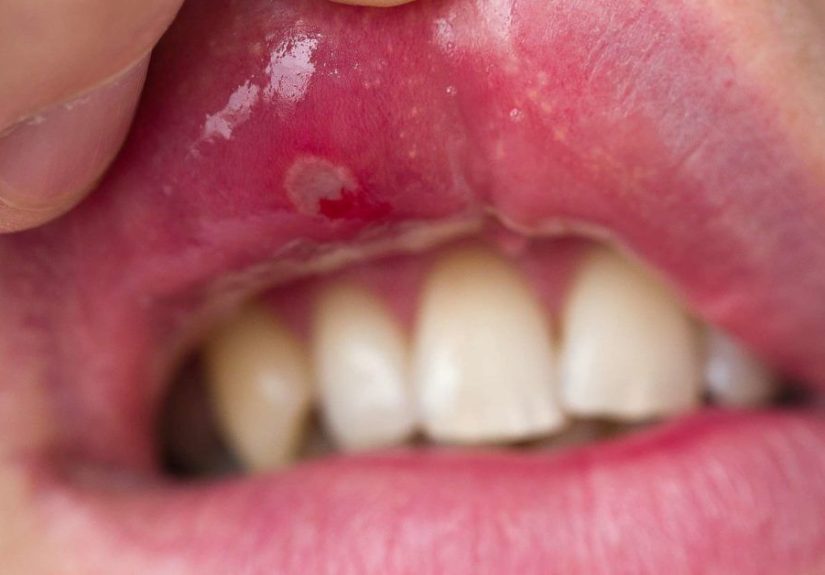
Mouth ulcers (also called oral ulcers or canker sores in many cases)
are small, painful sores that appear on the soft tissues inside your mouth the inner cheeks, lips,
tongue, gums, or the soft palate. They usually look like round or oval shallow craters that are white,
yellow, or gray in the center with a red or inflamed border.
These ulcers are not the same as cold sores. Cold sores are usually caused by the
herpes simplex virus (HSV-1) and tend to show up on or around the lips, on the skin just outside the
mouth, and they’re contagious. Mouth ulcers such as classic canker sores form inside the mouth
and are typically not contagious.
For most people, a single mouth ulcer heals on its own in about 7–14 days. The pain is often worst in
the first few days and then gradually improves as the sore starts to shrink and re-epithelialize
(regrow its surface lining).
Main types of mouth ulcers
Not all mouth ulcers are created equal. Understanding the main types helps you make sense of their
behavior and when to worry.
1. Aphthous ulcers (canker sores)
These are the superstars of the mouth-ulcer world the most common type seen in otherwise healthy
people. Aphthous ulcers are often simply called canker sores. They typically:
- Appear on non-keratinized tissue (inner cheeks, lips, underside or edges of the tongue, soft palate).
- Start with a burning or tingling feeling before the sore appears.
- Show up as a round or oval white, yellow, or gray center with a red halo.
- Are painful, especially when eating, drinking, or brushing teeth near them.
Aphthous ulcers are further divided into three subtypes:
-
Minor aphthous ulcers: Small (usually less than 1 cm), shallow, and the most common.
They heal in 1–2 weeks without scarring. -
Major aphthous ulcers: Larger and deeper, can last several weeks, and may scar.
These are more painful and can interfere more with eating and speaking. -
Herpetiform aphthous ulcers: Tiny ulcers that appear in clusters, sometimes
merging into larger irregular sores. Despite the name, they’re not caused by the herpes virus.
2. Traumatic ulcers
Sometimes the “cause” is as simple as biting your cheek, rubbing from a sharp tooth edge,
an ill-fitting denture, a braces wire, or an overly enthusiastic toothbrush. These
traumatic ulcers develop right where the injury happened and typically heal
once the irritation is removed.
You can often connect the dots: “Oh, that’s exactly where I bit my cheek during lunch,” or
“That’s right where my new retainer rubs.” If the trauma continues, the ulcer may linger, so fixing
the source of irritation is key.
3. Ulcers linked to infections
Viral, bacterial, and fungal infections can all cause ulcers or ulcer-like lesions in the mouth.
Examples include:
-
Herpes simplex virus (HSV-1): Usually causes cold sores on the lips, but initial
infections in children can produce widespread painful ulcers inside the mouth (herpetic gingivostomatitis). -
Hand-foot-and-mouth disease (Coxsackie virus): Causes small ulcers in the mouth plus
a rash on the hands and feet. -
Other infections: Certain bacterial or fungal infections, or conditions like syphilis
or tuberculosis, may rarely produce oral ulcers.
4. Ulcers associated with systemic diseases
Recurring or stubborn mouth ulcers can sometimes be a clue to an underlying condition, such as:
- Inflammatory bowel disease (like Crohn’s disease or ulcerative colitis).
- Celiac disease (gluten sensitivity affecting the small intestine).
- Behçet’s disease (an inflammatory condition that causes ulcers in the mouth and genitals, plus eye problems).
- Immune system problems or blood disorders (e.g., neutropenia, certain anemias).
In these cases, the ulcers may occur along with other symptoms like gut problems, skin rashes,
eye inflammation, or unexplained fatigue and weight loss.
What causes mouth ulcers?
For many people with aphthous ulcers, there is no single clear culprit. Instead, ulcers appear to be
triggered by a mix of local irritation, immune reactions, and personal susceptibility. Common triggers
and contributing factors include:
-
Minor trauma: Accidental cheek or tongue biting, rough dental work, braces, sharp
teeth, or hard, crunchy foods. -
Stress: Emotional stress and lack of sleep are classic triggers. Ulcers love to show up
during exam week, work deadlines, or major life changes. -
Hormonal changes: Some people notice more ulcers around menstruation or during other
hormonal shifts. -
Nutritional deficiencies: Low levels of iron, vitamin B12, folate, or zinc have all
been associated with recurrent mouth ulcers in some people. -
Certain foods: Spicy foods, acidic fruits (like citrus and pineapple), tomatoes,
chocolate, nuts, and very salty snacks may trigger ulcers in susceptible individuals. -
Toothpaste and mouthwash ingredients: Sodium lauryl sulfate (SLS), a foaming agent in
many toothpastes, may irritate some people’s oral mucosa and trigger more frequent ulcers. -
Medications: Nonsteroidal anti-inflammatory drugs (NSAIDs), some beta-blockers,
certain chemotherapy drugs, and other medications may produce ulcers or make them worse in some cases. -
Immune system conditions: Autoimmune diseases or immune deficiencies can show up
partly as oral ulcers. -
Allergic or sensitivity reactions: In some cases, contact sensitivity to flavorings,
preservatives, or metals can lead to ulceration.
Often, people have a genetic predisposition to mouth ulcers they tend to run in families.
If your parent or sibling gets canker sores frequently, your mouth may have the same dramatic tendencies.
Symptoms of mouth ulcers
Typical symptoms
The classic mouth ulcer is hard to miss once you know what to look for. Common features are:
- A small, round or oval sore inside the mouth.
- A white, yellow, or gray center with a bright red border.
- Tenderness or pain, especially when eating spicy, salty, or acidic foods.
- A burning or tingling feeling a day or two before the sore fully appears.
- Discomfort when brushing teeth or talking, depending on location.
Mild ulcers may be more annoying than painful, while larger or multiple ulcers can make eating and
drinking genuinely difficult for several days.
Warning signs and serious symptoms
Most mouth ulcers are benign, but some patterns or features deserve prompt medical attention. See
a dentist or doctor if you notice:
- An ulcer that does not start to improve in 1–2 weeks or is not healed within about 3 weeks.
- Ulcers that keep coming back very frequently or are almost always present.
- Very large, deep, or unusually shaped sores.
- Ulcers associated with high fever, feeling very unwell, or swollen lymph nodes.
- Unexplained weight loss, fatigue, or other systemic symptoms along with the ulcers.
- A hard, painless ulcer or lump, especially if you use tobacco or drink heavily (this can rarely be a sign of oral cancer).
- Any ulcer that bleeds easily, has raised, rolled edges, or seems to be getting worse instead of better.
When in doubt, it’s better to get a persistent or suspicious ulcer checked. Early detection is
important for serious conditions like oral cancer and autoimmune diseases.
How are mouth ulcers diagnosed?
Most of the time, a dentist or doctor can diagnose mouth ulcers just by:
- Looking closely at the appearance and location of the sores.
- Asking about your symptoms, triggers, medications, and medical history.
- Reviewing how often ulcers appear and how long they last.
If the ulcers are severe, recurrent, or unusual, your provider may:
- Order blood tests to check for nutritional deficiencies, anemia, or immune problems.
- Screen for celiac disease, inflammatory bowel disease, or other systemic conditions.
- Take a small biopsy from the ulcer if there’s concern about cancer or rare diseases.
Treatment options for mouth ulcers
Treatment depends on what’s causing the ulcer and how severe it is. Many mild ulcers need little
more than time and gentle care, but for painful or recurrent sores, targeted treatment can make a
big difference.
Home care and self-help strategies
For typical canker sores and minor traumatic ulcers, home remedies and over-the-counter products are often enough:
-
Saltwater rinses: Dissolve about half a teaspoon of salt in a cup of warm water and
swish gently for 15–30 seconds, then spit. This can help keep the area clean and may ease discomfort. -
Baking soda rinses: Some people find relief with a mixture of baking soda and warm
water, which may help neutralize acids in the mouth. -
Cold therapy: Sucking on ice chips or applying a small ice cube wrapped in a clean
cloth (don’t stick ice directly to the ulcer) can temporarily numb the area. -
Avoid irritants: Skip spicy, acidic, or very salty foods, and avoid rough or sharp
foods like chips and crusty bread until the ulcer heals. -
Use a soft-bristled toothbrush: This reduces trauma to already sensitive tissues
while still maintaining good oral hygiene. -
Over-the-counter gels and pastes: Products that contain numbing agents (like benzocaine)
or protective films can shield the ulcer from friction and decrease pain. -
Consider SLS-free toothpaste: If you suspect your toothpaste might be a trigger,
switching to an SLS-free formula is a simple experiment.
For recurrent ulcers, your provider might also suggest correcting any nutritional deficiencies with
iron, folate, vitamin B12, or zinc supplements as appropriate.
Medical treatments
If over-the-counter measures don’t cut it, or your ulcers are particularly severe, a dentist or
physician may prescribe:
-
Topical corticosteroids: Steroid gels, ointments, rinses, or lozenges can reduce
inflammation and speed healing when applied early in the ulcer’s course. - Topical anesthetics or antiseptics: These help relieve pain and reduce infection risk.
-
Chlorhexidine mouthwash: An antiseptic rinse sometimes used to reduce bacterial
load and support healing. -
Systemic medications: For very severe, recurrent aphthous ulcers or ulcers related
to systemic disease, doctors might use short courses of oral steroids or other immune-modulating
medicines under close supervision.
When an underlying condition is the driver such as celiac disease, inflammatory bowel disease,
or Behçet’s disease treating the root problem is essential to reduce ongoing ulcers.
Prevention: How to reduce future mouth ulcers
You can’t always prevent mouth ulcers, but you can often lower your risk or decrease how often they
appear by making a few strategic changes:
-
Protect your mouth from trauma: Ask your dentist to smooth sharp tooth edges, adjust
dentures or braces, and fix any hardware that repeatedly rubs your cheeks or tongue. -
Practice gentle oral care: Use a soft-bristled brush, be careful with floss, and
avoid aggressive scrubbing. -
Watch your triggers: If you notice that certain foods (like citrus, nuts, or spicy
dishes) reliably bring on ulcers, consider limiting them or pairing them with extra rinsing afterward. -
Consider your toothpaste: Try an SLS-free toothpaste if you suspect irritation
from foaming agents. -
Manage stress and get sleep: Stress reduction, regular exercise, and decent sleep
may help reduce flare-ups for some people. -
Stay nutritionally supported: Eat a balanced diet and address any deficiencies your
provider identifies.
When should you see a doctor or dentist?
Let’s be honest: most of us only think about our mouths when something hurts. For common, small ulcers
that clearly improve over a week or two, home care is usually fine. But make an appointment with a
healthcare professional if:
- You have an ulcer that hasn’t started to improve after 1–2 weeks.
- The sore has not healed within about 3 weeks.
- You have frequent or almost constant mouth ulcers.
- The pain is severe enough to interfere with eating, drinking, or speaking.
- You develop a fever, feel very unwell, or notice swollen glands in your neck.
- You see large, spreading, or unusually shaped ulcers.
- You notice a firm, painless lump or sore that doesn’t heal, especially if you smoke or drink heavily.
Your dentist or doctor can rule out serious causes, help you find triggers, and recommend stronger
treatments if needed. Think of them as your “mouth mechanics” if the warning light stays on, get it checked.
Real-life experiences: Living with recurring mouth ulcers
If you’ve only had one lonely canker sore in your life, you probably remember it as a brief, annoying
episode. But for people who get recurrent mouth ulcers, the experience can feel like
an ongoing mini-drama painful episodes, constant adjustments in what they eat, and worry about
whether something more serious is going on.
Many people describe a familiar pattern. First comes the warning sign: a faint burning or tingling in
a specific spot on the inner lip or side of the tongue. They know what’s coming. Some immediately
reach for a topical gel or rinse, hoping to shut things down before the sore erupts. Others start
mentally editing their menu for the week: “Okay, no salsa, no citrus, nothing with sharp edges, and
definitely no super-hot coffee.”
The early phase is often when treatment works best. People who’ve lived with ulcers for years learn to
act fast applying a protective paste, using a steroid gel prescribed by their dentist, or starting
saltwater rinses right away. The goal is to shorten the “ouch” period and keep the ulcer as small and
shallow as possible.
Daily life adjustments are common. Someone with a sore on the side of the tongue might chew
exclusively on the other side of their mouth. A person with a big ulcer just behind the front teeth
might avoid smiling too wide or talking too fast, because the friction hurts. Some people temporarily
switch to softer foods mashed potatoes, yogurt, smoothies, scrambled eggs and save the chips,
crusty bread, and crunchy salads for happier times.
Emotionally, recurrent ulcers can be surprisingly draining. People often worry about bad breath, about
looking “awkward” while they eat, or about having to explain again why they’re skipping the
jalapeño-loaded nachos. For those who also live with other health conditions (like celiac disease or
inflammatory bowel disease), frequent ulcers may feel like one more reminder that their body is a
little high-maintenance.
On the positive side, many people eventually become experts in their own mouths. They learn which
foods or habits seem to trigger ulcers and which products genuinely help. Some discover that switching
to an SLS-free toothpaste dramatically reduces their outbreaks. Others realize that their worst flares
always line up with periods of high stress and poor sleep finals week, big work projects, or family
crises and start building in better self-care during those times.
People who seek professional help often feel relieved just to have their concerns taken seriously.
Getting blood work that identifies a low B12 level, for example, can be a turning point: not only does
it explain the frequent ulcers, but supplementation can actually improve the situation. For others,
discovering an underlying condition like celiac disease or an autoimmune problem can be scary at first,
but also empowering once the real cause is identified, there’s a plan.
One practical tip that many people share: keep a symptom diary. Jot down when ulcers
appear, what you were eating, what your stress level was, and any new products (like mouthwash or
medication) you started. Over time, patterns often emerge. Maybe it’s that weekly spicy takeout,
the super-acidic energy drinks, or the all-nighter before deadlines. These patterns can be incredibly
helpful both for you and your healthcare provider.
Perhaps the most encouraging takeaway from real-life experiences is this: even if you’re someone who
tends to get ulcers often, there are usually ways to reduce how often they show up and how badly they
hurt. With a combination of smart habits, early treatment, and medical guidance when needed, most
people can keep mouth ulcers from running the show they become an occasional nuisance rather than a
constant problem.
Bottom line
Mouth ulcers are common, usually minor, and often short-lived but when they’re painful or recurrent,
they deserve attention. Understanding the different types of mouth ulcers, knowing
the usual causes and triggers, and recognizing important symptoms and warning
signs puts you in control. Gentle oral care, smart food choices, stress management, and the
right home and medical treatments can help you heal faster and prevent future flare-ups.
And if a stubborn or strange ulcer refuses to heal, don’t panic but don’t ignore it either. That’s
your cue to invite a professional into the conversation. Your mouth does a lot for you; giving it a
little expert care in return is a pretty fair deal.