Table of Contents >> Show >> Hide
- What “Unglazed Porcelain” Means (And Why You Should Care)
- Where Unglazed Porcelain Penny Tile Works Best
- Slip Resistance: The Safety Conversation Everyone Tries to Skip
- The Real Trade-Off: Grout Lines (AKA Your New Roommate)
- Installation: Why Penny Tile Looks Easy Until It’s Not
- Design Choices That Actually Matter
- Cost: Why Penny Tile Can Be Pricier Than It Looks
- Common Mistakes (So You Don’t Star in a Tile Horror Story)
- Quick FAQ
- Real-World Experiences With Unglazed Porcelain Penny Tile (About )
- Conclusion
If you’ve ever looked at a bathroom floor and thought, “I want it to feel classic, charming, and slightly
suspiciously expensive,” there’s a good chance you were looking at penny tile. Specifically:
unglazed porcelain penny tilethose small, round, sheet-mounted mosaics that can make a room
feel like a vintage hotel… or like you hired a designer who drinks oat-milk lattes ironically.
This guide breaks down what unglazed porcelain penny tile actually is, where it works best, what it’s like to
live with (spoiler: grout has opinions), and how to install it without turning your remodel into a long-running
drama series.
What “Unglazed Porcelain” Means (And Why You Should Care)
Let’s translate tile-speak into human. Porcelain is a type of ceramic tile, but it’s denser and
less absorbent. In standards terms, porcelain is defined as having a very low water absorption rateat or below
0.5%tested by industry methods. That’s why porcelain is so popular in wet areas and high-traffic spaces.
Unglazed means there isn’t a glass-like glaze layer on top. Instead, the color and surface are
“baked in” through the body of the tile. Practically, that can mean:
- More uniform wear: small chips are often less noticeable because the color runs through.
- A more natural, matte look: less shine, more “quiet luxury.”
- A slightly grippier feel (often): especially compared with super glossy finishes.
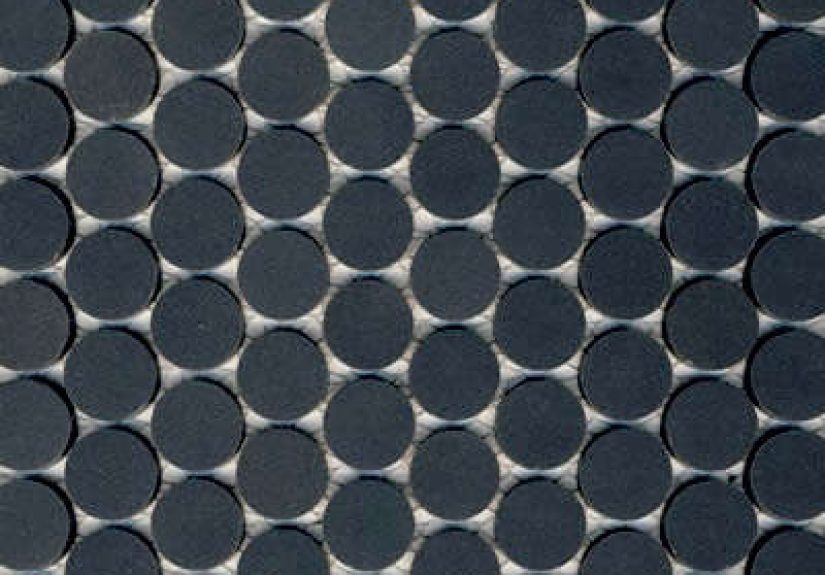
Now add penny tile to the mix. Penny tiles are usually round mosaics mounted on mesh sheets.
They’re small, detailed, and full of curvesgreat for softening harsh lines in a room and creating that
timeless, early-1900s vibe.
Where Unglazed Porcelain Penny Tile Works Best
1) Shower floors
Penny rounds are a classic shower-floor choice for a reason: all those grout lines create texture and traction,
and the small format makes it easier to follow the slope toward a drain. Unglazed porcelain is also tough and
water-friendly when installed correctly (waterproofing below the tile still matterstile is not the waterproof
layer).
2) Bathroom floors (especially small ones)
Penny tile can make a compact bathroom feel curated instead of cramped. A soft white penny round reads bright
and clean; charcoal or black feels moody and historic. If you like that “old-house, but make it intentional”
look, this is your lane.
3) Mudrooms, laundry rooms, and entryways
Porcelain’s durability is perfect for daily foot traffic, and penny tile hides minor dust surprisingly well
until it doesn’t (we’ll talk cleaning soon). If you have kids, pets, or a household where people enter the home
like they’re auditioning for a muddy obstacle course, porcelain is your friend.
4) Backsplashes and accent areas
Penny rounds on a backsplash can be a subtle texture play. Unglazed finishes tend to look less “glassy,” which
can pair beautifully with natural stone counters, warm woods, and brushed metals.
Slip Resistance: The Safety Conversation Everyone Tries to Skip
Here’s the truth: no floor tile is “slip-proof.” But you can make smart choices. In the U.S.,
slip resistance for certain interior wet walking surfaces is often discussed using a measurement called
DCOF (Dynamic Coefficient of Friction). For tiles that are recommended for level interior areas
that may be walked on when wet, industry standards commonly reference a wet DCOF threshold of 0.42.
Penny tile adds a real-world advantage: the grout joints break up the surface, often improving traction compared
with large-format tile in the same finish. Translation: even if the tile itself isn’t a traction superhero, the
mosaic system can behave better underfoot.
The Real Trade-Off: Grout Lines (AKA Your New Roommate)
Penny tile’s charm is also its “gotcha”: it has a lot of grout. Grout can discolor, hold onto
soap residue, and collect grime in high-use areas. The tile might be nearly impervious, but grout is naturally
more porousso your maintenance plan should focus on the joints as much as the tile.
Daily/weekly reality checks
- In showers: rinse and ventilate. A quick squeegee habit is boring… and extremely effective.
- On floors: vacuum first (dust turns into a scrub paste when wet), then mop with a pH-neutral cleaner.
- Avoid harsh acids: many strong cleaners can damage grout and some finishes over time.
Should you seal unglazed porcelain penny tile?
Many porcelain tiles don’t require sealing, but grout often benefits from sealing to resist stains.
Unglazed porcelain is a special case: depending on how the surface is manufactured and how fine the pores are,
some installers use penetrating sealers to reduce staining and make routine cleaning easierespecially in light
colors. The correct answer is “test first,” not “seal everything forever.”
Installation: Why Penny Tile Looks Easy Until It’s Not
Penny rounds are sheet-mounted, which makes people assume installation is like laying down sticker sheets.
Unfortunately, it’s more like laying down sticker sheets… on a trampoline… while trying to keep every dot
perfectly spaced.
Start with flatness (seriously)
Small mosaic tile follows the surface underneath it. If your floor has dips or humps, penny tile won’t “bridge”
them the way larger tiles sometimes can. The result can be visible waviness, uneven puddling, and a layout that
makes your eye twitch every time the light hits it.
Use the right mortar and trowel approach
With mosaics, you’re balancing two risks: too little mortar (poor support) and too much mortar (thinset
squeezing up into joints). The goal is full coverage beneath the tile while keeping the joints clean enough
for grout. Many pros spread mortar with an appropriate notch, then lightly flatten ridges so the small tiles
don’t “telegraph” the trowel pattern.
Watch your underlayment choices
If you’re using an uncoupling membrane, check the manufacturer’s minimum tile size requirements. Some systems
require a minimum tile format (often around 2″ x 2″) to properly distribute loads. Many penny rounds are smaller
than that per individual piece, so the membrane may not be rated for that use without an approved method.
Don’t guessmatch the system to the mosaic.
Sheet alignment is everything
Penny sheets can show seams if you don’t “blend” them. Common pro moves include:
- Dry-fitting sheets and mixing them from multiple boxes for color consistency.
- Using spacers and straightedges to keep the layout from drifting.
- Cutting and re-spacing individual pennies along sheet edges where the mesh creates awkward gaps.
Grout selection: pick your lifestyle
For many penny mosaics, joint width often lands around 1/16″–1/8″. Traditional guidance is:
unsanded grout for narrower joints and sanded grout for wider ones. But the “best”
grout depends on the room.
- Cement grout: budget-friendly, classic, but more stain-prone unless sealed.
- High-performance/modified cement grout: improved stain resistance and durability.
- Epoxy grout: excellent stain resistance and great for wet/high-traffic areas, but it’s fussier to install and clean up.
In a shower or a busy mudroom, many people choose epoxy grout specifically because penny tile has so many joints.
More joints = more opportunities for discoloration, and epoxy helps reduce that headache.
Design Choices That Actually Matter
Color: bright, bold, or “quietly expensive”
Unglazed porcelain penny tile often comes in clean neutrals (white, bone, gray, black) and sometimes muted color
palettes. Light penny tile can brighten a room and look timelessbut it may show dirt in grout more quickly.
Dark tile can look dramatic and hides certain stains better, but soap residue can show up in showers like a chalky
surprise.
Grout color: the make-or-break decision
- Matching grout: makes the floor feel smoother and more modern.
- Contrasting grout: highlights the penny pattern and leans vintage.
- Mid-tone grout: the “I want style and sanity” compromise.
Finish and texture
Unglazed porcelain usually reads more matte and tactile. That’s great for reducing glare and increasing visual
warmth, but it can hold onto grime more than a glossy surface. If you’re choosing a very light color, ask for a
sample and do a real test: a little coffee, a little shampoo, and a normal wipe-down. If it behaves well in your
“mess audition,” you’re good.
Cost: Why Penny Tile Can Be Pricier Than It Looks
Material costs vary widely by brand and color, but labor is where penny tile often jumps. The installation is
slower, the layout is fussier, and grouting takes longer because there are more joints to pack, tool, and clean.
If a quote for penny tile is higher than you expected, it’s not always a scamit’s math.
Common Mistakes (So You Don’t Star in a Tile Horror Story)
- Skipping surface prep: penny tile will highlight uneven floors.
- Using too much mortar: thinset in joints makes grouting miserable.
- Not checking sheet spacing: seams can “ghost” through the finished floor.
- Choosing the wrong grout for the space: a white cement grout in a high-traffic entryway can age… dramatically.
- Ignoring maintenance reality: if you hate cleaning, plan for darker grout or epoxy.
Quick FAQ
Is unglazed porcelain penny tile good for shower floors?
Yeswhen installed over a properly waterproofed shower system with correct slope and drainage. Penny rounds are
especially good at following slopes and providing extra traction via grout joints.
Do I need to seal the tile?
Often, sealing the tile body isn’t necessary for porcelain, but sealing grout can help. For unglazed porcelain,
a penetrating sealer may be used in some cases to reduce staining and simplify cleaningtest a spare sheet first.
What grout color is most practical?
Mid-tone grays and warm neutrals tend to hide everyday grime better than bright white while still keeping the
space feeling clean. If you love white-on-white, consider epoxy grout for easier long-term maintenance.
Real-World Experiences With Unglazed Porcelain Penny Tile (About )
People don’t fall for penny tile because it’s the easiest option. They fall for it because it makes a room feel
“finished” in a way that’s hard to fake. And after living with it, homeowners and installers tend to share a
handful of very consistent experienceslike a tile support group, but with better lighting.
Experience #1: The shower floor that feels safer (and looks boutique). In many bathrooms, penny
rounds become the “quiet hero” underfoot. The surface feels more stable because the grout joints add grip, and the
small pieces naturally follow the slope to the drain. People often say the shower looks like it belongs in a
stylish hotelright up until they realize their shampoo has aspirations of becoming modern art in the grout lines.
The fix is rarely dramatic: consistent ventilation, quick rinses, and choosing a grout that doesn’t stain easily.
Experience #2: Entryways reveal your household personality. If you have a “shoes off at the door”
home, penny tile can stay looking fresh with basic sweeping and occasional mopping. If you have a “we own three
dogs and a child who believes puddles are a lifestyle” home, penny tile is still durablebut the grout becomes
the star of your cleaning routine. Many people end up wishing they’d chosen a slightly darker grout, not because
the tile failed, but because the grout is simply honest about what happened today.
Experience #3: Installers respect penny tile… and sometimes fear it. The most common installer
feedback is that penny rounds reward patience. Sheets aren’t always perfectly aligned, and tiny spacing issues can
cascade across a floor if you rush. Pros who love mosaics will talk about dry-laying, using straightedges, and
“massaging” sheets into alignment like they’re coaching a team. Homeowners who go DIY often say the first few
sheets feel great, and the next few introduce them to the concept of “micro-misalignment.” The good news: careful
layout and frequent stepping back to check your work makes a massive difference.
Experience #4: Grout choice becomes the best decision you didn’t know you were making. People who
used standard cement grout in high-traffic or wet areas often report more frequent deep-clean cycles. People who
used epoxy grout tend to report less staining and easier maintenancealong with the memory of a more intense
installation day. If you want the penny look without becoming a grout hobbyist, this is where you spend your
energy: picking a grout that matches your lifestyle, not just your Pinterest board.
Experience #5: The look ages well. Trends come and go, but penny tile has been around for a long
time because it works visually. Unglazed porcelain versions in particular tend to keep their “honest” matte
appearance, and the through-body color can make small wear less noticeable. Many homeowners say that a year later,
they don’t think about the tile muchwhich is the highest compliment a floor can receive.
Conclusion
Unglazed porcelain penny tile is a smart mix of durability and timeless styleespecially in bathrooms, showers,
and hardworking floors. The secret is respecting the details: proper prep, careful sheet alignment, and a grout
plan that fits real life. Do that, and you get a surface that looks classic on day one and still feels right years
laterwithout needing a dramatic “tile intervention.”