Table of Contents >> Show >> Hide
- What Is the Cottage Cheese and Mustard “Diet,” Exactly?
- Why People Might Lose Weight on It (Even If It’s Not Magic)
- Nutrition Reality Check: What’s Actually in Cottage Cheese + Mustard?
- So… Is It Healthy?
- Potential Benefits (When You Use It Like a Normal Person Food)
- Potential Downsides (Where TikTok Gets a Little Too Confident)
- Who Should Be Extra Cautious?
- If You Like the Combo, Here’s How to Make It Healthier (Without Making It a “Diet”)
- Better Weight-Loss Strategy: Focus on Patterns, Not Viral Pairings
- Bottom Line
- Real-World Experiences: What People Notice When They Try the Cottage Cheese + Mustard Trend
TikTok has a special talent: it can turn two random fridge items into a “life-changing” plan before your coffee finishes brewing.
The latest odd couple? Cottage cheese + mustard. Some videos frame it as a weight-loss diet, others as a “high-protein hack.”
Either way, the vibe is: eat this combo, get results.
Here’s the truth (with love, and with a spoon): cottage cheese and mustard can be a perfectly fine snack or dip.
But as a dietespecially if it replaces balanced mealsit can get nutritionally lopsided fast.
Let’s break down what’s actually in this trend, what it can (and can’t) do for weight loss, who should be careful, and how to make it healthier without living on condiment chaos.
What Is the Cottage Cheese and Mustard “Diet,” Exactly?
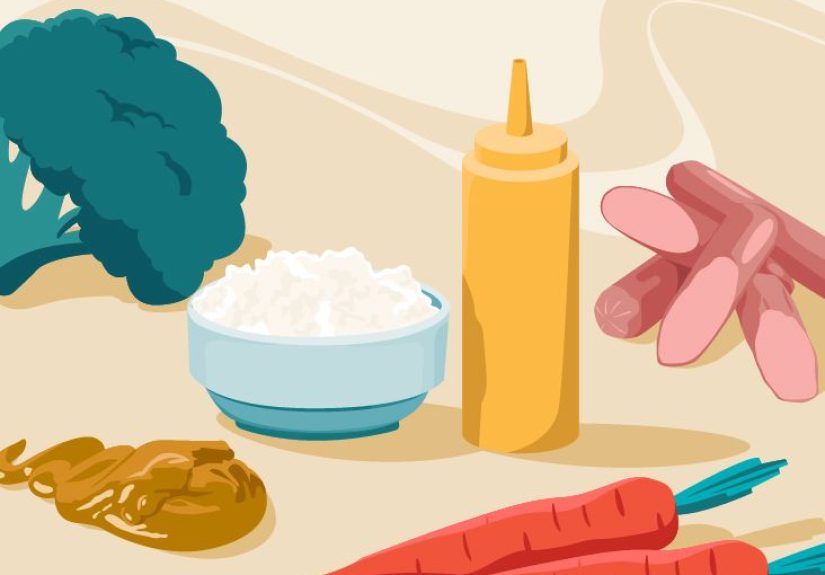
The trend usually looks like this: people mix cottage cheese with yellow mustard (or Dijon), sometimes adding spices, hot sauce, pickles, or chopped veggies.
Then they eat it by the bowl, use it as a dip, or swap it in for higher-calorie spreads and sauces.
The most viral versions market it as a simple weight-loss method: high protein, low calories, “keeps you full,” and easy enough that you can do it on autopilot.
And surewhen you’re busy, tired, or trying to avoid another drive-thru moment, “mix two things” can feel like nutrition’s greatest hits album.
The problem starts when the trend turns into rigid rules: eat this to lose weight, skip that, repeat forever.
That’s when it stops being a snack idea and starts acting like a fad diet in a trench coat.
Why People Might Lose Weight on It (Even If It’s Not Magic)
If someone loses weight while eating cottage cheese and mustard often, it’s usually not because mustard has secret “fat-melting” powers.
It’s because of a few predictable factors that show up in a lot of “trend diets.”
1) It Can Create a Calorie Deficit Without Trying Very Hard
Cottage cheese is relatively low in calories for the amount of protein it delivers, and mustard is extremely low calorie.
If this combo replaces higher-calorie snacks (chips, cookies, sugary coffee drinks) or heavy condiments (some creamy dressings and spreads),
total daily calories can drop.
2) Protein Helps With Fullness
Protein is strongly linked with satiety (feeling full and satisfied). Cottage cheese is especially rich in casein,
a slower-digesting dairy protein that can help some people stay full longer.
Translation: you may snack less later because you’re not ravenous.
3) The “Food Rules” Effect
Viral diets often work short-term because they shrink your options.
When your choices narrow to “the bowl,” decision fatigue disappears… along with the spontaneous muffin.
But that same restriction can backfire later if it becomes monotonous, socially awkward, or emotionally exhausting.
Nutrition Reality Check: What’s Actually in Cottage Cheese + Mustard?
Cottage Cheese: The Good, the Salty, and the Individual
Cottage cheese is a high-protein dairy food that also provides important nutrients like calcium and B vitamins.
Many people like it because it’s versatile: sweet (with fruit) or savory (with herbs, veggies, or yesmustard).
- Protein: Supports satiety and helps preserve lean mass during weight loss.
- Calcium: Important for bone health and muscle function.
- Convenience: It’s ready to eat, no cooking required.
The main nutritional “watch-out” is sodium. Many cottage cheese products contain a surprisingly high amount,
and that can matter for blood pressure or anyone on a sodium-restricted plan.
The good news: low-sodium and no-salt-added options existlabel reading is your friend here.
Also important: cottage cheese is dairy. If you’re lactose intolerant or sensitive, eating large amounts can mean bloating,
discomfort, or a bathroom sprint that you did not schedule.
Mustard: Low-Calorie Flavor, Not a Nutrition Multivitamin
Mustard is mostly a flavor toolsharp, tangy, and powerful enough to make bland food suddenly feel intentional.
In most cases, mustard is low calorie and low sugar, which is why it shows up in weight-loss “hacks.”
But mustard can also add sodium, especially in larger amounts or certain varieties (like some Dijons).
It’s not automatically a problem; it just means the “healthy” label depends on your overall sodium intake for the day.
So… Is It Healthy?
As a snack or ingredient: it can be healthy for many people.
Cottage cheese offers protein and key nutrients, and mustard adds big flavor for minimal calories.
Used as a dip for vegetables, a spread on whole-grain toast, or part of a balanced meal, it can absolutely fit into a nutritious pattern.
As a “diet” (especially a repetitive, meal-replacing one): it’s not a great idea.
Any plan that leans heavily on one combo risks missing the bigger nutrition picturefiber, plant variety, healthy fats,
and a wide range of vitamins and minerals.
Potential Benefits (When You Use It Like a Normal Person Food)
It’s a High-Protein Snack That Can Support Healthy Weight Management
If your goal is better appetite control or fewer ultra-processed snack attacks, cottage cheese can be a helpful protein anchor.
Pair it with fiber-rich foods (think veggies, fruit, beans, or whole grains) and it’s even more satisfying.
It Can Replace Higher-Calorie Spreads
Cottage cheese can act like a creamy base in recipes where you might otherwise use mayonnaise, sour cream, or heavy sauces.
Add mustard and seasonings, and you get a punchy dip that feels indulgent without being dessert-in-disguise.
It’s Easy to Customize
One reason the trend sticks: it’s flexible. You can change the texture (blend it), the flavor (herbs/spices),
and the “vehicle” (veggies, crackers, wraps) without needing a culinary degree.
Potential Downsides (Where TikTok Gets a Little Too Confident)
1) Sodium Can Stack Up Fast
Cottage cheese often contains significant sodium, and mustard can add more.
If you’re also eating salty convenience foods (common in real life, because real life is busy),
you can drift into a high-sodium pattern without realizing it.
Over time, high sodium intake is linked with higher blood pressure risk in many people.
2) It’s Not a Complete Meal
A bowl of cottage cheese and mustard isn’t automatically “balanced.”
It’s heavy on protein (and sometimes sodium), but it typically lacks:
- Fiber (important for gut health, fullness, and cholesterol support)
- Plant variety (vegetables, fruits, legumes)
- Healthy fats (like those from nuts, seeds, or olive oil)
If you use it as a snack inside an overall balanced diet, fine.
If it becomes breakfast, lunch, dinner, and your personality, you’re likely missing important nutrients.
3) Restrictive Diet Messaging Can Backfire
A big concern with viral diet trends is the “quick fix” framing.
When weight loss is treated like a hack, people often swing between strict phases and rebound phases:
“I’m doing great!” → “I can’t stand this anymore!” → “I failed.”
Sustainable weight management tends to come from patterns you can live with:
regular meals, enough protein, enough fiber, realistic portions, and foods you actually enjoywithout turning every bite into a moral test.
4) Not Great for Everyone’s Digestion
Large amounts of dairy can be uncomfortable for people with lactose intolerance or dairy sensitivity.
Some individuals also find that very high-protein, low-fiber eating leaves them feeling… let’s say “not regular.”
If you try the trend and your stomach starts filing complaints, it’s not willpowerit’s biology.
Who Should Be Extra Cautious?
- People with high blood pressure or who need a low-sodium diet.
- Anyone with kidney disease or who has been told to limit protein/sodium/phosphorus (follow medical guidance).
- People with lactose intolerance or dairy sensitivity.
- Anyone with a history of disordered eating or who finds “diet rules” triggering or obsessive.
- Teens and growing adolescents who need adequate overall nutrition for growth, learning, and sportsrestriction can be risky.
If You Like the Combo, Here’s How to Make It Healthier (Without Making It a “Diet”)
If cottage cheese and mustard tastes good to you, keep it.
Just use it as one tool inside a bigger, balanced pattern.
Build a Balanced Snack Plate
- Protein: Cottage cheese (choose lower-sodium if needed).
- Fiber crunch: Raw veggies like cucumbers, carrots, bell peppers, cherry tomatoes.
- Optional whole grain: Whole-grain crackers or a slice of whole-grain toast.
- Optional healthy fat: A small handful of nuts or seeds, or avocado on the side.
Use It as a Dip or Spread, Not a “Rule”
The healthiest version of this trend is when it becomes a flavor upgradenot a meal replacement mandate.
It’s the difference between “I found a tasty dip” and “I’m only allowed to eat The Bowl now.”
Watch the Sodium (Especially If You Eat It Often)
If you’re doing this combo frequently, check labels and consider low-sodium cottage cheese.
You don’t have to fear salt like it’s a villain in a superhero movie, but you do want awarenessespecially if you have blood pressure concerns.
Better Weight-Loss Strategy: Focus on Patterns, Not Viral Pairings
Healthy weight loss (and healthy weight maintenance) usually comes from repeatable habits:
the kind you can keep doing when TikTok moves on to its next food plot twist.
Simple, Evidence-Aligned Moves That Actually Help
- Prioritize protein at meals (not extreme amountsjust consistent).
- Increase fiber with fruits, vegetables, beans, and whole grains.
- Limit ultra-processed “easy overeating” foods most of the time, not all of the time.
- Sleep and stress management matter more than influencers admit.
- Move your body in ways you don’t hate (walking counts, dancing counts, living counts).
If a trend helps you eat more protein and fewer sugary snacks, great. But the end goal is not “perfect compliance.”
The goal is a way of eating that supports your health, energy, and lifewithout turning lunch into an audition.
Bottom Line
The cottage cheese and mustard combo can be healthyas a snack, dip, or ingredient.
It’s high in protein, easy to prep, and flavorful enough to keep you interested.
But calling it a weight-loss “diet” is where things get shaky.
If you rely on it heavily or use it to replace balanced meals, you may miss key nutrients, pile up sodium, and get stuck in restrictive dieting cycles.
Want the healthiest takeaway? Keep the parts that work (protein + flavor), and pair them with a balanced, varied eating pattern that you can maintain long after the algorithm moves on.
Real-World Experiences: What People Notice When They Try the Cottage Cheese + Mustard Trend
If you’ve ever tried a viral food trend, you already know the emotional arc:
Day 1 is optimism. Day 3 is confidence. Day 7 is either “I’m a new person” or “if I see cottage cheese again, I’m filing a complaint.”
Here are the most common experiences people report when they experiment with the cottage cheese and mustard comboespecially when the goal is weight loss.
“I’m Surprisingly Full” (At First)
Many people notice they feel fuller than expected, especially if they previously relied on low-protein snacks.
Protein tends to be more satisfying than refined carbs alone, so swapping chips or pastries for a protein-based snack can reduce mindless grazing.
This is one of the reasons the trend feels so effective early on: it can naturally reduce snacking frequency.
“My Cravings Calmed Down… Until They Didn’t”
Some people say cravings quiet down for a whileparticularly late-night snack urges.
But if the overall diet becomes too repetitive or too restrictive, cravings often return with a vengeance.
Not because you’re “weak,” but because humans are not designed to thrive on the same two flavors forever.
When the plan feels like punishment, the brain starts negotiating.
“My Digestion Has Opinions”
Digestive feedback is common. For people who tolerate dairy well, cottage cheese may feel fine.
For othersespecially those with lactose intolerancebloating, discomfort, or irregularity can show up quickly.
Another pattern: if someone uses the trend to replace higher-fiber meals, they may notice they’re less regular.
Protein helps with fullness, but fiber often helps with comfort and consistency.
“It’s Easy… but It Gets Boring”
The convenience is real. Mixing cottage cheese and mustard is fast, inexpensive, and requires zero cooking.
That’s why people like it during busy weeks.
But the downside is monotony. A lot of people report they can do it for a short stretch, then they hit the “I can’t do this anymore” wall.
When a diet hinges on one repetitive combo, boredom becomes a genuine barriernot a character flaw.
“It Worked When I Used It as a Tool, Not a Rule”
The most positive experiences usually come from people who treat this combo as a strategy, not a lifestyle contract.
For example: using it as an afternoon snack to avoid vending-machine choices, or as a dip that makes veggies easier to enjoy.
In those cases, it supports healthier patterns without becoming the entire plan.
“The Social Side Is Weird”
A small but real factor: eating habits happen around other people.
Some folks feel awkward bringing “the bowl” to school, work, or social events.
Others feel fine but realize they don’t want a food routine that makes them feel isolated.
Sustainable weight management usually fits into your real lifefriends, family meals, holidays, and all.
What These Experiences Suggest
The trend’s best lesson is simple: protein and flavor can help you feel satisfied.
The trend’s biggest trap is also simple: turning one food combo into a “diet” can push you toward restriction, boredom, and nutrient gaps.
If you want lasting results, borrow the helpful part (a protein-forward snack) and build it into a varied, balanced routine that you actually enjoy.