Table of Contents >> Show >> Hide
- What Is a Toilet Auger?
- Toilet Auger vs. Plunger vs. Drain Snake
- When You Should (and Shouldn’t) Use a Toilet Auger
- Parts of a Toilet Auger (So You Don’t Wrestle It Like a Garden Hose)
- What You’ll Want Nearby Before You Start
- How to Use a Toilet Auger: Step-by-Step
- Step 1: Shut off the water if overflow is likely
- Step 2: Set the auger cable in the “retracted” position
- Step 3: Insert the auger’s curved end into the toilet bowl
- Step 4: Extend the cable with gentle pressure while turning the handle
- Step 5: Work the clog (don’t just ram it)
- Step 6: Retract the cable slowly
- Step 7: Flush (carefully) and test
- Common Mistakes (and How to Avoid Them)
- How to Clean and Store a Toilet Auger Without Turning Your Bathroom Into a Lab
- If the Auger Doesn’t Work, Here’s What That Might Mean
- When to Call a Plumber (No Shame, Just Strategy)
- How to Prevent Toilet Clogs (So Your Auger Can Retire Early)
- Quick FAQ
- Real-World Experiences: What Actually Happens When You Use a Toilet Auger (and What People Learn Fast)
There are few household moments more dramatic than the “uh-oh” swirl. One second you’re flushing like a responsible adult, the next your toilet is auditioning to become a decorative fountain. Before you panic-text everyone you know (including that one friend who “totally could’ve been a plumber”), meet the unsung hero of bathroom emergencies: the toilet auger.
A toilet augersometimes called a closet auger or toilet snakeis built specifically to clear toilet clogs without wrecking your porcelain or your sanity. Used correctly, it can save you a service call and help you fix the problem in minutes. Used incorrectly… it can still save you a service call, but you may learn new words along the way.
What Is a Toilet Auger?
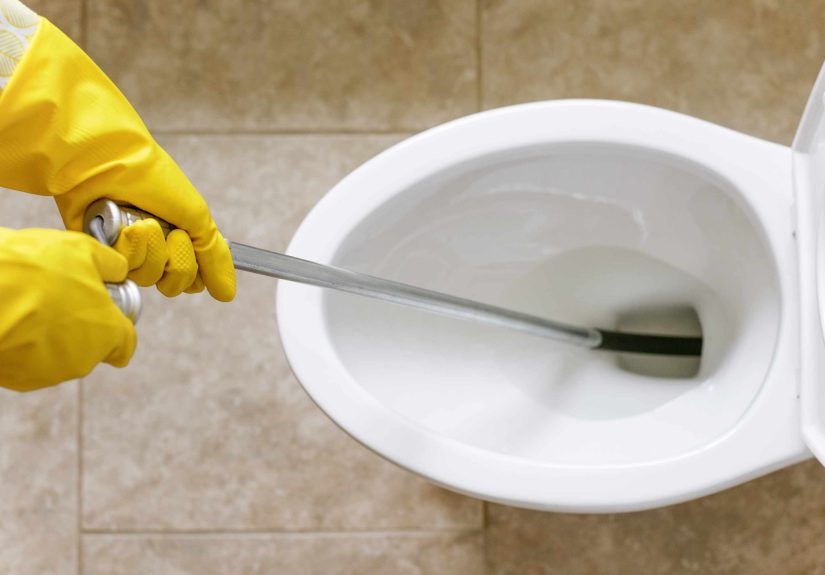
A toilet auger is a hand-powered plumbing tool designed to break up or retrieve clogs from a toilet’s built-in trapway (that curvy S-shaped path inside the toilet). It’s different from a standard drain snake in a few important ways:
- It has a protective “boot” or sleeve (often vinyl, rubber, or plastic) that helps prevent scratches on the toilet bowl.
- It has a curved end made to follow the toilet’s bend instead of fighting it.
- It uses a crank and cable to push a flexible metal coil into the trap and toward the blockage.
Most toilet augers are 3 to 6 feet long, which is usually enough to reach the clog area inside the toilet and slightly beyond. If you’re dealing with a clog farther down the drain line, a toilet auger may not be the right tool (more on that soon).
Toilet Auger vs. Plunger vs. Drain Snake
Think of toilet unclogging tools as a tiny bathroom superhero team:
Plunger: The first responder
A flange (toilet) plunger is best for soft clogs close to the drain openingthink too much toilet paper or “I dared myself” decisions. If you can clear the clog with a plunger in a few solid attempts, great. You’re done.
Toilet auger: The specialist
When plunging fails, a closet auger is the next move. It reaches into the trapway, breaks up stubborn clogs, and can sometimes hook and pull out an object.
Drain snake: The wrong tool (for many toilets)
A standard drain snake can scratch porcelain and may not navigate the toilet’s tight bends well. It’s typically better for sinks, tubs, and longer drain runsnot for the delicate curves of a toilet bowl.
When You Should (and Shouldn’t) Use a Toilet Auger
Use a toilet auger when:
- The toilet won’t flush fully and plunging isn’t working.
- Water rises in the bowl but drains slowly over time.
- You suspect a stubborn clog in the trapway (common with excess paper or “flushable” wipes).
- A small object may be stuck (kids’ toys, toothbrush, comb, etc.).
Don’t use a toilet auger when:
- You already poured chemical drain cleaner into the bowl. Mechanical tools can splash chemicals back at you. That’s not a DIY badge of honorit’s a bad day. (If chemicals are in the bowl, follow product safety directions and consider professional help.)
- The toilet is overflowing and water is still rising. Shut off the water supply first (the small valve behind the toilet), remove the tank lid, and lift the float if needed.
- Multiple fixtures are backing up (toilet plus tub/shower/sink). That can signal a bigger drain or sewer-line issue.
Parts of a Toilet Auger (So You Don’t Wrestle It Like a Garden Hose)
- Handle/crank: You rotate this to extend the cable and spin the tip.
- Cable: A flexible metal coil that travels into the trapway.
- Curved tube: The rigid “neck” that guides the cable around the toilet bend.
- Protective boot/sleeve: Helps prevent scratching the bowl.
- Bulb head or coil tip: The business end that breaks up or grabs the clog.
Quick tool-shopping note: Most homeowners do fine with a basic 3-foot auger. If your toilets are older, have deeper traps, or you’ve had repeat clogs, a 6-foot model can be worth it. There are also hybrid models that can accept a drill attachment for extra torque, but you should use that feature carefully (and only if the manufacturer recommends it).
What You’ll Want Nearby Before You Start
Toilet augers are not complicatedbut they are… enthusiastic about making a mess if you’re unprepared. Gather:
- Rubber gloves (longer is betterthis is not the time for bravery)
- Old towels or paper towels
- A small bucket or trash bag for debris
- Disinfectant cleaner (anything rated for bathroom sanitizing)
- Optional: eye protection (especially if the bowl is full)
Pro move: Lay towels around the base of the toilet and along your path to the sink or tub. You’re planning for success and for the possibility that your auger comes out looking like it fought a swamp monster.
How to Use a Toilet Auger: Step-by-Step
Here’s the process that works for most standard clogs. The biggest keys are gentle pressure, steady cranking, and not forcing anything.
Step 1: Shut off the water if overflow is likely
If the bowl is high and you’re worried about overflow, turn the shutoff valve behind the toilet clockwise until it stops. If the toilet tries to refill during this adventure, you want it politely refusing.
Step 2: Set the auger cable in the “retracted” position
Before inserting the auger, make sure the cable tip is pulled back into the curved tube. Many augers have a handle you pull up so the cable sits near the end of the tubethis helps prevent scratching and keeps things controlled.
Step 3: Insert the auger’s curved end into the toilet bowl
Place the protective boot against the bowl and aim the cable opening into the drain at the bottom. You’ll generally angle it so the cable follows the toilet’s curve (often toward the back of the drain path). Keep the boot snug against the porcelain to reduce scratching.
Step 4: Extend the cable with gentle pressure while turning the handle
Slowly crank the handle clockwise (most models use clockwise to extend). At the same time, apply light forward pressure so the cable moves into the trapway.
What you’ll feel: At first, the cable should feed smoothly. When you hit resistance, you’ve likely found the clogor you’re at a tight bend. Don’t panic. Don’t Hulk-smash.
Step 5: Work the clog (don’t just ram it)
When you meet resistance, keep cranking gently. You can also do a controlled “push and pull” motion:
- Crank a few turns to bite into the clog
- Pull back slightly
- Crank again and advance
This can break up soft clogs and help the tip snag an object. The goal is to either dislodge the blockage or hook and remove itwhichever makes sense for what’s stuck.
Step 6: Retract the cable slowly
Once the resistance eases (or you’ve worked the clog for a bit), reverse the motion and retract the cable. Pull it out slowly to avoid splashing. If you snagged debris, drop it into a trash bagdo not “rinse it in the sink” unless you want to start a brand-new plumbing plot twist.
Step 7: Flush (carefully) and test
Turn the water back on if you shut it off. Flush once. If water drains normally, celebrate modestly. If it still rises or drains slowly, repeat the processmany clogs take two or three passes.
Common Mistakes (and How to Avoid Them)
Mistake 1: Using the wrong tool
A toilet auger is designed for toilets. A standard drain snake is more likely to scratch porcelain or behave badly in the toilet’s tight bend. If your goal is “unclog without regrets,” use the right tool.
Mistake 2: Forcing the cable
If you jam the auger hard, you can damage the toilet, the wax ring seal, or even push the clog farther down. Use steady cranking and gentle pressure instead of brute force.
Mistake 3: Going in after chemical drain cleaners
If chemicals are in the bowl and you start plunging or augering, you risk splashes to your skin or eyes. If you’ve already used chemicals, pause and handle the situation with safety in mind.
Mistake 4: Skipping cleanup
An auger is a tool that visits places we do not speak of at dinner. Clean and disinfect it after every use, then store it in a bag or bin so it doesn’t drip-trail its memories through your closet.
How to Clean and Store a Toilet Auger Without Turning Your Bathroom Into a Lab
- Rinse the cable end in the toilet bowl (after the clog is cleared) by running clean water and retracting the cable slowly.
- Wipe the cable and tube with disinfectant cleaner according to label directions.
- Wash gloves (or toss disposable gloves), then wash hands thoroughly.
- Store the auger in a plastic bag, bucket, or dedicated storage sleeve.
Safety reminder: Don’t mix cleaning chemicals. If you’re using bleach-based disinfectant, don’t pair it with other cleaners in a way that could create fumes.
If the Auger Doesn’t Work, Here’s What That Might Mean
Sometimes a toilet clog is not just a toilet clog. If you’ve tried augering a few times with no improvement, consider these possibilities:
The clog is beyond the toilet
If the blockage is deeper in the drain line, a toilet auger may not reach it. You may need a longer drain snake (often a job for a pro, especially if multiple fixtures are affected).
The toilet is flushing poorly for a different reason
A weak flush can be caused by issues in the tank (flapper, chain, water level), clogged rim jets, or venting problems. If the bowl refills but doesn’t clear waste effectively, it might not be a trapway clog at all.
The problem is recurring (and not your fault)
If you’re augering the same toilet every other week, you’re not “bad at toilets.” You may have an underlying issue like partial blockage farther down the line, venting trouble, or something getting flushed that shouldn’t be.
When to Call a Plumber (No Shame, Just Strategy)
DIY is greatuntil it isn’t. Consider calling a pro if:
- The toilet overflows repeatedly or you can’t control the water level
- More than one drain is backing up (toilet plus tub/shower/sink)
- You notice sewage smells, gurgling, or slow drains throughout the house
- You suspect a hard object lodged beyond the toilet’s reach
- You’ve tried plunging and augering multiple times with no improvement
Also, if you’re renting, check your lease and maintenance rules. Some clogs are your responsibility, but recurring or system-wide issues usually aren’t.
How to Prevent Toilet Clogs (So Your Auger Can Retire Early)
- Flush only toilet paper and human waste. “Flushable” wipes are famous for causing clogs and sewer issues.
- Use less paper per flush. Multiple smaller flushes beat one “mega-flush” every time.
- Keep small objects away. Kids’ toys, cotton swabs, dental floss, and hygiene products belong in the trash, not the trapway.
- Maintain the toilet’s performance. Make sure the tank water level is correct and the flush components work properly.
Quick FAQ
Can a toilet auger damage my toilet?
It can if you force it or scrape the porcelain with an unprotected cable. But toilet augers are designed to be safer for toilets than standard drain snakes when used correctly.
Will a toilet auger push the clog deeper?
It can if you aggressively ram the obstruction. The best approach is controlled cranking that breaks up the clog or hooks debris so you can remove it.
Do I need a 3-foot or 6-foot auger?
Most household clogs are handled with a 3-foot model. A 6-foot auger gives extra reach for deeper trapways or stubborn clogs that sit slightly beyond the toilet’s internal bend.
Is it okay to use a drill-powered toilet auger?
Some models allow drill attachments for extra torque. If you use one, go slow, follow manufacturer directions, and avoid high speedtoo much force can damage plumbing or the toilet.
Real-World Experiences: What Actually Happens When You Use a Toilet Auger (and What People Learn Fast)
Reading instructions is one thing. Using a toilet auger while your bathroom quietly threatens to become a swimming pool is another. Here are common “this totally happens” experiences homeowners run intoand what they typically learn from them.
The “It Was Fine Until It Wasn’t” Toilet Paper Pile-Up
A classic scenario: guests are over, everyone’s being polite, and suddenly the toilet won’t fully flush. When the plunger doesn’t solve it, the auger usually doesbecause the clog is often packed in the trapway like a paper-mâché art project no one asked for. The lesson: a toilet auger works best when you take your time. People who crank slowly and keep steady pressure usually break the clog apart in one or two passes. People who rush often just compact the blockage tighter. (Toilets are surprisingly judgmental about impatience.)
The “Flushable Wipes” Plot Twist
Another real-life favorite: a household uses “flushable” wipes for weeks with no visible issue… until one day the toilet becomes sluggish, then stops draining normally. A plunger can’t always move that fibrous wad, but an auger can often snag and pull it back enough to clear the path. The big takeaway most people mention afterward is prevention: once you’ve pulled out a stringy, wipe-based clog, you rarely trust the word “flushable” again. Many households switch to a small lidded trash can in the bathroom and save themselves repeat drama.
The “My Kid Flushed WHAT?” Surprise
If you have kids (or adults who act like kids), objects in toilets happen. Small toys, a marker cap, a spongey bath item, even a dropped toothbrushany of these can lodge in the trap and create an instant, stubborn clog. In these cases, people often discover why a toilet auger is different from a plunger: plunging may just slam the object deeper, while the auger can sometimes hook it and bring it back. Homeowners who succeed at retrieval usually do two things: they retract the cable fully before inserting, and they work the obstruction gently with small forward-and-back motions instead of trying to bulldoze it through.
The “Why Is It Still Clogged?” Reality Check
Some experiences are less satisfying: you auger carefully, you feel resistance, you work it, you retract, you flushand the toilet still rises. This is where people learn to read the signs. If other drains are slow, or you hear gurgling in nearby fixtures, the issue may not be the toilet alone. In that case, repeated augering can become an exhausting loop with no payoff. Many homeowners report that the “aha” moment is checking other drains and realizing the problem is farther down the line (or related to venting). Calling a plumber at that point isn’t “giving up.” It’s choosing the correct level in the game.
The “Cleanup Is Part of the Job” Moment
First-time auger users often underestimate cleanup. Then they pull the cable out and instantly understand why plumbers have a specific walk and a specific stare. The people who have the smoothest experience typically prep towels first, keep a trash bag open nearby, and disinfect the tool immediately after. The best practical advice that comes up again and again: store the auger in a dedicated bag or bin. That way, the next time you need it (hopefully never, but life is unpredictable), you’re not hunting for a tool that’s dripping mysterious memories onto your floor.
In short: the toilet auger isn’t glamorous, but it’s incredibly effective. And if you keep one on hand, you’re basically the kind of person who can handle chaos with a crank and a calm facewhich is a wildly underrated life skill.