Table of Contents >> Show >> Hide
- What Are P2P Payments?
- How Do P2P Payment Apps Work?
- Popular P2P Payment Apps in the U.S.
- Why People Love P2P Payments: Key Benefits
- The Downsides: Risks and Limitations of P2P Payments
- When You Should Use P2P Payments
- When You Should Think Twice (Or Use Something Else)
- How to Use P2P Payment Apps Safely
- P2P Payments for Small Businesses and Side Hustles
- Real-World Experiences: What Using P2P Payments Feels Like
- Final Thoughts: Using P2P Payments Wisely
If you’ve ever said, “I’ll just Venmo you,” congratulationsyou’ve already used a peer-to-peer (P2P) payment. These apps have quietly replaced the awkward “who has cash?” moment at dinner with a quick tap and a couple of emojis.
But behind that friendly interface, P2P payments are real financial transactions with real risks, rules, and best-use scenarios. Used wisely, they’re incredibly convenient. Used carelessly, they can feel like handing your wallet to a stranger and hoping for the best.
In this guide, we’ll break down what P2P payments are, how they work, when they’re a smart choice, and when you should absolutely not use them. We’ll also walk through safety tips and some real-world examples to help you avoid common pitfalls.
What Are P2P Payments?
P2P paymentsshort for peer-to-peer payments or person-to-person paymentsare digital transfers of money directly between individuals using a mobile app or online platform. Instead of writing a check or handing over cash, you send money from your phone using the recipient’s email address, phone number, or username.
In simple terms: P2P payments move money from your account to their account through a digital middle layer (the app). The funding source is usually:
- A linked checking or savings account
- A debit card, or sometimes a credit card
- An in-app balance stored in a digital wallet
The goal is speed and convenience: sending money in seconds instead of waiting days for traditional transfers or tracking paper checks.
How Do P2P Payment Apps Work?
1. You link a funding source
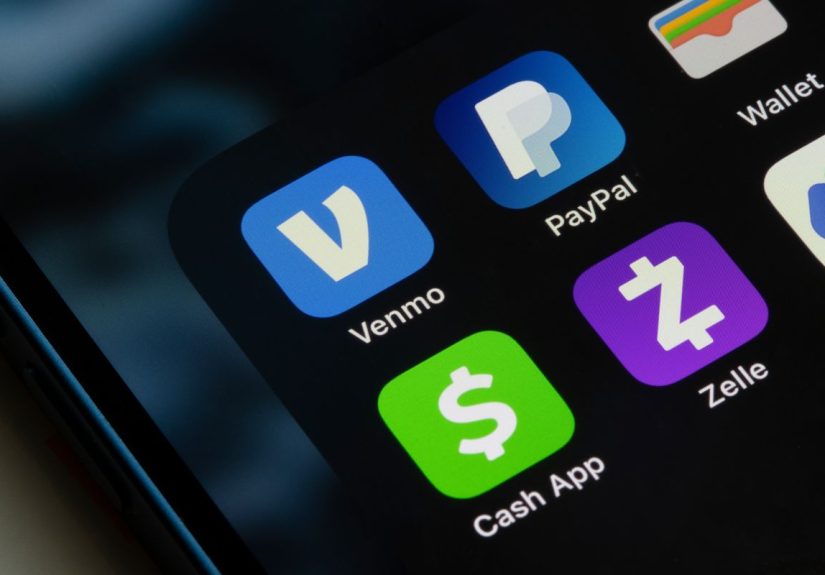
First, you download the app (like Venmo, Cash App, PayPal, Zelle via your bank, Apple Cash, or Google Pay) and connect it to your bank account, debit card, or another payment method. The app uses bank-grade encryption and security tools, but you still have to treat it as a serious financial account, not a game.
2. You choose who to pay
To send money, you select a contact or search by phone number, email, $cashtag, or username. Many apps will show a profile photo and limited info so you can confirm you’re paying the right person. (Double-check this. Accidentally paying “John Smith 123” instead of “John Smith 312” can be an expensive typo.)
3. You enter the amount and hit send
You type in the dollar amount, add a note (and maybe a “🍕” or “💸” for style), and then approve the payment. Depending on the app and funding source, the transfer may be instant, near-instant, or take a bit longer if the transaction is being reviewed.
4. The recipient gets the money
The recipient receives a notification and sees the funds in their app balance or directly in their bank account (for services like Zelle that move money bank-to-bank). If the funds land in the app wallet, they can either spend it through the app or transfer it to their bank, which might be instant or take 1–3 business days, sometimes with optional fees for faster transfers.
Popular P2P Payment Apps in the U.S.
In the United States, a few big names dominate the P2P payments scene:
- Venmo – Owned by PayPal, known for its social “feed” where friends can see and react to payments. Great for splitting rent, utilities, and group activities.
- PayPal – One of the original online payment platforms. Supports P2P transfers, online shopping, and even some business payments.
- Zelle – Built into many U.S. bank and credit union apps. Money typically moves directly between bank accounts, often in minutes.
- Cash App – Popular with younger users. Offers P2P payments, an optional debit card, stock and Bitcoin investing, and simple user handles.
- Apple Cash – Integrated into Apple Wallet for iPhone users. Lets you send and receive money via Messages or Wallet.
- Google Pay – Google’s digital wallet that supports person-to-person payments along with tap-to-pay in stores and online.
Each app has its own fee structure, transfer speeds, limits, and protectionsso “best” depends on how, and with whom, you plan to use it.
Why People Love P2P Payments: Key Benefits
1. Convenience and speed
No trips to the ATM, no writing checks, no “I’ll pay you next week, I promise.” P2P payments let you settle up in seconds from your couch, a restaurant, or your friend’s living room. For many people, it’s the default way to move small amounts of money.
2. Easy bill-splitting
Group dinner? Shared Airbnb? Bridal shower gift? Instead of one person chasing everyone for cash, one person pays and the rest send their share via app. Some apps even include built-in bill-splitting tools.
3. Low (or no) fees for personal transfers
Many services don’t charge fees when you send money from your bank account or in-app balance to friends and family. There may be fees for certain types of transfers (like using a credit card or opting for an instant cash-out), but basic person-to-person transfers are often free.
4. Instant confirmation
Unlike checks, which can bounce days later, P2P payments provide clear, immediate records. Both sender and recipient can see when the payment was sent and received, helping avoid “Wait, did you actually pay me?” arguments.
5. Helpful for cash-light lifestyles
If you rarely carry physical cash, P2P apps bridge the gap. You can reimburse your babysitter, pay your roommate for utilities, or chip in for gasall without touching a dollar bill.
The Downsides: Risks and Limitations of P2P Payments
For all the convenience, P2P payments are not magic money. There are real trade-offs you should understand before you rely on them for everything.
1. Payments are often “like cash” (hard to reverse)
Most P2P transfers are designed to be fast and final. If you send money to the wrong person or fall for a scam, it’s usually very difficultor impossibleto reverse the transaction. Unlike credit cards, you often don’t get robust chargeback protections for simple “I changed my mind” or “I was tricked” situations.
2. Scams target P2P apps
Scammers love P2P apps because the money moves fast and can be tough to recover. Common tricks include:
- Impersonation scams – Someone pretends to be your bank, a friend, or a family member and urges you to “send money now.”
- “Accidental” payments – A scammer sends you money (often from a stolen card) and asks you to send it back. When the original transfer is reversed, you’re out the money you sent.
- Fake buyers and sellers – On resale sites or marketplaces, scammers ask you to pay in advance via P2P and then disappearor they send fake proof of payment.
Because of how these apps are structured, you’ll usually get more protection if you were truly the victim of unauthorized access (like account takeover) than if you willingly hit “send” but were tricked.
3. Money stored in apps may not be federally insured
Here’s a big one many people miss: if you keep a large balance in a payment app, that money may not be protected by federal deposit insurance (like FDIC coverage at banks or NCUA coverage at credit unions). If the app’s holding structure or partner bank doesn’t qualify, or if the company runs into trouble, your funds could be at risk.
That doesn’t mean you should panic and delete every app; it just means you shouldn’t treat a P2P wallet like a long-term savings account. For safety, most experts suggest moving extra funds into a traditional insured bank or credit union account.
4. Fees and limits still apply
While many transfers are free, some situations trigger feesfor example, using a credit card, converting currencies, or requesting instant transfers to your bank. There are also sending, receiving, and daily/weekly limits that might restrict large transfers.
When You Should Use P2P Payments
P2P payments shine in specific situations. In general, they’re a great option when the amount is reasonable, the other person is known and trusted, and speed matters more than buyer protections.
Great use cases for P2P apps
- Splitting everyday expenses – Group dinners, movie tickets, rideshares, shared subscriptions, and family takeout nights.
- Paying friends and family – Reimbursing a sibling for concert tickets or sending money to your college-age kid.
- Roommate and household payments – Rent, utilities, internet, and shared groceries when everyone is on the lease or in the household.
- Trusted local services – Paying a longtime babysitter, dog-walker, lawn care provider, or music teacher you personally know.
- Small, informal side-hustle work – A friend’s home bakery, your cousin’s photography gig, or a neighbor mowing your lawn.
In these contexts, the dollar amounts are usually manageable, the relationships are ongoing, and everyone can quickly confirm if something looks off.
When You Should Think Twice (Or Use Something Else)
There are situations where a P2P app is absolutely not your best move, no matter how convenient it feels in the moment.
Avoid P2P payments in these scenarios
- Paying strangers online – For Facebook Marketplace, Craigslist, or any seller you don’t know, a method with stronger buyer protection (like a credit card or platform escrow) is better.
- Sending large sums to someone you don’t know well – That “investment opportunity” or surprise “urgent fee” is often a red flag.
- Paying for major services sight unseen – Renovations, expensive electronics, or big purchases should usually go through more protected channels.
- Responding to “urgent” pressure – Anyone insisting you must use P2P “right now or else” is waving a giant red scam flag.
As a general rule: use P2P apps for people you’d be comfortable handing cash to in person. If you wouldn’t hand them a wad of bills in a parking lot, don’t send them a digital payment either.
How to Use P2P Payment Apps Safely
P2P payments can be both convenient and relatively safeif you add a few protective habits to your routine.
1. Only send money to people you know and trust
Think family, close friends, verified roommates, and established service providers. If you’re paying someone from an online listing or ad, strongly consider another method that includes buyer protections.
2. Double-check recipient details
Before you hit send, confirm the username, phone number, or email address digit by digit. For larger amounts, verify via text or call: “Is this your handle?” A 10-second check can save you hundreds of dollars.
3. Turn on app security features
- Enable multi-factor authentication (MFA) or two-step verification.
- Use a strong unique passworddon’t reuse your email or social login password.
- Require a PIN, Face ID, or fingerprint to open the app or approve payments.
4. Don’t store large balances in payment apps
Use your P2P wallet as a short-term holding areanot a savings account. Regularly transfer excess funds into an FDIC- or NCUA-insured bank or credit union account where you have clearer protections if something goes wrong.
5. Watch for scams and “weird vibes”
Slow down if you see:
- Unexpected payment requests from “friends” with slightly off usernames
- Messages claiming to be from your bank asking you to “test” a transfer
- Offers that require you to pay upfront fees to receive a prize, loan, or refund
When in doubt, stop and contact the company or person directly using contact info you trustnot the link or number in the suspicious message.
6. Keep your phone and apps updated
Install updates for your mobile operating system and P2P apps regularly. Those updates often contain critical security patches that protect you from new threats.
P2P Payments for Small Businesses and Side Hustles
P2P apps were designed for personal use, but a lot of people use them to accept payments for small businesses and side hustles. Some platforms even offer dedicated “business profiles” with features like customer payment links, tipping, and reporting tools.
If you’re accepting P2P payments for business purposes, keep these points in mind:
- Separate personal and business funds – Use a dedicated business profile or account to keep your bookkeeping cleaner and make tax time easier.
- Review fees and terms – Business-type transactions may have different fees or chargeback rules than personal transfers. Don’t assume everything is free.
- Consider professional payment processors – As your business grows, you may want point-of-sale systems or online checkout tools that offer clearer dispute processes and customer support.
- Track income for taxes – P2P payments are still income. Keep records or export transaction histories so you can report earnings accurately.
For a casual side hustle or small volume of clients you know well, P2P can be a convenient tool. For a full-scale business, it’s usually just one piece of a broader payment strategy.
Real-World Experiences: What Using P2P Payments Feels Like
To make this more concrete, let’s walk through some everyday scenarios. These aren’t specific individuals, but they’re based on common patterns people run into with P2P apps.
“The Group Dinner That Just Works”
Alex goes out with four friends. One person pays the $200 bill with a credit card to earn rewards. Right at the table, everyone else opens their chosen app, finds that friend’s username, and sends $40 each. By the time the server brings the receipt, the payer already has the reimbursements in their app balance.
This is P2P at its best: small amounts, trusted friends, instant confirmation, and 0% drama over who still “owes” from three weeks ago.
“The Marketplace Deal That Almost Went Wrong”
Jordan finds a used gaming console on a local marketplace app. The seller insists: “Just send the money via P2P before I ship it.” Jordan hesitates. They’ve never met this person, and the price is suspiciously low. A quick online search confirms that scammers frequently use P2P apps for no-refund deals with strangers.
Jordan backs out and offers to pay in person when they meet at a public locationor through a platform with stronger buyer protections. The seller disappears. Red flag confirmed, money saved.
“The ‘Oops, Wrong Person’ Moment”
Priya is paying a coworker named Sam for concert tickets. She quickly types “Sam” in the app, taps the first profile, and sends $150. Two minutes later, her coworker says they still haven’t received anything. Priya checks the receipt and realizes she paid a different “Sam” with the same first and last name.
She contacts the app’s support, but because she authorized the transfer and it went to a valid account, recovery isn’t guaranteed. Sometimes the mistaken recipient cooperates and sends the money back; sometimes they don’t. Either way, it turns into a stressful situation that could’ve been avoided with a quick screenshot or double-check before sending.
“Helping FamilyFast”
Maria’s college-aged daughter has a minor car issue and needs $120 right away for a repair. Instead of wiring money or finding a bank branch, Maria sends funds instantly using a P2P app linked to her bank account. Her daughter sees the money almost immediately, pays the mechanic, and texts a relieved “thank you.”
Here, P2P shines as a real-time bridge between family members in different locations, making emergencies less chaotic.
“Running a Side Hustle With P2P”
Chris bakes custom cakes on weekends. Most customers are neighbors or coworkers, so Chris uses a P2P payment app with a business profile. They display a QR code on a simple printout: “Pay here.” Customers scan the code, pay on the spot, and Chris tracks all payments through monthly app exports.
Over time, Chris notices that once orders passed a certain size, some clients prefer invoices with traditional payment methods for their own records. So Chris adds an online invoicing tool for larger jobs but keeps P2P as a quick, convenient option for smaller orders.
Final Thoughts: Using P2P Payments Wisely
P2P payments have transformed how we move money between people. They’re fast, user-friendly, and ideal for everyday sharing of expenses and quick transfers among friends, family, and trusted contacts.
The key is to remember that convenience doesn’t erase risk. Treat P2P apps as real financial tools, not casual chat apps. Use them with people you trust, avoid storing large balances, turn on every security feature you can, and be extremely skeptical of anyone who pressures you to pay quickly or outside normal channels.
Used wisely, P2P payments can make your financial life smoother, simpler, and maybe even a little more funespecially when they save you from doing math on the back of a napkin ever again.