Table of Contents >> Show >> Hide
- What Is MSG, Exactly?
- Why MSG Makes Food Taste So Good
- Where MSG Comes From
- Is MSG Natural or Artificial?
- Why MSG Got Such a Bad Reputation
- What the Research Actually Says About MSG
- Does MSG Have a Lot of Sodium?
- Where You'll Find MSG in Food
- How to Read Labels Without Spiraling
- Should You Avoid MSG?
- How Home Cooks Use MSG Without Turning Dinner Into a Science Project
- The Bottom Line
- Experiences Related to MSG: What People Actually Notice in Real Life
- SEO Tags
MSG has had one of the weirdest reputations in modern food culture. It shows up in seasoning blends, soups, snack foods, and restaurant dishes, and somehow a tiny white crystal ended up with the kind of dramatic backstory usually reserved for reality TV villains. For decades, people blamed monosodium glutamate for headaches, flushing, mystery discomfort, and the downfall of civilization as we know it. Meanwhile, tomatoes, Parmesan, mushrooms, and soy sauce were just sitting there full of naturally occurring glutamates, minding their own delicious business.
So what exactly is MSG? Is it something to avoid at all costs, or did it get dragged through the culinary mud for no good reason? The short version is this: MSG is a flavor enhancer that delivers umami, the savory taste that makes food feel deeper, richer, and more satisfying. And despite the myths that still float around the internet like stubborn seasoning dust, the scientific consensus is much less scary than the folklore. In fact, for most people, MSG is not the food bogeyman it was once made out to be.
Let's separate fact from fear, pantry truth from dinner-table drama, and finally answer the question: what is MSG, really?
What Is MSG, Exactly?
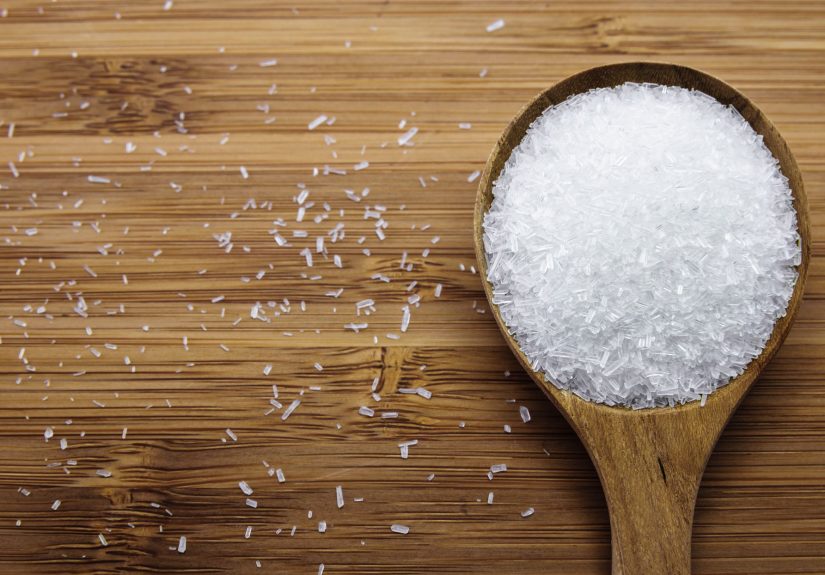
MSG stands for monosodium glutamate. Chemically, it is the sodium salt of glutamic acid, an amino acid that occurs naturally in the human body and in many foods. That may sound very lab-coat-and-beaker, but in plain English, MSG is a seasoning that boosts savory flavor.
The important word here is glutamate. Glutamate is the part that triggers the taste known as umami, often described as savory, brothy, meaty, or deeply satisfying. When MSG is added to food, it does not create an alien flavor out of nowhere. It amplifies flavors that are already there, making soups taste fuller, vegetables taste rounder, and snacks taste more like they know exactly what they're doing.
That is why MSG appears in everything from ramen seasoning to chips, frozen meals, restaurant sauces, bouillon, and spice blends. It is not there to make food taste fake. It is there to make food taste more flavorful.
Why MSG Makes Food Taste So Good
Umami is the real star
Most of us grow up learning four basic tastes: sweet, salty, sour, and bitter. But umami is widely recognized as the fifth basic taste. It is the savory quality you notice in roasted mushrooms, aged cheese, slow-cooked meat, miso soup, soy sauce, and tomato sauce that simmered long enough to deserve applause.
MSG works because it delivers glutamate in a form your taste buds recognize quickly. That savory signal can make food seem richer and more balanced, especially in dishes that need depth. Think soups, gravies, stir-fries, stews, veggie dishes, popcorn seasoning, burgers, or even scrambled eggs that need a little personality.
In other words, MSG is not culinary cheating. It is more like giving your food a microphone so the savory notes can finally be heard from the back row.
Where MSG Comes From
MSG is not some brand-new industrial mystery powder invented in a shadowy bunker under a snack factory. Its modern history goes back to 1908, when Japanese chemist Kikunae Ikeda identified the compound responsible for the savory taste in seaweed broth. That discovery helped explain umami and eventually led to commercial production of MSG.
Today, MSG is typically made through fermentation. That process is similar in concept to how foods like yogurt, vinegar, and wine are made. So while MSG is manufactured, it is not manufactured in the cartoon-villain sense of the word. It is produced using a food process that is very common across the modern food supply.
This matters because people often hear "processed" and assume "dangerous." But processing describes how something is made, not whether it is automatically harmful. Bread is processed. Cheese is processed. Coffee is processed. Your favorite pasta sauce did not leap out of a tomato patch with a label already on it.
Is MSG Natural or Artificial?
This is where the conversation gets especially messy. MSG is often treated as if it is totally separate from "natural" foods, but glutamate occurs naturally in many ingredients people love. Tomatoes, cheeses like Parmesan, mushrooms, soy sauce, and fermented foods all contain glutamates that contribute to savory flavor.
Here is the key point: the glutamate in added MSG is chemically the same as the glutamate found naturally in foods. Your body does not hold a tiny press conference to announce whether the glutamate came from a tomato, a mushroom, or a seasoning packet. It metabolizes glutamate in the same basic way.
That does not mean every food that contains MSG is healthy by default. A salty instant noodle cup is still a salty instant noodle cup. But if the argument is that MSG is uniquely suspicious simply because it is added, the science does not really back that up.
Why MSG Got Such a Bad Reputation
MSG panic has roots in decades-old reports of symptoms after eating foods containing the additive. Over time, those reports became wrapped up in pop nutrition fear, restaurant stereotypes, and a lot of very confident dinner-table claims from people who had never read an ingredient label in their lives.
The result was a long-running belief that MSG was behind headaches, flushing, tingling, palpitations, and other unpleasant symptoms. The phrase "Chinese restaurant syndrome" became part of the conversation and stuck around far longer than the evidence justified.
Once a food ingredient gets a dramatic reputation, it can be hard to shake. Sugar gets blamed for every child doing cartwheels in a grocery store. Carbs get accused like they personally keyed someone's car. MSG got its own chapter in the nutrition myth hall of fame.
What the Research Actually Says About MSG
For most people, MSG is considered safe
Regulatory agencies and mainstream medical organizations in the United States have consistently treated MSG as safe in typical amounts used in food. That is the big headline that often gets buried under decades of rumor.
Studies have not consistently shown that MSG causes the dramatic reactions many people assume it does. In blinded research, where participants do not know whether they are receiving MSG or a placebo, researchers have had a hard time reliably reproducing symptoms.
That does not make people "wrong" for thinking a meal bothered them. It does mean that pinning every post-takeout headache on MSG is not supported by strong evidence. Sometimes a meal is high in sodium, alcohol, spice, fat, or simply portion size. Sometimes people eat fast, sleep poorly, or already have migraine triggers in play. Food reactions are real, but food blame can be sloppy.
Some people may still be sensitive
Here is the nuance that gets lost online: while MSG is considered safe for the general population, some people may report short-term symptoms after consuming it, especially in larger amounts and sometimes when it is eaten without food. Those symptoms are typically described as mild and temporary rather than dangerous or long-lasting.
That means both extremes are unhelpful. "MSG is poison" is not supported by the evidence. "No human being could ever react to it" is also too simplistic. Bodies are complicated. Some people are more sensitive to certain foods or food combinations than others.
If you consistently notice symptoms after eating specific foods containing MSG, keeping a food diary and talking with a healthcare professional makes more sense than declaring war on your spice rack after one bowl of noodles.
MSG is not the same thing as a food allergy
Another common misunderstanding is the idea that MSG reactions are the same as a classic food allergy. They generally are not. A true food allergy involves an immune response and may require formal diagnosis and strict avoidance. MSG concerns are usually discussed as symptom sensitivity, not as a standard allergy pattern.
So if someone says, "MSG gives me a headache," that is not automatically the same as someone saying, "I have a peanut allergy." Those are very different conversations, medically speaking.
Does MSG Have a Lot of Sodium?
MSG contains sodium, but it does not carry the same sodium load as regular table salt. In fact, gram for gram, MSG contains much less sodium than table salt. That is why some cooks and food developers use it strategically in lower-sodium recipes. A small amount can bring back flavor that is often lost when salt is reduced.
This is one of the most practical things about MSG. Flavor matters. When low-sodium food tastes like damp cardboard with a wellness goal, people are less likely to enjoy it. MSG can help build savory taste without relying entirely on salt.
Of course, that does not mean you should shake MSG on everything with reckless abandon. Sodium still counts, and the overall quality of a meal still matters. But if you are comparing MSG to salt on flavor efficiency, MSG is not the sodium disaster many people imagine.
Where You'll Find MSG in Food
MSG can appear in packaged and prepared foods where savory flavor is part of the whole point. Common examples include:
- Soups and broths
- Instant noodles and seasoning packets
- Frozen entrees
- Savory snacks like chips or crackers
- Bouillon cubes and soup bases
- Restaurant sauces and stir-fries
- Seasoning blends and rubs
- Some processed meats
At the same time, naturally occurring glutamates are also present in everyday foods like tomatoes, mushrooms, Parmesan cheese, soy sauce, and other fermented or aged ingredients. That is one reason people are often surprised when they learn they have been enthusiastically consuming "MSG-like" savory compounds all along.
How to Read Labels Without Spiraling
If added MSG is in a packaged food, it must be listed in the ingredient panel as monosodium glutamate. That part is straightforward.
What gets confusing is that some ingredients naturally contain glutamate, such as yeast extract, hydrolyzed vegetable protein, hydrolyzed yeast, soy extracts, and protein isolate. These ingredients have to be listed by name, but they are not separately labeled as MSG just because they naturally contain glutamate.
That means label reading can tell you whether MSG was directly added, but it does not create a magical force field against all savory compounds. Nor does a "No MSG" marketing claim automatically make a product healthier. Sometimes it just means the product took a scenic route to get to the same flavor destination.
Should You Avoid MSG?
For most people, there is no broad scientific reason to fear MSG. If you eat it and feel fine, you can probably stop treating it like a suspicious white powder from a crime show. If you strongly suspect it bothers you, your best move is practical observation, not internet panic.
Try paying attention to patterns. Was it a specific packaged food? A giant restaurant meal? A dish high in sodium, alcohol, or spice? Did you skip lunch and then eat everything in sight by 8 p.m.? Nutrition is full of ingredient scapegoats, and context matters more than people want it to.
The smartest approach is not blind trust or blind fear. It is informed common sense.
How Home Cooks Use MSG Without Turning Dinner Into a Science Project
Home cooks who use MSG usually do not dump in heroic amounts like they are seasoning a swimming pool. They use a small pinch where savory depth helps. A little can boost vegetable soup, mushroom pasta, turkey burgers, roasted green beans, stir-fried rice, chili, gravy, or homemade snack seasoning.
Think of MSG as a supporting actor, not the main character. It is there to round things out. If salt is about brightness and sharpness, MSG is often about depth and savoriness.
Plenty of people who once avoided MSG out of habit now keep a small shaker in the pantry and use it exactly the way they use garlic powder, black pepper, or smoked paprika: thoughtfully, occasionally, and with no dramatic monologue.
The Bottom Line
MSG is not a mysterious toxin hiding in your dinner. It is a flavor enhancer made from glutamate, a compound found naturally in many foods. It helps create umami, that savory quality people love in broths, cheeses, mushrooms, tomatoes, and deeply satisfying meals.
For most people, the evidence does not support the idea that MSG is harmful in normal food amounts. Some individuals may notice mild, short-term symptoms in certain situations, but that is very different from the sweeping panic that shaped MSG's public image for decades.
So what exactly is MSG? It is a seasoning. A misunderstood one, yes. A useful one, often. And probably far less scandalous than the internet made it sound.
Experiences Related to MSG: What People Actually Notice in Real Life
One of the most interesting things about MSG is that people's real-life experiences with it often say more about food culture than about food chemistry. A lot of adults grew up hearing that MSG was something suspicious, so they learned to avoid it long before they knew what it actually was. Then one day they discover that the tomato sauce they love, the Parmesan they grate over pasta, the mushroom risotto they call "restaurant quality," and the soy sauce in their fridge are all swimming in savory glutamates. That realization can feel a little like finding out the villain in a mystery movie has been at brunch the whole time.
A very common experience goes like this: someone says they "can't do MSG," but when they talk through what bothers them, it is usually not every food with glutamate. It may be one specific brand of chips, an extra-salty instant noodle bowl, or a huge takeout dinner eaten late at night. In other words, the reaction may be tied to portion size, sodium, spice, grease, alcohol, timing, or an individual trigger pattern, not a universal rule that MSG itself is always the culprit.
Another experience people report is the surprise of using MSG at home and discovering that it does not create the dramatic reaction they expected. Some home cooks add a small pinch to vegetable soup, turkey meatballs, or roasted mushrooms and find that the flavor improves without anything feeling heavy or strange. For them, the bigger revelation is not physical. It is emotional. They realize they had inherited a food fear they never really examined.
Then there are people who genuinely do feel better when they limit foods with added MSG. That experience matters too. Nutrition is personal. If someone notices a repeated pattern, especially headaches or palpitations after certain meals, it makes sense to take that pattern seriously. The helpful move is not panic or denial. It is careful tracking. What else was in the meal? How much was eaten? Was the person already stressed, dehydrated, or migraine-prone? Real-life food experiences are messy, and the answer is often more specific than "MSG is bad."
There is also a practical kitchen experience that has made MSG more popular among modern cooks: lower-sodium cooking that still tastes good. People trying to cut back on salt sometimes discover that food can become flat fast. A tiny amount of MSG can bring back depth in soups, beans, stir-fries, and grain bowls. That is why some cooks describe MSG as less of a secret weapon and more of a quiet fix. It helps healthy food taste like real food instead of a punishment handed down by a bland committee.
And finally, there is the label-reading experience. Once people learn what MSG is, they often stop seeing food labels as a morality play. They become less impressed by dramatic "No MSG" messaging and more interested in the whole food picture: sodium, ingredients, portion size, and how a product actually fits into their diet. That may be the most useful experience of all. MSG becomes less of a myth and more of a manageable, understandable ingredient. Which, frankly, is a much more peaceful way to grocery shop.