Table of Contents >> Show >> Hide
- What Is a CARFAX Report, Exactly?
- What Information Does a CARFAX Report Usually Include?
- Why a CARFAX Report Matters When Buying a Used Car
- What a CARFAX Report Does Not Tell You
- How to Read a CARFAX Report Like a Smart Buyer
- How to Use a CARFAX Report With Other Tools
- Can You Get a CARFAX Report for Free?
- So, Is a CARFAX Report Worth It?
- Real-World Experiences With CARFAX Reports
- Final Thoughts
If buying a used car feels a little like online dating with more rust, fewer selfies, and a lot more financial risk, you are not imagining things. A shiny exterior can hide a messy backstory. That is where a CARFAX report comes in. It is one of the best-known tools for checking a used vehicle’s history before you commit your money, your driveway, and your emotional stability.
A CARFAX report is not magic, and it is definitely not a replacement for a mechanic with a flashlight and trust issues. But it can give you a much clearer picture of a car’s past by pulling together key information tied to that vehicle’s VIN, or Vehicle Identification Number. For shoppers trying to avoid flood-damaged nightmares, suspicious mileage, title issues, or a car that has lived nine dramatic lives, that background check can be extremely useful.
In this guide, we will break down exactly what a CARFAX report is, what it usually includes, what it can miss, how to read one without your eyes glazing over, and how smart shoppers use it as part of a broader used-car buying strategy.
What Is a CARFAX Report, Exactly?
A CARFAX report is a vehicle history report that compiles reported information about a used car and presents it in one place. Think of it as a résumé for the car, except the car did not write it, so it is usually more honest. The report is tied to the VIN and can include data collected over the life of the vehicle from sources such as motor vehicle agencies, insurance companies, repair facilities, inspections, auctions, and other industry records.
When people ask, “What is a CARFAX report?” they usually want to know one thing: does it tell me whether this used car is a smart buy or a rolling regret? The answer is that it helps you spot red flags, confirm some of the seller’s claims, and ask better questions. It does not promise the car is perfect. It simply helps remove some of the mystery.
What Information Does a CARFAX Report Usually Include?
A strong CARFAX report can reveal a surprising amount of useful detail. Not every report looks identical, and not every record is available for every car, but these are the most common sections buyers pay attention to.
1. Accident and Damage History
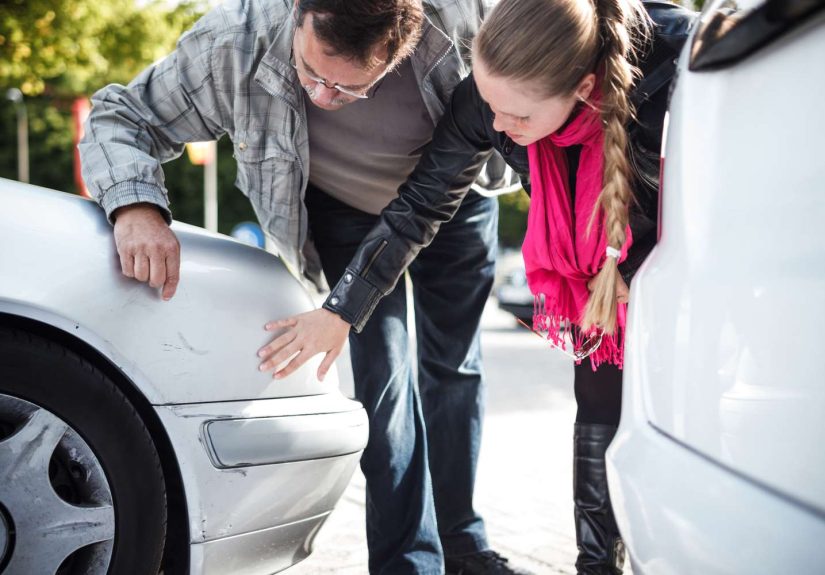
This is the headline section for many shoppers. A CARFAX report may show reported accidents, damage events, damage severity, airbag deployment, structural damage, and even the general point of impact in some cases. If a seller says, “It has never been touched,” but the report shows front-end damage and an airbag event, that conversation just got a lot more interesting.
2. Title History
The title section matters because it can reveal serious warning signs. You may see branded title information connected to issues such as salvage history, junk history, flood damage, fire damage, or total loss records. A title problem does not always mean “run away immediately,” but it does mean slow down, investigate, and understand exactly what you are buying.
3. Odometer Readings
Mileage matters because price, wear, warranty status, and resale value all depend on it. A CARFAX report may include recorded odometer readings from inspections, registrations, service visits, or title events. If those numbers jump backward or stop making sense, you may be looking at possible odometer fraud or sloppy recordkeeping. Neither is a charming surprise.
4. Ownership History
A report can often show how many owners the vehicle has had and, in some cases, how it was used. Personal vehicle? Rental? Taxi? Fleet? Lease? That context matters because it can help explain wear patterns, maintenance habits, and even pricing. A one-owner car is not automatically better, but a car that changed hands repeatedly in a short period deserves extra scrutiny.
5. Service and Maintenance Records
One of the more reassuring parts of a CARFAX report is documented service history. Oil changes, tire rotations, inspections, brake work, and other maintenance entries can help you see whether the car was serviced regularly. A thick paper trail of routine maintenance is often a good sign. A total absence of records is not necessarily a deal-breaker, but it should make you more cautious.
6. Recall Information
Some CARFAX reports also flag open recalls. That is helpful, but it should not be your only recall check. Smart buyers also run the VIN through the official NHTSA recall lookup tool to see whether a specific vehicle has an unrepaired safety recall.
Why a CARFAX Report Matters When Buying a Used Car
The used-car market runs on confidence, and confidence runs on information. Sellers usually know more about the car than buyers do. A vehicle history report helps narrow that information gap.
Here is why a CARFAX report matters:
- It helps verify the seller’s story.
- It can uncover red flags before you spend money on the wrong car.
- It gives you leverage in negotiations if the history is not as clean as advertised.
- It helps you compare multiple used cars more intelligently.
- It can save you from buying a vehicle with a hidden title, flood, theft, or mileage problem.
In other words, it is not just paperwork. It is a decision-making tool. The best used-car buyers do not rely on vibes alone. They rely on evidence, and a CARFAX report is part of that evidence.
What a CARFAX Report Does Not Tell You
This is the part many shoppers skip, and it is the part that can cost them money.
A CARFAX report is only as complete as the data that gets reported to the sources feeding it. If an accident was never reported, a repair was paid for in cash, bodywork happened quietly, or a mechanical issue never generated an official record, the report may not show it. A spotless report does not automatically mean a spotless car.
That is why “clean CARFAX” should never be translated into “perfect vehicle.” It really means “no major problems were found in the records CARFAX had access to.” That is helpful, but it is not the same thing as a guarantee.
Here are some important limitations:
- It may miss unreported accidents or damage.
- It usually will not tell you how well the car drives today.
- It does not replace a pre-purchase inspection by an independent mechanic.
- It may not capture every service visit or every repair shop record.
- It may not show very recent events immediately.
That last point matters. Reports can lag behind real life. A car could have been damaged recently and still look clean on paper for a while.
How to Read a CARFAX Report Like a Smart Buyer
Some shoppers open a CARFAX report and immediately jump to “No accidents reported.” That is understandable, but it is also like judging a movie by the poster. You need the full plot.
Start with the title and odometer sections
If the title history contains salvage, rebuilt, flood, fire, or total loss language, stop and investigate. If the odometer readings seem inconsistent, ask questions immediately. These are not tiny footnotes. These are the giant flashing arrows.
Review ownership patterns
How many owners has the car had? Was it a rental? Did it move through several states quickly? Was it sold at auction? These clues do not automatically condemn the car, but they help explain its story.
Read the accident entries carefully
Not all accidents are equal. A minor cosmetic issue is different from structural damage or airbag deployment. Look for details, dates, and repair records. If the report shows damage but the seller acts surprised, that is a problem bigger than the dent.
Look for maintenance consistency
Regular service records can be encouraging. Big gaps in maintenance history are not proof of neglect, but they do justify a more thorough inspection.
Check recalls separately
Even if the CARFAX report mentions recalls, run the VIN through NHTSA’s recall tool yourself. It is quick, free, and worth the extra minute.
How to Use a CARFAX Report With Other Tools
The best way to use a CARFAX report is as part of a package, not as a solo act. A smarter used-car buying process looks like this:
- Get the CARFAX report to review accidents, title history, mileage, service, ownership, and possible recalls.
- Check NHTSA recall status with the VIN to see if the vehicle has an unrepaired safety recall.
- Use NICB VINCheck to look for theft or salvage records reported by participating insurers.
- Use NMVTIS-approved providers if you want another layer of title, insurance loss, and salvage history research.
- Get an independent pre-purchase inspection from a mechanic who does not benefit from the sale.
- Take a real test drive and pay attention to braking, steering, transmission behavior, sounds, and warning lights.
That combination gives you both paper history and present-day condition. And that is how you avoid falling in love with a car that has the mechanical integrity of a folding chair.
Can You Get a CARFAX Report for Free?
Sometimes, yes. Many dealerships, vehicle marketplaces, and CARFAX-powered listings offer a free CARFAX report for specific vehicles. That is common with dealer inventory because sellers know shoppers expect transparency. If the seller does not provide one, you may need to buy the report yourself or ask whether they can generate it for you.
Here is the key rule: if a seller refuses to share a vehicle history report and also acts weirdly defensive about the VIN, that is not mystery. That is a warning label.
So, Is a CARFAX Report Worth It?
For most used-car shoppers, yes. A CARFAX report is worth it because one hidden title issue, mileage inconsistency, flood history, or serious accident can cost far more than the report itself. It can also help you eliminate bad options quickly, which saves time and keeps your search focused.
Still, the smartest answer is this: a CARFAX report is worth using, but not worth worshipping. Treat it like a strong piece of evidence, not the final verdict. Good shoppers verify, inspect, compare, and question. Great shoppers do all of that before signing anything.
Real-World Experiences With CARFAX Reports
One of the most common used-car buying experiences goes like this: a shopper finds a great-looking SUV online, the photos sparkle, the price seems fair, and the seller says it has a “clean history.” Then the CARFAX report shows the vehicle spent time in a flood-prone region and later received a branded title or damage record. Suddenly the “great deal” looks more like a future electrical nightmare with cupholders. In that kind of situation, the report does not just provide data. It protects the buyer from making a very expensive mistake.
Another common experience is more subtle. A sedan may show no major accidents, and that sounds fantastic at first. But then the ownership history reveals that it changed hands several times in a short period and spent time as a rental vehicle. That does not automatically make it a bad car, but it changes the conversation. A buyer who might have paid top dollar for a supposed cream puff now has a reason to negotiate harder, ask more questions, and schedule a more detailed inspection.
There are also positive experiences. Some buyers open a CARFAX report and find exactly what they hoped to see: one owner, steady mileage progression, consistent service records, and no nasty surprises in the title history. That kind of report can create confidence, especially when it lines up with maintenance receipts, a smooth test drive, and a clean inspection from a mechanic. In those moments, the report does what people want it to do most: it helps a buyer feel informed instead of nervous.
But plenty of shoppers learn the opposite lesson too. A clean-looking CARFAX report can still sit next to a bad inspection. Maybe the mechanic finds worn suspension components, hidden rust, sloppy repainting, or signs of previous repairs that never made it into official databases. That experience is important because it teaches a crucial rule: a vehicle history report tells you about reported history, not the full physical condition of the car today.
Some experienced buyers now treat CARFAX as an opening chapter instead of the whole book. They use it to screen out obvious problem cars, then move on to recall checks, VIN verification, title questions, test driving, and professional inspections. That is usually the most effective mindset. The report is incredibly helpful, but it works best when paired with common sense and a little healthy skepticism.
In the end, most real-world experiences with CARFAX reports come down to one simple truth: the report is most valuable when it helps you ask smarter questions. Sometimes it confirms a car is worth pursuing. Sometimes it exposes a deal you should walk away from. And sometimes it reminds you that even when a car looks innocent on paper, you still need someone to peek underneath it before you say yes.
Final Thoughts
So, what is a CARFAX report? It is a VIN-based vehicle history report that helps used-car shoppers see important parts of a car’s past, including reported accidents, title issues, mileage records, service history, ownership changes, and more. It can reduce uncertainty, strengthen your negotiating position, and help you avoid some truly unfortunate purchases.
Just remember the golden rule of buying a used car: trust the report, but verify the car. A CARFAX report is a smart starting point. It is not the finish line.