Table of Contents >> Show >> Hide
- What Exactly Is a Garden Room?
- Why People Build Garden Rooms (Besides Escaping the Laundry)
- Before You Design Anything: Know the Rules (Permits, Zoning, and the “It Depends” Clause)
- Step-by-Step: How to Design a Garden Room That Actually Works
- 1) Pick the right location (this is 50% of success)
- 2) Choose the “right size” (and then add a little)
- 3) Decide: prefab/kit vs. custom build
- 4) Foundation and floor: keep it level, keep it dry
- 5) Insulation and air sealing: the “year-round” difference-maker
- 6) Windows and doors: light is greatuntil your room becomes a toaster
- 7) Heating, cooling, and ventilation: comfort isn’t optional
- 8) Electrical and lighting: plan for your real life, not your fantasy life
- 9) Sound control: the secret ingredient for work and music
- 10) Layout and interiors: design around how you’ll actually use it
- 11) Exterior design: make it belong in the yard
- How Much Does a Garden Room Cost in the U.S.?
- Design Examples You Can Steal (Respectfully)
- Real-World Garden Room Experiences and Lessons (Extra 500+ Words)
- Conclusion
A “garden room” sounds like something you’d find in a Victorian novel (right next to the fainting couch), but in modern American backyards it usually means something far more practical:
a small, standalone, finished space in your yard that feels like a real roomnot a drafty shed where spiders hold committee meetings.
In the U.S., you’ll also hear garden rooms called a backyard office, garden office, backyard studio, or finished shed. Whatever the name, the point is the same:
you’re adding usable square footage without building a full-on addition to the house.
What Exactly Is a Garden Room?
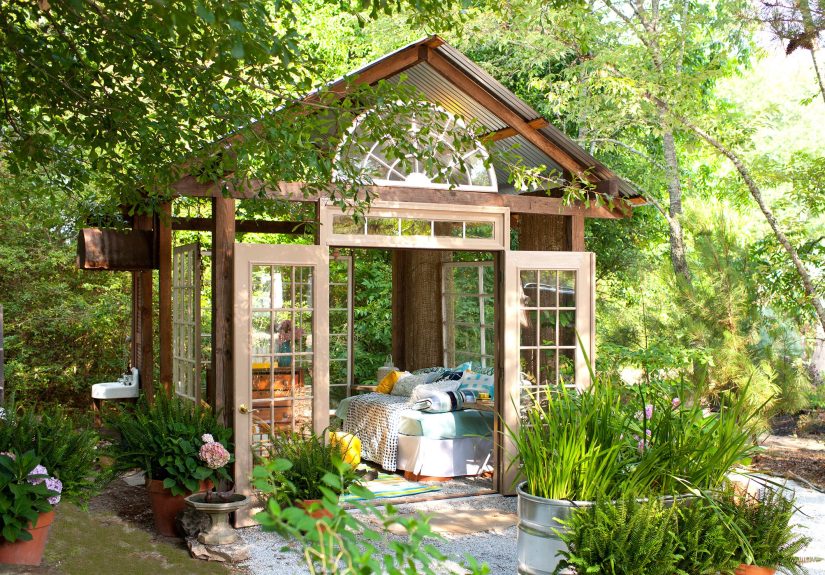
A garden room is a detached, single-room structure placed in a yard or garden and designed for comfortoften year-roundwith insulation, weather resistance, windows/doors, and interior finishes.
It can be a retreat, a work space, a hobby studio, a micro-gym, a guest hangout (note: “hangout,” not “full second home with a kitchen and plumbing”… that’s a different regulatory universe).
Garden room vs. sunroom vs. shed: the quick reality check
- Garden room: typically detached, more solidly built, and intended to feel like a real interior room.
- Sunroom: typically attached to the main house, often heavier on glass, and may be three-season unless upgraded.
- Basic shed: great for rakes and regret; not automatically comfortable for humans without upgrades.
Why People Build Garden Rooms (Besides Escaping the Laundry)
The biggest “aha” with a garden room is that it changes how you use your property. Suddenly the backyard isn’t just a viewit’s part of your floor plan.
- Work-from-home separation: commute time becomes “walk past the hydrangeas.”
- Creative space: art studio, music room, writing nook, or craft cave (with better lighting than a basement).
- Wellness room: yoga, meditation, or a small gym where your treadmill doesn’t double as a coat rack.
- Entertaining: game room, reading lounge, or a quiet space for guests to recharge.
Before You Design Anything: Know the Rules (Permits, Zoning, and the “It Depends” Clause)
Here’s the honest truth: the design you want and the design you’re allowed can be two different Pinterest boards.
Local zoning rules, setbacks, lot coverage limits, and building/electrical permits mattersometimes more than paint color.
Common permit thresholds (and why they’re not a free pass)
Many jurisdictions that follow versions of the International Residential Code (IRC) exempt certain one-story detached accessory structures under a specific size (often 200 square feet) from needing a building permit.
But exemptions don’t erase zoning rules, setbacks, HOA requirements, or the need for permits when you add electrical, plumbing, or HVAC.
Design tip: decide early if it’s “finished space” or “future finished space”
If you’re running power, adding heat/AC, insulating, and planning year-round use, your garden room is functionally closer to a small conditioned building than a storage shed.
That impacts everythingfoundation, wiring, moisture control, and how strictly your city may interpret requirements.
Step-by-Step: How to Design a Garden Room That Actually Works
1) Pick the right location (this is 50% of success)
Think like a photographer and a plumber at the same time. You want great views and natural light, but you also want practical access for power, drainage, and construction.
- Sun + heat: Morning light is kinder than brutal afternoon glare. In hot climates, plan shade.
- Privacy: Place windows to capture garden viewsnot your neighbor’s recycling bin collection.
- Noise: If you’re near a street or a loud HVAC unit, plan for sound control.
- Access: A muddy trail is charming until you’re carrying a laptop in a thunderstorm. Add a path.
2) Choose the “right size” (and then add a little)
The most common regret with small backyard rooms is not making them bigger. A compact 8’×10′ can work for focused tasks,
but if you’ll take video calls, add storage, or use it with another person, you’ll appreciate more breathing room.
Practical sizing ideas:
- 8’×10′ (80 sq ft): cozy office, writing space, single workstation.
- 10’×12′ (120 sq ft): comfortable office + storage + chair for reading/calls.
- 12’×16′ (192 sq ft): studio, gym, or office + lounge zone.
3) Decide: prefab/kit vs. custom build
A garden room can be:
- Prefab/kit: faster timeline, predictable design, sometimes lower labor complexity.
- Custom: best for matching your home’s architecture, tricky sites, or very specific use-cases.
Either way, budget for the “invisible” parts: site prep, foundation, electrical trenching, insulation upgrades, interior finishes, and permits.
4) Foundation and floor: keep it level, keep it dry
A garden room lives outdoors, so moisture management is non-negotiable. Common foundation approaches include a concrete slab,
pier-and-beam, or a prepared gravel base (depending on structure type and local requirements).
- Drainage first: grade the site so water moves away from the building.
- Raise the floor: a little elevation helps protect against splashback and minor flooding.
- Seal and flash: treat the structure like a small house, not a lawn ornament.
5) Insulation and air sealing: the “year-round” difference-maker
If you want a true four-season garden room, insulation is your best friend. Recommended R-values vary by U.S. climate zone,
and walls/roof/floor often need different targets. In wood-framed buildings, common insulation options include fiberglass batts or mineral wool.
Design checklist:
- Insulate all six sides: walls, roof/ceiling, and floor (yes, floor).
- Air seal: gaps around windows, outlets, and framing can sabotage comfort.
- Control moisture: use appropriate vapor/air control strategies for your climate and assembly.
6) Windows and doors: light is greatuntil your room becomes a toaster
Natural light is a garden room superpower. But glass is also where heat sneaks in (summer) and leaks out (winter).
Choose efficient windows/doors that match your climateU-factor and Solar Heat Gain Coefficient (SHGC) matter more than a cute handle.
- Orientation: south-facing glass can be wonderful in cold climates; add shading in warm climates.
- Operable windows: help with ventilation and comfort on mild days.
- Right-size glazing: you want daylight, not a greenhouse effect (unless you truly want a greenhouse).
7) Heating, cooling, and ventilation: comfort isn’t optional
A garden room that’s too hot or too cold becomes an expensive storage closet. For many backyard offices and studios,
a ductless mini-split is popular because it can heat and cool efficiently. Other options include electric baseboard heat
(simple but can be costly to run) or a through-wall unit.
Ventilation matters tooespecially in small, well-sealed rooms. At minimum, plan operable windows and consider mechanical ventilation
if you’ll spend long hours inside.
8) Electrical and lighting: plan for your real life, not your fantasy life
If the garden room is a backyard office, you’ll want more outlets than you think (monitor, laptop, printer, phone charger, desk lamp… and that one mysterious device you swear you need).
Running power to an outdoor structure often involves trenching and underground cable. Safety steps like calling 811 before digging and pulling permits where required are standard practice,
and many homeowners choose a licensed electrician for good reason.
- Outlets: plan for desk wall + a second wall for flexibility.
- Lighting layers: overhead + task + ambient (your eyes will thank you).
- Data: strong Wi-Fi may require a mesh node or wired connection depending on distance.
9) Sound control: the secret ingredient for work and music
If you’ll take calls or record audio, think about sound early. Insulation helps, but design choices do too:
solid-core door, good seals, fewer leaky gaps, and thoughtful interior finishes. Some backyard studios are built specifically with sound reduction in mind.
10) Layout and interiors: design around how you’ll actually use it
Start with function, then layer in style. A garden room is small, so every inch should earn its keep.
- Work mode: place desk to avoid glare on screens; keep a clean background for video calls.
- Storage: vertical shelving, built-ins, and concealed cabinets reduce clutter fast.
- Flooring: durable, easy to clean, comfortable underfoot (especially if you’re barefoot a lot).
- Finishes: light walls and warm wood tones can make a compact space feel bigger.
11) Exterior design: make it belong in the yard
The best garden rooms look like they were meant to be there. Match key elements of your home (roofline, trim color, siding vibe),
then soften the transition with landscaping.
- Pathway: gravel, pavers, or stepping stonesanything is better than “mud roulette.”
- Deck or landing: gives you a threshold space to take coffee breaks outdoors.
- Lighting: subtle exterior lights make it usable (and safer) at night.
- Planting: shrubs and planters help it feel integrated, not plopped down.
How Much Does a Garden Room Cost in the U.S.?
Costs vary widely based on size, whether you choose prefab or custom, and how “finished” you go (insulation, drywall, flooring, HVAC, electrical, windows).
As a rough frame of reference, shed/outbuilding price ranges are often discussed per square foot, with prefabricated structures generally cheaper than custom builds.
A simple shed can be relatively affordable, while a truly finished backyard office or studio typically costs moreespecially once you add utilities and interior finishes.
Budget categories you should expect:
- Structure shell: framing, roof, siding, windows/doors
- Site work: grading, foundation, drainage
- Utilities: electrical trenching, panel work, HVAC
- Interior: insulation, wall/ceiling finish, flooring, paint, lighting, storage
- Paperwork: permits and inspections (varies)
Design Examples You Can Steal (Respectfully)
The “Backyard Office That Doesn’t Feel Like a Box”
Size: 10’×12′. One wall is mostly glass (but with efficient glazing), desk faces a solid wall for video calls, built-in shelf behind the chair,
and a small reading chair in the corner. Add a mini-split and you’ve got a year-round workspace that doesn’t scream “converted storage.”
The “Creative Studio With Mess Containment”
Size: 12’×16′. Durable flooring, a long workbench under windows, closed storage cabinets for supplies, and a utility sink if codes/permits allow.
The key feature: a defined “clean zone” (desk + seating) and “make-a-mess zone” (workbench).
The “Wellness Room With a View”
Size: 8’×12′ or 10’×12′. Soft natural light, minimal furniture, wall-mounted storage for mats/weights,
and a shaded exterior landing for post-session cooldown. The vibe is calm, not cramped.
Real-World Garden Room Experiences and Lessons (Extra 500+ Words)
If you ask people who’ve actually built a garden room what they’d do differently, the answers tend to rhyme. Not literally (though “I should’ve gone bigger” is basically a poem),
but the themes repeatbecause physics, weather, and human habits are stubborn.
Experience #1: “I built an 8’×10′ office… and immediately wished for 10’×12′.”
The small size felt fine on paperuntil a real desk, real chair, a filing cabinet, and a guest chair moved in. Add a camera angle for video calls and suddenly you’re doing yoga moves
just to avoid showing your laundry room through the window behind you. The lesson: tape out the footprint indoors first (or measure it in the yard) and place “pretend furniture”
using boxes or painter’s tape. If you can’t comfortably pull a chair back, you’re not designing an officeyou’re designing a polite closet.
Experience #2: “My beautiful glass wall turned my garden room into a summer sauna.”
Natural light is addictive. People often design the room like a postcard: floor-to-ceiling windows, dramatic views, tons of glass.
Then July shows up like it pays rent. The fix isn’t “no windows,” it’s right windows and smart shading. Overhangs, exterior shades, strategically placed trees,
and climate-appropriate glazing can keep the room bright without making it feel like you’re working inside a terrarium.
Experience #3: “The Wi-Fi was weak, and my ‘Zoom room’ became a ‘buffering room.’”
Backyard distance plus exterior walls can humble even a fancy router. Many owners end up adding a mesh node, running Ethernet,
or relocating the router so the signal doesn’t have to pass through multiple layers of “things that hate radio waves.”
The lesson: test connectivity before you finalize layout. If the only strong signal is by the door, you’ll either move your desk there or become intimately familiar with loading spinners.
Experience #4: “I skipped ventilation because I had windows… and still got stuffy.”
Small, well-insulated spaces can trap heat and humidity (and the unmistakable aroma of last night’s coffee).
Cracking windows helps, but on humid days, smoky wildfire days, or mosquito season, you may not want that solution.
Many people end up adding a quiet exhaust fan, a dehumidifier, or a properly sized HVAC setup that handles moisture.
The lesson: comfort isn’t just temperatureit’s air quality, humidity, and not feeling like you’re breathing yesterday’s decisions.
Experience #5: “Electrical planning was an afterthoughtand the cords took over.”
It’s easy to assume one outlet is plenty. Then you add a monitor, laptop, phone, speakers, a lamp, a printer, and that one device that exists solely to require charging.
People who planned outlets and lighting early report the biggest day-to-day satisfaction. The lesson: plan power like a realist.
If it’s a workspace, give yourself outlet flexibility and layered lighting so your eyes don’t feel like they’ve run a marathon by 3 p.m.
The overall pattern is simple: a great garden room isn’t defined by a trendy exterior or a perfect Instagram angle.
It’s defined by everyday comforttemperature, light, sound, power, and layoutso you’ll actually use it when the novelty wears off.
Conclusion
A garden room is one of the smartest ways to add functional space without reworking your entire house.
Design it like a small home: plan the site, obey local rules, control moisture, insulate for your climate, choose efficient windows, and don’t wing the electrical.
Do that, and your backyard office / studio / retreat becomes a place you’ll use year-roundnot a fancy shed you visit twice a month to feel guilty.