Table of Contents >> Show >> Hide
Tea is more than just a beverage; it’s a culture, a ritual, and a global tradition. Among the many varieties of tea, Ceylon tea stands out for its rich flavor, history, and distinct characteristics. But what exactly is Ceylon tea, and what makes it so special? In this article, we’ll explore everything you need to know about Ceylon tea, from its origins to the different types and its health benefits.
The Origins of Ceylon Tea
Ceylon tea comes from the island of Sri Lanka, which was once known as Ceylon. The tea industry in Sri Lanka dates back to the early 19th century, and it has since become one of the largest producers of tea in the world. The lush, hilly landscapes of Sri Lanka are perfect for cultivating tea, and the country’s distinct climate and soil conditions contribute to the unique flavors of Ceylon tea.
The first tea plants were introduced to Ceylon by British colonialists in the 1820s, but it wasn’t until the 1860s that large-scale production began. The island’s highland regions, such as Nuwara Eliya, Kandy, and Dimbula, became known for producing some of the finest tea leaves, which quickly gained recognition in international markets.
The Unique Characteristics of Ceylon Tea
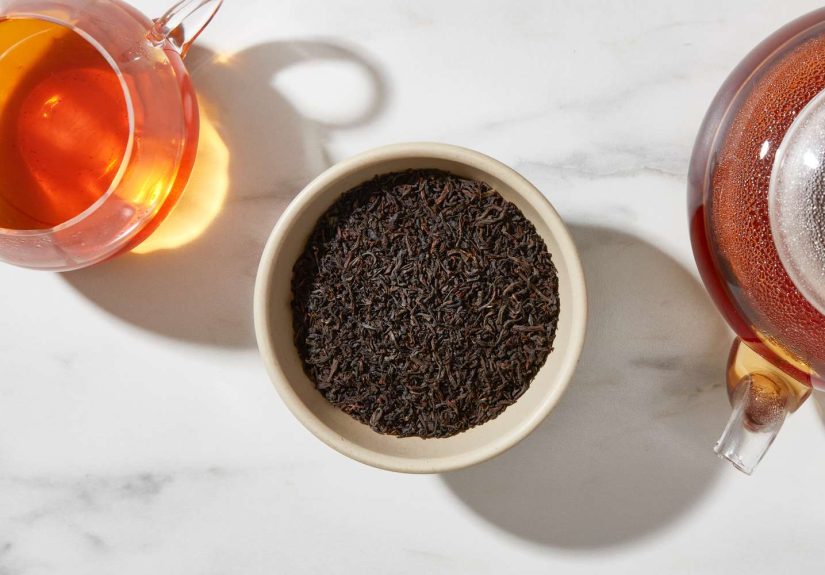
One of the most striking features of Ceylon tea is its wide range of flavors, which vary depending on the region where the tea is grown. The flavor profile can be described as brisk, bright, and citrusy, with a full-bodied yet smooth taste. The tea leaves themselves are typically darker in color, and they are often hand-plucked to preserve the quality of the leaves.
There are three main types of Ceylon tea: black, green, and white. Each type is processed differently to bring out unique flavors:
- Ceylon Black Tea: This is the most common and popular variety of Ceylon tea. It’s bold and robust with a rich, slightly astringent taste. It can be enjoyed on its own or with milk and sugar. Black Ceylon tea is often used in blends, such as Earl Grey or English Breakfast.
- Ceylon Green Tea: Known for its lighter and more delicate flavor, Ceylon green tea is less oxidized than black tea. It has a refreshing, grassy taste that is less bitter than some other green teas. It’s an excellent choice for those who prefer a milder tea.
- Ceylon White Tea: The rarest and most delicate form of Ceylon tea, white tea is made from young, tender tea buds. It has a subtle, sweet flavor and is less processed than the other types, retaining its natural antioxidants and nutrients.
The Health Benefits of Ceylon Tea
Ceylon tea isn’t just delicious – it’s also packed with health benefits. It contains a range of antioxidants, such as polyphenols and catechins, which are known to help protect the body from oxidative stress and reduce the risk of chronic diseases.
Here are some of the key health benefits of Ceylon tea:
- Improves Heart Health: Studies have shown that regular consumption of Ceylon tea can help lower blood pressure and reduce cholesterol levels, contributing to a healthier heart.
- Boosts Immunity: The antioxidants in Ceylon tea can help strengthen the immune system, making it more effective in fighting off infections and illnesses.
- Promotes Digestive Health: Ceylon tea has been used traditionally to support digestive health. It can aid in relieving indigestion and bloating, as well as promoting gut health.
- Enhances Mental Clarity: The caffeine content in Ceylon tea can provide a mild energy boost and improve focus, making it a great option for those looking for a mental pick-me-up without the jitters associated with coffee.
How to Brew the Perfect Cup of Ceylon Tea
Brewing Ceylon tea is easy, but to get the best flavor, you’ll need to follow a few simple steps:
- Water Temperature: Ceylon black tea requires water that’s just off the boil, around 200-212°F (93-100°C), while green and white Ceylon teas need slightly cooler water, around 170-185°F (77-85°C).
- Tea Leaves: Use about one teaspoon of loose leaf tea per cup of water. You can adjust this to your taste, but too much tea can make the brew bitter.
- Steeping Time: For black Ceylon tea, steep for about 3-5 minutes. Green and white Ceylon teas should steep for 2-3 minutes to avoid bitterness.
- Optional Additions: Ceylon tea is versatile. It can be enjoyed plain, or with milk, sugar, honey, or lemon, depending on your preference.
Why Ceylon Tea is a Global Favorite
Ceylon tea has earned a special place in the hearts of tea lovers around the world. Its high quality, unique flavor profiles, and numerous health benefits make it a standout in the global tea market. The tea’s versatility, whether enjoyed hot or iced, as a plain brew or as part of a blend, ensures its popularity across different cultures.
The rise of health-conscious consumers has also contributed to Ceylon tea’s increasing appeal. With its rich antioxidant content and potential health benefits, it has become a go-to choice for those seeking a healthier alternative to sugary beverages like soda.
Conclusion: The Enduring Legacy of Ceylon Tea
From its origins in Sri Lanka to its current status as one of the world’s most beloved teas, Ceylon tea continues to capture the attention of tea enthusiasts everywhere. Whether you prefer a bold black tea, a delicate green tea, or a rare white tea, Ceylon offers something for every palate. Its rich history, diverse flavors, and health benefits make it an essential addition to any tea lover’s collection.
So, the next time you brew a cup of Ceylon tea, take a moment to appreciate its legacy, its unique taste, and the centuries of tradition that have gone into making it one of the finest teas in the world.
Experiences with Ceylon Tea
Over the years, Ceylon tea has been a constant in my own life, whether as a morning ritual or a soothing evening drink. The boldness of Ceylon black tea never fails to energize me on those early mornings, while the delicate nature of Ceylon green tea offers a sense of calm and refreshment throughout the day. I remember my first experience with white Ceylon teaits subtle sweetness and soft aroma were unlike any tea I had tried before. It felt almost like a delicate secret, one that whispered tranquility with every sip.
On a trip to Sri Lanka, I visited a tea plantation in the central highlands. Walking through the lush fields, I could taste the fresh air and the essence of the land in each tea leaf. The workers hand-plucked the leaves with such precision, and I felt privileged to be in the presence of such an important part of the tea-making process. The experience deepened my appreciation for the craft and history behind Ceylon tea. Every cup of tea I brew now brings back fond memories of that beautiful land, and it has become more than just a drink – it’s a connection to a rich cultural heritage.
Whether you’re a seasoned tea connoisseur or a newcomer to the world of tea, Ceylon tea offers a journey worth exploring. Its diverse varieties and rich cultural significance make it a truly global beverage that continues to captivate hearts and minds worldwide.
SEO Tags