Table of Contents >> Show >> Hide
- Insurance Underwriting, Explained Simply
- Why Insurance Underwriting Exists
- How the Insurance Underwriting Process Works
- What Underwriters Look At by Insurance Type
- Possible Outcomes of Insurance Underwriting
- Traditional vs. Accelerated Underwriting
- What Insurance Underwriting Is Not
- How to Improve Your Chances of a Better Underwriting Outcome
- Common Myths About Insurance Underwriting
- Real-World Experiences With Insurance Underwriting
- Experience 1: The life insurance applicant who expected an instant yes
- Experience 2: The homeowner surprised by a post-quote inspection
- Experience 3: The driver whose record changed the math
- Experience 4: The small business owner with better records than expected
- Experience 5: The applicant who benefited from shopping around
- Final Thoughts
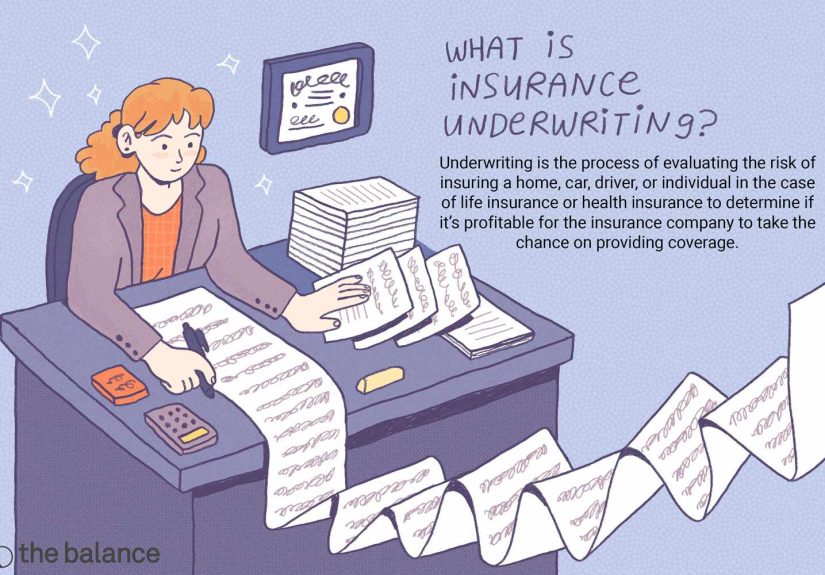
Insurance underwriting sounds like one of those terms designed to make normal people slowly back away from a financial conversation. But the idea is actually simple: underwriting is the process an insurance company uses to decide whether it wants to insure a person, home, car, business, or other risk, and if so, at what price and on what terms.
In plain American English, underwriting is the insurer’s version of asking, “What are the chances this policy will lead to a claim, and how much could that claim cost us?” If the answer is “pretty manageable,” you may get approved quickly and at a competitive rate. If the answer is “this looks like a fireworks factory next to a candle store,” the insurer may charge more, limit coverage, ask for more information, or decline the application altogether.
That does not mean underwriters are villains in cardigans guarding a giant “no” stamp. In reality, underwriting is what keeps insurance functioning. Without it, insurers would price policies blindly, premiums would become wildly inaccurate, and the whole system of spreading risk across many policyholders would wobble like a folding chair at a family reunion.
Insurance Underwriting, Explained Simply
At its core, insurance underwriting is risk evaluation. An underwriter reviews the details of an application, checks supporting data, compares the risk to the company’s underwriting guidelines, and decides how the policy should be handled.
That decision is not always a dramatic thumbs-up or thumbs-down. More often, underwriting lands somewhere in the middle. An insurer might approve the policy as requested, approve it with a higher premium, add exclusions or endorsements, require repairs or inspections, reduce the coverage amount, or ask for more documentation before making a final call.
So if you have ever wondered why two people applying for what looks like the same coverage can get different prices, underwriting is usually the reason. The insurer is not just selling a product off a shelf. It is pricing a specific risk profile.
Why Insurance Underwriting Exists
Insurance works by pooling risk. Many people pay premiums so the insurer can cover the losses of the smaller number of people who actually file claims. Underwriting helps the insurer predict which risks belong in that pool, what those risks are likely to cost, and how to price coverage responsibly.
That matters for both sides. For insurers, underwriting protects solvency and helps prevent underpricing. For policyholders, it supports fairer pricing, because someone with a lower risk profile generally should not have to subsidize someone with a much higher likelihood of loss. In other words, underwriting is one of the main reasons your premium is based on your actual situation instead of being pulled from a dartboard.
It also helps insurers shape coverage terms. A company may be comfortable insuring a home, for example, but only if the roof is replaced, a swimming pool is fenced, or certain hazards are excluded. Underwriting is where those details get sorted out before a costly surprise shows up later.
How the Insurance Underwriting Process Works
1. You submit an application
The process usually starts with a quote request or formal application. Depending on the policy type, you may be asked about your age, health, property condition, driving record, past claims, occupation, finances, hobbies, or business operations. Yes, this can feel a little nosy. That is because insurers are trying to price uncertainty, and uncertainty loves details.
2. The insurer verifies the information
Next comes verification. The insurer may review public records, medical information, prescription history, motor vehicle reports, prior claims data, inspection results, and other third-party data sources. For property coverage, the company may use photos, aerial imagery, or an inspection. For life insurance, it may request medical records, lab work, or a paramedical exam, though not every application requires that anymore.
3. The risk is evaluated against guidelines
Every insurer has its own underwriting rules. These guidelines help the company sort applicants into risk categories. One insurer may be very comfortable with older roofs but cautious about dog breeds. Another may be flexible on minor health conditions but stricter on risky hobbies. This is why shopping around can matter so much: a “no” or an expensive quote from one carrier does not automatically mean every insurer will react the same way.
4. A decision is made
Once the underwriter has enough information, the insurer decides whether to issue the policy and under what terms. The final decision can affect your premium, deductibles, exclusions, coverage limits, or even whether the policy is offered at all.
What Underwriters Look At by Insurance Type
Life Insurance Underwriting
Life insurance underwriting often focuses on mortality risk. Underwriters may look at your age, sex, height and weight, blood pressure, cholesterol, current medications, personal medical history, family history, tobacco use, alcohol or drug use, occupation, travel, driving record, and high-risk hobbies such as scuba diving, aviation, or rock climbing.
For example, a healthy 32-year-old office worker who does not smoke and has no major medical issues will typically look very different to an underwriter than a 58-year-old smoker with uncontrolled diabetes and a recent DUI. Same product category, very different risk math.
Auto Insurance Underwriting
Auto underwriters usually care about factors tied to accident likelihood and claim severity. These may include your driving history, tickets, accidents, prior insurance history, vehicle type, annual mileage, garaging location, and sometimes insurance score factors where permitted by state law.
A person with a clean record and a modest sedan may get a friendly premium. A driver with multiple speeding tickets and a muscle car that practically introduces itself by revving at stoplights may pay noticeably more.
Homeowners Insurance Underwriting
Home insurance underwriting often reviews the property itself as much as the homeowner. Insurers may consider the age of the home, roof condition, wiring, plumbing, foundation, location, wildfire or storm exposure, prior claims, replacement cost, and safety features such as alarms or updated systems.
This is where homeowners sometimes get surprised. You may get a quote online, think everything is settled, and then discover the underwriter wants proof that the roof is newer, the electrical panel was updated, or tree limbs were trimmed away from the house. In some cases, the policy can be modified or canceled early in the review period if the property does not meet the insurer’s standards.
Commercial Insurance Underwriting
Commercial underwriting is its own beast. Underwriters may evaluate a company’s industry, payroll, number of employees, safety controls, claims history, contracts, equipment, cyber exposure, and compliance practices. A small bakery and a demolition contractor are both businesses, but from an underwriting standpoint they are not even living on the same planet.
Possible Outcomes of Insurance Underwriting
Underwriting does not produce just one kind of answer. Common outcomes include:
- Approved as applied: You get the policy largely as requested.
- Approved at a different price: The insurer offers coverage, but at a higher or occasionally lower premium based on the verified risk.
- Approved with conditions: You may need an exclusion, endorsement, inspection, repair, or lower coverage amount.
- Pending for more information: The underwriter needs documents, records, or clarification before deciding.
- Postponed or declined: The insurer decides the risk does not fit its current guidelines.
A decline is not always personal. Sometimes it simply means the risk does not match that carrier’s appetite. Another insurer may evaluate the same application differently.
Traditional vs. Accelerated Underwriting
Modern underwriting is moving faster, especially in life insurance. Traditional underwriting often involves a longer application, more documentation, and possibly a medical exam with fluids such as blood or urine samples. It can take weeks, and in complex cases even longer.
Accelerated underwriting, by contrast, uses external data and predictive models to streamline the decision. In the best-case scenario, applicants can skip the exam and get an answer much faster. That is great news for people who do not enjoy being poked, prodded, or asked to explain every prescription they have filled since the invention of pharmacies.
Still, faster does not mean effortless. Accelerated underwriting works best when the available data paints a clear picture. If the information is incomplete or inconsistent, the insurer may still route the application into a more traditional review.
What Insurance Underwriting Is Not
People often hear “underwriting” during a mortgage application and assume it means the same thing everywhere. The big idea is similar, but the goal is different. Mortgage underwriting focuses on whether a borrower can repay a loan. Insurance underwriting focuses on the probability and cost of a future claim.
So if a lender’s underwriter is studying your income and debt-to-income ratio, that is loan underwriting. If an insurer’s underwriter is studying your health history, claims record, roof age, or accident history, that is insurance underwriting. Same word, different flavor.
How to Improve Your Chances of a Better Underwriting Outcome
Be accurate on the application
Honesty matters. Omissions and inconsistencies can delay underwriting, raise the premium, or cause an application to be denied. In some cases, bad information can create problems later, even after a policy is issued.
Prepare supporting documents
If you are applying for life, home, or commercial coverage, be ready with medical details, inspection reports, repair records, loss history explanations, or financial documents if needed. Fast underwriting loves organized people.
Reduce avoidable risk before you apply
For home insurance, that could mean replacing an old roof, updating dangerous wiring, or trimming overhanging branches. For life insurance, it could mean applying after improving blood pressure or quitting tobacco long enough to qualify for better rates. For auto insurance, a clean driving streak helps more than creative excuses.
Compare insurers
Because underwriting guidelines vary, one carrier may be far more competitive for your profile than another. This is especially true if you have a preexisting condition, a unique property, prior claims, or a nontraditional occupation.
Common Myths About Insurance Underwriting
Myth 1: Underwriting only happens for life insurance
Nope. Life insurance gets the most attention because of medical exams and health questions, but underwriting is used across auto, homeowners, renters, commercial, disability, and other coverage lines too.
Myth 2: A quote is always your final price
Not necessarily. A quote may be based on the information initially provided. The final premium can change if the underwriter uncovers different facts during review.
Myth 3: Underwriters make random decisions
Good underwriting is built on guidelines, data, historical loss experience, and actuarial logic. It is not supposed to be a vibes-based profession.
Myth 4: A denial means you are uninsurable everywhere
Not true. It may mean that one insurer is not a fit. Another carrier may offer coverage with different terms, or there may be specialty markets designed for harder-to-place risks.
Real-World Experiences With Insurance Underwriting
The best way to understand underwriting is to see how it plays out in real life. The following examples are composite scenarios based on common underwriting situations, not stories about specific individuals. Think of them as the financial version of “inspired by true events,” minus the dramatic soundtrack.
Experience 1: The life insurance applicant who expected an instant yes
Marcus, 41, applied for term life insurance online and assumed the process would take 10 minutes because the ad promised “fast decisions.” The application itself was quick, but underwriting flagged a prescription history that suggested untreated sleep apnea. Marcus had in fact been diagnosed, but he had also been using a CPAP machine consistently and had follow-up records showing good control. Once he submitted those records, the insurer approved the policy at a better rate than the initial warning had suggested. His experience is a perfect example of why underwriting can feel slow but still work in your favor when the full story is documented.
Experience 2: The homeowner surprised by a post-quote inspection
Angela bought homeowners insurance right before closing on an older house. She thought the policy was done once she paid the first premium. Then the insurer reviewed exterior images and asked about the roof and tree limbs hanging over the garage. Nothing was wrong with the house in a dramatic, movie-set kind of way, but the roof was aging and the maintenance issues increased the carrier’s concern about future claims. After Angela trimmed the trees and provided proof of a scheduled roof replacement, the policy stayed in force. The lesson: a quote may start the relationship, but underwriting often decides the final terms.
Experience 3: The driver whose record changed the math
DeShawn was shopping for auto insurance after moving to a new city. He expected his premium to drop because he was driving fewer miles. That part helped, but underwriting also found two recent speeding tickets that he had mentally filed under “ancient history.” The insurer did not deny coverage, but the premium came in higher than he expected. After a year of clean driving and a defensive driving course, his next renewal looked much better. Underwriting is not only about where you are now; it is also about the patterns your recent history suggests.
Experience 4: The small business owner with better records than expected
Priya runs a small catering company and worried that commercial insurance underwriting would be a nightmare. Instead, being organized helped immensely. She had written food safety procedures, employee training records, equipment maintenance logs, and a clear claims history. The underwriter still asked questions, but the process moved quickly because the business presented itself as controlled, documented, and lower risk than a similar operation with sloppy paperwork. In commercial insurance, preparation can be as valuable as charm, and often more so.
Experience 5: The applicant who benefited from shopping around
Tom, a recreational pilot, applied for life insurance and got a quote that looked like the insurer had confused his hobby with astronaut training. A broker pointed him toward a carrier with more flexible underwriting for aviation risks. The second offer was still not bargain-bin cheap, but it was far more reasonable. The takeaway is simple: underwriting guidelines vary, and finding the right insurer can matter just as much as having a clean application.
Final Thoughts
Insurance underwriting is the engine behind every policy decision. It helps insurers evaluate risk, price coverage, and decide whether a policy should be issued as requested, modified, or declined. While the process can sometimes feel intrusive or inconvenient, it is what allows insurance to function as a workable system instead of a financial guessing game.
For consumers, the smartest move is not to fear underwriting but to understand it. Be accurate, be prepared, reduce obvious risks when possible, and compare carriers if the first result is disappointing. Underwriting may not be glamorous, but it plays a huge role in what you pay, what you are covered for, and how smoothly your application moves from “maybe” to “approved.”