Table of Contents >> Show >> Hide
- What Is Modern Organic Style?
- Modern vs. Organic: Why the Combo Works
- 12 Tips for Embracing Modern Organic Style at Home
- 1. Start With a Warm Neutral Color Palette
- 2. Layer Natural Materials Everywhere
- 3. Choose Clean Lines with Soft, Organic Shapes
- 4. Let Natural Light Lead (and Layer Soft Lighting)
- 5. Bring the Outdoors In with Plants and Greenery
- 6. Make Texture Your Secret Weapon
- 7. Simplify, But Don’t Sterilize
- 8. Invest in Fewer, Better Pieces
- 9. Embrace Imperfection with Handmade Pieces
- 10. Add Soft, Earthy Accent Colors
- 11. Make Sustainable Choices Where You Can
- 12. Apply the Look Room by Room
- Common Mistakes to Avoid
- Conclusion: A Calm, Grounded Home You’ll Actually Use
- Real-Life Experiences with Modern Organic Style (500-Word Deep Dive)
If your Pinterest boards are full of soft neutrals, cozy textures, and sculptural coffee tables
topped with a single ceramic bowl, congratulations: you’re probably in love with
modern organic style. This design trend has quietly taken over Instagram feeds,
living rooms, and design magazines because it feels calm, elevated, and incredibly livable.
But what exactly is modern organic style, and how can you bring it home without turning your
space into a beige box with a houseplant problem? Let’s break it down and walk through
12 practical tips for embracing this warm, nature-inspired look.
What Is Modern Organic Style?
Modern organic style (often called organic modern design) is a blend of clean,
contemporary lines and natural, imperfect materials. Imagine the minimalism of modern design
softened with wood, stone, linen, and greenery. The result is a space that feels both sleek and
soothinglike a boutique hotel that actually lets you put your feet on the coffee table.
Key elements of organic modern interiors include:
- Warm, neutral color palettes: creams, beiges, sand, taupe, soft gray, and warm white
- Natural materials: wood, stone, wool, linen, jute, clay, and rattan
- Clean lines paired with curved, organic shapes
- Lots of natural light and soft, layered artificial lighting
- Minimal clutter, but not a cold or sterile feeling
- Biophilic touches: plants, natural textures, and views of the outdoors where possible
Think of it as a peaceful compromise between ultra-minimalist modern and boho natural:
streamlined, but still cozy, tactile, and human.
Modern vs. Organic: Why the Combo Works
On their own, modern interiors can sometimes feel a bit stark, while purely
rustic or bohemian rooms can veer into cluttered and chaotic. Modern organic style takes the
best of both:
- From modern: simple silhouettes, functional layouts, and visual clarity
- From organic: natural textures, softness, warmth, and a sense of calm
The magic is in the balance. Too modern and you have a gallery. Too organic and you’re living
in a plant shop. Hit the sweet spot, and your home feels restful, stylish, and grounded.
12 Tips for Embracing Modern Organic Style at Home
1. Start With a Warm Neutral Color Palette
Color is the fastest way to make your home feel more “organic modern” without changing
everything you own. Swap harsh, cool whites for warm neutrals:
- Walls: soft white, cream, or light beige
- Large furniture: oatmeal, stone, mushroom gray, or light camel
- Floors and rugs: natural wood tones, jute, sisal, or wool
Think “sunlight on sand” rather than “fluorescent light on printer paper.” If your walls are
already painted, starting with textileslike a neutral rug and cozy throw blanketsis a great
first step.
2. Layer Natural Materials Everywhere
Modern organic style is obsessed with natural materials. They’re the backbone
of the lookand also feel amazing to actually live with. Try mixing:
- Wood: oak, ash, walnut, or reclaimed wood for furniture and accent pieces
- Stone: travertine, marble, limestone, or slate for tables or accessories
- Textiles: linen curtains, cotton or wool throws, bouclé or chenille upholstery
- Fibers: rattan chairs, jute rugs, seagrass baskets, woven pendant lights
The goal is to create a layered, tactile space that invites you to touch everything (your own
stuff, not strangers’ coffee tables, just to be clear).
3. Choose Clean Lines with Soft, Organic Shapes
Furniture in a modern organic interior usually mixes straight, modern lines
with gentle curves. Picture:
- A simple, boxy sofa paired with a rounded, live-edge wood coffee table
- A sleek console table styled with a hand-thrown ceramic vase and a sculptural lamp
- Dining chairs with soft, curved backs around a clean-lined rectangular table
Avoid overly ornate details and sharp, harsh angles everywhere. A few curvy silhouettes
rounded ottomans, pebble-shaped tables, arched mirrorsinstantly soften the room.
4. Let Natural Light Lead (and Layer Soft Lighting)
Light is a huge part of the modern organic look. During the day, keep windows as open as
possibleswap heavy drapes for light linen panels or simple shades. At night, build a
layered lighting plan:
- Overhead: warm-temperature fixtures with diffused shades
- Ambient: floor and table lamps with fabric or paper shades
- Accent: wall sconces, candles, or small spotlights on art or plants
The goal is a soft glow, not interrogation-room lighting. If your living room feels like a
dentist’s office at 8 p.m., it’s time to swap those bulbs.
5. Bring the Outdoors In with Plants and Greenery
You don’t have to turn your home into a jungle, but a few well-chosen plants are essential for
a true organic modern design vibe. Try:
- A tall tree (fiddle leaf fig, olive tree, rubber plant) in a simple planter
- Medium plants on consoles or shelves for height and softness
- Small trailing plants on open shelves or in the kitchen
If you’re a chronic plant killer, mix a couple of high-quality faux plants with low-maintenance
real ones like snake plants or pothos. No one has to know your fiddle leaf is fake.
6. Make Texture Your Secret Weapon
In modern organic interiors, texture does what bold patterns do in other
stylesit keeps the room from feeling flat. Combine:
- Nubby bouclé or chunky knit pillows
- Woven or braided rugs
- Ribbed ceramics, fluted wood details, or limewash walls
- Soft, relaxed linen bedding and drapery
Try a simple formula: if your furniture is smooth (like a leather sofa or lacquered table),
balance it with something rougher and more tactile nearby.
7. Simplify, But Don’t Sterilize
Modern organic style leans minimalistbut not in a “does anyone actually live here?” way.
Edit your decor so that each piece has a purpose, then leave some negative space to let the
eye rest.
A quick reset trick:
- Clear every surface.
- Put back only the pieces you truly love: a vase, a candle, a bowl, a stack of books.
- Stop when it feels calmnot empty.
You’re aiming for “thoughtfully curated,” not “just moved in and own one mug.”
8. Invest in Fewer, Better Pieces
Organic modern style pairs beautifully with a “quality over quantity” mindset. Instead of
filling the room with lots of small, trendy decor, invest in:
- A solid wood dining table you’ll use for decades
- A comfortable, neutral sofa with timeless lines
- One or two standout light fixtures with sculptural shapes
Then layer in more affordable itemspillows, throws, basketsthat you can rotate as your taste
evolves. Your budget (and the planet) will thank you.
9. Embrace Imperfection with Handmade Pieces
Modern organic interiors love things that feel human and slightly imperfect. Look for:
- Hand-thrown ceramics with uneven rims
- Carved wooden bowls or stools with visible grain and knots
- Art prints inspired by nature, line drawings, or abstract landscapes
These pieces add personality and keep the space from feeling too polished or generic. If
everything in your home is perfectly symmetrical and machine-made, add at least a few items
with some organic “wobble.”
10. Add Soft, Earthy Accent Colors
Neutral doesn’t mean colorless. Organic modern color palettes love:
- Soft greens: sage, olive, eucalyptus
- Earth tones: rust, terracotta, ochre, clay
- Deep grounding shades: charcoal, espresso, in small doses
Use these tones in pillows, artwork, pottery, and textiles. A terracotta vase or a sage throw
can add depth without disrupting your calm, neutral base.
11. Make Sustainable Choices Where You Can
Because this style is so rooted in nature, it pairs naturally with more
sustainable design choices. Consider:
- Buying vintage or secondhand wood furniture
- Choosing solid wood over veneers where possible
- Opting for natural fibers instead of 100% synthetic fabrics
- Supporting small makers and local artisans
You don’t have to design a perfect eco-home, but small decisions add upand they tend to make
your space feel richer and more unique.
12. Apply the Look Room by Room
You can roll out modern organic style gradually, one space at a time. A few quick formulas:
Living Room
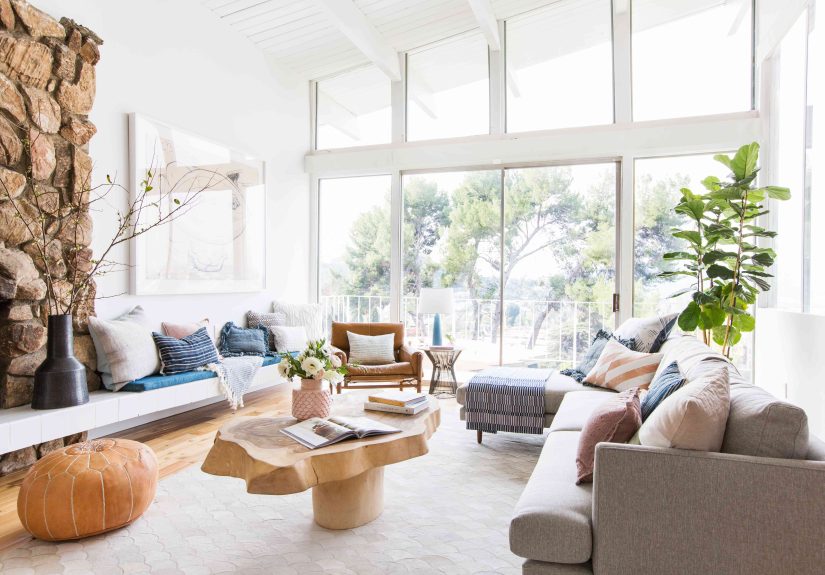
- Neutral sofa + wood coffee table + textured rug + plants + sculptural lighting
Bedroom
- Upholstered or wood headboard + linen bedding + wool or jute rug + soft bedside lamps
Kitchen
-
Simple cabinet fronts + warm hardware + wood or stone accents +
a few beautifully styled open shelves
Bathroom
-
Stone or stone-look finishes + wood stools or trays + cotton towels + a plant if there’s
daylight
Modern organic style doesn’t have to happen all at once; it can evolve as you replace pieces
and refine what feels good to live with.
Common Mistakes to Avoid
Even a beautiful style can go sideways. Watch out for:
-
Too much beige: Without enough texture or contrast, the room can look flat.
Add darker woods, black accents, or deeper earth tones. -
Cluttered surfaces: Organic doesn’t mean “cover every surface with decor.”
Edit, then edit again. -
All trends, no personality: Make space for items that matter to youbooks,
travel finds, family photos in simple frames.
Conclusion: A Calm, Grounded Home You’ll Actually Use
Modern organic style isn’t just a pretty aesthetic; it’s a way of creating a home that feels
calm, grounded, and genuinely comfortable to live in. With a warm neutral palette, honest
materials, soft lighting, and the right balance of clean lines and coziness, your rooms can
feel like a daily exhale instead of visual noise.
Start small: a new rug, a couple of plants, or swapping a glossy piece for something in real
wood. Over time, your home will naturally evolve into a space that reflects both modern
simplicity and nature’s quiet beauty.
SEO Summary for Your Website
meta_title: What Is Modern Organic Style? 12 Tips & Ideas
meta_description:
Learn what modern organic style is and get 12 easy tips to bring this warm, natural look into
every room of your home.
sapo:
Modern organic style blends clean, contemporary lines with warm, natural materials to create
spaces that feel calm, cozy, and effortlessly stylish. In this in-depth guide, you’ll learn
exactly what organic modern design is, how it differs from other trends, and 12 practical ways
to embrace itfrom choosing a warm neutral palette and layering textures to incorporating
plants, sculptural lighting, and sustainable materials. Whether you’re refreshing a single
room or reimagining your entire home, these ideas and examples will help you build a serene,
grounded space that still looks fresh and modern.
keywords:
modern organic style, organic modern design, organic modern interior design, natural materials
decor, neutral color palette, biophilic design, warm minimalist style
Real-Life Experiences with Modern Organic Style (500-Word Deep Dive)
Trends are fun to look at online, but what is it actually like to live with modern organic
style day after day? Let’s talk about how this look holds up in real homesfrom tiny
apartments to busy family housesand what people often learn once they start embracing it.
One of the biggest surprises people mention is how much behavior changes when
their space feels calmer. When a living room is filled with visual clutter and harsh lighting,
it’s easy to feel restless without really knowing why. Once they switch to a softer neutral
palette, add a textured rug, a couple of plants, and dimmable lamps, they find themselves
lingering on the sofa, reading more, or actually enjoying their morning coffee instead of
sprinting out the door.
In smaller spaces, like studio apartments or compact condos, modern organic style can be a
game-changer. Instead of fighting the size, you lean into it by choosing just a few
multi-functional, well-made pieces: a comfortable sofa bed, a simple wood dining table, and a
couple of sculptural stools that can act as side tables or extra seating. Add a jute rug,
linen curtains, and a big leafy plant in the corner, and suddenly the tiny space feels more
like a cozy retreat than an oversized storage closet.
Families with kids often worry that a neutral, modern organic look will be impossible to
maintain. In reality, it can actually be easier than busier styles, as long as you
choose materials wisely. Performance fabric on sofas, washable slipcovers, wool or low-pile
rugs that hide crumbs, and solid wood tables that can handle scratches all fit perfectly within
organic modern design. Instead of constantly apologizing for “ruined” furniture, parents learn
to see patinalittle dings and scuffsas part of the home’s story.
Another common experience is the “too much beige” phase. Many people enthusiastically paint
everything white, buy a cream sofa, a light rug, and pale wood furniture, only to realize the
room feels flat and washed out. The fix usually isn’t starting over. It’s adding contrast and
depth: a darker wood side table, charcoal throw pillows, black metal lamps, or art with richer
tones. Once those layers come in, the room suddenly looks intentional instead of incomplete.
People who work from home also find modern organic style especially helpful. A neutral, uncluttered
office with natural textures and plants can improve focus and reduce visual stress. A simple wood
desk, ergonomic but streamlined chair, woven basket for storage, and a couple of framed prints can
make the workspace feel both professional and soothing. When your peripheral vision isn’t filled
with chaos, it’s easier to stay on taskand to “turn off” at the end of the day.
Perhaps the most meaningful feedback from those who’ve adopted modern organic interiors is that
their homes feel more like them. They stop chasing every micro-trend and start asking, “Does this
piece feel good? Does it add warmth, texture, or calm?” Over time, their spaces become a collection
of purposeful, well-loved items instead of random impulse buys. The style is flexible enough to
incorporate heirlooms, travel souvenirs, and kids’ artwork, as long as the overall palette and
materials stay grounded in nature.
That’s the real beauty of modern organic style: it’s not just about looking good in photos. It’s
about living well in your spaceday in, day outwith a home that supports rest, connection, and a
little everyday joy.