Table of Contents >> Show >> Hide
- Nigella Seed in One Sentence
- Names, Origins, and Why Everyone Calls It Something Else
- What Does Nigella Seed Taste Like?
- How to Use Nigella Seed in Cooking
- Nigella Seed vs. Black Sesame vs. Cumin: Don’t Get Tricked by the Color
- Nutrition Snapshot: What’s Actually in Nigella Seed?
- Nigella Seed Benefits: What Research Suggests (and What It Doesn’t)
- Potential areas of interest
- 1) Inflammation and oxidative stress (the “why it’s studied” category)
- 2) Cardiometabolic markers: cholesterol, blood pressure, and blood sugar
- 3) Respiratory symptoms (like asthma or allergic rhinitis)
- 4) Skin (topical use and acne/eczema talk)
- A reality check that keeps you safe
- Is Nigella Seed Safe? Side Effects, Interactions, and Smart Precautions
- How to Buy and Store Nigella Seed (and When to Choose Oil)
- Conclusion: The Tiny Seed Worth Knowing
- Real-World Experiences With Nigella Seed (A 500-Word Add-On)
- SEO Tags
Generated by GPT-5.2 Thinking
Nigella seed is the tiny black seed with the biggest identity crisis in your spice rack. Depending on who you ask,
it’s nigella, black seed, kalonji, charnushka, “onion seed” (plot twist: not an onion),
and sometimes even “black cumin” (another plot twist: not cumin either). Yet despite the name game, it’s a real,
specific spice: the seed of Nigella sativa, a flowering plant that’s been used for centuries in cooking and traditional remedies.
In this guide, you’ll learn what nigella seed actually is, what it tastes like, how to use it (without accidentally buying the wrong “black seed”),
and what modern research suggests about potential benefits and safetywithout turning your pantry into a pharmacy.
Nigella Seed in One Sentence
Nigella seed is the small, matte-black seed of the Nigella sativa plantpeppery, earthy, and slightly onionyused as a culinary spice
(especially in South Asian and Middle Eastern cooking) and sometimes sold as black seed oil or supplements.
Names, Origins, and Why Everyone Calls It Something Else
The plant behind the seed
Nigella seed comes from Nigella sativa, a flowering plant in the buttercup family. The seeds are harvested from dried seed pods and have been used in
foods across a wide geographic footprint, especially in parts of the Middle East, North Africa, and South Asia.
Common names you’ll see on labels
- Nigella (the straightforward one)
- Black seed (accurate, but vague enough to cause shopping mishaps)
- Kalonji (common in South Asian markets)
- Charnushka / chernushka (often used in Eastern European and Jewish baking contexts)
- “Black cumin” (popular nickname, botanically misleading)
- “Onion seed” (popular nickname, botanically misleadingbut flavor-adjacent)
The confusing names matter because “black cumin” can refer to more than one thing in the real world. Nigella seed isn’t the same as true cumin
(Cuminum cyminum), and it isn’t black sesame either. If you’ve ever sprinkled what you thought was nigella onto bread and ended up with
something that tastes like sesame candy, welcome to the club.
What Does Nigella Seed Taste Like?
Nigella seed has a flavor that’s surprisingly complex for something that looks like a tiny pebble. People often describe it as:
peppery, earthy, and slightly oniony, with hints that can lean thyme-like or even a little licorice-y in the background.
That last part sounds dramatic, but in small amounts it reads more “mysteriously herbal” than “candy aisle.”
Why cooking method changes the flavor
Like many spices, nigella behaves differently depending on heat and fat:
- Sprinkled raw (on salads, yogurt, or tomatoes): sharper, more peppery.
- Dry-toasted: warmer, nuttier, and less “bite.”
- Bloomed in oil (briefly fried in hot oil): aromatic and rounded, with a gentler edge.
How to Use Nigella Seed in Cooking
If your only plan is “sprinkle it on something and hope,” you’re already on the right track. Nigella seed is forgiving.
The key is to use it like a spice, not like confetti.
1) Bread, crackers, and the “everything topping” vibe
Nigella seed is famous for showing up on breadsespecially flatbreadsand it’s also a classic in certain rye and Jewish baking traditions.
It adds crunch and a subtle savory punch that plays nicely with sesame, poppy, and flaky salt.
Easy example: Brush naan (or store-bought flatbread) with a little oil or melted butter, sprinkle with nigella seeds and salt, and warm it in a pan.
Suddenly your Tuesday dinner has weekend energy.
2) Bengali-style “panch phoron” and quick vegetable upgrades
Nigella seed is one of the traditional seeds used in panch phoron, a Bengali spice blend that can include mustard, fennel, cumin, fenugreek, and nigella.
The technique is simple: briefly fry the seeds in hot oil until fragrant, then add vegetables or lentils.
Easy example: Heat oil, add a pinch of nigella (alone or in a seed mix), let it sizzle for 10–20 seconds,
then add green beans, cauliflower, or potatoes. Finish with lemon. Congratulations: you have “I watched a cooking show once” credibility.
3) Pickles and brines
Nigella’s peppery-herbal note is great in pickling spice blendsespecially for sturdier vegetables like cauliflower, carrots, beets, or cucumbers.
It won’t take over the jar, but it will make people ask, “What’s in this?” in a very flattering way.
4) Tomatoes: a sleeper hit
A simple tomato salad (tomatoes, olive oil, salt) gets a new personality with a small pinch of nigella seed. The spice adds a gentle bite that’s less harsh than black pepper,
but still cuts through sweetness. It’s an easy way to make summer produce taste even more like summer.
Nigella Seed vs. Black Sesame vs. Cumin: Don’t Get Tricked by the Color
Nigella seed vs. black sesame
Both are small and black, both love bread, and both will happily photobomb your bagels. But the flavor is different:
black sesame is nutty and rich; nigella is more savory, peppery, and herbal.
If you toast them, the difference becomes even louder.
Nigella seed vs. cumin (“black cumin” confusion)
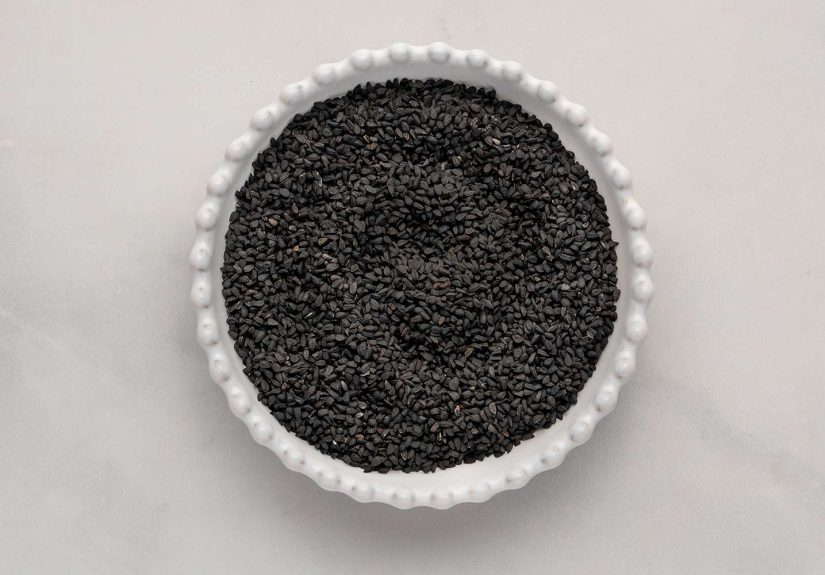
True cumin seeds are tan-brown, elongated, and smell unmistakably “cumin.” Nigella seeds are small, angular, and matte-black.
The nickname “black cumin” is common, but botanically misleading. If you swap one for the other in a recipe, you’ll get a dish that tastes like it belongs to a different country.
Sometimes that’s fun. Sometimes that’s a culinary witness protection program.
Shopping tip
When in doubt, look for the botanical name on packaging: Nigella sativa. That’s your anchor in the sea of nicknames.
Nutrition Snapshot: What’s Actually in Nigella Seed?
In normal culinary amounts (think: teaspoons, not scoops), nigella seed contributes flavor more than macronutrients. That said, the seed naturally contains:
fiber, plant fats, and a variety of naturally occurring compounds found in many spices.
One reason nigella is studied is that it contains bioactive compounds in its essential oilespecially thymoquinone.
That doesn’t mean “miracle spice,” but it does help explain why researchers keep putting it under the microscope.
If you’re looking up nutrition labels, keep in mind that seed products can vary by cultivar, processing, and whether you’re looking at whole seeds vs. oil.
Nutrition databases are useful for context, but they don’t replace the reality that most people use nigella in small quantities.
Nigella Seed Benefits: What Research Suggests (and What It Doesn’t)
Nigella seed and black seed oil are widely discussed online for everything from inflammation to blood sugar to skin.
Here’s the grounded way to think about it: there are promising signals in early research, but for many claims the evidence is still limited,
studies are small, and products/doses vary a lot.
Potential areas of interest
1) Inflammation and oxidative stress (the “why it’s studied” category)
Thymoquinone and other constituents are studied for antioxidant and anti-inflammatory activity. This is a mechanism-level reason researchers explore nigella,
but mechanism alone doesn’t guarantee a real-world treatment effect.
2) Cardiometabolic markers: cholesterol, blood pressure, and blood sugar
Some small clinical studies and reviews suggest nigella preparations may modestly improve certain markers like cholesterol or blood sugar in specific populations.
But results differ across trials, and these supplements should not replace proven care like diet, exercise, and prescribed medication.
3) Respiratory symptoms (like asthma or allergic rhinitis)
There are studies exploring nigella and black seed oil for asthma-related symptoms and allergies. Some people report symptom improvements,
but results are not consistent enough to treat it as a stand-alone solution. If you have asthma, your controller medications are not optional just because a seed is trendy.
4) Skin (topical use and acne/eczema talk)
Black seed oil is used topically by some people for skin concerns. Limited studies and anecdotal reports exist,
but topical oils can also cause irritation or allergic reactionsespecially if used “neat” (undiluted) on sensitive skin.
A reality check that keeps you safe
If a headline says nigella seed “cures” something, treat it like a suspicious email promising you a free yacht. Look for human clinical trials, realistic language,
and medical guidanceespecially if you have a chronic condition.
Is Nigella Seed Safe? Side Effects, Interactions, and Smart Precautions
As a culinary spice, nigella seed is generally considered safe for most people in normal food amounts. The conversation changes when you move into
concentrated oils, extracts, and capsules.
Common side effects people report (especially with oil or supplements)
- Stomach upset, nausea, bloating, or digestive discomfort
- Headache or fatigue in some users
- Skin irritation or allergic reactions, particularly with topical application
Medication interactions: where caution matters
Nigella products may interact with medications, especially those that affect:
- Bleeding risk (blood thinners/anticoagulants)
- Blood pressure (antihypertensives)
- Blood sugar (diabetes medications)
- Drug metabolism (some products may affect liver enzymes involved in processing medications)
If you take any of the above, or you have a planned surgery, it’s worth having a quick, boring conversation with a clinician before using concentrated black seed oil.
Boring is good. Boring keeps you out of the emergency room.
Pregnancy, breastfeeding, and kids
Food amounts are one thing; supplements are another. Because supplement research can be limited and dosing is not standardized,
pregnant or breastfeeding people should be especially cautious and talk with a healthcare professional before using black seed oil or capsules.
How to Buy and Store Nigella Seed (and When to Choose Oil)
Whole seeds vs. ground
Whole nigella seeds keep their flavor longer. Grind them only when you need a stronger punch (and only as much as you’ll use soon),
because ground spices lose aroma faster.
Storage basics
- Keep seeds in a cool, dry place, away from heat and sunlight.
- Use an airtight container (because spices absorb odors like gossip spreads in group chats).
- If the seeds smell flat or dusty, toast a tiny pinch. If nothing wakes up, it’s time for a refill.
If you’re considering black seed oil as a supplement
Dietary supplements in the U.S. aren’t approved like medications before they’re sold, and products can vary in strength and quality.
If you choose to use black seed oil, look for brands that do third-party testing and provide clear labeling (including serving size and ingredients).
Start low, don’t mix it with a dozen other new supplements at once, and don’t use it as a substitute for medical care.
Conclusion: The Tiny Seed Worth Knowing
Nigella seed is a small spice with big personality: savory, peppery, and quietly magical on breads, vegetables, pickles, and tomato dishes.
It also has a long history in traditional use and a growing body of scientific interestespecially around thymoquinone and related compounds.
The practical takeaway is simple: enjoy nigella seed generously in food, keep a healthy skepticism about miracle claims, and be cautious with concentrated oils or supplements,
particularly if you take medications or manage a chronic condition. In other words: let it be a spice first, and only a “wellness tool” with informed care.
Real-World Experiences With Nigella Seed (A 500-Word Add-On)
I don’t have personal taste buds, but I can share the kinds of experiences cooks and supplement-curious folks commonly describe when they bring nigella seed into their routine.
Think of this as a “what you might notice” sectionuseful for setting expectations, not a substitute for medical advice.
The “Wait, that’s not sesame?” first impression
A very common first-time experience is buying a jar of nigella because it looks like black sesamethen being surprised by the flavor.
People often expect deep nuttiness and instead get something more savory and herbal. The surprise usually turns into appreciation once they try it on bread:
nigella’s peppery-oniony note reads like “seasoned crust,” not “dessert topping.” If you want to avoid the shock, try a pinch on buttered toast first.
It’s a low-stakes audition, and toast is famously nonjudgmental.
The “bread upgrade” moment
Bakers often report that nigella seed is one of the fastest ways to make homemade bread taste “artisan” without learning a single new technique.
The seeds cling well to egg wash or a quick brush of water and add texture plus a savory aroma when the loaf hits the oven.
A typical experience: you sprinkle a little, bake the bread, and suddenly everyone in the house wanders into the kitchen like cartoon characters floating toward a pie.
Nigella tends to play nicely with sesame, poppy, and coarse saltso it’s easy to use in an everything-style topping without overpowering the other seeds.
The “bloom it in oil” discovery
Home cooks trying South Asian or Bengali techniques often have a lightbulb moment when they bloom nigella in hot oil.
Raw seeds can taste sharper; briefly frying them makes the kitchen smell warm and complex, and the flavor becomes more rounded.
People often compare this to “waking up” the spice. The experience is similar to tempering mustard seeds:
a quick sizzle, a burst of aroma, then you build the dish on top of that foundation. If you try it with vegetables (green beans, cauliflower, potatoes),
the seed’s flavor feels integrated rather than sprinkled-on.
The supplement experiment: “Start small and pay attention”
Some people explore black seed oil or capsules hoping for general wellness support. A frequently reported experience is that the first noticeable effectif anycan be digestive.
Mild stomach upset, nausea, or bloating shows up for some users, especially if they start with a larger dose or take it on an empty stomach.
Others report no immediate effects at all, which can be frustrating if they expected fireworks. That’s part of why clinicians often recommend caution:
supplement benefits are not guaranteed, and individual responses vary widely.
If someone is on blood pressure meds, diabetes meds, or blood thinners, the “experience” can quickly become “oops, my numbers changed,” which is not a fun hobby.
That’s why many reputable health sources advise talking to a healthcare professional before using concentrated black seed productsespecially long-term.
The long-term keeper: a spice that earns a permanent spot
Perhaps the most common experience of all is that nigella becomes a “secret ingredient” people reach for when food tastes flat.
A pinch on roasted carrots, a sprinkle on hummus, a final touch on yogurt saucesmall moves, noticeable payoff.
It’s not loud like chili flakes or dramatic like smoked paprika. It’s more like the friend who doesn’t talk much but always says the funniest thing at exactly the right moment.