Table of Contents >> Show >> Hide
- The Quick Answer: When Does Lavender Bloom?
- Lavender Blooming Season by Type
- What Affects Lavender Bloom Time?
- Regional Lavender Bloom Guide in the United States
- How Long Does Lavender Bloom?
- Best Time to Visit a Lavender Farm
- When to Harvest Lavender for the Best Results
- How to Encourage More Lavender Blooms
- Common Mistakes That Delay or Reduce Bloom
- Final Thoughts on Peak Lavender Blooming Season
- Lavender Bloom Experiences: What Peak Season Feels Like in Real Life
- SEO Tags
Lavender has a talent for making gardeners, photographers, pollinators, and mildly stressed humans all fall in love at the same time. One minute it is a tidy little silver-green shrub minding its own business, and the next it is putting on a purple performance worthy of applause, lemonade, and at least twelve unnecessary photos.
If you have ever asked, “When does lavender bloom?” the honest answer is: it depends. The useful answer is: most lavender reaches its best show from late spring through midsummer, with peak lavender blooming season often landing between June and July in much of the United States. But variety, climate, elevation, pruning, and even your garden’s drainage can nudge that schedule forward or backward.
This guide breaks down lavender bloom time by type, region, and growing conditions so you know when to expect flowers, when to visit a lavender farm, and how to help your own plants bloom like they mean it.
The Quick Answer: When Does Lavender Bloom?
In most American gardens, lavender blooms from late spring into summer, with the most dramatic display often happening in June, July, or early August. That said, there is no single national bloom date because lavender is not running on one giant synchronized calendar. Mother Nature prefers local schedules.
Here is the practical version:
- Warm climates: Some lavender starts blooming in spring and may continue in waves into late summer or fall.
- Moderate climates: Peak bloom often arrives in June or July.
- Cooler northern or higher-elevation areas: Full bloom may not hit until mid to late July, and sometimes early August.
So if you want the shortest possible answer to when lavender blooms, it is this: usually late spring through midsummer, with peak bloom in early to mid-summer.
Lavender Blooming Season by Type
Not all lavender blooms on the same timeline. In fact, one of the easiest ways to extend your garden’s flower show is to plant more than one type. Think of it as strategic purple scheduling.
English Lavender
English lavender is the classic favorite for fragrance, dried bundles, and cottage-garden charm. In many regions, it blooms in late spring to early summer, and in some climates it may produce a lighter second flush later in the season. Cultivars such as Munstead and Hidcote are especially popular because they are compact, fragrant, and reliable.
If you are growing English lavender and wondering about bloom time, expect the main show to arrive around June to July in many gardens. In cooler spots, it may lean later. In milder climates, it may get started earlier.
Lavandin
Lavandin is a hybrid, usually larger and more vigorous, with longer stems that florists and growers love. It typically flowers later than English lavender, often in mid to late summer. If your garden feels suspiciously empty after your English lavender finishes, lavandin can step in like the dependable sequel that actually lives up to the original.
Popular lavandin varieties include Grosso and Provence, both known for long stems and a strong fragrance. These are often the dramatic field stars at many lavender farms.
Spanish and French Lavender
Spanish lavender and some French lavender types often start earlier, especially in warm regions. They may bloom from spring into summer, and in frost-free or very mild areas they can flower for a surprisingly long stretch. These types are often chosen for ornamental value because their flower heads look a bit like they got dressed up for a garden party.
If you live in a hot climate and want the longest lavender season possible, these warm-weather types can be your overachievers.
What Affects Lavender Bloom Time?
If two gardeners in different states plant the same lavender variety, they may not see flowers at the same time. That is normal. Lavender responds to local conditions with the confidence of a plant that knows exactly what it likes.
1. Climate and USDA Zone
Climate is the biggest factor in peak lavender bloom. Warm spring weather can trigger earlier flowering, while cool temperatures delay it. A coastal California garden and a mountain Colorado garden may be growing the same plant, but they are living very different lives.
2. Variety
Different species and cultivars bloom on different schedules. English lavender usually starts first, lavandin follows later, and Spanish or French types may bloom longer in warm areas. Choosing multiple varieties is one of the smartest ways to enjoy flowers for more of the season.
3. Sunlight
Lavender wants full sun. Not “mostly bright.” Not “my porch gets a cheerful five minutes at noon.” Real sun. Plants that do not get enough light often produce fewer flowers and stretch instead of forming those nice dense mounds gardeners love.
4. Soil and Drainage
If lavender could write a dating profile, it would say: “Loves sun, hates wet feet.” Poor drainage can reduce flowering, weaken the plant, and cause root problems. Lavender performs best in well-drained, lean, often sandy or gritty soil. Rich, soggy soil may grow foliage, but it does not usually deliver the floral fireworks you hoped for.
5. Pruning Timing
Improper pruning can remove future flower spikes. Prune too hard or at the wrong moment, and your plant may reward you with an impressive amount of silence. Light seasonal shaping after flowering or careful spring cleanup is usually better than dramatic haircut energy at the wrong time.
6. Plant Age
Younger plants may not bloom as heavily as established ones. First-year lavender often focuses on roots and structure. Mature plants generally provide a fuller and more dependable bloom display.
Regional Lavender Bloom Guide in the United States
One of the most common mistakes people make is searching for a single nationwide answer to when lavender is in bloom. That is like asking when summer tastes best. It depends where you are standing.
California
In many parts of California, lavender begins blooming earlier than it does in the Pacific Northwest. Some farms report full bloom by early June, while other destinations see peak color from late June through mid-July. In practical terms, California often offers one of the earliest and longest viewing windows in the country.
This makes California a strong choice for travelers looking for lavender fields in bloom before northern regions catch up.
Oregon
In Oregon, the bloom season often centers on June and July. Official farm and trail calendars commonly point to those months as the prime viewing period, with bloom festivals and open farm weekends clustered right around that window.
If you are planning a visit, late June into July is often a very safe bet for the state’s major lavender destinations.
Washington
Washington’s famous Sequim area is one of the best-known lavender destinations in the United States, and its bloom schedule is a little later than many California locations. Fields often begin showing purple in late June, with full bloom around mid-July. That timing is one reason the region’s lavender celebrations tend to land in July.
Mountain and Cooler Regions
In places with cooler springs or higher elevations, lavender often blooms later. In these areas, you may see the best color in July or even early August. If you garden in a cold-winter climate, patience helps. Lavender can still be magnificent there; it just prefers a slightly delayed entrance.
How Long Does Lavender Bloom?
A single lavender plant does not stay in perfect peak bloom forever, because sadly, plants have not agreed to our vacation calendars. Most individual bloom periods last a few weeks, though the exact duration depends on variety and weather.
Here is a useful rule of thumb:
- Main flush: usually 3 to 4 weeks of strong color
- Extended interest: longer if multiple varieties bloom in sequence
- Possible rebloom: some English lavender cultivars may flower again later with proper care
If you want a garden that stays attractive beyond the peak, choose varieties with staggered timing and deadhead or prune lightly after flowering where appropriate.
Best Time to Visit a Lavender Farm
If your goal is field photography, peak color, and maximum wow factor, plan your trip for the local full bloom window, not merely “lavender season.” Those are not always the same thing.
Lavender season may include pre-bloom green growth, peak flowering, harvesting, and post-harvest events. But if you want the classic sweeping-purple-fields experience, aim for the sweet spot when most plants are open but not yet heavily cut back.
Before visiting, always check the farm’s current bloom report or event schedule. Working farms harvest on their own timing, which means a field can look glorious on Friday and suspiciously neat by Sunday.
When to Harvest Lavender for the Best Results
The best harvest time depends on how you plan to use the flowers.
For Drying
Cut stems when the flowers are just beginning to open or only partly open. This usually helps preserve color, fragrance, and shape while drying.
For Culinary Use
Culinary lavender is often harvested even earlier, while the buds are still tight or just beginning to show color. This can help keep the flavor less bitter and more delicate.
For Pollinators and Garden Display
If your goal is beauty or bee support, let the flowers open more fully before cutting. Lavender is a magnet for pollinators, and a blooming patch can sound like a tiny summer airport for bees.
How to Encourage More Lavender Blooms
If your lavender is acting leafy but stingy with flowers, the plant is probably giving you useful feedback. Fortunately, lavender is honest.
- Give it full sun: at least 6 hours, and preferably more.
- Improve drainage: raised beds, gravelly soil, or mounded planting areas help.
- Avoid overwatering: established lavender prefers to dry between waterings.
- Do not overfeed: too much fertilizer can push soft growth over flowers.
- Prune correctly: shape plants after bloom or in the proper seasonal window for your climate.
- Choose the right variety: cold-hardy English lavender for colder zones, heat-tolerant Spanish or French types for warmer ones.
In other words, lavender thrives when you stop treating it like a thirsty annual and start treating it like the Mediterranean shrub it is.
Common Mistakes That Delay or Reduce Bloom
Lavender is not particularly difficult, but it does have standards.
- Too much shade: fewer flowers and weaker growth
- Wet soil: root stress and reduced performance
- Heavy mulch against the crown: trapped moisture where lavender least wants it
- Overfertilizing: lots of leaves, fewer blooms
- Cutting into old woody growth: slower recovery or permanent damage
- Expecting identical timing every year: weather changes the schedule
The last point matters more than many gardeners realize. Bloom time is predictable in a general sense, but not precise to the day. If spring is cool and wet, flowering may arrive later. If warmth comes early and stays steady, you may see purple sooner than expected.
Final Thoughts on Peak Lavender Blooming Season
So, when does lavender bloom? In most of the United States, the answer falls somewhere between late spring and midsummer, with peak blooming season usually in June or July. But the real answer depends on your lavender type, your local climate, and whether your plant is basking in sunshine or plotting revenge in soggy soil.
English lavender usually leads the parade, lavandin follows later, and warm-climate Spanish or French types can keep the show going longer. If you want the best flowers, think less about chasing an exact date and more about understanding the rhythm of your region.
Once you learn that rhythm, lavender becomes much easier to grow, harvest, and enjoy. And when bloom finally hits, you will understand why people plan entire road trips around a shrub. A very fragrant shrub, but still. A shrub.
Lavender Bloom Experiences: What Peak Season Feels Like in Real Life
There is a difference between knowing when lavender blooms and actually standing beside it at peak season. On paper, “late June to mid-July” sounds tidy and efficient. In person, it feels like summer turned the volume up on scent, color, and every soft breeze in the garden.
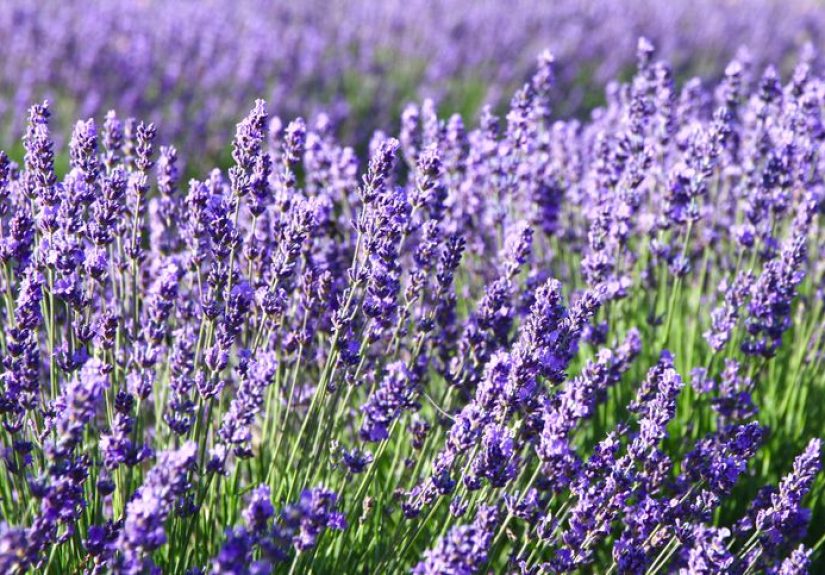
One of the first things people notice during peak lavender bloom is that the color is never just one color. From a distance, a field might look purple. Up close, it shifts constantly. Some spikes look violet, some bluish, some almost silver, and others carry that dusty purple tone that seems to glow in evening light. It is a plant that somehow manages to be both calming and dramatic, which is honestly a little show-offy.
The fragrance changes throughout the day too. In the morning, it can smell fresh and herbal, almost cool. By midday, especially under hot sun, the scent grows stronger and sweeter. Walk through a blooming patch in the late afternoon and the whole area can feel wrapped in perfume without ever becoming heavy. It is one of those rare garden experiences that feels generous rather than overwhelming.
Then there is the sound. People imagine lavender as a quiet visual experience, but blooming lavender is busy. Bees adore it. Butterflies drift through it. A healthy planting hums with life. That is part of the magic. Lavender bloom season is not just pretty; it feels active, useful, and ecologically alive.
Gardeners often talk about the emotional side of lavender too. There is something deeply satisfying about waiting through early spring, watching the foliage bulk up, noticing the first flower stems rise, and then finally seeing the entire plant open. The bloom becomes a marker of the season. It says summer is truly here. It says the garden is no longer warming up. It has arrived.
At home, the experience is a little different from visiting a farm, but no less enjoyable. A single blooming plant near a walkway or front step can make an ordinary daily routine feel better. You brush past it while carrying groceries or watering containers, and suddenly the air smells cleaner and brighter. Even a small planting can make a space feel intentional.
And of course, there is the ritual of cutting stems. Snipping bunches during bloom, tying them loosely, and hanging them to dry indoors adds another chapter to the season. The flowers move from garden moment to household memory. Weeks later, when the field or border has passed peak, the dried bundles still hold some of that summer.
That may be the best thing about lavender bloom season: it feels temporary in the right way. It asks you to notice it now. To step outside now. To stop and smell the air now, even if that phrase sounds like it came from a decorative pillow. In a world of endless scrolling and indoor lighting, lavender at full bloom has a very old-fashioned message: the season is happening, and it is worth paying attention to.