Table of Contents >> Show >> Hide
- What Do We Mean by “Influential Millennial”?
- Tech Titans: Millennials Who Rewired the Internet
- Cultural Powerhouses: Musicians, Actors, and Storytellers
- Activists, Politicians, and Public Figures
- Sports Legends as Global Brands
- Entrepreneurship and Social Impact
- Why Any “Most Influential Millennials” List Is Incomplete
- Living in a Millennial-Led World: Everyday Experiences
- The Takeaway: Millennials Are Just Getting Started
Millennials grew up on dial-up internet and now manage companies that run the modern web.
They once collected CDs and DVDs, and now they crash streaming platforms with surprise
album drops and live-streamed concerts. Born roughly between 1981 and 1996, this
generation has gone from being dismissed as “kids with participation trophies” to
becoming presidents, billion-dollar founders, cultural icons, and championship-winning
athletes.
But “influential” is more than fame. It’s about shaping how billions of people live, work,
communicate, and dream. In this guide, we’ll look at some of the most influential
millennials on the planet today, what makes their impact unique, and what their rise says
about the power (and quirks) of an entire generation.
What Do We Mean by “Influential Millennial”?
Before we start name-dropping, we need a working definition. Most researchers and major
demographic organizations define millennials as people born from 1981 through 1996. That
puts them between their late 20s and mid-40s todayold enough to have real power, still
young enough to be considered “the future” in a lot of boardrooms.
In this article, we’ll call someone influential if they:
- Reach large global audiences across countries and cultures.
- Have changed behaviors, markets, or public conversations in a lasting way.
- Are still shaping what happens next, not just what happened once.
That means we’re looking at tech founders who built platforms you tap before you brush
your teeth, artists whose music soundtracks your commute, athletes whose names are
global brands, and public figures who drag big social issues into the spotlight.
Tech Titans: Millennials Who Rewired the Internet
Mark Zuckerberg and the Architecture of Connection
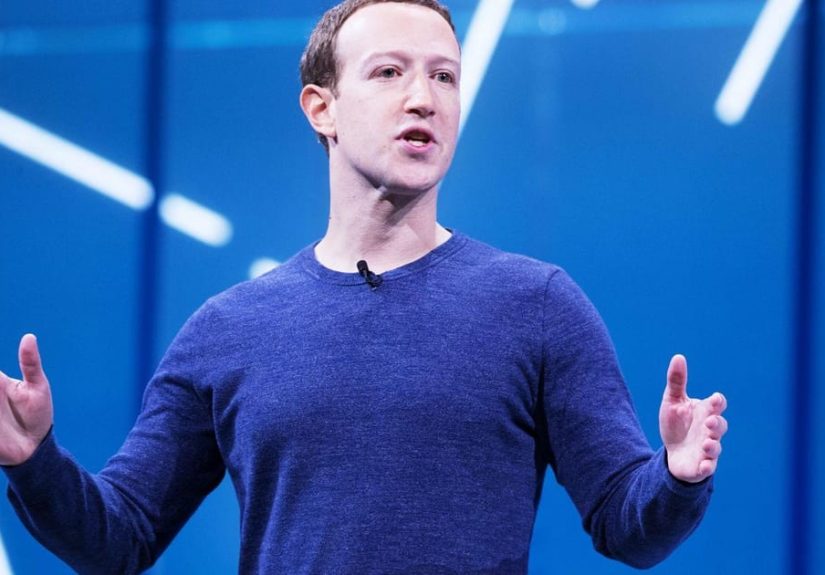
Love him, fear him, or mute him in your feed, it’s almost impossible to talk about
millennial influence without mentioning Mark Zuckerberg (born 1984).
As the co-founder of Facebook (now Meta), he turned a dorm-room project into a social
infrastructure used by billions of people.
Zuckerberg’s influence goes beyond friend requests. Facebook changed how news spreads,
how political campaigns work, how brands advertise, and even how families stay in touch.
At the same time, the company has been at the center of global debates about privacy,
misinformation, and the mental health effects of social media. He’s the ultimate example
of the millennial paradox: a generation that builds tools we can’t live withoutand then
wonders if we should occasionally log off.
The Platform Builders: Chesky, Ek, Spiegel, Wolfe Herd & Co.
Zuckerberg might be the most visible, but he’s far from alone. A long list of millennial
founders quietly reshaped everyday life:
-
Brian Chesky (born 1981) and his co-founders turned Airbnb into a
global marketplace for homes, experiences, anddepending on who you askeither
economic freedom or skyrocketing rents. -
Daniel Ek (born 1983) and Spotify rewired how we listen to music,
pushing us from buying albums to subscribing to endless playlists. -
Evan Spiegel (born 1990) popularized disappearing content with
Snapchat, forcing every other social platform to copy Stories like students cheating on
a test. -
Whitney Wolfe Herd (born 1989), founder of Bumble, helped reframe
dating culture by making “women message first” a core product rule, not just a
relationship tip.
These founders have something in common: they build platforms instead of products. Their
companies connect millions of users, then let those users generate the real value. That’s
a very millennial style of influenceless “I wrote this single book” and more “I built
the ecosystem where millions of people write their own stories.”
Cultural Powerhouses: Musicians, Actors, and Storytellers
Beyoncé, Rihanna, and Taylor Swift: More Than Pop Stars
If influence were measured in stadium decibels, Beyoncé (born 1981),
Rihanna (born 1988), and Taylor Swift (born 1989)
would already be at the top of any millennial list.
Beyoncé built an entire visual and cultural universe. Her albums and performances blend
music, film, fashion, and political commentarysparking conversations on race, gender,
and power while filling arenas worldwide. She’s both a performer and a curator of
Black history and storytelling for a global audience.
Rihanna went from chart-topping singer to billionaire entrepreneur by turning her Fenty
brands into symbols of inclusion. Her beauty and fashion lines didn’t just sell makeup
and clothesthey pushed the industry to expand shade ranges, show more diverse bodies,
and rethink what “mainstream” looks like.
Taylor Swift rewrote the rules for how artists interact with fans, streaming platforms,
and even their own past work. From re-recording her masters to speaking out about
artists’ rights and ticketing systems, she’s treated the music industry like a very
complicated group projectand somehow convinced millions of fans to major in “Swift
Studies” along the way.
Screen Icons and Global Narratives
Film and television are full of millennial actors and creators whose work shaped how we
talk about identity, trauma, heroism, and everyday life. Think:
-
Emma Watson (born 1990), who went from beloved child star to U.N.
Women goodwill ambassador and outspoken feminist. -
Lupita Nyong’o (born 1983), whose performances in films like
12 Years a Slave and Black Panther helped bring complex Black stories
and African futurism into the mainstream. -
A wave of millennial showrunners, writers, and directors who tackle themes like
mental health, social media anxiety, and the immigrant experience in series that
dominate streaming platforms.
These storytellers don’t just entertain. They teach audiences new language for identity,
consent, race, and belongingand they put those conversations in living rooms worldwide
via streaming queues and viral clips.
Activists, Politicians, and Public Figures
Alexandria Ocasio-Cortez and the Social Media Megaphone
Alexandria Ocasio-Cortez (born 1989) is one of the most recognizable
millennial politicians on the planet. Her rise from bartender to member of the U.S. House
of Representatives wasn’t just a political storyit was a lesson in how digital-native
campaigning works.
AOC uses social platforms the way many millennials use group chats: to explain complex
systems, call out hypocrisy, and occasionally show what she’s cooking. Whether you agree
with her policies or not, her ability to frame issues like climate change, student debt,
and economic inequality in simple, sharable language has influenced how younger voters
engage with politics.
Royals, Diplomats, and Symbolic Leaders
On a very different stage, Prince William (born 1982) represents a
millennial approach to monarchy. His public work focuses on mental health, environmental
conservation, and modernizing royal institutions. While he inherited his platform, he
and other millennial royals have tried to steer that inherited influence toward issues
their generation cares aboutclimate, stigma, and community.
Globally, you see a similar pattern with millennial leaders in politics and diplomacy:
they often run on transparency, anti-corruption, and digital government. Even when they
face the same old problems, the way they communicatethrough livestreams, threads, and
unfiltered Q&A sessionsfeels distinctly millennial.
Sports Legends as Global Brands
LeBron James, Serena Williams, Cristiano Ronaldo, and Lionel Messi
Sports used to be about what happened on the field. For millennial superstars, the field
is just the starting point.
-
LeBron James (born 1984) has defined modern basketball greatness while
simultaneously building a media company, a public school initiative, and a portfolio of
social justice advocacy. -
Serena Williams (born 1981) dominated tennis for decades and became a
symbol of Black excellence, resilience, and unapologetic ambition in a sport long
associated with exclusivity. -
Cristiano Ronaldo (born 1985) and Lionel Messi
(born 1987) turned football into a global soap operaeach new club, record, or trophy
feeds fan communities that operate like nonstop news channels.
These athletes are also savvy businesspeople. They sign lifetime deals, launch fashion
lines, invest in startups, and build charitable foundations. In classic millennial
fashion, they don’t just want to winthey want to own the brand of winning.
Entrepreneurship and Social Impact
It’s hard to keep up with the wave of millennial founders appearing on “under 30” and
“young global leaders” lists every year. Many of them build at the intersection of tech
and social impactworking on climate, health, education, and financial inclusion.
What stands out about millennial entrepreneurs is their comfort with combining profit and
purpose. A startup might set out to optimize logistics and reduce emissions. A fintech
app might aim to make money and reduce inequality in access to credit. It’s not
that older generations didn’t care about impact; millennials simply bake it into the
business pitch from day one.
At the same time, there’s growing criticism from within the generation itself. Many
millennial activists question “performative” impact and call for deeper structural
change, not just good marketing. That tensionbetween idealism and realism, between app
fixes and policy shiftsis part of what makes millennial influence so interesting.
Why Any “Most Influential Millennials” List Is Incomplete
You’ve probably noticed something: we haven’t listed every famous millennial you’ve ever
heard of. Where are the K-pop idols? The YouTube veterans? The founders of your favorite
niche productivity app? The truth is, any list is incomplete by definition.
Influence isn’t static. New platforms appear, algorithms change, and someone you’ve never
heard of can suddenly become a household name after one unbelievable performance, one
breakout video, or one brilliantly timed product launch.
On top of that, influence is often local and invisible. A millennial mayor who modernizes
a mid-sized city’s public transit may never trend on social mediabut their decisions
change daily life for millions of commuters over time. The same goes for researchers,
educators, and organizers who quietly bend the arc of policy or public opinion.
Living in a Millennial-Led World: Everyday Experiences
It’s one thing to read a list of names. It’s another to notice how deeply millennial
influence has woven itself into your everyday routine. Let’s walk through some familiar
experiences that show just how much this generation has reshaped the world.
Your Morning Scroll
Your alarm goes off on a smartphone designed by a team that probably includes several
millennials. You instantly tap open a social appa platform founded or heavily influenced
by millennial leaders. The first thing you see isn’t a news anchor or a newspaper; it’s a
short video explaining global events from a creator barely out of college.
The way you “hear” about the worldthrough timelines, trending topics, and algorithmic
feedsis a direct result of millennial decisions about how information should flow. They
built social networks that feel like infinite public squares and group chats smashed
together, and now we’re all living inside them.
Work, Hustle Culture, and the Hybrid Life
At the office (or your kitchen table, because remote work is a thing now), millennial
influence is everywhere. Many managers and team leads are millennials juggling Slack,
video calls, and project boards like circus performers who accidentally learned to code.
This generation pushed for flexible schedules, remote work options, and the idea that
career paths don’t have to look like neat ladders. They popularized side hustles: online
shops, freelance gigs, and niche newsletters. Sometimes that hustle culture gets
exhausting, but it also opened doors for people who would never have fit into a traditional
9-to-5.
Even office culturefrom open-plan spaces to bringing your “whole self” to workhas been
shaped by millennial managers who came of age questioning rigid hierarchies and dress
codes. They didn’t just ask “Where do you see yourself in five years?” They also asked
“Can I do it from my laptop in another time zone?”
Money, Values, and What “Success” Looks Like
Millennials came of age during economic shocks, housing crises, and student-debt
explosions. Unsurprisingly, their definition of success looks different from the old
formula of “job, house, retirement at 65.”
Many influential millennials talk openly about burnout, mental health, and boundaries. It
has become normal to see startup founders discuss therapy on podcasts, celebrities speak
candidly about anxiety, and athletes prioritize mental health even at the peak of their
careers. That openness has filtered down into how everyday people talk with friends,
partners, and coworkers.
At the same time, millennial-led brands lean heavily into values: sustainability,
inclusion, social justice. It’s not a coincidence that you now see carbon labels on
products, gender-neutral marketing for familiar items, and “give-back” campaigns built
into subscription services. Whether every campaign is as meaningful as the slogan claims
is up for debatebut the shift in expectations is real.
Entertainment, Fandoms, and Belonging
Millennial influence also shows up in how we relate to the things we love. Fandom used to
mean you watched a show every week and maybe bought a T-shirt. Now it can mean organizing
charitable drives in honor of your favorite singer, decoding hidden messages in album
artwork, or flying to another country to see a concert with friends you met online.
Many of the world’s biggest fandoms revolve around millennial artists, actors, and
creators. These communities function like mini-societies with their own rules, memes, and
history. They can rally support for causes, pressure companies to change, or launch an
artist’s new era into the stratosphereoften overnight.
That sense of global digital belonging is something previous generations didn’t fully
experience. It’s one of the clearest examples of how millennial-built platforms and
millennial-led projects have changed not just what we watch or listen to, but how we
build identity and community around them.
The Takeaway: Millennials Are Just Getting Started
So who are the most influential millennials in the world? They’re the tech founders who
turned code into culture, the artists who turned albums into movements, the athletes who
turned championships into platforms, and the public figures who turned social media into
a megaphone for change.
But they’re also your manager who pushed for remote work, your favorite creator who made
history feel understandable, and the local organizer who quietly changed policy in your
city. Influence isn’t just about being on a magazine coverit’s about the invisible ways
a generation resets what “normal” looks like.
As millennials move deeper into positions of leadershipin governments, boardrooms,
studios, and labstheir impact will only grow. They’re already shaping the systems that
Gen Z and Generation Alpha will inherit. If the last two decades were millennials learning
how to use power, the next two may be when we find out what they really plan to do with
it.