Table of Contents >> Show >> Hide
- What “Wintering” Really Means (Hint: It’s Not Just About Weather)
- Why Rest Feels So Hard (Even When You Need It Most)
- The Science Behind Wintering: Why Recovery Works
- Signs You Might Be in a Wintering Season
- How to Winter Well: A Practical Plan for Rest and Retreat
- 1) Name the Season (So You Stop Arguing With Reality)
- 2) Build a “Minimum Viable Day”
- 3) Try the “Seven Kinds of Rest” Mindset
- 4) Protect Your Sleep Like It’s a VIP Guest
- 5) Use Nature as a Nervous System Reset
- 6) Create Cozy on Purpose (Without Making It a Performance)
- 7) Set Boundaries That Match Your Energy (Not Your Optimism)
- 8) Try Non-Sleep Deep Rest (NSDR) or Guided Relaxation
- Wintering at Work or School: How to Slow Down Without Falling Apart
- Wintering Through Grief, Illness, or Big Change
- When to Get Extra Support
- Conclusion: Wintering Is How You Make It Throughand Back
- Field Notes: of Wintering Experiences (Real-Life, Not Instagram)
If you’ve ever looked at your life and thought, “Wow, everything is moving… except me,” congratulations: you may
have entered your very own wintering season. Not the cute kind with hot cocoa foam art and
matching mittensmore like the kind where your energy disappears, your motivation goes on sabbatical, and your
calendar starts feeling like it was designed by a villain.
Wintering is the art (and sometimes the necessity) of stepping back to recover when life gets heavy: after a loss,
during illness, in burnout, through big transitions, or in any stretch where your usual “I’ve got this!” turns into
“I’ve got… a blanket.” It isn’t laziness. It isn’t failure. It’s a human response to strainand it can be a
surprisingly powerful way to rebuild resilience.
What “Wintering” Really Means (Hint: It’s Not Just About Weather)
In nature, winter is not a productivity contest. Trees don’t panic because they’re not making leaves. Bears don’t
start a side hustle because they’re napping. The natural world expects a cycle: growth, harvest, rest, and
renewal. Human lives also move in seasons, even when our culture pretends we should be “on” all year.
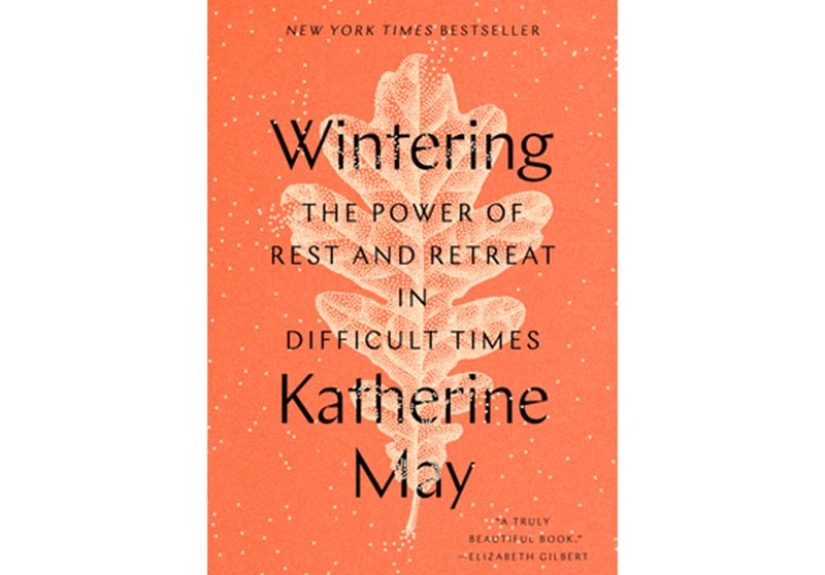
Wintering is a season of rest and retreat in difficult timesa deliberate slowdown that
allows healing and regrouping. It can look like pulling back socially, simplifying routines, protecting sleep,
lowering expectations, and focusing on the essentials. It’s not an escape from life; it’s how many people survive
life when it gets sharp-edged.
Common “Wintering” Triggers
- A breakup, divorce, or friendship shift
- Grief and loss (including “quiet grief,” like losing a dream or identity)
- Burnout from work, school, caregiving, or chronic stress
- Illness, injury, or ongoing health challenges
- Major transitions: moving, job change, graduation, becoming a parent
- A season of anxiety or low mood that makes everything feel harder
Why Rest Feels So Hard (Even When You Need It Most)
Rest should be simple. Lie down. Recharge. Repeat. But modern life has a weird habit of turning rest into a moral
dilemma, like you need to earn a nap with three emails, two workouts, and a perfectly curated smoothie.
Many of us absorb messages like:
Busy = important, exhausted = admirable, and slowing down = falling
behind. So when we enter a wintering phase, we often fight it. We bargain. We caffeinate. We pretend
we’re fine. Then our bodies and minds eventually file a formal complaint.
The “Rest Guilt” Trap
Rest guilt usually sounds like: “Other people have it worse,” “I should be able to handle this,” or “If I stop,
everything will collapse.” But wintering isn’t a character flawit’s a signal. A season is changing. Fighting it
doesn’t stop winter; it just makes it colder.
The Science Behind Wintering: Why Recovery Works
The most basic reason wintering works is also the least glamorous:
your brain and body need recovery time. Sleep supports mood, alertness, memory, and overall health.
Chronic stress can ramp up tension, disrupt sleep, and make it harder to regulate emotions. Recovery practices
sleep, relaxation, boundaries, and short breakshelp your system shift out of constant “high alert.”
Rest Is Not One Thing
People often try to “fix” exhaustion with one big nap or one weekend off. Helpful? Sure. But many people are
depleted in multiple ways:Cognitive fatigue. Emotional overload. Sensory burnout. Social exhaustion. That’s why
a fuller view of rest can be a game-changer: physical rest matters, but so do mental breaks, emotional processing,
and time away from constant input.
Micro-Breaks and Recovery Moments Add Up
If your life can’t pause for a two-week retreat in a mountain cabin (tragic, honestly), that doesn’t mean recovery
is impossible. Research on short breaks suggests that small, intentional pauses can improve
well-being and reduce fatigue. Translation: you don’t need a perfect escapejust repeatable, realistic recovery
moments.
Signs You Might Be in a Wintering Season
Wintering can be obvious (you’re sick, grieving, or burned out) or sneaky (everything is “fine,” yet you feel
brittle). Here are common signs your system may be asking for rest and retreat:
- You feel tired even after sleeping
- Small tasks feel weirdly difficult
- You’re more irritable, numb, or emotionally “flat” than usual
- Your concentration is scattered, and decision-making feels heavy
- You crave isolationor socializing feels like performing
- You’re running on adrenaline, caffeine, or sheer spite
- Your body is sending signals: headaches, tension, gut issues, frequent colds
None of these prove anything on their own, but together they can point to a need for
stress management, burnout recovery, and deeper rest.
How to Winter Well: A Practical Plan for Rest and Retreat
Wintering isn’t about doing nothing. It’s about doing what supports repairand letting the unnecessary fall away.
Think of it as switching from “maximum output mode” to “maintenance and recovery mode.”
1) Name the Season (So You Stop Arguing With Reality)
The first step is permission. Say it plainly: “This is a hard season.” Naming it can reduce shame and help you
plan realistically. If you treat winter like summer, you’ll keep wondering why you can’t grow tomatoes in a snowbank.
2) Build a “Minimum Viable Day”
In wintering, your goal is not “crush it.” Your goal is “cover the basics.” A minimum viable day is a short list
of essentials that keep you stable without draining you.
- Body: eat something, drink water, move a little, sleep as well as you can
- Mind: one small task, one pause, one comforting activity
- Connection: one kind interaction (even a text counts)
If that sounds too simple, remember: simple doesn’t mean easy. In wintering, the basics are heroic.
3) Try the “Seven Kinds of Rest” Mindset
If you’ve ever rested and still felt tired, you might be missing the type of rest you actually need. Consider
rotating through different rest categories:
- Physical rest: sleep, naps, stretching, gentle movement
- Mental rest: quiet time, single-tasking, brain breaks
- Sensory rest: dim lights, lower noise, fewer screens
- Emotional rest: honesty, journaling, therapy, safe conversations
- Social rest: time with people who don’t drain you
- Creative rest: nature, beauty, music, artinput without pressure
- Spiritual rest: meaning-making, prayer/meditation, values alignment
This isn’t a checklist to “win at resting.” It’s a menu. Pick what fits your season.
4) Protect Your Sleep Like It’s a VIP Guest
Sleep is a cornerstone of recovery. If wintering is your body’s repair shop, sleep is when the mechanics actually
get to work. A few gentle, realistic sleep supports:
- Keep a consistent wake-up time when possible (even if bedtime varies)
- Give your brain a “landing strip”: lower lights, fewer screens, calmer input
- Make your room cooler, darker, and quieter if you can
- If you can’t sleep, try “resting without sleeping”: lie down, breathe slowly, relax muscles
And if sleep is consistently roughespecially with anxietyconsider talking with a trusted healthcare professional.
Sleep struggles are common, and you don’t have to brute-force your way through them.
5) Use Nature as a Nervous System Reset
Wintering doesn’t require wilderness cosplay. You don’t need to become a person who owns hiking boots “for fun.”
But time outdoorseven short, low-effort timecan help you feel less trapped in your thoughts. A slow walk, sitting
near a window, or stepping outside for fresh air can become a small daily retreat.
6) Create Cozy on Purpose (Without Making It a Performance)
Comfort is not frivolous during hard times; it’s stabilizing. Warm drinks, soft blankets, calming music, a favorite
show, or a simple routine can reduce the sense that everything is unpredictable. The key: cozy should support you,
not become another standard to meet. If your “cozy corner” looks like a chair with laundry on it, that still counts.
The laundry is just… decorative. Very avant-garde.
7) Set Boundaries That Match Your Energy (Not Your Optimism)
Wintering often requires boundary upgrades. When you’re depleted, your old “sure, I can do that!” reflex is not
your friend. Try:
- A lighter social calendar: fewer plans, more recovery time between
- A news and social media diet: less doom-scrolling, more real life
- Clearer “no” scripts: “I can’t take that on right now” is a complete sentence
- Smaller commitments: shorter meetings, simpler projects, fewer extras
Boundaries are not walls; they’re insulation. They help you keep warmth in during cold seasons.
8) Try Non-Sleep Deep Rest (NSDR) or Guided Relaxation
Some people find that short guided practiceslike body scans, breathing exercises, mindfulness, or yoga nidra-style
relaxationhelp their nervous system downshift. Think of it as a “reset button” you can press when a full nap
isn’t possible. Start small: 5–10 minutes can still be meaningful.
Wintering at Work or School: How to Slow Down Without Falling Apart
Most people can’t simply disappear from responsibilities. Wintering in real life often looks like
strategic simplification.
Use the “Reduce, Replace, Protect” Method
- Reduce: cut optional tasks, lower perfection standards, shorten timelines when possible
- Replace: swap draining activities for lighter versions (walk instead of intense workout)
- Protect: guard sleep, meals, breaks, and one restorative habit daily
Add micro-breaks: stand up, stretch, look at something far away, step outside, drink water, or do one minute of
slow breathing. Small breaks help prevent the “I’m fine” to “I’m a ghost” transition.
Wintering Through Grief, Illness, or Big Change
Some winters are intense: grief changes time, illness changes capacity, and transitions change identity. In these
seasons, wintering is less about productivity and more about staying connected to yourself.
What Helps in Deeper Winters
- Gentleness: treat yourself like someone you care about
- Structure: small routines can anchor you when life feels unstable
- Meaning: tiny ritualstea, journaling, a daily walkcan hold you together
- Support: let people help, even in small ways
Wintering isn’t always pretty. Sometimes it’s boring, messy, and quiet. That doesn’t mean it’s not working.
Seeds don’t look impressive either. Then spring shows up and everyone acts surprised.
When to Get Extra Support
Rest and retreat can be powerful, but sometimes you need more support than self-care alone can provideespecially
if low mood, anxiety, exhaustion, or overwhelm lasts for weeks or interferes with daily life. Reaching out to a
trusted adult, counselor, or healthcare professional can be a strong and practical step.
If you ever feel unsafe or like you might hurt yourself, tell a trusted adult immediately and seek professional
help right away. You deserve support that matches the seriousness of what you’re carrying.
Conclusion: Wintering Is How You Make It Throughand Back
Wintering is not quitting. It’s recalibrating. It’s choosing recovery over collapse, softness over self-punishment,
and reality over performance. When life is difficult, rest and retreat aren’t indulgencesthey’re
strategies.
The goal isn’t to stay in winter forever. The goal is to honor the season you’re in, gather your strength, and
quietly rebuild. One warm drink. One boundary. One deep breath. One minimum viable day at a time.
Field Notes: of Wintering Experiences (Real-Life, Not Instagram)
Wintering often looks ordinary from the outsideso ordinary that people miss how brave it is. Here are a few
composite experiences that show what “rest and retreat in difficult times” can look like in real life.
1) The High-Achiever Who Hit a Wall. A student who was known for doing everythingclubs, sports,
perfect gradessuddenly couldn’t focus. Homework felt like trying to read a textbook underwater. Instead of adding
more pressure, they created a “minimum viable day”: attend classes, eat lunch, do one priority assignment, and
take a ten-minute walk after school. They told one teacher they were struggling and asked for a small extension.
Nothing about this was dramatic, but within a few weeks, their mind felt less foggy. Their winter wasn’t laziness;
it was recovery from months of overdrive.
2) The Caregiver Who Forgot They Had a Body. Someone caring for a sick family member started
living in “alert mode.” They slept lightly, ate randomly, and felt guilty whenever they sat down. Their wintering
began with one surprisingly practical change: a daily 20-minute “off-duty” block where they drank water, ate
something real, and sat by a window. They also started accepting help in small piecessomeone else picked up
groceries, another person handled one phone call. Wintering wasn’t a retreat from love; it was what made love
sustainable.
3) The Person After a Loss. After losing someone important, time felt warped. Friends meant well
but didn’t always know what to say, so social events felt like acting normal in a play they didn’t audition for.
Wintering looked like fewer gatherings, more quiet rituals: lighting a candle at night, journaling a memory,
walking the same route each morning. The grief didn’t vanish, but the rituals created a container for it. Slowly,
the world felt less hostile.
4) The Burned-Out Worker Who Learned Boundaries. Burnout wasn’t only fatigue; it was cynicism,
headaches, and the feeling that everything was urgent. Wintering started with boundaries that felt “too small to
matter”: no email in bed, a real lunch break away from screens, and two micro-breaks each afternoon. They also
swapped intense workouts for gentle movement for a month. Their output didn’t magically skyrocket, but their mood
stabilized. The lesson was unromantic and life-changing: recovery is built from boring choices repeated daily.
5) The “Quiet Winter” of a Big Transition. Not all winters come with a crisis. Sometimes you’re
between identities: graduating, moving, starting a new job, leaving an old dream behind. One person described this
as “floating between two worlds.” Their wintering was simply letting the in-between be in-between. They stopped
forcing constant excitement and instead gave themselves permission to be unsure. They made space for small
comforts, early bedtimes, and honest conversations. Eventually, spring arrivednot because they hustled harder,
but because they allowed time for change to settle into their bones.
These experiences have a theme: wintering is less about grand solutions and more about realistic support. It’s
the quiet decision to stop treating yourself like a machineand start treating yourself like a person.