Table of Contents >> Show >> Hide
- The Story Behind the Sweaters
- Why Greyhounds Need Warm Layers More Than Many Dogs
- From Racetrack Legacy to Rescue Reality in the U.S.
- How One Sweater Helps Three Different Problems
- A Replicable Blueprint for Shelters, Rescue Groups, and Volunteers
- Adopting a Greyhound This Winter? Start With the First 90 Days
- Extended Experiences From the Field (500+ Words)
- Experience 1: The “Shy at Intake, Social at Events” transformation
- Experience 2: The volunteer knitting circle that became logistics support
- Experience 3: The adopter who learned “dry matters more than thick”
- Experience 4: Building trust with a dog who had “outside anxiety”
- Experience 5: The “sweater story” that drove donor retention
- Conclusion
Some people leave their jobs for startups, some for travel, and some because they finally admitted they’re allergic to Monday meetings.
Then there are people like Jan Brown, who turned knitting into a lifeline for cold, abandoned greyhounds.
Her story resonates because it combines three things the internet can’t resist: dogs, purpose, and handmade sweaters that somehow look both practical and runway-ready.
But this is bigger than a heartwarming headline. The idea behind this movement touches real rescue economics, dog welfare science, and adoption outcomes.
Greyhounds are elegant sprinters with slim bodies, short coats, and less natural insulation than many other breeds.
In cold, damp weather, comfort can drop quicklyespecially for recently rescued dogs adjusting to new routines.
A good sweater isn’t just cute; it can become a low-cost intervention that supports health, behavior, and trust-building.
In this guide, we unpack the story behind the phrase “Woman Quit Her Job To Knit Sweaters For Cold Abandoned Greyhounds,” then zoom out to the U.S. rescue landscape.
You’ll learn why greyhound sweaters matter, how shelters can replicate this model, what adopters should prioritize in the first 90 days, and how a simple piece of knitwear can improve the journey from kennel life to couch life.
Yes, we’ll keep it informative. Yes, we’ll keep it practical.
And yes, we’ll admit that a greyhound in a turtleneck may be one of civilization’s peak achievements.
The Story Behind the Sweaters
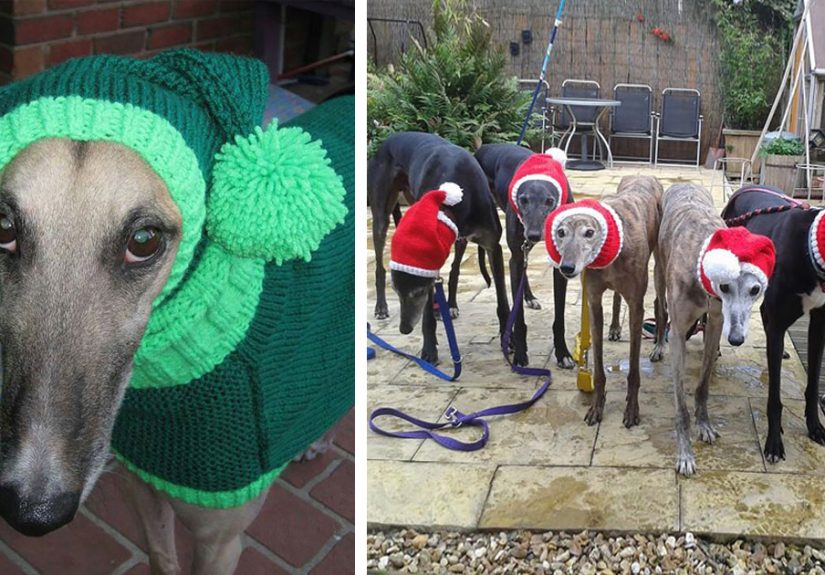
The now-viral narrative centers on Jan Brown, a dog lover who became known for knitting sweaters and blanket coats for greyhounds and whippets.
Over time, what started as craft became mission-driven rescue support.
Reports about her work describe years of consistent production, thousands of hours of labor, and hundreds of garments made for dogs that needed warmth and visibility while waiting for permanent homes.
This matters because rescue work often depends on small, repeatable actsnot just dramatic fundraising events.
A handmade coat can help keep a dog comfortable on cold walks, in foster transfers, or in drafty kennel environments.
It can also make a nervous dog look more approachable, which may increase adoption interest.
In other words: one sweater, multiple outcomes.
Why this story traveled so far
The story spread because it’s emotionally clear: one person saw a need and built a solution with the tools she had.
No giant app. No venture round. Just yarn, time, and follow-through.
It also offered a gentle but powerful rescue message: care can be practical and symbolic at the same time.
A warm coat protects a body; a handmade heart patch can remind volunteers and adopters that every dog’s history matters.
For content creators and nonprofit teams, there’s a lesson here:
audiences engage when compassion becomes concrete.
“Help dogs” is abstract.
“Here is exactly how we keep abandoned greyhounds warm this winter” is specificand specific stories convert better into donations, fosters, and adoptions.
Why Greyhounds Need Warm Layers More Than Many Dogs
Body design: built for speed, not insulation
Greyhounds are aerodynamic athletes.
That sleek profile is perfect for sprinting, but it leaves less margin for temperature swings.
Compared with thick-coated breeds, many greyhounds have less protective fur and less body fat buffering against cold.
This is why rescue communities often prioritize coats, fleece layers, and weather-aware walking plans.
Not every dog needs a sweater in every condition, but greyhounds, whippets, and other lean short-coated dogs are commonly listed among breeds that benefit from cold-weather clothing.
The goal is not fashion-first dressing.
The goal is thermal comfort, safer outdoor routines, and lower stress during transitions.
What “too cold” can look like in real life
Cold stress often starts subtly: shivering, curling up, reluctance to walk, slower movement, or seeking heat sources.
In severe exposure, risk escalates toward hypothermia and frostbite.
Wet weather can worsen things because moisture strips warmth faster than dry cold.
That means a waterproof outer layer may be more useful than a thick but absorbent knit in rain or slush.
Translation for busy adopters: if your hound looks miserable outside, believe the dog.
Pride is great in sports; less useful during a sleet storm.
Combine clothing, shorter outings, paw protection, and a dry post-walk routine.
Think systems, not single products.
Smart sweater design beats random cuteness
A safe sweater should allow full shoulder movement, avoid neck constriction, and stay clear of elimination zones.
Seams should sit comfortably, not rub under armpits or chest.
Fabrics should balance warmth and breathability, with faster-drying options for wet climates.
Reflective trim helps for dawn and evening walks.
If a garment causes freezing statue mode (you know the one), step back and re-fit.
From Racetrack Legacy to Rescue Reality in the U.S.
The American greyhound story has changed dramatically.
Commercial racing has declined sharply, and adoption networks now play a larger role in rehoming former racers and other displaced sighthounds.
Depending on legal framing and state status categories, advocacy sources vary slightly in counts, but the broad pattern is clear:
active track racing has narrowed to a tiny footprint in the U.S., centered in West Virginia.
At the same time, shelters and rescues continue handling high national intake volumes across species.
That creates competition for limited foster homes, volunteer hours, transport support, and medical budgets.
In this environment, low-cost, volunteer-led programslike knitwear drivescan be surprisingly strategic.
They don’t replace veterinary care or behavior programs; they support them by reducing friction in daily operations.
Rescue organizations focused on greyhounds have long built that bridge from “former racer” to “family companion.”
Their work includes medical triage, foster placement, adopter education, and breed-specific coaching.
Clothing support, while small on paper, can be one of the practical tools that helps those systems run more smoothly in colder seasons.
How One Sweater Helps Three Different Problems
1) Comfort and welfare
The first win is obvious: warmth.
Comfortable dogs move better, relax faster, and recover from transport or outdoor exposure more easily.
For nervous dogs, physical comfort can help lower baseline stress and make training sessions more productive.
2) Adoption visibility
A dog in a clean, well-fitted sweater often photographs better and draws more positive attention at meet-and-greet events.
That doesn’t mean “dress up and hope.”
It means presentation can support adoption storytelling.
A polished first impression can lead to the question every rescue wants to hear: “Can I meet this dog?”
3) Budget relief for rescues
Imagine a winter foster cohort of 40 medium-to-large dogs.
If each purchased coat averages $20–$35, outfitting them can become a meaningful line item.
Volunteer-made garments reduce that expense, freeing funds for vaccines, dentals, diagnostics, or transport.
In rescue math, savings in one category often become lifesaving capacity in another.
A Replicable Blueprint for Shelters, Rescue Groups, and Volunteers
Step 1: Build a “Warmth Coordinator” role
One person tracks inventory, size needs, and seasonal demand.
Without this role, donations become random and difficult to deploy.
With it, you get a reliable pipeline.
Step 2: Standardize size templates
Greyhound bodies are unique.
Publish a simple measurement sheet: neck, chest, back length, and belly clearance.
A standardized template reduces unusable donations and volunteer frustration.
Step 3: Publish approved materials
Recommend washable, durable yarns/fabrics and discourage anything that sheds excessively, traps moisture, or limits movement.
Offer two design tiers:
everyday utility coats and “adoption-day” photo sweaters.
Step 4: Add safety checks before use
Screen for loose threads, choking risks, tight elastic points, and chafing seams.
A 30-second check can prevent a 3-hour vet detour.
Step 5: Tie garments to dog profiles
Treat each item as part of the dog’s transition kit.
“Luna prefers fleece in mornings; no neck pullovers.”
Tiny notes improve consistency across volunteers and fosters.
Step 6: Turn outcomes into donor stories
Track simple metrics:
number of garments delivered, dogs outfitted, and seasonal adoption photos updated.
Share before/after stories with permission.
People donate more when they can see exactly what changed.
Adopting a Greyhound This Winter? Start With the First 90 Days
New adopters often focus on gear first.
Gear mattersbut routine matters more.
Many professionals use a “3-3-3” adjustment framework:
the first 3 days for decompression, first 3 weeks for routine building, and first 3 months for deeper bonding and behavior stability.
During this period, think calm structure:
consistent meal times, predictable potty breaks, low-pressure introductions, and quiet recovery windows.
If winter weather is rough, shorten walks but increase enrichment indoors:
sniff games, gentle training sessions, puzzle feeders, and decompression naps in warm zones.
(Greyhounds are excellent at napping.
If there were an Olympic event for dramatic blanket burrito techniques, they’d medal.)
Also, don’t wait for problems to become patterns.
Ask your rescue for fit checks on coats/harnesses and a behavior support plan.
Small early adjustments can prevent bigger setbacks later.
In rescue transitions, consistency is kindness.
Extended Experiences From the Field (500+ Words)
The following experiences reflect common real-world patterns shared by volunteers, adopters, and rescue coordinators working with greyhounds in colder climates.
They are presented as practical field snapshots to show how this topic plays out beyond headlines.
Experience 1: The “Shy at Intake, Social at Events” transformation
A foster coordinator in the Northeast described a recurring pattern with newly arrived hounds: the dogs tolerated quick potty breaks but resisted longer outdoor exposure.
The team introduced a simple wardrobe protocolone lightweight indoor layer for chilly mornings and one weather-ready outer layer for damp walks.
Within two weeks, several dogs showed better leash confidence and less hesitation at door thresholds.
Was the sweater magic? Not exactly.
The real shift came from combining warmth with routine: same walking route, same calm volunteer, same post-walk decompression setup.
The clothing removed one stress variable, making training more effective.
The adoption team then photographed dogs in clean, fitted coats, and inquiries increased.
Prospective adopters reported the dogs looked “cared for and ready,” which changed first impressions from “trauma case” to “future companion.”
Experience 2: The volunteer knitting circle that became logistics support
In a mid-sized rescue network, what started as a holiday knitting group evolved into a year-round operations channel.
Volunteers moved from random sweater donations to a coordinated system:
quarterly size requests, approved materials list, and handoff days matched to transport arrivals.
The group discovered that utility itemsneck warmers, fast-dry fleece wraps, and crate blanketswere used even more than decorative sweaters.
Their biggest lesson was not about aesthetics; it was about workflow.
When donations arrived pre-labeled by size and fabric type, foster placement got faster.
Intake teams spent less time searching bins and more time briefing adopters.
Over one winter, the rescue estimated it redirected meaningful funds from retail coat purchases toward medical basics like blood panels and follow-up care.
The knit group still made festive pieces, but the backbone of their impact was operational reliability.
Experience 3: The adopter who learned “dry matters more than thick”
A first-time greyhound adopter in the Pacific Northwest bought a heavy knit sweater, assuming thicker meant warmer.
After the first rainy week, the dog came home damp and shivery.
A rescue mentor suggested switching to a lighter insulating layer plus a waterproof shell for wet walks.
That one change improved comfort almost immediately.
The adopter also added paw cleaning at the door and a warm towel station near the entrance.
Result: fewer post-walk tremors, faster recovery, and calmer evenings.
The takeaway became household policy: weather strategy beats single-item shopping.
In climates with rain, “dry and flexible” usually wins over “bulky and absorbent.”
Experience 4: Building trust with a dog who had “outside anxiety”
Another foster home worked with a retired racer who froze at street corners whenever wind picked up.
Instead of forcing longer exposure, the family used micro-walks:
five to eight minutes, frequent returns, and immediate warmth afterward.
The dog wore a soft, non-restrictive layer and received calm verbal cues plus food rewards for each successful loop.
Over six weeks, the dog progressed from rigid posture and frequent stop-backs to relaxed walks and exploratory sniffing.
The foster’s reflection was simple: comfort created learning bandwidth.
When the body felt safer, the brain could process new environments.
By adoption day, the dog still disliked icy gusts (reasonable), but no longer associated the outdoors with distress.
Experience 5: The “sweater story” that drove donor retention
A rescue communications manager tested two winter campaigns.
Campaign A emphasized generalized need: “We need donations.”
Campaign B told specific stories: “This week, 27 greyhounds received fitted winter layers; here’s what changed in foster care.”
Campaign B performed better in click-throughs, repeat donations, and volunteer signups.
Supporters reported they understood exactly where their help went.
The most successful posts included practical details:
coat count, weather conditions, and one short behavior update per dog.
The manager concluded that small measurable acts build donor confidence.
People love emotional stories, but they stay when impact is visible.
In a resource-constrained rescue environment, that trust compounds over time.
Across these experiences, the pattern is consistent:
sweaters are not a vanity add-on.
They’re one piece of a larger care system that includes fit, weather planning, routine, behavior support, and clear communication.
When those pieces align, outcomes improvefor dogs, adopters, and the humans doing rescue work at full speed with not nearly enough coffee.
Conclusion
“Woman Quit Her Job To Knit Sweaters For Cold Abandoned Greyhounds” endures because it reveals a practical truth:
rescue progress is often built from humble, repeatable acts.
A sweater won’t solve every shelter challenge.
But in the right system, it can improve comfort, strengthen adoption presentation, and free up funds for lifesaving care.
That is the real power of this storynot just warm dogs, but smarter rescue workflows shaped by compassion and execution.
If you’re a shelter leader, foster, or adopter, the invitation is clear:
start where you are, standardize what works, and let small care actions scale into meaningful change.