Table of Contents >> Show >> Hide
- What the Update Actually Adds (and Why It Matters)
- Why Sony’s Approach Is Different From “Just Use Any Streaming App”
- How This Helps Real Creators: Practical Scenarios
- How to Get the Benefits: A Creator-Friendly Setup Checklist
- Limitations and Fine Print (Because Livestreaming Is Never Pure Magic)
- Big Picture: The Xperia Pro-I Is Doubling Down on “Creator Phone”
- Conclusion
- Creator Experiences: What It Feels Like Using the Update in Real Life (500+ Words)
If you’ve ever tried to livestream from a phone while also juggling lighting, framing, audio, and the tiny voice in your head yelling
“DON’T DROP THE STREAM KEY,” you already know the truth: going live is the easy part. Going live well is the hard part.
Sony’s Xperia Pro-I has always leaned into that “serious creator” vibemore camera-first than phone-first. But a software update aimed
specifically at livestreaming makes the Pro-I feel a little less like a complicated film school project and a little more like what it
wants to be: a streamlined, pro-leaning livestream rig that lives in your pocket.
This update focuses on one big idea: reduce friction for creators who want to go live fast, look good, and keep their workflow clean for
editing later. It adds livestreaming features inside Sony’s Videography Pro experience, expands camera options for streaming, and improves
how vertical video gets tracked in metadatabecause if you’ve ever edited a pile of “vertical-ish” clips, you deserve a medal (or at least
a calmer timeline).
What the Update Actually Adds (and Why It Matters)
Livestreaming isn’t just “hit the red button.” A creator’s pain usually shows up in the in-between steps: switching apps, losing exposure
settings, dealing with awkward orientation issues, or trying to map controls to accessories. Sony’s update targets those exact paper cuts.
1) Live stream from within the Videography Pro workflow
The headline feature is straightforward: the Xperia Pro-I can livestream more directly from Videography Pro, so the act of going live
becomes a first-class citizen in the same environment where you’re already managing video settings.
That’s a big deal if you’re the kind of person who likes to lock shutter speed, keep ISO predictable, and maintain a consistent look across
takes. Instead of treating livestreaming as “something you do in a totally different app,” this approach keeps your video mindset in one
placeless toggling, fewer surprises, and fewer moments where your stream suddenly looks like it’s being shot through a nostalgic potato.
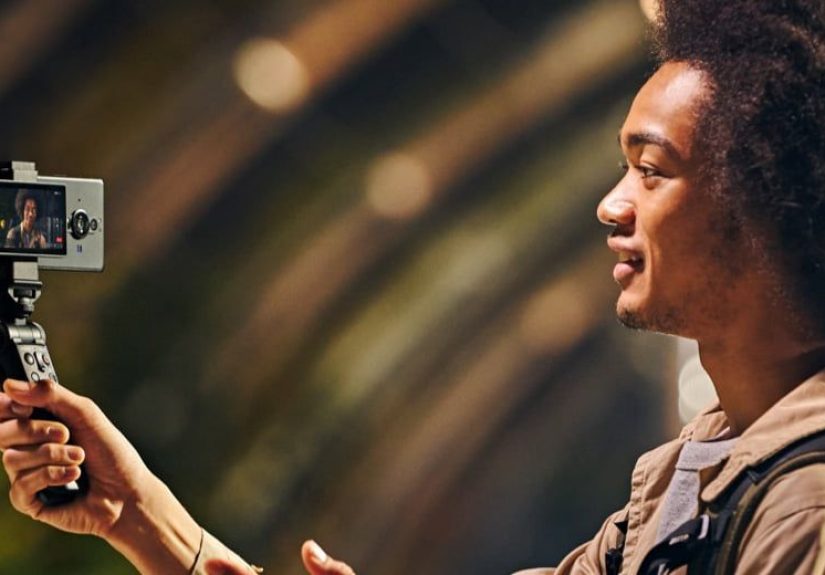
2) Front camera support for livestreaming
Sometimes the best camera is the one facing you. Whether you’re teaching, reacting, hosting, or doing a live Q&A, having the option
to stream with the front camera adds flexibility. It also makes the Xperia Pro-I more practical for solo creators who don’t always have a
second device to monitor framing.
In real creator terms: it’s the difference between “I can livestream my workshop” and “I can livestream my workshop without repeatedly
leaning out of frame like a confused meerkat.”
3) Vertical video + high frame rates + metadata that doesn’t betray you
Vertical video is no longer a trend; it’s the default language of a huge chunk of the internet. The update helps the Pro-I recognize when
you’re shooting vertically (including at up to 120fps) and ensures those details are written into the file metadata.
That may sound nerdy, but it’s the kind of nerdy that saves time. Good metadata means less hunting, fewer import headaches, and fewer “why is
everything sideways?” moments when you’re cutting clips for social platforms. If your workflow involves shooting, streaming, and then slicing
highlights into vertical-friendly edits, this is a quality-of-life upgrade you’ll feel immediately.
4) Better control with Sony’s GP-VPT2BT shooting grip
Sony didn’t stop at software menus. If you use the GP-VPT2BT shooting grip, the update makes it easier to assign functions to the grip’s
custom C1 button directly in the app. That’s the kind of “small” feature that becomes huge the first time you’re live and need to change
something quickly without jabbing at the screen like you’re trying to win a carnival game.
Why Sony’s Approach Is Different From “Just Use Any Streaming App”
Plenty of apps can push a live feed to the internet. Sony’s angle is more specific: keep creators in a camera-like environment and let the
phone behave like a production tool, not just a social app launcher.
The Xperia Pro-I’s broader “pro” identity is built on manual-style control, creator-centric apps, and the idea that you might care about
details like frame rate consistency, exposure tools, and repeatable looks across shoots. When livestreaming is integrated into that mindset,
you get a workflow that feels closer to “camera operation” and less like “hope the algorithm likes me today.”
A quick note about RTMP and platform flexibility
Many livestream workflows rely on RTMP (Real-Time Messaging Protocol), where you paste in a server URL and a stream key provided by your
platform. Sony’s documentation for its pro-oriented video streaming modes references RTMP-based streaming, which is often the most
platform-agnostic way to go live when you want more control.
Translation: even if your favorite platform isn’t explicitly baked into a one-tap list, RTMP-style setup is the “bring your own destination”
method that serious creators often useespecially when routing through encoders, overlays, or more advanced streaming setups.
How This Helps Real Creators: Practical Scenarios
Features are nice. Outcomes are better. Here’s what changes in the kinds of livestreams people actually run.
Scenario A: The “I’m live in 30 seconds” stream
If you’re doing quick updates, behind-the-scenes check-ins, or spontaneous live sessions, the biggest enemy is friction. Integrating
livestreaming into Videography Pro reduces the number of steps between “idea” and “on air,” while still letting you keep the look you want.
Scenario B: Vertical livestream + vertical highlights later
Vertical streams are common, but the real work often happens after: turning your live session into a handful of short clips. By improving
how vertical orientation and high frame rate settings are captured in metadata, the Pro-I makes that post-stream process less annoying.
Scenario C: Solo creator, no crew, no problem
Front-camera streaming matters most when you’re alone. It’s easier to keep eye contact, monitor your framing, and run a more engaging session
when you aren’t constantly checking whether your forehead has wandered out of frame.
Scenario D: Accessory-friendly control while you’re actually busy
Mapping the grip’s custom button inside the app is one of those “once you have it, you don’t want to lose it” features. It’s particularly
useful for creators who:
- stream while moving (events, travel, IRL-style sessions),
- need quick control without touching the screen,
- or want a repeatable setup for recurring shows.
How to Get the Benefits: A Creator-Friendly Setup Checklist
Sony’s livestreaming improvements are tied to software updates and the Videography Pro experience. The exact screens can vary by region and
version, but the creator workflow is typically consistent. Here’s a practical checklist that matches how creators actually prep.
Step 1: Update the phone (and the pro video apps)
- Install the latest system update available for your Xperia Pro-I.
- Update Videography Pro (and related Sony camera/pro video apps, if applicable).
- Restart after updates so everything loads cleanly (yes, it’s boring; yes, it works).
Step 2: Decide your stream style before you go live
Two minutes of planning can save you 20 minutes of “why does this look weird?” later. Choose:
- Orientation: vertical for social-first, horizontal for long-form or multi-cam vibes.
- Frame rate: pick what fits your look and platform reliability (higher isn’t always better for stability).
- Audio approach: built-in mics, wired mic, wireless receiver, or a dedicated audio path.
- Network plan: strong Wi-Fi or reliable cellular; livestreams love stability more than they love speed.
Step 3: Set up your streaming destination
Most platforms offer a stream key and server URL (common in RTMP setups). If your platform supports a more direct connection workflow, follow
its sign-in/authorization steps. Either way:
- Keep your stream key private (treat it like a password).
- Test with an unlisted/private stream first if your platform allows it.
- Confirm your title, category, and visibility settings before you hit “Go Live.”
Step 4: Use the grip customization (if you have it)
If you’re using Sony’s GP-VPT2BT grip, assign the C1 button to a function you’ll actually need mid-stream. Smart choices include toggles
you’d otherwise have to tap on-screen when you’re already busy talking, demonstrating, or moving around.
Step 5: Do a 20-second “sanity test”
Before you go public, record or preview briefly and check:
- your exposure (no blown highlights unless that’s your artistic statement),
- your audio (no “why does it sound like I’m underwater?” surprises),
- your framing (especially in vertical),
- and your connection stability.
Limitations and Fine Print (Because Livestreaming Is Never Pure Magic)
Sony notes that livestreaming features can be subject to terms, conditions, service changes, and possible requirements like registration or
fees depending on the destination platform. Also, livestreaming restrictions can apply.
In plain English: your platform might change the rules, your region might get a slightly different rollout, and your stream quality will
still depend heavily on your connection and settings. The update makes the Pro-I more capable and smoother to usebut it doesn’t turn a weak
café Wi-Fi signal into a broadcast studio.
Big Picture: The Xperia Pro-I Is Doubling Down on “Creator Phone”
Sony’s Xperia line has long tried to be the phone you buy because you care about cameras and video workflow, not because you want the most
fashionable home screen widgets. This livestreaming-focused update fits that identity perfectly:
- It removes steps between “set your look” and “go live.”
- It gives creators more camera flexibility (including the front camera).
- It improves vertical workflow by writing useful metadata automatically.
- It supports accessory-based control for creators who want tactile, repeatable setups.
If you already own an Xperia Pro-I and livestream even occasionally, this update is the kind of improvement that makes the phone feel
“newer” without changing the hardware. And if you’re the rare person shopping specifically for a creator-friendly Android phone, it’s another
proof point that Sony is building for workflowsnot just spec sheets.
Conclusion
The Xperia Pro-I’s livestreaming upgrade is less about flashy new tricks and more about practical creator wins: fewer steps, better control,
and cleaner files afterwardespecially for vertical-first content. Streaming directly through a pro-oriented workflow, adding front-camera
streaming support, improving vertical metadata handling, and making grip controls easier to customize all point to the same goal:
help creators go live faster and work smarter once the stream ends.
In other words: Sony didn’t reinvent livestreaming. It just took a broom to the messy parts. And honestly, sometimes that’s the most “pro”
upgrade of all.
Creator Experiences: What It Feels Like Using the Update in Real Life (500+ Words)
Let’s talk about the part spec sheets never capture: the experience of going live when you’re also trying to be a human being with a
face, a voice, and at least one coherent thought.
One of the biggest psychological hurdles in livestreaming is the “pre-live scramble.” You know the one: you’re adjusting your setup,
checking your framing, opening and closing apps, and whispering “please don’t crash” like you’re negotiating with a haunted router. When
livestreaming sits inside the same environment where you control your video look, that scramble gets smaller. You don’t feel like you’re
switching personalitiesfrom “camera operator” to “social app user”right before you go on-air. You stay in creator mode.
The front-camera option changes the vibe more than you’d expect, too. For creators who teach or host, it’s a confidence boost: you can
actually look at your audience (the lens) while still having a practical way to keep yourself framed. It’s also handy for quick streams where
setting up a rear-camera tripod shot would take longer than the stream itself. Nobody wants to spend 15 minutes building a rig for a
three-minute announcement. That’s not “production value.” That’s just cardio.
Vertical livestreaming is where the update’s metadata improvements quietly shine. In a real workflow, you often stream, then grab highlights,
then post them across platforms with slightly different requirements. The annoying part isn’t cutting clipsit’s hunting for the right ones,
rotating what shouldn’t need rotating, and fixing orientation mistakes you didn’t even realize you made while you were live. When vertical
shooting details are recognized and written into metadata, the footage behaves more predictably later. That’s not glamorous, but it’s the kind
of upgrade that saves you from yelling at your editing software at midnight.
The grip customization is another “you get it or you don’t” featureuntil you’re actually live. During a stream, your hands are busy: you’re
holding the phone, demonstrating something, walking, cooking, unboxing, interviewing, or trying to keep your cat from stepping on the keyboard
(don’t pretend this hasn’t happened). Touching the screen mid-stream can feel clumsy, and it can also look clumsy to viewerslike you’re
breaking eye contact to play whack-a-mole with settings. Having a programmable button that you can assign quickly makes the stream feel more
controlled and, frankly, more professional.
There’s also a subtle confidence effect when you know your workflow is “stream now, edit later” friendly. Creators often avoid going live
because they assume it’s a one-and-done format: you stream, it’s ephemeral, and if you want clips later you’ll have to do extra work. When the
phone’s software clearly acknowledges vertical formats, high frame rates, and creator-style controls, it nudges you toward a smarter rhythm:
livestream for engagement, then repurpose the best moments into short-form edits. That’s how many creators actually growby turning one live
session into a week’s worth of content.
And yes, there’s still the reality check: your network matters, your lighting matters, and your audio matters. But the update tackles what the
phone can controlyour steps, your options, and your post-stream organization. The overall experience becomes less “I hope this works” and
more “I know how I want this to look.” For creators, that’s the difference between dabbling in livestreaming and actually building it into
their routine.
Bottom line: the update doesn’t just add features; it reduces stress. And any update that lowers stress for livestreamers deserves at least a
polite slow clap.