Table of Contents >> Show >> Hide
- What Is the Yanagi Flatware – Set of 5?
- Why Sori Yanagi Still Matters
- What Makes This Flatware Different?
- How the 5-Piece Place Setting Works in Real Life
- Craft, Origin, and the Appeal of Japanese Metalwork
- Who Should Buy the Yanagi Flatware – Set of 5?
- Pros and Trade-Offs
- How to Style It on the Table
- Experience: What Living With Yanagi Flatware – Set of 5 Feels Like
- Final Verdict
If your current silverware drawer looks like it was assembled by raccoons during a yard sale, the Yanagi Flatware – Set of 5 may feel like a very elegant intervention. This is the kind of flatware that does not scream for attention, does not wear costume jewelry, and does not need to. It simply shows up, looks composed, feels thoughtful in the hand, and makes even a weeknight bowl of pasta seem slightly more pulled together.
Designed by Sori Yanagi, one of the most celebrated figures in modern Japanese industrial design, this five-piece place setting has built a quiet but lasting reputation among design lovers, minimalists, museum-store regulars, and people who enjoy objects that are useful first and impressive second. That order matters. Yanagi’s work has always leaned toward human use over design theatrics, and this flatware set is a perfect example of that philosophy.
So what exactly makes the Yanagi Flatware – Set of 5 special? It is not flashy. It is not overloaded with decorative flourishes. It is not trying to cosplay as antique silver from your great-aunt’s formal dining cabinet. Instead, it offers refined proportions, organic lines, durable 18/8 stainless steel, and a timeless modern look that works beautifully in everyday life. In other words, it is the grown-up answer to the question, “Can my flatware be practical and good-looking without being obnoxious?” Yes. Happily, yes.
What Is the Yanagi Flatware – Set of 5?
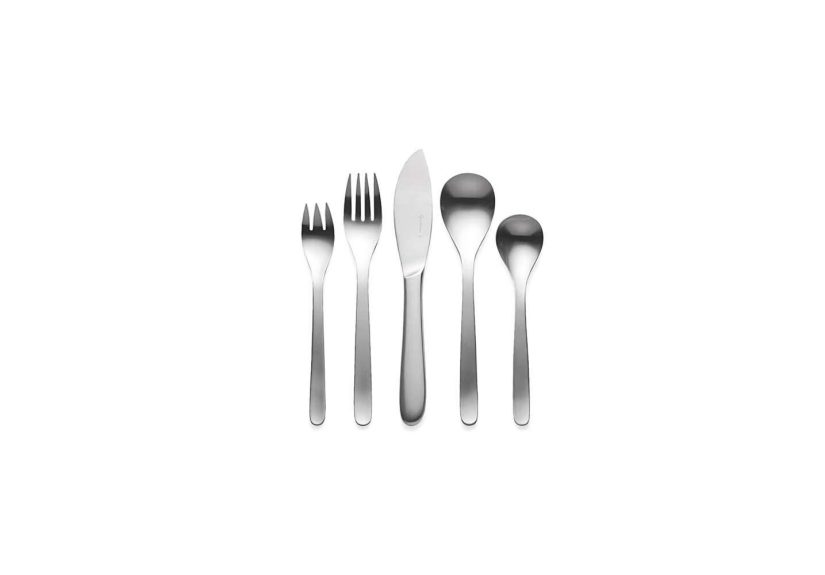
The Yanagi Flatware – Set of 5 is a five-piece place setting, not five identical utensils. That distinction deserves a moment, because the title can sound a little mysterious at first glance. In this set, you get a dinner fork, dinner knife, soup spoon, salad fork, and teaspoon. The pieces are made in Japan from 18/8 stainless steel, sized for real dining rather than oversized restaurant drama, and designed for dishwasher-safe everyday use.
That last point is important. Some beautiful flatware behaves like a diva: hand-wash only, dry immediately, never look directly at lemon juice. Yanagi flatware is much less precious. It is made to be used, cleaned, stacked, and reached for again. That ease is part of its appeal. The set feels design-forward without being high-maintenance, which is a rare and very welcome combination.
The broader Yanagi cutlery line includes many additional open-stock pieces beyond the standard place setting, including dessert forks, cake forks, butter knives, soup spoons, and serving utensils. That means this five-piece set can work as a foundation rather than a dead end. You can start with the place setting and build outward over time if your table gets larger, your hosting habit grows, or you simply develop strong opinions about having the correct spoon for grapefruit.
Why Sori Yanagi Still Matters
To understand why this flatware has such staying power, it helps to understand the designer behind it. Sori Yanagi is one of the key names in postwar Japanese design, and in American design circles he is often introduced through his famous Butterfly Stool. That iconic piece helped establish his reputation for combining sculptural beauty with practical clarity. But Yanagi’s genius was not limited to furniture. He brought the same sensibility to everyday objects, including kettles, cookware, serving pieces, and flatware.
His design language is often described as a bridge between modern industrial production and the warmth of traditional craft. That sounds lofty, but on the table it becomes very simple: his objects feel clean without feeling cold. They are modern without turning clinical. They have enough softness in the line to feel inviting. In a world where “minimal” too often means “personality deleted,” Yanagi’s work keeps its humanity.
The Yanagi Flatware – Set of 5 reflects that beautifully. The shapes are restrained, but not severe. The curves feel organic rather than machine-stiff. The set fits comfortably into midcentury interiors, Scandinavian-inspired dining spaces, modern apartments, and more traditional homes that need a little less fuss and a little more calm.
What Makes This Flatware Different?
Organic Curves Instead of Hard Geometry
One of the first things people notice about Yanagi flatware is the shape. The contours are subtle, but they do a lot of work. The bowls of the spoons feel smooth and balanced. The handles taper with purpose. The fork tines and knife profile look crisp without seeming aggressive. This is not geometric flatware trying to be “architectural” by making every meal feel like a drafting exercise. It is softer than that, more fluid, and much easier to live with.
That softness is part of why the design ages so well. Trendy flatware often relies on an obvious gimmick: matte black finishes, exaggerated stems, decorative hammering, or dramatic vintage references. Yanagi takes the opposite route. It trusts proportion and touch. That means it still looks relevant years later, after trend-driven sets have gone to live out their remaining days in a back cabinet beside novelty mugs and regret.
Minimalism That Feels Warm
There is a reason museum stores, design editors, and specialty home shops keep returning to Yanagi. The pieces have a minimalist spirit, but they do not feel sterile. On a table, they complement handmade ceramics, crisp white porcelain, rustic stoneware, linen napkins, and plain glassware equally well. They do not dominate the setting. They sharpen it.
This is especially useful if your home style changes over time. Maybe today you love pale oak and creamy stoneware. Next year you decide dark wood, moodier plates, and candlelit dinners are your thing. Yanagi flatware will not fight either version of you. It adapts. Good flatware should do that. You want it to support your table, not hold it hostage.
18/8 Stainless Steel for Daily Durability
The set is made from 18/8 stainless steel, a material widely associated with solid corrosion resistance, dependable durability, and a more refined shine than lower-grade 18/0 options. In practical terms, that means it is a smart middle ground for people who want flatware that looks polished and lasts well, but also survives actual life. Actual life includes soup, tomato sauce, coffee, dishwashers, and the occasional household member who loads utensils into the basket like they are pitching hay off a truck.
Compared with cheaper flatware, 18/8 generally offers better resistance to wear and a better overall feel. That does not mean this set is indestructible or that it will magically repel every scratch from every dishwasher cycle forever. It means the material choice supports longevity, and that matters when you are investing in pieces meant to stay in rotation for years.
How the 5-Piece Place Setting Works in Real Life
The composition of the set is smart because it covers the meals most people actually eat. The dinner fork and knife handle everyday mains with ease. The soup spoon is useful not only for soups, but also for grains, stews, noodles, and anything saucy enough to need a little extra scoop power. The salad fork gives the place setting flexibility for side salads, appetizers, fruit, and lighter lunches. The teaspoon covers coffee, tea, yogurt, desserts, and those tiny heroic moments when you decide to eat ice cream directly from the container but want to feel civilized about it.
What is especially appealing is that the set does not feel overbuilt. Some flatware is heavy in a way that seems designed to impress hotel banquet managers. Yanagi’s appeal is subtler. The pieces are comfortable, well-balanced, and visually calm. They feel intentional rather than performative.
Craft, Origin, and the Appeal of Japanese Metalwork
Part of the Yanagi story is its connection to Japanese craftsmanship and metalworking. Design sources associated with the line point to Niigata, including the Tsubame-Sanjo area, a region widely respected for cutlery and metal production. That heritage matters because it reinforces what the flatware communicates immediately in the hand: careful manufacturing, clean finishing, and an emphasis on function without waste.
The one-piece stainless-steel construction found across the line also strengthens the everyday practicality of the design. Fewer visual interruptions, fewer awkward transitions, easier cleanup, and a cleaner silhouette overall. It is one more example of how the set turns simplicity into an advantage rather than a compromise.
There is also something appealing about buying flatware that feels connected to a larger design tradition instead of a random anonymous product page. The Yanagi Flatware – Set of 5 comes with a design backstory, yes, but more importantly it comes with design logic. It looks the way it looks for a reason.
Who Should Buy the Yanagi Flatware – Set of 5?
This set makes a lot of sense for people who want everyday flatware with design credibility. It is excellent for minimalists, newlyweds building a registry with taste, apartment dwellers upgrading from mismatched basics, and anyone who wants their table to look more considered without becoming formal or fussy.
It is also a strong choice for people who appreciate open-stock flexibility. Because the broader Yanagi cutlery line includes many additional individual pieces, you are not trapped in an all-or-nothing system. You can buy the five-piece set now, add serving pieces later, and expand slowly rather than replacing everything at once.
On the other hand, if your ideal flatware is ornate, extra-heavy, or aggressively luxurious, Yanagi may feel too restrained. This is not the set for someone looking for decorative handles, vintage revival flourishes, or flatware that announces itself like a chandelier. Yanagi is more confident than loud.
Pros and Trade-Offs
Why People Love It
The biggest strengths of the Yanagi Flatware – Set of 5 are its timeless design, practical material, everyday usability, and broad styling versatility. It feels equally appropriate at breakfast, lunch, dinner, and a small dinner party. It is modern, but not cold. Distinctive, but not weird. Durable, but not brutish. That balance is hard to find.
What to Consider Before Buying
The trade-offs are mostly about taste rather than quality. Some buyers may want heavier flatware with more heft. Others may prefer a more decorative look. Because Yanagi’s beauty is subtle, its value becomes clearer over time rather than in one dramatic unboxing moment. It is less “wow, shiny treasure” and more “wait, why does every other spoon now feel awkward?”
How to Style It on the Table
Yanagi flatware works especially well with matte ceramics, white porcelain, handmade bowls, neutral linens, and wood accents. If your table leans modern, it reinforces the clean lines. If your table leans rustic, it adds polish without erasing warmth. If your table is currently whatever happened five minutes before guests arrived, it still helps. That is the magic of good basics.
For a simple everyday look, pair it with white dishes, clear tumblers, and a linen napkin in oatmeal or charcoal. For a more design-forward setting, use stoneware in soft gray or warm sand tones, add low glassware, and let the flatware provide the subtle gleam. It does not need a dramatic backdrop. It is the kind of design that improves the room by behaving well in it.
Experience: What Living With Yanagi Flatware – Set of 5 Feels Like
The ownership experience of Yanagi flatware is less about grand reveal and more about steady satisfaction. On day one, you notice the shape. The set looks composed, clean, and a little smarter than average. The teaspoon feels neat and balanced when you stir coffee. The salad fork is sized well enough for fruit, greens, or cake, which means it quickly becomes one of those utensils you reach for more often than expected. The knife has a profile that feels purposeful without looking bulky, and the soup spoon quietly proves that “simple” can still feel refined.
By the end of the first week, the design starts disappearing in the best way. That is a compliment. Really good flatware does not keep asking to be admired like a needy houseguest. It settles into your routine and improves it. Breakfast yogurt feels nicer. Weeknight noodles feel more intentional. A quick desk lunch somehow looks less like survival and more like a meal. It is still lunch, of course, not a cinematic lifestyle montage, but it is lunch with better tools.
Then come the small social moments. A friend drops by for pasta and says, “These are nice.” Not in a fake, polite way. In a genuinely curious way. Yanagi flatware tends to attract that kind of comment because people sense that something is different, even if they cannot immediately name why. The shapes feel more resolved. The proportions make sense. The set looks calm on the table. It does not distract from the food, but it does make the whole setting feel better edited.
There is also the dishwasher test, which is where many beautiful kitchen objects begin their downfall into “special occasion only” status. Yanagi clears that hurdle much better than fragile or overly precious alternatives. That matters in real homes. If you cook often, host casually, or simply do not want to hand-polish forks after Tuesday tacos, practicality becomes part of beauty. A useful object earns affection faster than a delicate one.
Over time, another experience emerges: consistency. The set keeps working with different meals, different plates, different moods, and different table settings. It does not feel seasonal or trendy. It feels steady. That steadiness is underrated in home goods, where too many purchases are based on novelty and too few are based on long-term pleasure. Yanagi flatware has the kind of quiet personality that ages well because it is rooted in proportion, touch, and usability rather than short-term visual tricks.
It is also the kind of set that can grow with you. A single place setting may start as a personal upgrade in a small apartment, then turn into a collected set for shared dinners, holidays, or slow-building registry additions. That growth feels natural because the flatware never seems overcommitted to one lifestyle. It works for solo meals, couples, families, and design-minded hosts alike.
Perhaps the best way to describe the experience is this: Yanagi flatware makes everyday dining feel a little more thoughtful without becoming ceremonial. It does not ask you to become a different person. It just makes the person you already are look slightly more organized, slightly more tasteful, and significantly less likely to eat dinner with a bent fork from 2014. That is not magic, exactly. But in a kitchen drawer, it is close enough.
Final Verdict
The Yanagi Flatware – Set of 5 earns its reputation by doing something harder than showing off: it stays useful, beautiful, and relevant over time. Sori Yanagi’s design approach gives the set a rare balance of softness, clarity, and practicality. The 18/8 stainless-steel construction supports everyday durability. The five-piece composition covers daily needs elegantly. And the overall look is timeless enough to outlast passing tabletop trends.
If you want flatware that is ornate, heavy, and attention-seeking, this is probably not your match. But if you want a modern flatware set that feels refined, comfortable, versatile, and grounded in real design history, Yanagi is an excellent choice. It is the kind of object that proves good design does not have to shout. Sometimes it just needs to show up for dinner and do its job beautifully.