Table of Contents >> Show >> Hide
- The Golden Rule: Fresh-to-Dried Herb Conversion
- But WaitNot All “Dried Herbs” Are the Same
- The Biggest Secret: Timing Matters More Than the Ratio
- Which Herbs Swap Welland Which Ones Get Weird?
- Fresh-to-Dried Herb Swap Table
- How to Make Dried Herbs Taste Less “Dried”
- Storage: The Difference Between “Helpful” and “Hay”
- Real Recipe Examples: Swapping Dried for Fresh Without Regret
- Common Questions (Because Cooking Loves Plot Twists)
- Real-Kitchen Experiences: What People Notice When Swapping Dried for Fresh (500+ Words)
Fresh herbs are the extroverts of the flavor world: bright, fragrant, and always ready for a close-up. Dried herbs are the reliable introverts: quietly powerful, always in your pantry, and never judging you for cooking in sweatpants. The good news? You can absolutely use dried herbs instead of fresh in most recipesif you swap them the right way.
This guide breaks down the best fresh-to-dried herb conversion, the timing tricks that keep dried herbs from tasting like “sad pantry dust,” and the specific herbs that do (and don’t) play nicely when dried. You’ll also get practical examples so you can improvise confidently when the recipe demands “a handful of fresh thyme” and your fridge offers… a single limp sprig and emotional damage.
The Golden Rule: Fresh-to-Dried Herb Conversion
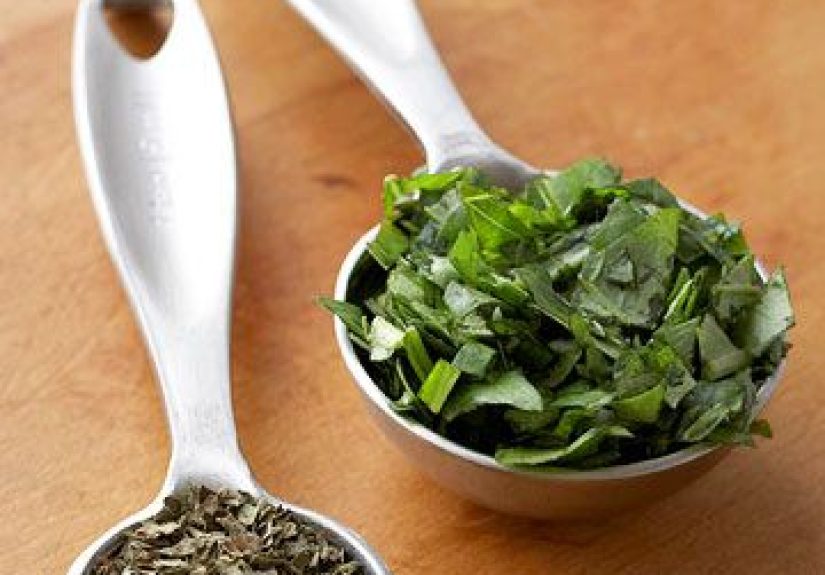
Here’s the simplest swap that works in most everyday cooking: Use one-third the amount of dried herbs as fresh. In real measurements, that means:
- 1 tablespoon fresh herbs = 1 teaspoon dried herbs
- 3 teaspoons fresh = 1 teaspoon dried
- 1/4 cup fresh (4 Tbsp) = 4 teaspoons dried (1 Tbsp + 1 tsp)
Why does this work? Fresh herbs contain a lot of water. Once herbs are dried, their flavor compounds become more concentrated by volume, so a smaller amount packs a bigger punch.
Quick math for any recipe
If a recipe calls for X tablespoons of fresh herbs, use about X ÷ 3 tablespoons of dried. If it calls for fresh in teaspoons, use about one-third as many teaspoons of dried. Then taste, adjust, and pretend you planned it all along.
But WaitNot All “Dried Herbs” Are the Same
A tiny detail that matters a lot: dried herbs come in different forms, and they don’t behave identically. Think of them like coffeewhole bean, coarse grind, espresso powder. Same idea, wildly different intensity.
Dried leaf vs. ground herbs
Many pantry herbs are “leafy flakes” (like dried oregano, basil, thyme). Some are ground into powder (like ground sage or rosemary powder). Powdered herbs can taste stronger and release fasterso you usually want less.
- If using ground (powdered) herbs: start with about half the amount of dried leaf you’d use.
- If using dried leaf herbs: the 1 Tbsp fresh = 1 tsp dried rule is a great baseline.
Freeze-dried herbs
Freeze-dried herbs (often in fancy little jars) can taste closer to fresh. They’re usually less “cooked” in flavor than standard dried herbs, and some guidance treats them closer to a 1:1 swap with fresh. When in doubt, start low and build.
The Biggest Secret: Timing Matters More Than the Ratio
The most common reason people swear dried herbs “don’t work” isn’t the measurementit’s the timing. Dried herbs need time (and usually heat + moisture or fat) to wake up and do their job.
When to add dried herbs
Add dried herbs earlier in the cooking process so they can rehydrate and infuse the dish. This is especially true for soups, stews, sauces, braises, and roasted dishes.
When to add fresh herbs
Fresh herbs shine when added at the end or used rawthink salads, salsas, herb sauces, garnishes, and bright finishing touches. Long cooking can dull their fresh aroma.
The “two-layer herb” trick
If you want the best of both worlds, use a little dried herb early for deep background flavor, then add a small handful of fresh herbs at the end (if you have them) for brightness. It’s like putting on a blazer over a T-shirt: still casual, but now you look like you tried.
Which Herbs Swap Welland Which Ones Get Weird?
Some herbs keep their personality when dried. Others… absolutely do not. Here’s a practical way to think about it.
Best herbs to substitute dried for fresh (especially in cooked dishes)
- Oregano (often great dried)
- Thyme
- Rosemary (potentuse a light hand)
- Sage (strong, cozy, and ideal for long cooking)
- Marjoram
- Bay leaf (different form, same job: slow infusion)
Herbs that are usually better fresh (or need special handling when dried)
- Basil (dried basil can taste flat; better in cooked sauces than raw dishes)
- Parsley (fresh is brighter; dried can be muted)
- Cilantro (fresh is the point; dried cilantro is rarely satisfying)
- Chives (fresh tastes oniony and crisp; dried can fade fast)
- Dill (dried works in some cooked recipes, but fresh is much more vibrant)
- Tarragon (can be delicate and aromatic; dried varies a lot by brand and age)
Bottom line: for hearty, slow-cooked dishes, dried herbs often work beautifully. For raw or “fresh-forward” recipespesto, chimichurri, salsa verde, salad dressingsfresh herbs usually matter more.
Fresh-to-Dried Herb Swap Table
Use this as a quick cheat sheet. These are starting points, not handcuffs. Your dried herbs’ strength depends on freshness, cut size, and how they were stored.
| If the recipe calls for… | Start with… | Best use notes |
|---|---|---|
| 1 Tbsp fresh parsley | 1 tsp dried parsley | Fine in soups/sauces; fresh is better for garnish |
| 1 Tbsp fresh basil | 1 tsp dried basil | Best in cooked tomato sauces; avoid for pesto |
| 1 Tbsp fresh oregano | 1 tsp dried oregano | Dried oregano is often excellent in pizza sauce, chili, marinades |
| 1 Tbsp fresh thyme leaves | 1 tsp dried thyme | Great in soups, roasts, beans, stews |
| 1 Tbsp fresh rosemary (chopped) | 1 tsp dried rosemary | Potentconsider starting with 3/4 tsp if your rosemary is finely ground |
| 1 Tbsp fresh sage (chopped) | 1 tsp dried sage (rubbed) OR 1/2 tsp ground sage | Sage varies by form; start low and adjust |
How to Make Dried Herbs Taste Less “Dried”
If your dried herbs taste dull, the fix usually isn’t “use more.” It’s “use smarter.” Try these simple upgrades:
1) Crush them before adding
Rub dried herbs between your fingers or crush them lightly in your palm. This releases aromatic oils and makes them smell more like the herb they used to be before time happened.
2) Give them a warm landing pad
Dried herbs bloom beautifully in warm fat or warm liquid. Add them when you’re sautéing onions, warming oil, or starting a simmer. They’ll infuse the base, not sit on top like green confetti.
3) Let them hydrate
In soups and sauces, dried herbs need time to rehydrate. If you add them at the end, you might taste “raw dried herb” notes. Add them earlier, then finish the dish with something bright (like lemon juice or vinegar) to keep flavors lively.
4) Use a “finish herb” workaround
If the recipe really depends on fresh herbs (say: cilantro over tacos), swap the dried herb with a different finishing element: citrus zest, a squeeze of lime, scallions, or a quick herb sauce made from whatever fresh herbs you do have.
Storage: The Difference Between “Helpful” and “Hay”
Dried herbs don’t usually spoil in the scary way, but they do lose flavor as their volatile oils fade. Translation: your five-year-old oregano probably won’t hurt you, but it also won’t help you.
How to store dried herbs for best flavor
- Keep them in airtight containers.
- Store in a cool, dry place away from heat and sunlight.
- Avoid keeping herbs right next to the stove (heat and steam speed up flavor loss).
- Buy smaller jars if you don’t cook with a herb oftenfreshness beats volume.
How long do dried herbs last?
Many reputable sources generally put dried herbs in the “best flavor” zone for roughly 1–2 years, sometimes longer depending on the herb, whether it’s whole or ground, and how it’s stored. If the herb smells weak, looks faded, or tastes like cardboard, it’s time to replace it.
Real Recipe Examples: Swapping Dried for Fresh Without Regret
Example 1: Tomato sauce that calls for fresh basil
Recipe asks for: 3 Tbsp fresh basil
Swap with: 1 Tbsp dried basil (since 3 Tbsp fresh ≈ 1 Tbsp dried)
Timing: add dried basil while the sauce simmers. If possible, finish with a tiny drizzle of olive oil and a pinch of black pepper to lift aromatics.
Example 2: Roast chicken that calls for fresh thyme + rosemary
Recipe asks for: 1 Tbsp fresh thyme + 1 Tbsp fresh rosemary
Swap with: 1 tsp dried thyme + 1 tsp dried rosemary (but consider 3/4 tsp rosemary if yours is very fine)
Timing: mix into butter or oil and rub on chicken before roasting so herbs bloom as the fat melts.
Example 3: Soup that calls for fresh parsley
Recipe asks for: 2 Tbsp fresh parsley
Swap with: 2 tsp dried parsley
Timing: add early so it hydrates. If you miss the fresh pop, finish with lemon juice or a little chopped celery leaves (if you have them).
Example 4: A salad dressing that calls for fresh dill
Recipe asks for: 1 Tbsp fresh dill
Swap with: 1 tsp dried dill (start there, then taste)
Timing: whisk dried dill into the dressing and let it sit 10 minutes to rehydrate before serving. It’s a small wait with big payoff.
Common Questions (Because Cooking Loves Plot Twists)
Can I substitute fresh for dried instead?
Yes. Reverse the formula: use about three times as much fresh as dried. If a recipe calls for 1 teaspoon dried oregano, you can use about 1 tablespoon fresh oreganokeeping in mind fresh oregano tastes softer and greener.
What if a recipe says “1 sprig” of thyme or rosemary?
“Sprig” is charmingly vague. As a starting point, treat one sprig as roughly a teaspoon or two of leaves (depending on size), then swap using the one-third rule. When unsure, start conservative. You can always add more. You cannot un-add rosemary.
Why do some dried herbs taste bitter?
Overusing very potent herbs (like rosemary or sage), adding them too late, or using old herbs can create harsh flavors. Start with less, add early, and refresh your pantry periodically.
Real-Kitchen Experiences: What People Notice When Swapping Dried for Fresh (500+ Words)
When home cooks start swapping dried herbs for fresh, the first “aha” moment is usually that the ratio is only half the story. The other half is how dried herbs behave in a real pot, pan, or baking dishespecially when you’re multitasking and the recipe is yelling “add herbs!” while you’re also trying not to burn the garlic.
One of the most common experiences is that dried herbs can taste surprisingly strong in the first bite and strangely invisible in the second. That’s not your taste buds being dramatic; it’s often a distribution issue. If dried herbs are sprinkled on top late in cooking, they can clump, float, or sit in one spot like tiny green life rafts. When they’re added earlierwhile you’re sautéing onions, warming oil, or building a simmer the flavor spreads evenly and feels more “part of the dish” instead of “a garnish that got lost.”
Another real-kitchen pattern: people often overcorrect when they don’t smell dried herbs much right away. Fresh herbs broadcast aroma the moment you chop them. Dried herbs are quieter at first. That silence makes cooks nervous, and nervous cooks shake the jar harder. Then, ten minutes later, the dish tastes like an herbal TED Talk. The practical fix is to crush dried herbs between your fingers before adding. The aroma comes back faster, and you’re less likely to overdo it.
Cooks also notice that some dried herbs feel “warmer” or more savory than their fresh counterparts. Dried oregano and dried thyme, for example, can read as deeper and more concentratedperfect for chili, marinara, taco meat, and roasted vegetables. In those dishes, dried herbs can actually taste more intentional than fresh, because the flavor is woven into the base rather than sitting on top. That’s why many kitchens treat dried herbs as the backbone for long-cooked comfort food, while fresh herbs are the confetti cannon at the end.
Then there’s the “why does my dried basil taste like nothing?” moment. This is incredibly common because certain tender herbs lose their sparkle when dried (and basil is notorious for being underwhelming in raw applications once dried). In real kitchens, the workaround is to use dried basil only where it makes sensetomato sauce, soup, pizza saucethen brighten the final dish with something else: a drizzle of olive oil, lemon zest, cracked pepper, or (if you have it) a small finishing sprinkle of fresh basil. The dish gets the basil “idea” from the dried herb and the basil “wow” from the finishing touch.
People also discover the pantry truth that dried herbs don’t fail all at oncethey fade slowly. A jar can look fine yet smell faint. That’s why experienced cooks do a quick “sniff test” before committing. If the herb smells like a memory of oregano instead of oregano itself, it’s probably not worth leaning on as the main flavor. In that case, you can either replace it or back it up with other aromatics (garlic, onion, citrus, pepper, Parmesan, toasted spices). The dish can still be delicious; you just don’t want your bland dried herbs to be in charge of the flavor committee.
Finally, there’s a simple, repeatable experience that makes herb swapping feel easy: once you learn the one-third rule, you stop being afraid of recipes. You start reading “2 tablespoons fresh thyme” as “okay, about 2 teaspoons dried,” and you gain the confidence to adapt. That’s the real win. Dried herbs aren’t a sad substitutethey’re a tool. Use them early, store them smart, start small, and adjust. Your pantry will feel less like a backup plan and more like a secret weapon.