Table of Contents >> Show >> Hide
- What Cheese Actually Is
- The Main Types of Cheese You Should Know
- How to Buy Cheese Without Guessing
- Cheese Nutrition: The Good, the Tricky, and the Realistic
- Cheese Safety: What Smart Cheese Lovers Know
- How to Store Cheese So It Stays Tasty
- How to Serve Cheese Like You Know What You’re Doing
- Best Cheese Choices for Cooking
- Cheese Experiences Every Food Lover Should Have
- Conclusion
Cheese is one of humanity’s greatest achievements. Right up there with indoor plumbing, stretchy pants, and saying “I’ll just have one bite” before accidentally eating half a wheel of brie. But cheese is also surprisingly complex. It can be fresh or aged, crumbly or gooey, mild or gloriously funky. Some cheeses melt like a dream. Others are better sliced, shaved, crumbled, or admired from a respectful distance before you decide whether you’re emotionally ready for blue cheese.
If you’ve ever stared at a cheese case and thought, I know cheddar, mozzarella, and panic, this guide is for you. Below, you’ll find a practical, in-depth look at what cheese is, how different styles work, how to buy it, how to store it, how to serve it, and how to enjoy it without turning your refrigerator into a dairy crime scene. Whether you’re building a cheese board, upgrading weeknight pasta, or simply trying to understand why one wedge smells like heaven and another smells like a gym bag with ambition, welcome. You’re in the right place.
What Cheese Actually Is
At its core, cheese is milk that has been transformed. Cheesemakers start with milk from cows, goats, sheep, or sometimes buffalo. Then they add cultures and rennet or another coagulant to separate the milk into curds and whey. The curds are drained, shaped, salted, and often aged. That aging process is where the magic happens. Time, moisture, microbes, and technique all work together to create texture, aroma, flavor, and rind development.
That simple process can lead to a huge range of results. A fresh cheese like ricotta is soft, mild, and barely aged, while an aged Parmesan becomes firm, nutty, savory, and grate-worthy enough to make you feel like a kitchen genius with minimal effort. Same basic concept, wildly different outcome. Cheese is proof that small decisions can lead to delicious drama.
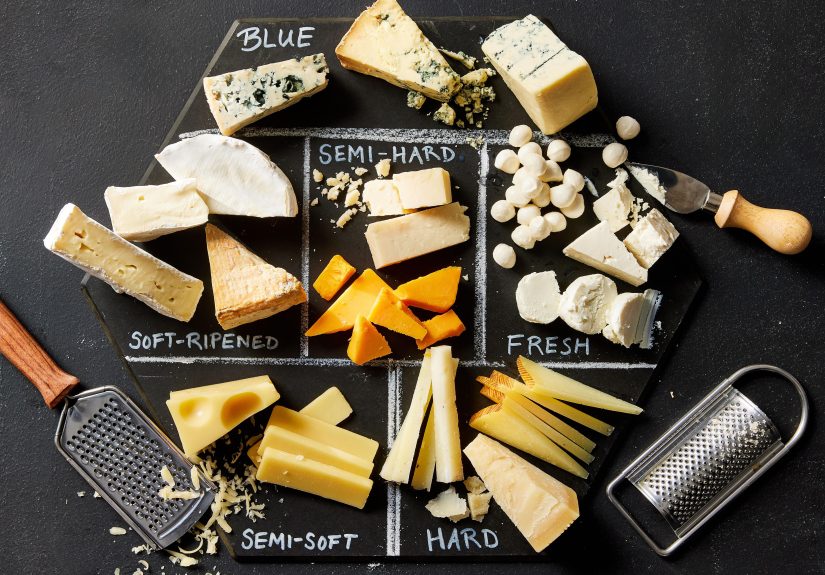
The Main Types of Cheese You Should Know
Fresh Cheese
Fresh cheeses are young, soft, and usually mild because they are not aged for long. Think ricotta, cottage cheese, cream cheese, mozzarella, queso fresco, chèvre, and mascarpone. These cheeses tend to have bright, milky flavors and higher moisture content.
Use them when you want creaminess and freshness rather than intensity. Ricotta is lovely in lasagna and toast. Cottage cheese works in breakfast bowls, pancakes, or snacks. Fresh mozzarella belongs in salads, sandwiches, and any situation involving tomatoes. Goat cheese is the overachiever of the group: tangy, spreadable, and good on salads, crackers, pasta, and roasted vegetables.
Bloomy-Rind Cheese
This is the dreamy, creamy category with a soft white rind. Brie and Camembert are the stars here. These cheeses ripen from the outside in, so the edges often soften first while the center stays a bit firmer when the cheese is young.
If you want a cheese that feels fancy with almost no effort, this is your move. Put a wedge of Brie on a board, let it come to room temperature, add fruit and bread, and suddenly people think you have your life together.
Washed-Rind Cheese
Washed-rind cheeses are famous for bold aromas and rich textures. They can smell assertive, but many taste more balanced than their scent suggests. If a cheese smells like it has stories to tell, it might be washed-rind.
These cheeses are a great reminder not to judge food too quickly. Sometimes the stinkiest item in the room is also the most charming.
Semi-Soft and Semi-Hard Cheese
This broad middle zone includes cheeses like Havarti, Fontina, Gouda, Monterey Jack, young cheddar, and provolone. These cheeses are often excellent all-purpose choices because they slice well, melt well, and please a crowd without being boring.
Need a sandwich cheese? A cheese board anchor? A mac and cheese base? This category is the reliable best friend of the dairy world.
Hard and Aged Cheese
Parmesan, Pecorino, aged cheddar, Gruyère, and Manchego fall into the firmer, more concentrated end of the spectrum. Aging reduces moisture and deepens flavor, giving you nutty, salty, caramelized, or savory notes.
These cheeses are ideal for shaving over salads, grating into pasta, snacking in cubes, or pairing with fruit and nuts. They also tend to keep longer than fresh cheeses, which is useful if your grocery plan is “buy ambitious ingredients and hope for the best.”
Blue Cheese
Blue cheese gets its signature veins from specific molds introduced during the cheesemaking process. Gorgonzola, Roquefort, Stilton, and many American blues bring salty, earthy, peppery, and sometimes creamy intensity.
Blue cheese can be polarizing, but it is wonderful when paired well. Try it with pears, walnuts, honey, steak, burgers, or a crisp salad. If you think you dislike blue cheese, there’s a decent chance you just met the wrong one too early in life.
How to Buy Cheese Without Guessing
The best cheese shopping starts with purpose. Are you building a board, cooking dinner, making sandwiches, or stocking your fridge with snack insurance? Buy based on how you’ll use it.
For a cheese board, choose contrast. Pick three to five cheeses with different textures and strengths: one soft, one firm, one crowd-pleaser, one wild card. A solid example would be fresh goat cheese, aged cheddar, Brie, and a blue cheese. That gives people options and makes the board feel intentional rather than random.
Check the condition of the cheese before you buy. It should smell appropriate for its style, not harshly sour or unpleasantly chemical. Natural-rind cheeses can look rustic, and blue cheese should of course have blue mold, but random discoloration, cracked interiors, or off aromas can be warning signs.
When possible, buy from a counter where the staff can cut to order and answer questions. Good cheesemongers are like librarians, but for edible happiness.
Cheese Nutrition: The Good, the Tricky, and the Realistic
Cheese brings real nutritional value to the table. It can provide protein, calcium, phosphorus, and other nutrients that support bones, muscles, and overall health. That’s one reason it remains a meaningful part of many diets.
But cheese is also not a free-for-all food. Many varieties are high in saturated fat, sodium, and calories, especially when portions grow from “a few slices” to “this is my emotional support cheddar.” So the smartest approach is balance. Enjoy cheese as part of a well-rounded eating pattern, not as a personality trait.
If you’re watching sodium or saturated fat, compare labels and think strategically. Stronger cheeses often deliver more flavor in smaller amounts. A little Parmesan or aged cheddar can go a long way. Part-skim mozzarella can be a practical option for melting. Cottage cheese can be protein-rich, though sodium levels vary by brand.
Lactose Intolerance vs. Milk Allergy
This distinction matters. Lactose intolerance is difficulty digesting lactose, the natural sugar in milk. A milk allergy is an immune response to milk proteins. They are not the same thing.
People with lactose intolerance often tolerate some cheeses better than milk. Aged hard cheeses usually contain less lactose than soft fresh cheeses, while products like cream cheese and cottage cheese may be harder for some people to handle. A milk allergy is different and can be serious, so those individuals need medical guidance and careful avoidance of milk proteins.
Cheese Safety: What Smart Cheese Lovers Know
Cheese is delicious, but it is still a perishable food. High-moisture cheeses especially need careful handling. Keep cheese refrigerated, ideally wrapped properly so it can breathe a little without drying out. Wax paper, parchment, or specialty cheese paper followed by a loose outer layer often works better than suffocating it in tight plastic.
Soft and fresh cheeses are more fragile than hard aged cheeses. They spoil faster and can carry greater food-safety risks if mishandled. If you are pregnant, older, immunocompromised, or shopping for someone who is, be extra careful with soft cheeses and look for pasteurized products. Fresh soft cheeses can still be risky if contaminated after pasteurization, so proper storage and reputable sourcing matter.
Also, do not let cheese lounge at room temperature forever like it pays rent. For most serving situations, bring cheese out long enough for flavor to bloom, then refrigerate leftovers promptly. In general, perishable foods should not sit out for more than two hours, or one hour in very hot weather.
How to Store Cheese So It Stays Tasty
In the Refrigerator
Store cheese in the refrigerator, but not in the coldest, driest corner if you can help it. A vegetable drawer or cheese drawer often works well because the environment is a bit more humid. Hard cheeses last longer than soft ones, while fresh cheeses should be eaten sooner rather than later.
If mold appears on a hard cheese, you can often cut away a generous area around the mold and keep the rest. But if mold appears on a soft or fresh cheese that is not supposed to be moldy, it is safer to toss it. That is not wasteful. That is just refusing to gamble with dairy.
In the Freezer
Freezing can preserve safety, but it often changes texture. Many cheeses become crumbly, watery, or less pleasant after thawing. If you do freeze cheese, it is usually best saved for cooking later rather than a pristine cheese board moment.
How to Serve Cheese Like You Know What You’re Doing
Cheese tastes better closer to room temperature because aromas and flavors open up. Take most cheeses out about 30 to 60 minutes before serving. Hard cheeses can stay structured, while soft cheeses turn creamier and more expressive.
For a simple cheese board, aim for contrast in texture and flavor. Add crunchy, sweet, salty, and acidic companions. Great partners include crusty bread, crackers, fresh fruit, dried fruit, nuts, olives, pickles, honey, jam, and cured meats. You want balance, not chaos.
Cut some cheeses ahead of time, especially hard ones, so guests are not wrestling a knife while trying to hold a tiny plate and maintain dignity. Provide a separate knife for each cheese if possible. Nothing ruins a delicate goat cheese faster than being cross-contaminated with a blue cheese knife that came in swinging.
Best Cheese Choices for Cooking
Not all cheeses melt the same way. Low-moisture mozzarella gives you that classic stretchy melt on pizza. Cheddar melts beautifully in sauces if you add it gradually and keep heat moderate. Gruyère and Fontina are excellent in gratins and grilled sandwiches. Parmesan is less about melting into strings and more about adding savory depth.
Fresh cheeses can bring creaminess without heaviness. Ricotta adds soft richness to baked pasta, pancakes, and toast. Goat cheese melts into sauces and eggs with a tangy edge. Feta softens more than it fully melts, which is exactly why it works so well in roasted vegetable dishes and grain bowls.
If your cheese sauce turns grainy, the usual problem is too much heat. Cheese likes a gentle environment. Treat it kindly and it rewards you. Blast it like a villain in an action movie and it separates in protest.
Cheese Experiences Every Food Lover Should Have
Reading about cheese is useful. Eating it with intention is better. One of the best cheese experiences is tasting the same style at different ages. Try a young cheddar, a medium cheddar, and an extra-aged cheddar side by side. Suddenly you can taste how time reshapes texture and flavor. The young one feels milky and approachable. The older one becomes sharper, nuttier, and more complex. It is basically the cheese version of character development.
Another great experience is building a cheese board around contrast rather than price. A lot of people assume a good board needs rare imports and a dramatic shopping bill. Not true. A really satisfying board can come from one creamy cheese, one crumbly cheese, one bold cheese, a crunchy cracker, fresh fruit, and something sweet like jam or honey. The fun is in how the pieces interact. A bite of Brie with apple tastes different from Brie with jam. A wedge of aged cheddar with a toasted nut feels completely different from cheddar with a tart pickle. Cheese teaches you that small pairings can change everything.
There is also the joy of discovering that “stinky” does not always mean “too strong.” Plenty of people avoid washed-rind or blue cheeses because the aroma arrives first and introduces itself a little too confidently. But tasting these cheeses with the right companions can completely change your mind. A funky washed-rind cheese with crusty bread can feel rich and savory rather than aggressive. A blue cheese with pear or honey can suddenly make perfect sense. Sometimes the best cheese experience is realizing you were wrong in the most delicious way possible.
Cooking with cheese is a separate adventure. There’s a special satisfaction in watching shredded cheese disappear into a silky sauce, or seeing a baked pasta dish come out bronzed and bubbling. Even simple food becomes more comforting with the right cheese choice. A grilled cheese sandwich made with a blend of cheddar and Gruyère tastes more thoughtful than one made with random fridge leftovers. A shower of Parmesan over soup or roasted vegetables can make dinner taste finished, even when the rest of the meal was assembled with weeknight panic.
Then there’s the grocery-store experience, which is less glamorous but no less important. Standing at a cheese case and actually knowing what you want is a tiny but satisfying life upgrade. You stop buying the same one safe block every time. You start asking questions. You notice labels, milk type, age, texture, and whether the cheese is meant for snacking, melting, or serving. Over time, you build a personal map of what you love. Maybe you learn that goat cheese is your salad hero, aged Gouda is your late-night treat, and fresh mozzarella is your shortcut to making lunch feel respectable.
And yes, one of the best experiences is sharing cheese with other people. Cheese is naturally social. A wedge gets cut, opinions start flying, somebody says “wow,” and another person says “absolutely not,” and suddenly the whole table is alive. Few foods create conversation as fast as cheese. It can be casual or fancy, nostalgic or adventurous, but it almost always gives people something to talk about while they eat.
That may be the real beauty of cheese. It is not just food. It is texture, memory, ritual, comfort, curiosity, and a little bit of edible drama. It can anchor a holiday spread, rescue a rushed lunch, elevate a salad, or turn a plain cracker into an event. Once you understand the basics, cheese becomes less intimidating and a lot more fun. And that is a guide worth keeping close to the cutting board.
Conclusion
Your ultimate cheese guide does not have to end with memorizing every variety in the dairy aisle. The real goal is simpler: understand the big cheese families, buy with purpose, store carefully, serve smartly, and enjoy cheese with both curiosity and common sense. Start with a few styles, taste widely, and pay attention to what you love. The more you try, the easier it becomes to choose the right cheese for a board, a recipe, a snack, or a dinner party. In other words, trust your taste buds, respect food safety, and never underestimate what a good wedge can do.
Note: This article is for general educational purposes and is written to be web-ready in standard American English, with practical guidance based on current U.S. food-safety, nutrition, and cheese-industry information.