Table of Contents >> Show >> Hide
Social media has become an integral part of youth culture, shaping how young people interact, form relationships, and even view themselves. While it offers numerous benefits, such as fostering connections and providing a platform for self-expression, the impact on mental health cannot be ignored. This article delves into the mental health effects of social media on youth, explores the benefits, and examines how parents and educators can navigate the complexities of the digital world.
The Mental Health Effects of Social Media on Youth
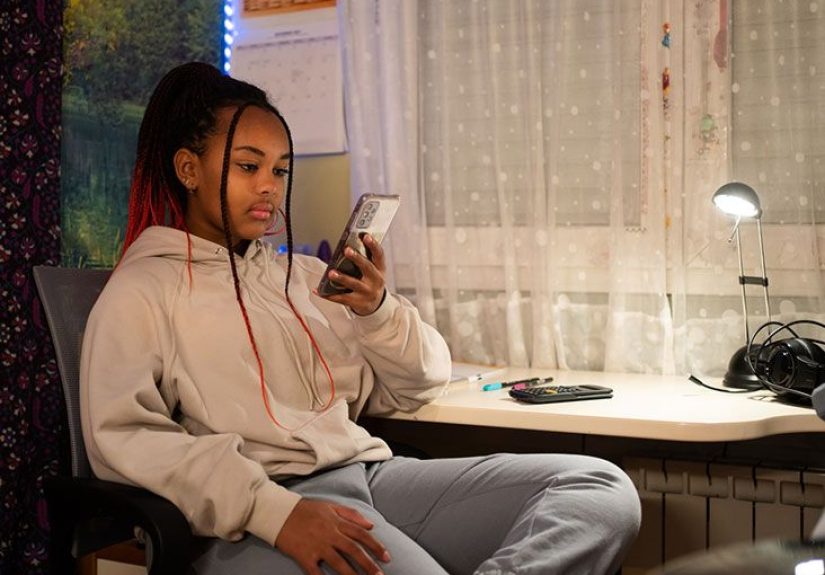
It’s no secret that social media usage has skyrocketed in recent years, with teenagers and young adults being the most active users. This trend has raised concerns about the potential negative effects on mental health, as research suggests a correlation between excessive social media use and mental health issues such as anxiety, depression, and body image issues.
Increased Anxiety and Depression
One of the most significant concerns about social media’s impact on youth mental health is its connection to anxiety and depression. Constant exposure to the “highlight reels” of others’ lives, curated to appear perfect, can make young people feel inadequate or unfulfilled. Studies have found that those who spend more time on social media report higher levels of anxiety and depression, often due to the pressure to live up to unrealistic standards set by influencers and peers alike.
Cyberbullying and Online Harassment
Another troubling aspect of social media is the rise of cyberbullying. The anonymity provided by platforms allows for cruel behavior that may not occur face-to-face. Bullying via social media is not only emotionally damaging but can also lead to serious consequences, such as self-harm and suicide. According to reports, over 40% of youth have been victims of cyberbullying, with many citing social media as the primary platform where the bullying occurred.
Impact on Sleep and Physical Health
The blue light emitted by smartphones and computers is known to interfere with sleep patterns, which can be particularly detrimental to young people who are still in crucial stages of physical and emotional development. Studies have shown that prolonged social media use before bedtime can disrupt sleep, leading to issues such as insomnia and fatigue, which, in turn, affect overall mental health.
The Benefits of Social Media for Youth
While there are undeniable risks associated with social media, it is not all bad news. Social media also provides numerous benefits to young people, many of which contribute positively to their mental and emotional well-being.
Fostering Connections and Support Networks
One of the greatest benefits of social media is the ability to connect with others, especially for youth who may feel isolated in their immediate environments. Platforms like Instagram, Twitter, and TikTok provide spaces where young people can engage with peers who share similar interests, experiences, and challenges. These connections can be particularly valuable for those who are marginalized, such as LGBTQ+ youth, or those with mental health struggles, offering them a sense of community and support that they may not find offline.
Educational and Creative Expression Opportunities
Social media also serves as a valuable educational tool. YouTube, for example, is a goldmine for learning opportunities, from tutorials to expert discussions on a range of subjects. Similarly, platforms like TikTok have empowered youth to express their creativity and explore passions in new ways, whether through art, music, dance, or activism. By encouraging creative outlets, social media can help youth develop a sense of identity and purpose, which are crucial for mental well-being.
Building Confidence and Advocacy
Social media also provides youth with the platform to voice their opinions and advocate for causes they care about. Whether it’s climate change, social justice, or mental health awareness, platforms like Twitter and Instagram allow young people to get involved in movements and engage in activism. This can foster a sense of empowerment and confidence, which can be beneficial for mental health.
How Can We Protect Youth from the Negative Effects of Social Media?
While social media offers various advantages, it’s essential to recognize the risks it presents to youth mental health. Parents, educators, and mental health professionals play a vital role in ensuring young people can navigate these platforms safely and responsibly.
Setting Boundaries and Encouraging Balance
One of the most effective ways to protect youth from the harmful effects of social media is by setting boundaries. Establishing limits on screen time and encouraging breaks can help prevent social media from taking over a young person’s life. Parents and caregivers should also foster open communication about the potential dangers of social media, including the impact it can have on mental health.
Promoting Digital Literacy and Critical Thinking
Educating youth about the realities of social media is crucial. Helping them develop critical thinking skills can enable them to discern between real-life and the curated, filtered version of life often portrayed online. Encouraging young people to question the content they consume and share can go a long way in reducing the harmful impacts of social media on their self-esteem and mental health.
Providing Access to Mental Health Resources
It’s essential to provide youth with the tools and resources they need to manage their mental health in the digital age. This includes access to mental health professionals, online support groups, and resources on how to manage social media use responsibly. Programs that focus on resilience-building and mindfulness can also be helpful in counteracting the negative effects of social media on mental health.
Real-Life Experiences: The Impact of Social Media on Youth
When discussing the effects of social media on youth, it’s essential to highlight personal experiences. These stories offer valuable insights into how social media can affect mental health, for better or worse.
The Struggles of Self-Esteem
For many young people, social media can become a battleground for self-esteem. One teen shared her experience of constantly comparing herself to the seemingly perfect lives of influencers on Instagram. “I felt like I wasn’t good enough,” she recalls, “every time I posted something, I waited anxiously for likes and comments. If it didn’t get the attention I expected, I felt worthless.” Such experiences are common, with many youth measuring their worth by their social media metrics.
Finding Community and Acceptance
However, social media also offers a platform for youth to connect with others who share similar struggles. One young man, who struggled with his sexuality, turned to Twitter and Instagram to find LGBTQ+ communities. “I was able to find people who understood me, and that made me feel less alone,” he says. These online communities can offer validation and support that some youth might not find in their immediate surroundings.
The Pressure to Perform
While social media can foster creativity, it also comes with its own set of pressures. A high school student who uses TikTok to showcase his music notes, expressed how it can be both exciting and stressful. “I love sharing my music, but it’s tough when the video doesn’t get as many views as I hoped. It’s like, ‘What am I doing wrong?’” This is a common sentiment among content creators who feel the pressure to perform and constantly push for more engagement, which can affect their mental health.
The Role of Parents in Guiding Healthy Social Media Use
Parents can help by encouraging a healthy relationship with social media. By fostering open discussions about social media’s potential impact on mental health and promoting real-life connections, parents can help their children balance the positives and negatives of the digital world. This guidance is crucial in helping youth develop a balanced perspective on their online presence and their real-world self-image.
Conclusion
Social media is an undeniable force in the lives of today’s youth, offering both opportunities and challenges. While it can foster connections, creativity, and advocacy, it can also contribute to anxiety, depression, and negative self-perception. By understanding the mental health effects of social media, we can empower youth to navigate these platforms responsibly. Through boundaries, education, and open communication, we can ensure that social media becomes a positive force for youth rather than a detrimental one.