Table of Contents >> Show >> Hide
- What Zevo Is (and Why It Feels So “Genius”)
- Important Truth: Traps Catch AdultsCleaning Stops the Next Generation
- What Bugs Does Zevo Catch Besides Fruit Flies?
- How to Use Zevo for Maximum Fruit Fly Destruction
- Zevo vs. DIY Vinegar Traps: What’s the Real Difference?
- The “Why Do I Still Have Flies?” Troubleshooting Guide
- Where Zevo Fits in a Smart Fly-Control Plan
- Safety and Common-Sense Use
- Real-World Experiences: What It’s Like Living with (and Beating) a Fruit Fly Problem
- Conclusion
Fruit flies have a special talent: they can appear out of nowhere, throw a tiny party on your bananas,
and then act offended when you politely ask them to leave. One minute your kitchen is spotless; the next,
it’s hosting what looks like an airborne pepper flake convention. If you’ve ever done the “cup of vinegar
+ dish soap” routine only to watch the flies hold meetings around it like it’s modern art, you’re not alone.
That’s why plug-in light traps like Zevo’s Flying Insect Trap have become a go-to option for people
who want something cleaner than sprays, less gross than swatting, and more “set it and forget it” than
babysitting a DIY trap. Zevo’s approach is simple: use blue/UV light to attract flying insects and
trap them on a sticky cartridgequietly, continuously, and without turning your kitchen into a chemistry lab.
What Zevo Is (and Why It Feels So “Genius”)
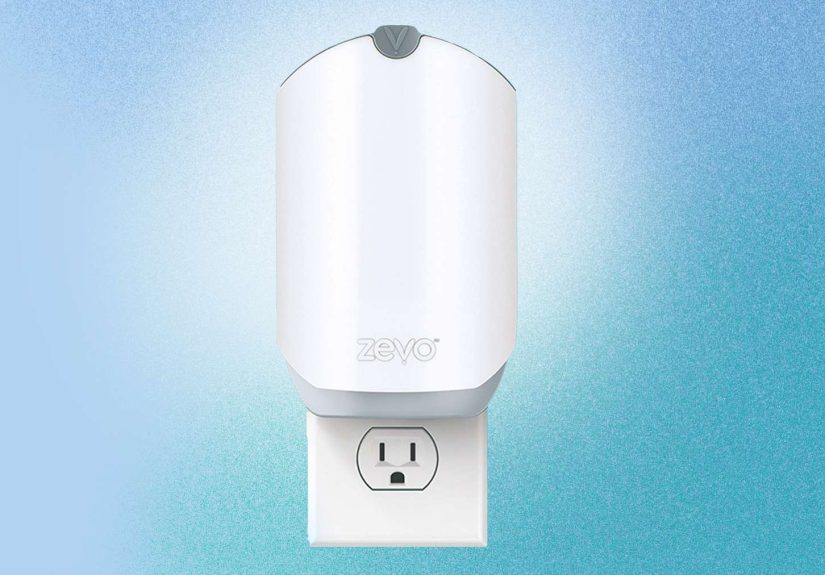
The Zevo Flying Insect Trap is a plug-in device with a removable cartridge. When it’s plugged into an outlet,
it gives off a blue/UV glow designed to attract common indoor flying peststhink fruit flies, gnats, and house flies.
Once insects get close, they land on an adhesive surface inside the cartridge and get stuck. The sticky side
faces toward the wall (not the room), which helps keep the “caught evidence” less in-your-face.
The “No Big Deal” Benefits People Actually Care About
- Continuous control: It works day and night as long as it’s plugged in.
- Low mess factor: No zapping sounds, no bug confetti, no puddles of questionable liquid.
- Easy cartridge swaps: When it’s full or losing stickiness, you pop in a fresh refill.
- Good for “background” infestations: It’s especially helpful when you’re catching stragglers while you fix the real cause.
Important Truth: Traps Catch AdultsCleaning Stops the Next Generation
Here’s the part most people skip (and then wonder why the flies keep coming back): catching adult fruit flies is
only half the battle. Small flies in kitchens are often a sign that somewhere there’s moist organic material
they can breed inlike a sticky drain, a forgotten onion, a recycling bin that “smells fine” if you don’t breathe,
or a mop head that’s basically a spa resort for larvae.
Integrated pest management guides are blunt about it: sanitation is the solution. Traps help, but if the breeding
source stays, you’ll keep seeing new adults. In other words, Zevo can help you win the air war, but you still need
to cut off the supply chain.
What Bugs Does Zevo Catch Besides Fruit Flies?
“Fruit flies” is often shorthand for “tiny flying things that make me regret buying produce.”
In reality, kitchens can attract several look-alikes:
- Fruit flies (vinegar flies): commonly hover around overripe fruit, recycling, and fermenting gunk.
- Drain flies: fuzzy little moth-like flies that breed in the organic film inside drains.
- Phorid flies: small flies that can point to hidden moisture/organic buildup.
- Fungus gnats: often tied to overwatered houseplants and damp soil.
- House flies: larger invaders that may come in from outdoors or garbage areas.
A light-and-sticky trap can help capture multiple types of flying insects, especially those attracted to light.
But the best results come when you also match your cleanup plan to the pest you’re actually dealing with.
How to Use Zevo for Maximum Fruit Fly Destruction
1) Put it where the bugs “commute”
Fruit flies don’t wander randomlythey travel between food sources and resting spots. Place the trap near common
activity zones: by the fruit bowl, near the trash/recycling, close to the sink area, or near a pantry where produce
lives. If you’ve got a mystery swarm, try one location for 24 hours, then move it closer to where you see the most activity.
2) Reduce competing lights at night
If the room is blazing with bright overhead lighting, the trap’s glow may not stand out. Many people get better
results by letting Zevo do its thing overnightwhen the kitchen is darker and the light lure is more noticeable.
3) Give it time (this isn’t a one-and-done magic wand)
Expect gradual progress. You’re catching adults as they fly aroundsome will get caught fast, others will take a couple days.
If you’re also cleaning breeding sources, you’ll usually notice a steady drop-off in sightings.
4) Swap cartridges before they look “crowded”
A cartridge that’s covered in insects (or dust/grease) becomes less effective. Replace it when the sticky surface
is filled up or when catches slow down despite ongoing fly activity.
5) Pair it with a “cut-the-breeding” checklist
This is where Zevo goes from helpful to devastatingly effective. While the trap works, do a quick kitchen reset:
- Take out trash/recycling daily until the problem is gone (especially cans/bottles with residue).
- Rinse recyclables (yes, even the “almost empty” kombucha bottlefruit flies love chaos).
- Store produce properly: refrigerate ripe fruit; wipe down sticky produce drawers.
- Wipe spills fast, including under appliances where sugary drips hide.
- Check the “forgotten food” zone: potatoes, onions, and fruit that rolled behind something in 2023.
Zevo vs. DIY Vinegar Traps: What’s the Real Difference?
DIY traps can workapple cider vinegar, wine, yeast baits, and dish soap are classic options. They’re cheap and
surprisingly effective in certain situations. But they also have limitations:
- They can smell (especially if you forget to change them).
- They’re easy to spill (and nothing says “I’m thriving” like vinegar on your counter at 7 a.m.).
- They’re not always great for mixed pests (vinegar may help fruit flies but not solve fungus gnat problems).
- They require maintenance and a willingness to keep mystery liquids around your food space.
Zevo’s advantage is convenience and cleanliness: it’s a dry trap with continuous operation. It’s also visually discreet
because the catch surface faces the wall. The trade-off is costcartridges are a recurring expense, and the device
needs an outlet in a strategic spot.
The “Why Do I Still Have Flies?” Troubleshooting Guide
If you’re catching some flies but still seeing lots of them…
- Find the breeding site: drains, trash, compost, recycling, mop buckets, or damp rags are common culprits.
- Deep-clean drains: drain flies breed in the gunky film inside pipes; scrubbing and proper cleaning matter more than surface shine.
- Look at houseplants: fungus gnats often come from consistently damp soillet it dry appropriately between watering.
- Check hidden food sources: a single rotten potato can keep an infestation going.
If you see tiny fuzzy “moth-like” flies near sinks…
That often points to drain flies, which need drain-focused cleaning to eliminate the breeding layer. A light trap can reduce adults,
but the real fix is removing the organic buildup they’re developing in.
If flies are mainly near windows…
They may be attracted to light, and you might be seeing invaders from outdoors. Check screens, seal gaps, and keep food waste tightly contained.
Light traps can help, but blocking entry is the long-term move.
Where Zevo Fits in a Smart Fly-Control Plan
If you want the most honest summary: Zevo is an excellent tool for capturing adult flying insects in a clean, low-hassle way,
especially when you place it correctly and keep it running consistently. It’s particularly satisfying during the “cleanup phase,” when you’ve fixed the source
but still have a few determined survivors buzzing around like tiny, winged villains.
The best results come from a one-two punch:
(1) use Zevo to reduce adult insects in the air, and (2) remove breeding sources through sanitation and moisture control.
Do both, and you’re not just trapping fliesyou’re shutting down their whole operation.
Safety and Common-Sense Use
A plug-in trap is generally a “low drama” option compared to sprays and foggers. Still, use common sense:
keep it in a stable outlet, avoid places where it can be splashed, and place it where curious kids or pets can’t easily mess with it.
If your fly problem is severe or persistent despite cleaning, it can be worth consulting a pest management professionalespecially if there’s a hidden moisture issue.
Real-World Experiences: What It’s Like Living with (and Beating) a Fruit Fly Problem
People don’t usually notice fruit flies gradually. It’s more like a jump-scare. One day you’re slicing a lemon,
the next day you’re waving your hand like you’re directing airport trafficexcept the planes are angry sesame seeds with wings.
And the weirdest part? You can’t always tell what caused it. That’s why the “experience” of dealing with fruit flies tends to follow a familiar arc:
confusion, mild denial, intense cleaning, and finallyvictory.
In many households, the first attempt is the classic DIY trap. A jar. Vinegar. Dish soap. A plastic wrap lid with holes like a tiny fly nightclub entrance.
It works sometimes, but it also creates a new daily ritual: checking the jar and thinking, “Is this progress… or have I invented kitchen kombucha?”
Meanwhile, fruit flies keep doing laps between the fruit bowl and the sink, completely unimpressed by your homemade engineering.
That’s where a plug-in trap like Zevo often feels like a turning point. Not because it’s flashybecause it’s not.
The device just sits there glowing calmly, like it’s meditating, while quietly collecting offenders. The experience is less “battle” and more “gentle,
inevitable consequences.” People commonly describe the first night as a reality check: you go to bed annoyed and wake up to proof that, yes, the flies were
really out there, doing their tiny crimes after dark.
Then comes the second part of the experience: learning that catching flies is satisfyingbut stopping them from coming back is the real win.
That’s when people start investigating like detectives. They clean the recycling bin and discover a sticky soda ring at the bottom.
They move the fruit to the fridge and suddenly the swarm near the counter shrinks. They scrub the sink drain and realize it’s not just “a drain,”
it’s an entire ecosystem. They check the pantry and find a potato that has achieved a level of softness usually reserved for dramatic movie props.
The most relatable moment might be the “false finish.” You clean everything once, see fewer flies, and declare yourself the champion
only for a new wave to appear two days later. That’s not failure; it’s biology. Fruit flies reproduce quickly, and if a breeding source remains,
you’ll keep seeing newcomers. The experience gets easier when people shift from “I must catch every single fly” to “I must remove whatever they’re breeding in.”
Zevo becomes the steady background helper: it reduces the adults you see while you eliminate the reason they exist.
Finally, there’s the “quiet kitchen” moment. No buzzing. No dramatic hand-waving. No tiny shadows near the fruit bowl.
That’s when people tend to appreciate the practical genius of a simple system: lure with light, trap with adhesive, repeat
while good cleaning habits prevent the next invasion. And once you’ve lived through a fruit fly episode, you gain a permanent superpower:
you will never again ignore a sticky recycling bin, an overripe banana, or a suspiciously damp drain.
Conclusion
Zevo’s Flying Insect Trap earns its reputation because it tackles the part of fly control that drives people nuts: the constant, random buzzing of adult insects.
It’s clean, quiet, and always onperfect for catching fruit flies, gnats, and other common flying pests. But the real “genius” move is using Zevo as part of a
bigger plan: catch the adults while you remove breeding sources like drain buildup, trash residue, overripe produce, and damp organic messes.
Do that, and you’ll go from “Why are there flies in my kitchen?” to “Remember when we used to have flies?”which is the kind of nostalgia nobody asked for.