Table of Contents >> Show >> Hide
- Why Ziggy Still Wins the Ranking Game
- How This Ranking Works (So You Can Argue With It Fairly)
- My Ziggy Stardust Track Ranking (From “Good” to “Come On, That’s Legendary”)
- What Other Rankings Get Right (Even When They Disagree With Me)
- The Spiders from Mars: The Secret Sauce (Not So Secret, Honestly)
- My Opinions (Aka: The “Hot Takes” Section Without the Internet Yelling)
- How to Listen If You Want the Full Ziggy Effect
- Legacy: Why Ziggy Still Feels Modern
- of Ziggy Experiences (Because This Album Is a Lifestyle Choice)
- Conclusion
Some albums get remembered. Ziggy Stardust gets reenactedby fans in eyeliner, by bands in basements,
by critics with spreadsheets, and by anyone who’s ever pointed at a mirror and tried on a new version of themselves
for exactly 38-ish minutes.
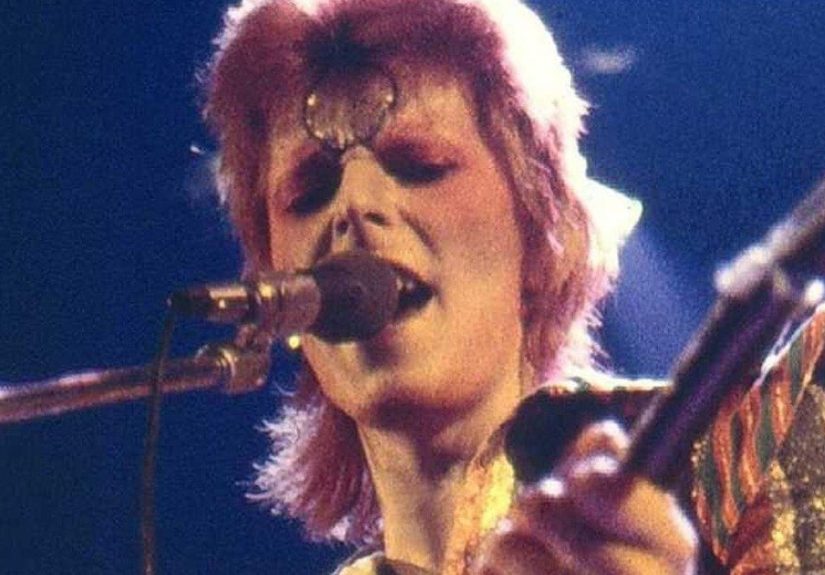
Officially, it’s David Bowie’s 1972 concept album about a fictional rock staran alien messenger with
Earth’s clock ticking down. Unofficially, it’s a glam-rock instruction manual for turning “being weird” into a
superpower, then warning you what happens if you start believing your own press releases.
This article is built for the internet’s favorite sport: ranking things. We’ll rank the tracks, talk
about why people disagree (politely, like adults, with only mild dramatic sighing), and unpack what the
Spiders from Mars actually bring to the table besides legendary hair.
Why Ziggy Still Wins the Ranking Game
If you’ve ever wondered why Ziggy Stardust keeps showing up on “best albums ever” lists, it’s not nostalgia.
It’s engineering. The album combines:
- A story engine (apocalypse, salvation, fame, collapse)
- A sound palette that’s theatrical without turning into a musical that forgot the songs
- A band that hits like a tight rock unit, not a space opera cast reading lines
- A persona that made performance art feel like pop music’s natural next step
That combination is why it’s been treated as culturally “sticky” enough for major canon-making moments: it’s been
celebrated by critics, revisited endlessly in retrospectives, and even preserved as historically significant in the
United States through national archival recognition.
How This Ranking Works (So You Can Argue With It Fairly)
Track rankings get messy because people rank different things. Some rank “best song.” Others rank “most important
to the plot.” Others rank “the one I scream in the car like I’m auditioning for the role of my own emotions.”
So here’s the rubric:
1) Narrative weight
Does it push the Ziggy story forward (or feel like it belongs in that universe)?
2) Musical impact
Is the arrangement doing something memorableriffs, dynamics, hooks, tempo, tension?
3) Performance
Vocals, attitude, character, and that “you can’t fake this” conviction.
4) Replay value
Do you come back to it on a random Tuesday when nobody asked you to be dramatic?
5) Spiders synergy
Does the band feel essential here, or could this be swapped onto another Bowie era without anyone noticing?
My Ziggy Stardust Track Ranking (From “Good” to “Come On, That’s Legendary”)
Quick note before the tomatoes: this album doesn’t have “bad” tracks. It has “less essential”
trackslike a great dinner where even the side salad is suspiciously delicious.
11) “It Ain’t Easy”
The album’s lone cover can feel like Ziggy briefly wandered into a different movie set and forgot his lines.
It still rocks, and the band plays it like it’s worth your time (because it is), but in a tracklist packed with
signature Bowie world-building, this one reads more like a strong bonus than a core chapter.
10) “Hang On to Yourself”
This is the adrenaline shot: fast, sharp, and built like a live-wire. The reason it lands lower is only because
the album has multiple tracks that also sprintwhile doing more story work at the same time. Think of it as the
album’s “run down the hallway” moment: thrilling, but you don’t get character development from cardio alone.
9) “Soul Love”
Smooth, warm, and quietly stylish. It’s a breather early onan exhale between the big opening and the bigger ideas.
Some listeners hear it as essential exposition; others feel it’s the part where the album briefly loosens its tie
before going back to being iconic. Either way, it’s a mood: romantic, reflective, and faintly cosmic.
8) “Star”
Here’s where the album starts talking about fame like it’s both dessert and danger. The song has a bright surface,
but it’s basically a warning label in glitter: “Sure, become a star… but are you ready for what that does to your
insides?” It’s not the loudest song on the record, but it’s one of the most revealing.
7) “Lady Stardust”
A softer spotlight momenttender, admiring, and emotionally precise. It’s also part of the album’s broader theme:
identity as performance, performance as truth, and the stage as a place where people can finally breathe. In a
world that polices “normal,” this track feels like a hand on the shoulder saying, “You’re allowed to exist.”
6) “Suffragette City”
This is the album’s chaotic grin. It barrels forward with a swagger that makes you understand why glam rock was
so explosive: it’s loud, playful, and slightly dangerouslike the best kind of party where someone’s definitely
going to knock over a lamp, apologize, and then keep dancing anyway.
5) “Starman”
The “gateway” track for a lot of peoplehopeful, melodic, and built to travel through time. It’s the moment the
album turns from “end times” to “maybe there’s a signal.” It also shows Bowie’s magic trick: he can make a message
feel intimate while it’s being broadcast to the whole planet. That’s not easy. (Unlike the other thing.)
4) “Rock ’n’ Roll Suicide”
The closer has to do a lot: finish the story, raise the emotional ceiling, and make you want to hit replay despite
the fact you’ve just been emotionally drop-kicked. This one does it with escalating intensity and a sense of
theatrical finality. It’s the tragic curtain callZiggy’s collapse as spectacle, and spectacle as the cost of fame.
3) “Moonage Daydream”
This is peak sci-fi swagger: the album’s alien charisma turned into sound. The guitars bite, the phrasing struts,
and the whole thing feels like a comic book that learned how to flirt. If Ziggy is a character, this is the scene
where he steps into frame and you immediately understand why people would follow him.
2) “Five Years”
One of the greatest openings in rock: it doesn’t just start an album, it starts a universe. The slow build, the
growing panic, the sense of ordinary life cracking under impossible newsthis is how you make a concept album feel
human. It’s not just “the world ends.” It’s “what do people do when the world ends… and they still have to go to
work tomorrow?”
1) “Ziggy Stardust”
The centerpiece because it’s the entire myth in miniature: charisma, hunger, ego, tragedy, and that uneasy sense
that the crowd helped create the monster it’s cheering for. It’s also one of those songs where everything clicks:
writing, band, hook, attitude, and a story you can feel even if you never read a single think-piece in your life.
What Other Rankings Get Right (Even When They Disagree With Me)
If you compare rankings across major music and culture outlets, you’ll see a few patterns:
-
Top tier is consistent. Most lists bunch “Ziggy Stardust,” “Five Years,” “Moonage Daydream,”
“Starman,” and “Rock ’n’ Roll Suicide” near the topbecause those tracks do the most “album-defining” work. -
Mid-tier is personal. “Lady Stardust,” “Suffragette City,” and “Star” move around depending on
whether you rank heart, hooks, or narrative clues. -
The bottom isn’t a diss. When “It Ain’t Easy” or “Hang On to Yourself” land low, it usually
reflects “least essential to the album’s legend,” not “turn it off.”
The healthiest way to read any Ziggy ranking is this: it’s a map of what the writer values. Some people value
plot. Some value riffs. Some value feelings. And some value the exact moment a song makes them want to buy boots
they cannot walk in.
The Spiders from Mars: The Secret Sauce (Not So Secret, Honestly)
“Backing band” is an insultingly small phrase for what the Spiders do here. The album works because the band feels
like a real rock group inside a high-concept story. That tensionraw band energy plus theatrical
framingis the whole spell.
Mick Ronson: arrangements with teeth
Ronson’s guitar work and musical instincts help the album punch through the costumes. Without that edge, Ziggy
could have drifted into “cool idea, slightly precious execution.” Instead, it’s immediate. Loud. Physical.
Trevor Bolder and Mick Woodmansey: propulsion you can feel
The rhythm section keeps the songs grounded. Even when the lyrics look at the stars, the drums and bass keep your
feet on the floorbecause a concept album still needs groove, not just concepts.
My Opinions (Aka: The “Hot Takes” Section Without the Internet Yelling)
1) Ziggy isn’t a strict plot albumand that’s why it lasts
The story is strong, but the album doesn’t chain itself to a literal scene-by-scene script. That flexibility lets
listeners step into it at different doors: as a rock album, as a character study, or as a commentary on fame.
2) The album’s real antagonist is ego, not the apocalypse
The end-of-the-world framing is the pressure cooker. The emotional tragedy is what happens when a “messiah” starts
confusing applause with truth. It’s a rock-star myth with a caution sign painted in glitter.
3) “The middle” is where the album becomes human
People focus on the big anthems (fair), but the quieter tracks are where Ziggy becomes more than a mascot. Songs
like “Soul Love,” “Star,” and “Lady Stardust” give the world texturedesire, admiration, yearning, and doubt.
Without them, the album would be a highlight reel. With them, it’s a story you can live inside.
How to Listen If You Want the Full Ziggy Effect
- First listen: no skipping. Let the pacing do its job.
- Second listen: focus on the bandguitars, drums, the way dynamics rise and fall.
- Third listen: focus on the character in the vocal performances. Hear “Ziggy” as theater.
- Fourth listen: read the tracklist like chapters. Ask what each song contributes.
And if you’re ranking with friends, set ground rules: you’re allowed to disagree, but you must do so with evidence,
enthusiasm, and at least one joke. This is glam rock. If you can’t be a little dramatic, what are we doing here?
Legacy: Why Ziggy Still Feels Modern
Ziggy’s real achievement isn’t “it sounds cool.” It’s that it made identityconstructed, performed,
remixedfeel like a legitimate artistic medium in popular music. The album’s influence shows up everywhere: in how
artists use alter egos, how concerts become theater, how style becomes part of storytelling, and how pop culture
talks about fame as both dream and hazard.
That’s why it keeps ranking well, even for people who weren’t alive when it first landed. The questions it asks
don’t expire: Who are you when the spotlight hits? Who are you when it leaves? And what does your audience do to
youwhether they mean to or not?
of Ziggy Experiences (Because This Album Is a Lifestyle Choice)
Listening to Ziggy Stardust is rarely just listening. For a lot of people, it becomes a small rituallike
rewatching a favorite movie, except the soundtrack is also the script and the costume department moved into your
closet.
One common “first Ziggy” experience is the unexpected emotional whiplash. You hit play expecting
classic rock swagger, and suddenly the opening track makes the end of the world feel uncomfortably personal. That
moment tends to split listeners into two camps: the ones who immediately sit up straighter, and the ones who say,
out loud, “Oh… this is one of those albums,” like they’ve just realized they’re about to have feelings on a
weekday.
Another classic experience is the ranking spiral. People start with a simple opinion“My favorite is
‘Starman’”and within minutes they’re building a full tier list. S-tier. A-tier. “This one is flawless but I don’t
play it at parties.” Before you know it, you’re debating whether “best song” equals “most important song,” and you
have invented a new category called “Most Likely to Make Me Stare at the Ceiling for No Reason.”
Then there’s the Spiders appreciation phase, where listeners stop treating the album like a solo
statement and start hearing it as a band machine. People notice how the guitar arrangements don’t just decorate the
songsthey shape them. They notice how the rhythm section can be tight and aggressive without flattening the
drama. It becomes less like “Bowie plus backing musicians” and more like “a rock band inside a myth.”
Fans also tend to have a “Ziggy in public” moment: hearing a track in a movie, in a store, at a party, or through a
friend’s speakersand realizing the album has a social life. Suddenly you’re talking to a stranger about which track
is the emotional knockout, and you’re both acting like you discovered it personally. (That’s not delusion; that’s
community.)
And finally: the style echo. Even if someone never wears glitter or paints a lightning bolt on their
face, Ziggy often nudges people toward experimentationtrying a new haircut, dressing bolder, being less apologetic
about standing out, or simply giving themselves permission to be many versions of themselves over time. The album’s
message isn’t “be Ziggy.” It’s “you’re allowed to transform.” That idea lands hardespecially for anyone who’s ever
felt trapped in a role they didn’t choose.
So yes, ranking Ziggy is fun. But the real reason people keep returning is deeper: the album doesn’t just give you
songs. It gives you a mirror, a mask, and a warning labelplus enough hooks to make you dance while you think about
all of it.
Conclusion
If you came here for a definitive ranking, you got one. If you came here for opinions, you got a whole buffet.
But the most honest take is this: Ziggy Stardust and the Spiders from Mars survives rankings because it
isn’t just “great.” It’s alivea story people keep stepping into, a sound people keep rediscovering,
and a performance people keep learning from. Rank it, debate it, replay it, andjust oncelet it play straight
through like the myth intended.