Table of Contents >> Show >> Hide
- What Are “White Foods,” Really?
- 1. White Bread
- 2. White Rice
- 3. White Pasta
- 4. White Sugar
- 5. White Flour Pastries and Desserts
- 6. White Potatoes Without the Skin
- 7. White Salt and High-Sodium White Snacks
- White Foods That Can Be Healthy
- How to Make Better Swaps Without Feeling Deprived
- Real-Life Experiences: What Happens When You Swap White Foods for Better Options?
- Conclusion: Do Not Fear White Foods Upgrade Them
White foods have a reputation problem. Some of them deserve it. Others are just standing in the wrong lineup wearing the same color shirt. When people talk about “avoiding white foods,” they usually mean highly refined, heavily processed foods such as white bread, white rice, white pasta, white sugar, and salty processed snacks. These foods are often stripped of fiber, low in nutrients, and easy to overeat because they disappear from your plate faster than your weekend plans.
But let’s be clear: not every white food is a nutritional villain. Cauliflower, garlic, onions, mushrooms, plain Greek yogurt, white beans, potatoes with the skin, and even milk can all fit into a balanced diet. The real issue is not the color white. The issue is refinement, added sugar, excess sodium, low fiber, and portion size.
This guide breaks down seven common “white foods,” explains why they can be tricky for your health, and shows what to eat instead. No food police. No dramatic pantry funeral. Just smart swaps that help you feel fuller, support steady energy, and make your meals more nutrient-dense without turning dinner into a punishment.
What Are “White Foods,” Really?
In nutrition conversations, “white foods” usually refers to refined carbohydrates and processed foods that have lost much of their original fiber and nutrients. During refining, grains may have the bran and germ removed, leaving mostly the starchy center. That can make the food softer, lighter, and longer-lasting on the shelf, but it also makes it less satisfying and less nutritious.
Many white foods also come with extra sugar, salt, saturated fat, or low-quality oils. Think about a plate of white pasta with a heavy cream sauce, a basket of white rolls, a frosted pastry, or a bowl of sugary cereal. The problem is not that these foods are pale. The problem is that they often deliver quick calories without much fiber, protein, or micronutrient value.
1. White Bread
Why it is worth limiting
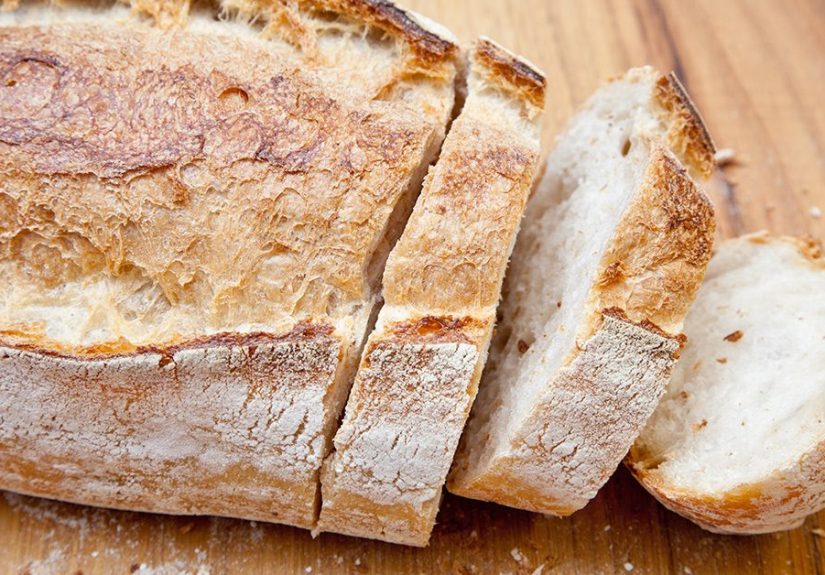
White bread is made from refined flour, which means much of the grain’s natural fiber has been removed. That soft, fluffy texture is pleasant, but it does not keep you full for long. A sandwich on white bread may taste comforting, yet it can leave you hungry again surprisingly soon, like your stomach has a very short memory.
White bread can also be low in protein and fiber compared with whole-grain bread. Some brands add sugar or sodium, so the Nutrition Facts label matters. If the first ingredient is “enriched wheat flour,” that usually means refined flour, not whole grain.
What to eat instead
Choose 100% whole-grain bread, sprouted-grain bread, whole-wheat pita, rye bread, or corn tortillas made with whole corn. Look for bread with at least 2 to 3 grams of fiber per slice and a short ingredient list. The first ingredient should ideally include the word “whole,” such as “whole wheat” or “whole grain rye.”
Easy swap: Instead of white toast with butter, try whole-grain toast with avocado, tomato, and a boiled egg. It has more fiber, more protein, and a better chance of keeping you away from the snack drawer before lunch.
2. White Rice
Why it is worth limiting
White rice is a staple in many cultures, and it can absolutely be part of a normal diet. The concern is that white rice is more refined than brown rice and other whole grains. It has less fiber and fewer naturally occurring nutrients because the bran and germ have been removed.
A large serving of white rice can raise blood sugar faster than fiber-rich grains, especially when eaten alone. That does not mean rice is “bad.” It means the portion, pairing, and frequency matter. A giant mountain of plain white rice with very little protein or vegetables is not doing your energy levels many favors.
What to eat instead
Try brown rice, black rice, red rice, quinoa, barley, farro, bulgur, oats, or cauliflower rice. If you love white rice, you do not have to break up with it dramatically. Mix half white rice and half brown rice, or serve a smaller portion with beans, vegetables, fish, tofu, eggs, or lean meat.
Easy swap: Build a bowl with half brown rice, half roasted vegetables, grilled chicken or tofu, and a sauce made with yogurt, herbs, lemon, and garlic. You still get comfort, but with more fiber and nutrients.
3. White Pasta
Why it is worth limiting
White pasta is another refined grain food. It is not automatically unhealthy, especially when served in a balanced meal, but big portions can crowd out vegetables and protein. A plate that is 90% pasta and 10% decorative parsley is basically a carbohydrate parade with a tiny green flag.
Traditional white pasta may also be lower in fiber than whole-grain or legume-based pasta. Fiber slows digestion, supports gut health, and helps meals feel more satisfying. Without enough fiber or protein, a pasta meal can leave you full at first, then oddly snacky an hour later.
What to eat instead
Choose whole-wheat pasta, chickpea pasta, lentil pasta, edamame pasta, or a smaller serving of regular pasta mixed with vegetables. You can also use spaghetti squash or zucchini noodles, though they are best as a vegetable addition rather than a perfect pasta replacement.
Easy swap: Instead of a huge bowl of white pasta with Alfredo sauce, try whole-wheat pasta with tomato sauce, spinach, mushrooms, olive oil, and grilled shrimp or white beans. The meal becomes colorful, filling, and less likely to cause a food coma.
4. White Sugar
Why it is worth limiting
White sugar is pure added sugar. It provides sweetness and calories but no fiber, protein, vitamins, or minerals in meaningful amounts. Added sugar can sneak into coffee drinks, breakfast cereals, granola bars, flavored yogurts, sauces, packaged snacks, and desserts.
The problem with added sugar is not one cookie at a birthday party. The problem is daily overload. Too much added sugar can make it harder to meet nutrient needs while staying within a reasonable calorie range. It can also train your taste buds to expect everything to taste like dessert wearing a fake mustache.
What to eat instead
Use fruit for sweetness when possible. Try berries, bananas, apples, dates, cinnamon, vanilla, or unsweetened applesauce. For drinks, choose water, sparkling water, unsweetened tea, or coffee with less sugar. When buying packaged foods, check the “Added Sugars” line on the Nutrition Facts label.
Easy swap: Instead of sweetened yogurt with candy-like toppings, choose plain Greek yogurt with berries, cinnamon, and a small handful of nuts. It tastes like breakfast, not a cupcake in disguise.
5. White Flour Pastries and Desserts
Why they are worth limiting
Pastries, cakes, doughnuts, cookies, muffins, and many packaged desserts often combine refined white flour, added sugar, sodium, and saturated fat. That combination is delicious because food scientists and grandmothers both understand human weakness. But it is also easy to overeat and not especially filling.
Many bakery-style muffins are basically cupcakes that went to business school. They may look like breakfast, but they can contain plenty of added sugar and refined flour. Desserts are fine occasionally, but when they become daily snacks, they can push more nourishing foods out of the diet.
What to eat instead
Choose fruit with nut butter, oatmeal with cinnamon, chia pudding, homemade whole-grain muffins, energy bites made with oats and nuts, or a small piece of dark chocolate with berries. If you want dessert, have dessert mindfully. The goal is not to replace joy with celery. The goal is to make everyday choices more balanced.
Easy swap: Instead of a frosted pastry for breakfast, try overnight oats with berries, chia seeds, and a spoonful of peanut butter. You get sweetness, texture, and staying power.
6. White Potatoes Without the Skin
Why preparation matters
Potatoes are often unfairly grouped with less nutritious white foods. A plain potato is not the enemy. It contains potassium, vitamin C, carbohydrates for energy, and fiber when the skin is left on. The issue is usually how potatoes are prepared.
French fries, loaded mashed potatoes, potato chips, and creamy potato casseroles can bring extra sodium, saturated fat, and calories. A potato with skin is a food. A giant basket of fries with salty dipping sauce is a snack trap wearing a potato costume.
What to eat instead
Try baked potatoes with the skin, roasted sweet potatoes, mashed cauliflower mixed with potatoes, or roasted root vegetables such as carrots, parsnips, and turnips. Top potatoes with Greek yogurt, herbs, salsa, beans, broccoli, or a small amount of cheese instead of heavy butter and sour cream.
Easy swap: Instead of fries, roast potato wedges with the skin on, olive oil, black pepper, paprika, and garlic. Serve them with grilled fish or beans and a big salad.
7. White Salt and High-Sodium White Snacks
Why sodium deserves attention
Salt is essential in small amounts, and it makes food taste better. Nobody wants soup that tastes like warm rain. But many people get too much sodium from packaged foods, restaurant meals, processed meats, chips, crackers, instant noodles, and frozen meals.
White salty foods such as crackers, pretzels, chips, and some processed breads can add sodium quickly. Sodium is especially important for heart health and blood pressure. The tricky part is that food does not have to taste extremely salty to contain a lot of sodium.
What to eat instead
Choose unsalted nuts, air-popped popcorn, fresh fruit, crunchy vegetables with hummus, roasted chickpeas, or lower-sodium whole-grain crackers. Flavor meals with herbs, spices, garlic, onion, vinegar, citrus, chili flakes, smoked paprika, and pepper.
Easy swap: Instead of salty crackers, try cucumber slices and carrots with hummus, or popcorn seasoned with cinnamon, garlic powder, or nutritional yeast.
White Foods That Can Be Healthy
Now for the plot twist: some white foods are excellent choices. Cauliflower is rich in fiber and works in soups, stir-fries, roasted bowls, and even pizza crusts. Garlic and onions add flavor without relying on extra salt. Mushrooms bring savory depth and can help make meals feel heartier. White beans offer fiber and plant-based protein. Plain yogurt and kefir can provide protein and beneficial cultures. Tofu is a versatile protein source. Eggs, while not entirely white, are nutrient-dense and easy to use in balanced meals.
So instead of judging food by color, judge it by what it brings to the plate. Does it offer fiber? Protein? Vitamins? Minerals? Healthy fats? Does it help you feel satisfied? Or does it vanish quickly and leave you looking for snacks like a detective searching for clues?
How to Make Better Swaps Without Feeling Deprived
Use the half-and-half method
If switching from white rice to brown rice feels too intense, mix them. If whole-wheat pasta tastes too strong at first, combine it with regular pasta. Your taste buds can adapt gradually. Nutrition does not require a dramatic movie montage.
Add before you subtract
Instead of obsessing over what to remove, add more vegetables, beans, nuts, seeds, fruit, and protein. A bowl of white rice becomes much more balanced when you add salmon, edamame, avocado, cucumber, carrots, and sesame seeds.
Read labels like a calm detective
Check for fiber, added sugars, sodium, and the first few ingredients. A food with whole grains, lower added sugar, and reasonable sodium is usually a better everyday choice than one built mainly from refined flour, sugar, and salt.
Keep favorite foods in the picture
You do not need to ban white bread forever or apologize to your pasta. Enjoy refined foods occasionally, but make whole and minimally processed foods your default. A healthy diet is built by patterns, not one dramatic salad.
Real-Life Experiences: What Happens When You Swap White Foods for Better Options?
People often expect healthy eating changes to feel like punishment. They picture sad lunches, flavorless dinners, and a life where every snack tastes like cardboard with a marketing degree. But swapping white foods for more nutrient-dense options can be surprisingly practical, especially when the goal is not perfection but better everyday habits.
One common experience is steadier energy. A breakfast of white toast with jam may taste good, but it can leave you hungry quickly. When that breakfast becomes whole-grain toast with peanut butter and banana, or oatmeal with berries and nuts, the meal has more fiber, fat, and protein. Many people notice they are less likely to crash mid-morning or raid the nearest snack cabinet like a raccoon with Wi-Fi.
Another experience is improved fullness. Switching from white pasta to whole-wheat pasta or chickpea pasta can make the same bowl feel more satisfying. Add vegetables and protein, and suddenly dinner does not need a sequel. A smaller serving can feel like enough because the meal has more texture, fiber, and nutrients.
Some people also notice that their taste preferences change. At first, brown rice may taste too chewy, whole-grain bread may seem too dense, and unsweetened yogurt may taste like it forgot its personality. But after a few weeks, the stronger flavors start to feel normal. Fruit tastes sweeter. Vegetables become more interesting. Highly sweet foods may begin to taste almost too sweet. Your taste buds are not fixed; they are trainable little drama queens.
Meal prep also becomes easier with smart swaps. A pot of quinoa or brown rice can become lunch bowls, soups, stir-fries, or side dishes. Roasted sweet potatoes can go into tacos, salads, breakfast plates, or grain bowls. White beans can become a creamy soup, a pasta add-in, or a dip. Instead of relying on refined white foods as the base of every meal, you build a flexible kitchen where fiber-rich ingredients do more work.
There can be challenges too. Whole-grain products sometimes cost more, and not every family loves the switch immediately. The best approach is gradual. Start with one swap per week. Try half white rice and half brown rice. Add cauliflower to mashed potatoes. Choose one lower-sugar breakfast. Replace one salty snack with fruit and nuts. Small changes are less dramatic, but they are easier to repeat, and repeatable habits win.
Eating out can be another learning curve. Restaurants often serve large portions of white bread, fries, pasta, rice, and salty sauces. You do not have to avoid restaurants; just balance the plate. Ask for extra vegetables, choose grilled or baked options, split fries, order sauce on the side, or take half the meal home. The point is not to become the person who interrogates the waiter about every grain of rice. The point is to make choices that support how you want to feel.
The biggest lesson from real-life food swaps is that better eating works best when it feels realistic. If you love rice, keep rice and improve the meal around it. If you love pasta, choose better pasta sometimes and add vegetables often. If dessert matters to you, enjoy it intentionally instead of letting packaged sweets become the default snack. Healthy eating is not a color ban. It is a pattern of choosing foods that give more back to your body.
Conclusion: Do Not Fear White Foods Upgrade Them
The phrase “white foods” can be useful, but only if we use it wisely. White bread, white rice, white pasta, white sugar, pastries, skinless fried potatoes, and salty processed snacks are worth limiting because they are often refined, low in fiber, or high in added sugar and sodium. But healthy white foods exist, and many are worth eating often.
The smarter strategy is simple: choose whole grains more often, keep portions reasonable, add protein and vegetables, limit added sugars, watch sodium, and build meals that keep you satisfied. You do not need a perfect diet. You need a better default setting.