Table of Contents >> Show >> Hide
- What Is the Difference Between Diverticulosis and Diverticulitis?
- What Causes These Colon Pouches to Form?
- Symptoms: When It Is Quiet and When It Is Not
- How Doctors Diagnose Diverticulosis and Diverticulitis
- Treatment: What Actually Helps?
- Diet: The Most Googled Part of This Topic
- Prevention and Long-Term Outlook
- What People Often Experience in Real Life
- Final Takeaway
- SEO Tags
Let’s clear up one of gastroenterology’s most confusing word pairs. Diverticulosis and diverticulitis sound like cousins who wear the same jacket, but they are not the same thing. One is often quiet, common, and discovered by accident. The other can arrive like an uninvited houseguest with abdominal pain, fever, and a talent for ruining dinner plans.
If you have ever been told you have “pouches in the colon,” welcome to the club nobody signs up for on purpose. These pouches are called diverticula. When they are simply present, the condition is called diverticulosis. When one or more of those pouches become inflamed, and sometimes infected, that is diverticulitis. Understanding the difference matters because the treatment, urgency, and long-term strategy are not identical.
This guide breaks down what diverticulosis and diverticulitis are, why they happen, what symptoms deserve attention, how doctors diagnose them, and what current U.S. medical guidance says about food, fiber, antibiotics, surgery, and prevention. And yes, we will also address the old “never eat nuts or seeds again” myth, which has been hanging around the internet like a bad chain email.
What Is the Difference Between Diverticulosis and Diverticulitis?
Diverticulosis: Common, often silent, and usually found by chance
Diverticulosis means small pouches have formed in weak spots of the colon wall, most often in the sigmoid colon, the lower portion of the large intestine. In many people, these pouches cause no symptoms at all. A colonoscopy or imaging test done for another reason may reveal them, and that is often when people first hear the word. It is especially common with age, which is the body’s charming way of reminding us that tissues do not stay brand new forever.
Diverticulitis: The inflamed troublemaker
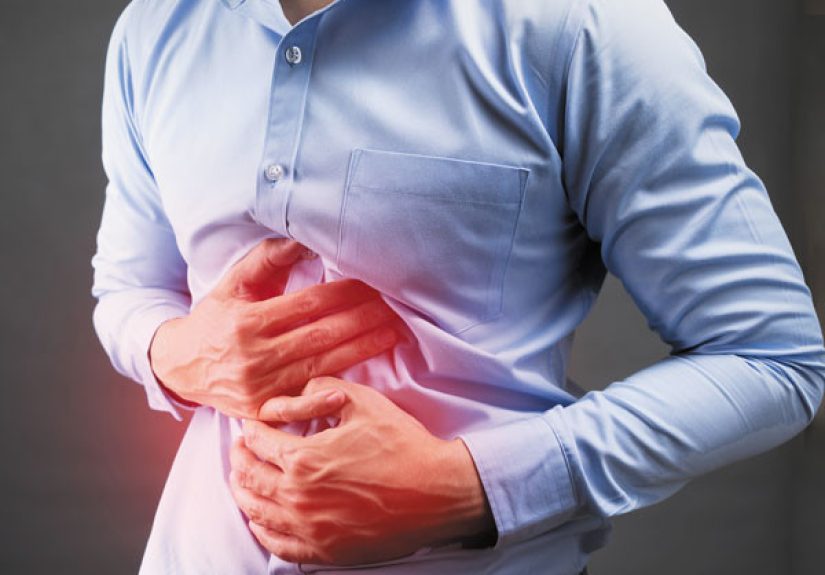
Diverticulitis happens when one or more diverticula become inflamed. Infection may also be involved. This is the version that tends to cause noticeable symptoms and medical visits. A classic presentation is steady pain in the lower left side of the abdomen, often with fever, nausea, tenderness, constipation, diarrhea, or bloating. The pain can start suddenly or build over several days.
Why the distinction matters
Saying “I have diverticular disease” is a bit like saying “my car made a noise.” Helpful? Barely. Diverticulosis may call for lifestyle changes and routine follow-up. Diverticulitis may call for urgent evaluation, imaging, medication, a short-term diet change, or in severe cases, hospitalization and surgery. Same neighborhood, very different drama level.
What Causes These Colon Pouches to Form?
Doctors do not pin diverticulosis on a single cause. Instead, it appears to develop from a mix of aging, pressure inside the colon, structural weak points in the colon wall, genetics, and lifestyle factors. The pouches form where the wall is more vulnerable, especially where blood vessels pass through the muscular layer.
Risk appears to rise with age, but age is not the whole story. Research and major U.S. health organizations also point to a pattern of factors associated with higher risk of diverticulitis or complications: a diet low in fiber and high in red meat, obesity, smoking, low physical activity, and use of certain medications such as NSAIDs or steroids. Genetics may also help explain why some people develop problems while others collect diverticula like souvenir magnets and never notice a thing.
In plain English, the colon seems to prefer a life with regular movement, enough dietary fiber, plenty of fluid, and not too much inflammatory baggage. It is less enthusiastic about chronic constipation, sedentary living, and repeated irritation.
Symptoms: When It Is Quiet and When It Is Not
Symptoms of diverticulosis
Most people with diverticulosis have no symptoms. Some do report chronic digestive complaints such as bloating, cramping, constipation, diarrhea, or lower abdominal discomfort. The tricky part is that these symptoms overlap with many other conditions, including irritable bowel syndrome. So if your gut feels moody, diverticulosis is only one possible explanation.
Symptoms of diverticulitis
Diverticulitis tends to be louder. Common symptoms include:
Persistent abdominal pain, often on the lower left side; tenderness when the area is touched; fever or chills; nausea or vomiting; and a change in bowel habits, including constipation or diarrhea. Some people also feel bloated or unusually tired.
Signs that should not be brushed off
Severe pain, high fever, vomiting, rectal bleeding, dizziness, or symptoms that rapidly worsen deserve prompt medical attention. Complications can include abscess, perforation, fistula, obstruction, or significant bleeding. This is not the moment for internet bravado or the classic “I’ll just walk it off” strategy.
How Doctors Diagnose Diverticulosis and Diverticulitis
Diverticulosis is often found incidentally
Many cases of diverticulosis are discovered during a colonoscopy or imaging study done for screening or another concern. If pouches are seen but there is no inflammation and no related acute problem, the diagnosis is usually diverticulosis.
Diverticulitis usually needs a closer look
When diverticulitis is suspected, doctors usually combine the story you tell, a physical exam, and testing. Blood tests may look for signs of infection or inflammation. A urine test may help rule out other causes of pain. The most important imaging test is often a CT scan of the abdomen and pelvis, which helps confirm the diagnosis and check for complications such as abscess, perforation, stricture, or fistula.
What about colonoscopy?
Colonoscopy is useful, but not usually during an acute attack. Doctors often recommend it after recovery from a first episode or when appropriate based on your history, especially to make sure another condition is not being missed. In many cases, follow-up colonoscopy is delayed until the inflammation has settled down, often several weeks later.
Treatment: What Actually Helps?
Managing diverticulosis
If you have diverticulosis without an acute flare, treatment usually centers on prevention and bowel health. That means eating a fiber-rich diet, staying hydrated, being physically active, and aiming for a healthy weight. Harvard Health and other U.S. experts commonly recommend working toward about 25 to 30 grams of fiber a day, ideally from beans, whole grains, fruits, vegetables, nuts, and seeds.
And here comes the myth-busting portion of the show: nuts, seeds, and popcorn are no longer routinely blamed for diverticulitis attacks. Current guidance does not support banning them across the board. In fact, many of these foods are good sources of fiber.
Treating uncomplicated diverticulitis
Mild diverticulitis may sometimes be treated at home, depending on symptoms, exam findings, and overall health. Care can include rest, fluids, short-term diet modification, pain control, and close medical follow-up. Not every uncomplicated case automatically needs antibiotics. Current gastroenterology guidance supports selective rather than routine antibiotic use in some patients with uncomplicated diverticulitis.
That does not mean “antibiotics never.” It means treatment is now more individualized. People who are frail, immunocompromised, vomiting, sicker overall, or showing signs that the illness is more severe are more likely to need antibiotics and more aggressive care.
When diverticulitis becomes complicated
If there is an abscess, perforation, fistula, obstruction, severe infection, or inability to keep fluids down, hospital treatment may be needed. This can include IV fluids, IV antibiotics, drainage of an abscess, or surgery. Surgery is generally considered for complicated disease and for certain patients with recurrent or ongoing symptoms that significantly affect quality of life.
Diet: The Most Googled Part of This Topic
What to eat with diverticulosis
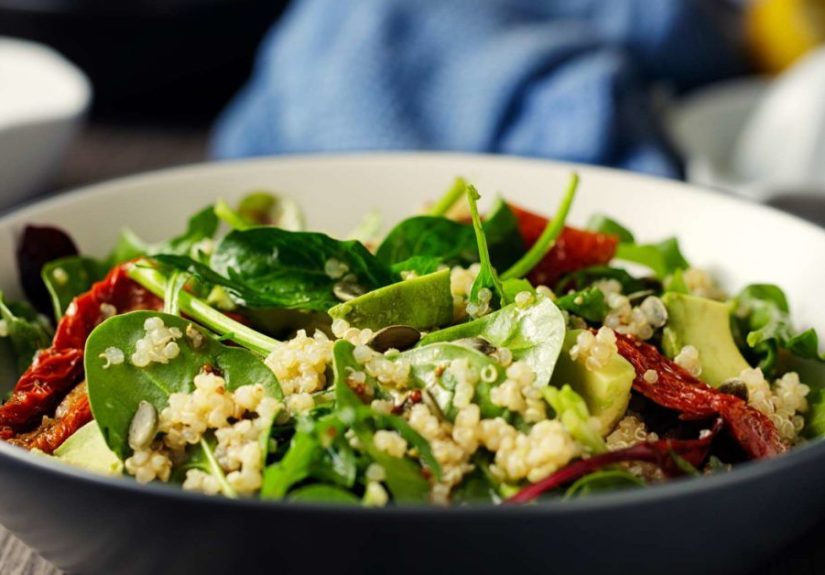
For diverticulosis, the long game is a high-fiber eating pattern. Good choices include beans, lentils, oats, bran cereals, brown rice, whole-grain breads, berries, apples, pears, broccoli, carrots, leafy greens, and nuts or seeds if you tolerate them well. Fiber helps soften stool and may reduce pressure inside the colon.
What to eat during diverticulitis recovery
During an acute flare, your clinician may temporarily recommend a clear liquid diet, a liquid diet, or a low-fiber plan while the colon calms down. This is usually a short-term step, not a forever menu. Once symptoms improve, fiber is typically added back gradually. Think of it as giving your gut a quiet room for a day or two, not sending it into solitary confinement for the rest of its life.
Foods to avoid forever?
There is no universal “never eat this again” list that fits every patient. Some people notice individual triggers during recovery, but broad bans on nuts, seeds, and popcorn are outdated. The bigger pattern matters more: overall fiber intake, hydration, weight management, exercise, and moderation with red meat and highly processed foods.
Prevention and Long-Term Outlook
Diverticulosis is generally lifelong unless the affected part of the colon is surgically removed. The goal is not to erase the pouches with willpower and oatmeal. The goal is to reduce the chance of inflammation, complications, and miserable flare days.
Helpful long-term habits include:
Eating enough fiber, drinking adequate water, exercising regularly, avoiding smoking, maintaining a healthy weight, and talking with your clinician about frequent NSAID use if you have a history of diverticular problems. These steps are not glamorous, but neither is being curled up with left-sided abdominal pain while canceling your weekend plans.
The outlook is often good, especially when the condition is recognized early and managed thoughtfully. Many people with diverticulosis never develop diverticulitis. Many people who do get diverticulitis recover fully with medical treatment. The key is respecting the difference between a manageable nuisance and an urgent medical problem.
What People Often Experience in Real Life
The medical definitions are tidy. Real life is not. People often describe diverticular disease as confusing because it can move from “I had no idea this existed” to “why does my lower abdomen feel like it is sending protest letters?” with very little warning.
A common experience starts with an incidental finding. Someone goes in for routine colorectal cancer screening, wakes up from a colonoscopy, and hears, “You have diverticulosis.” That moment is usually followed by a predictable internet spiral: Is this dangerous? Did I cause it? Do I have to give up popcorn forever? Often, the answer is reassuring. Many people live for years with diverticulosis and never have a flare. The emotional experience, though, is real. Even an “incidental” diagnosis can make people feel as if their digestive system suddenly became suspicious.
Then there is the first flare experience, which tends to be much less subtle. People often describe a steady, localized lower-left abdominal pain that does not behave like ordinary gas or indigestion. They may feel feverish, fatigued, nauseated, or unusually tender when moving around. What makes it unsettling is the persistence. It does not feel random; it feels like the body has picked a side and is sticking to it. Many patients say the worst part is not just the pain but the uncertainty: Is this something I can manage at home, or do I need urgent care?
Food anxiety is another recurring theme. After a diagnosis, many people become nervous eaters in the least fun way possible. They start scanning every plate as if a sesame seed might launch a tiny civil war in the colon. Modern guidance is more flexible than older advice, but patients often need time to trust that high-fiber foods can be helpful and that recovery diets are usually temporary. That learning curve is emotional as much as nutritional.
For people with recurrent diverticulitis or complications, the experience can become more disruptive. Plans get canceled. Travel feels risky. Some become hyperaware of bathrooms, meals, and abdominal sensations. If hospitalization, drainage, or surgery enters the story, the mental load gets heavier. Patients often talk about the strange combination of relief and fear: relief that treatment exists, fear that the condition will come back.
Recovery also has its own personality. People may feel better before they feel normal. Energy can lag. Appetite can be weird. Bowel habits may take time to settle. Many patients say the most useful part of recovery is finally understanding that healing is not a straight line. One better day does not mean the process is finished, and one uncomfortable day does not mean everything is going off the rails. That is a hard lesson, but a common one.
In other words, the lived experience of diverticulosis and diverticulitis is not only about anatomy. It is also about uncertainty, relief, routine changes, and learning how to work with your gut instead of panicking every time it clears its throat.
Final Takeaway
Here is the simplest way to remember it: diverticulosis means the pouches are there; diverticulitis means one of them is inflamed and causing trouble. The first is common and often quiet. The second is more serious and may need prompt medical care. The best long-term strategy usually includes more fiber, more movement, enough fluid, less smoking, less guesswork, and better follow-up.
And that old image of nuts and seeds as tiny gastrointestinal villains? It deserves retirement. Your colon has enough going on already.