Table of Contents >> Show >> Hide
- Who Is Kim Scott Mathers?
- How Kim Scott and Eminem First Met
- Love, Turbulence, and Two Marriages
- How Music Changed the Story
- Motherhood: The Part of the Story That Matters Most
- The Price of Public Scrutiny
- Why Kim Scott Mathers Still Matters in Pop Culture
- Experiences That Echo Through Kim Scott Mathers’ Story
- Conclusion
For years, Kim Scott Mathers has existed in pop culture like a name scribbled in the margins of rap history: familiar, controversial, and almost always filtered through somebody else’s microphone. Most people know her as Eminem’s ex-wife. Some know her as the woman whose name appeared in songs that were angry, theatrical, raw, and often impossible to ignore. But that version of Kim Scott Mathers is only part of the picture. The fuller story is more human, more complicated, and frankly more interesting than the usual celebrity-gossip summary.
Kim Scott Mathers was there before the fame, before the headlines, before Marshall Mathers became Eminem and before Detroit hardship turned into global superstardom. Her life intersects with one of music’s biggest careers, but it should not be reduced to a footnote inside it. Behind the public chaos was a woman who grew up fast, lived through a deeply turbulent relationship, raised children in the glare of worldwide attention, and spent years trying to reclaim privacy in a world that never met a celebrity-adjacent storyline it didn’t want to overcook.
This is the real story behind Kim Scott Mathers: not a tabloid remix, not a rumor buffet, and not a greatest-hits package of old drama. It is a closer look at the person behind the name, the long history she shares with Eminem, and why her story still says something meaningful about fame, family, and survival.
Who Is Kim Scott Mathers?
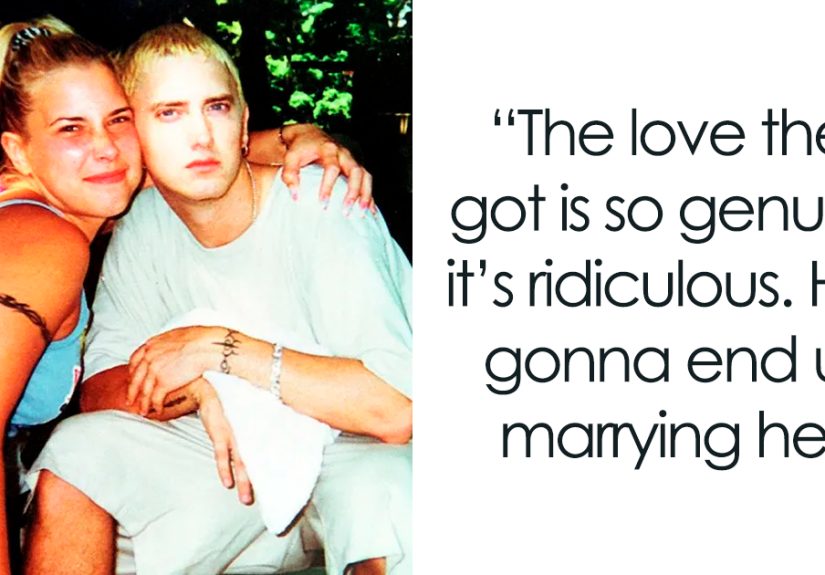
Kim Scott Mathers, born Kimberly Anne Scott, grew up in Michigan and met Marshall Mathers when they were still teenagers. Long before he became one of the most famous rappers in the world, the two formed a bond shaped by youth, instability, and the kind of emotional intensity that can either become a lifelong partnership or a lifelong headache. In their case, somehow, it became both.
One reason Kim remains fascinating to the public is that she was never a conventional celebrity spouse. She did not build a brand around fame, chase red carpets, or turn private turmoil into a full-time business model. In fact, much of her public image came from outside her control. She became famous by proximity, then infamous by narrative, and then strangely elusive. That mix made people curious, but it also flattened her identity. She was treated less like a person and more like a symbol in somebody else’s mythology.
That is what makes a more careful Kim Scott Mathers biography worth reading. She was not just “the ex.” She was a teenage love, a mother, a co-parent, and a central figure in one of the most publicly dissected relationships in modern music.
How Kim Scott and Eminem First Met
The Kim Scott and Eminem relationship began in the late 1980s, when they met as teenagers at a house party. The story has been repeated often because it sounds almost cinematic: two kids from rough circumstances meeting before either had the tools to build a stable adult life. But beneath that dramatic setup was something more ordinary and more painful: two young people trying to make sense of difficult environments while growing up in public long before they ever intended to.
As their relationship developed, Kim and her twin sister reportedly spent time living with Eminem’s family. That period matters because it explains why their connection ran so deep for so long. They were not a glamorous music-industry couple. They were part of each other’s formative years. They knew one another before the fame, before the money, before the legal fights, and before the songs turned private conflict into platinum records.
That kind of shared history does not disappear just because a relationship breaks down. In many ways, it can make things harder. When a couple grows up together, every breakup can feel like trying to evict your own past.
Love, Turbulence, and Two Marriages
The First Marriage
Kim and Eminem welcomed their daughter, Hailie Jade, in 1995. Four years later, they married in 1999, right around the time Eminem’s career was exploding. Timing, as they say, is everything, and this was not exactly peaceful timing. One minute you are trying to build a family; the next minute one partner becomes a global phenomenon, and your private life starts showing up in lyrics, interviews, lawsuits, and entertainment news.
The marriage did not hold. Their first divorce came in 2001 after a messy and highly public period that included legal disputes and intense media scrutiny. Their custody issues were covered by major outlets, which meant deeply personal family matters became public spectacle. That alone would strain most relationships. Add youth, emotional volatility, fame, money, and unresolved pain, and the whole thing starts looking less like a marriage and more like a pressure cooker with a record deal.
The Second Marriage
And yet, like many couples with a long and complicated history, Kim and Eminem were not done with each other. They remarried in January 2006, briefly reviving the hope that maybe this time things would settle down. But the second marriage ended quickly too. Within months, the relationship collapsed again.
The two-marriages, two-divorces arc became part of celebrity lore, but the easy summary misses the emotional reality. This was not simply a couple who enjoyed dramatic plot twists. It was a relationship with deep roots, repeated attempts, and the kind of unresolved history that does not disappear just because the wedding photos look hopeful. If anything, the second marriage underlined the real story: love was present, but stability was not.
How Music Changed the Story
No discussion of Kim Scott Mathers can avoid the elephant in the recording studio. Her relationship with Eminem became material for some of his most discussed songs, and that changed how the world saw her. Kim was not just a private citizen connected to a superstar. She became a recurring character in one of the most commercially successful catalogs in rap history.
That distinction matters. Once a real person becomes part of the art, the audience often forgets there is still a real person on the other end of the storyline. Listeners debate bars, analyze metaphors, and rank albums. Meanwhile, the person whose name helped fuel the art still has to wake up, parent children, buy groceries, and somehow survive hearing strangers talk about her like she is fictional.
In Eminem’s catalog, Kim was often presented through anger, betrayal, obsession, and emotional chaos. Those songs were undeniably part of his artistic identity, but they also shaped public perceptions of her in ways she did not fully control. Over time, that created a lopsided narrative: Eminem became the narrator, the star, the genius, the provocateur. Kim became the subject, the muse, the cautionary tale, the headline. That imbalance is one reason her story still feels “untold.” People heard about her constantly, but rarely from a perspective that centered her humanity.
Motherhood: The Part of the Story That Matters Most
If there is one thread that gives Kim Scott Mathers’ story real emotional weight, it is motherhood. Public fascination often circles the marriages and the songs, but the long-term story is really about family. Kim and Eminem share Hailie Jade, and over time their family story also came to include Alaina and Stevie, children connected to Kim whom Eminem later helped raise and adopt.
That broader family structure is important because it reveals something the tabloid version often misses: for all the public conflict, both Kim and Eminem remained tied together by the practical, daily, unglamorous work of raising kids. And that work tends to matter a lot more than celebrity mythology.
Hailie Jade, now an adult with a public life of her own, has spoken warmly about both of her parents. That detail lands with real force. It suggests that whatever chaos unfolded in public, there was also effort behind the scenes to protect the children from the worst of it. No, that does not magically erase the damage of a turbulent relationship. But it does add texture, and texture is what separates biography from gossip.
In later years, the family narrative became gentler. Hailie built her own platform, got married, and eventually became a parent herself. That milestone turned Kim Scott into a grandmother, which is the kind of plot development no early-2000s tabloid would have known how to handle. The loudest story became quieter. The scandal-fed identity gave way, at least somewhat, to ordinary family roles: mother, grandmother, co-parent, survivor.
The Price of Public Scrutiny
One of the hardest truths in the Kim Scott Mathers story is that public attention does not distribute pain fairly. The more famous person usually gets the bigger microphone, the bigger defense squad, and the bigger cultural allowance for contradiction. The less famous person gets analyzed, mocked, reduced, and remembered in fragments. Kim lived in that imbalance for years.
There were also publicly reported struggles involving mental health and substance use, which made her story even more vulnerable to sensational coverage. It is worth saying plainly: those parts of her life are not entertainment. They are evidence of how difficult things became. When media coverage turns a person’s lowest moments into clickable drama, the public learns almost nothing except how easy it is to consume someone else’s pain from a safe distance.
That is why any serious article about Kim Scott Mathers should resist the cheap thrill of a “tragic life” headline. Her story includes hardship, yes, but hardship is not the only thing here. There is endurance too. There is the sheer persistence required to keep living after being written into one of the loudest celebrity narratives of the era.
Why Kim Scott Mathers Still Matters in Pop Culture
So why are people still searching for “Kim Scott Mathers” years later? Partly because Eminem remains a major cultural figure. Partly because the internet never forgets a dramatic celebrity relationship. But mostly because her story sits at the intersection of several enduring themes: first love, fame, class, addiction, co-parenting, media cruelty, and the blurry line between art and real life.
Kim matters because she reminds us that celebrity storytelling often has collateral damage. She matters because the woman behind the songs was never just a song subject. She matters because history tends to reward the storyteller and flatten everyone else into supporting roles, especially women attached to famous men. And she matters because the later chapters of this family’s story suggest something quieter and more mature than the early headlines ever did: even deeply broken relationships can evolve into forms of coexistence centered on children, privacy, and getting through the next day.
In other words, Kim Scott Mathers is not just part of Eminem’s past. She is part of the emotional architecture of his story, the family story around him, and the larger conversation about what happens when private pain becomes public art.
Experiences That Echo Through Kim Scott Mathers’ Story
What makes Kim Scott Mathers’ story resonate is not just the celebrity angle. It is how familiar some of its emotional patterns feel, even to people who have never had cameras pointed at them. Strip away the platinum albums, the headlines, and the Detroit legend status, and you can still see experiences many people understand all too well.
There is the experience of teenage love that feels permanent because it arrives before you have any perspective. When people meet young, they do not just fall for each other; they attach their hopes, escape plans, and future identities to one another. That can create a bond that is incredibly hard to break, even when the relationship itself becomes painful. Kim and Eminem’s long on-and-off history reflects that kind of connection. It is the emotional version of trying to leave a house built out of your own memories.
There is also the experience of being known publicly for the messiest chapter of your life. Plenty of ordinary people know what it feels like to be remembered for one bad breakup, one rough year, one mistake, or one rumor that somehow stuck harder than the truth. Kim Scott Mathers lived that on a massive scale. For a long time, public interest in her was not about who she was becoming, but about what she had once represented in somebody else’s story. That is a lonely way to be seen.
Another theme that runs through her story is the experience of trying to parent while life is unstable. Parenthood does not politely wait until people are emotionally ready, financially secure, and wonderfully healed. It often arrives in the middle of chaos and asks grown-ups to become steady while they are still wobbling. The fact that Hailie Jade has spoken with warmth about both parents suggests that, however imperfectly, there was real effort made behind the scenes. That part deserves attention. Families do not have to be spotless to contain love. Sometimes they just have to keep showing up.
Then there is the experience of privacy loss. Most people will never have songs, interviews, or global audiences attached to their personal relationships, but many do know what it feels like to have private pain made public inside a family, a town, a workplace, or an online circle. Once a narrative gets loose, it develops a life of its own. People repeat it, exaggerate it, simplify it, and eventually act as though they know you because they know the loudest version of what happened to you. Kim Scott Mathers’ life shows how brutal that process can be.
Finally, there is the experience of endurance. Not the glamorous movie kind, either. The everyday kind. The kind where you survive the headlines, survive the judgment, survive the years that do not look impressive from the outside, and somehow keep going long enough to reach a quieter chapter. In that sense, Kim Scott Mathers’ story is not only about heartbreak or celebrity fallout. It is about persistence. It is about living long enough to become more than the version of yourself that the public thought would last forever.
Conclusion
Kim Scott Mathers will probably always be linked to Eminem in search results, headlines, and pop culture memory. That part is unavoidable. But reducing her to “Eminem’s ex-wife” misses the real point. Her story is about more than a famous marriage and a famous divorce. It is about growing up in hard circumstances, being pulled into an enormous public narrative, trying to raise children through instability, and surviving the kind of exposure that would flatten most people.
The untold part of Kim Scott Mathers’ story is not hidden because there is no information. It is hidden because the loudest version was never the fullest one. When you look past the songs and the spectacle, what remains is a more compelling truth: Kim Scott Mathers is not just a supporting character in rap history. She is a person whose life reflects the cost of fame on ordinary human relationships, and that makes her story worth telling with more care than the internet usually gives it.