Table of Contents >> Show >> Hide
- What the Priority Current Gets Right Immediately
- Specs That Actually Matter in Real Life
- How the Priority Current Rides
- What the Updated Current Plus Changes
- Pros and Cons
- Who Should Buy the Priority Current?
- Final Verdict
- Extended Real-World Experience: What Living With a Priority Current Actually Feels Like
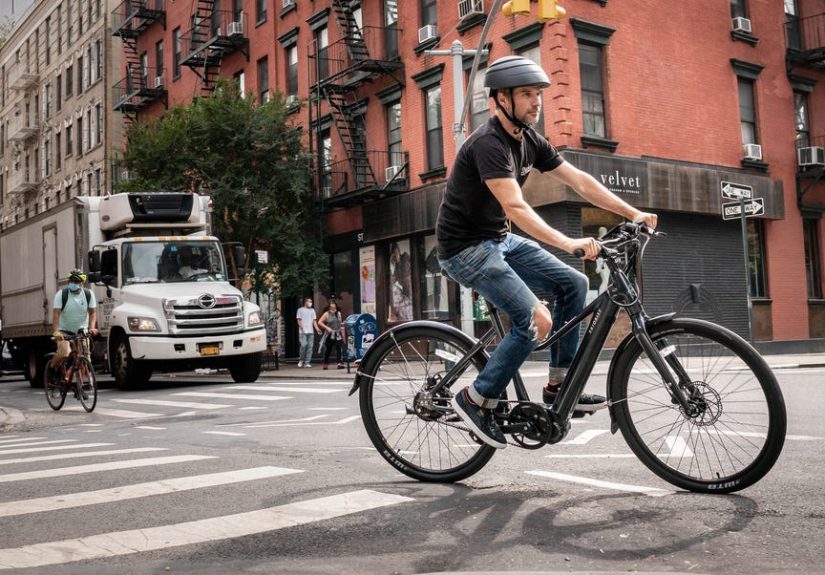
If most commuter e-bikes are trying very hard to look like spaceships, the Priority Current would rather look like a normal bike that happens to have superhero lungs. That has always been part of its charm. The Current arrived with a simple promise: give riders a fast, low-maintenance, belt-drive commuter that feels polished instead of gimmicky. No rattly bargain-bin chaos. No greasy pant leg tragedy. No “assembly required, patience sold separately” energy.
And after comparing the consensus from major U.S. reviews and brand specifications, the verdict is pretty clear: the Priority Current is one of the most thoughtfully designed commuter e-bikes in its class. It is not perfect. It is not feather-light. It is not the cheapest option on the block. But it is one of the rare commuter e-bikes that seems designed by people who understand daily riding, not just spec-sheet flexing.
This review looks at what made the original Priority Current so appealing, how it rides, where it still shines, and why today’s shoppers also need to understand the updated Current Plus. If you are researching the Priority Current e-bike review topic in 2026, you are really looking at a bike family: the original Current and the more recent Current Plus. The DNA is the same, but the details matter.
What the Priority Current Gets Right Immediately
The first thing that stands out is the design philosophy. Priority did not build the Current to win a beauty contest for futuristic gadgets. It built it to make commuting easier, cleaner, and quieter. That is why the bike’s personality revolves around three big ideas: a mid-drive motor, a Gates carbon belt drive, and an internally geared hub.
That combination matters. A belt drive means no greasy chain and much less routine mess. An internal hub means fewer exposed drivetrain parts and less fiddly adjustment than a derailleur setup. A mid-drive motor means the power feels more natural and more effective on hills than many hub-motor commuters. Put those together and the Current becomes the kind of bike that makes practical riders grin like they just found a parking spot directly in front of the coffee shop.
The original Current earned attention for offering a 500W torque-sensing mid-drive motor, up to 140 Nm of torque, a removable 500Wh battery, hydraulic disc brakes, integrated lights, fenders, and a choice between a Shimano Inter-5 hub or an Enviolo continuously variable transmission. That is a very serious commuter package, especially for people who care more about daily usability than e-bike cosplay.
Specs That Actually Matter in Real Life
Motor and Speed
The Current’s motor is one of its headline features, and for good reason. On paper, 140 Nm sounds wild for a commuter bike, and on the road, reviewers consistently describe the bike as quick, eager, and stronger than expected. The power delivery is tied to rider input through a torque sensor, which helps the bike feel responsive instead of jerky. That makes stop-and-go traffic, rolling streets, and moderate climbs feel much easier without turning the ride into an on-off switch.
The original model shipped in a lower-speed setting but could be configured up to Class 3, meaning pedal assist up to 28 mph. That flexibility has always been part of the appeal. You can ride it like a calmer city commuter or let it stretch its legs on longer, faster routes. In plain English: it can behave politely, but it definitely knows how to hustle.
Battery and Range
The original Current used a 500Wh battery, which is respectable for commuting and everyday errands. Real-world range always depends on terrain, rider weight, assist level, wind, tire pressure, and how often you decide to ride like you are late for a meeting. In practical use, the Current was generally seen as strong enough for normal commuting, but not in the “forget where you parked last Tuesday” range category.
The newer Priority Current Plus improves this with a 720Wh battery, which is a meaningful upgrade for riders who want longer commutes, more weekend range, or fewer charging sessions. That change alone makes the newer version more appealing for long-distance commuters and people who hate plugging things in almost as much as they hate Monday mornings.
Drivetrain and Maintenance
This is where the Priority Current separates itself from a lot of competitors. The belt-drive commuter e-bike formula is not just a marketing phrase. It changes ownership. The Gates belt drive stays cleaner than a chain, and the internal hub setup is less exposed to road grime, bumps, and adjustment issues. If your dream bike is one that asks for less attention and gives more reliable service, the Current is speaking your love language.
The Shimano version tends to feel a little more direct and responsive, while the Enviolo option is often praised for smoothness and ease, especially for riders who want stepless shifting and a more relaxed experience. Neither choice is wrong. The Shimano setup feels a bit more mechanical and immediate; the Enviolo feels more like glide mode.
How the Priority Current Rides
The best way to describe the ride is this: the Priority Current feels mature. It does not feel twitchy, juvenile, or built to impress your cousin who measures every e-bike by throttle drama. It feels stable, quiet, and composed. Many reviewers noted that it accelerates strongly off the line, climbs confidently, and settles into cruising speed with a natural feel.
That mid-drive system is the hero here. Because it works through the bike’s drivetrain, the assist feels more connected to your own effort. You pedal, the bike answers. The stronger you pedal, the more alive it feels. This gives the Current a more “bike-like” ride than many cheaper commuters with rear hub motors that sometimes feel like they are either napping or launching.
There is, however, one tradeoff you should not ignore: the ride can feel firm. The Current uses a rigid fork, and several reviewers pointed out that rough pavement, potholes, and broken urban streets can send more vibration through the bars than suspension-equipped alternatives. The wider tires and upright position help, but this is still a fully rigid commuter. Translation: it is smooth enough for city life, but it is not a magic carpet.
What the Updated Current Plus Changes
The Current Plus keeps the core personality intact but adds useful improvements rather than random tech glitter. The bigger battery is the biggest headline, but it is not the only one. Priority also updated the geometry and cockpit for more comfort, added a throttle, revised the motor behavior, and moved toward a more all-around commuter setup with wide 650b x 50mm tires and a more relaxed upright posture.
That means today’s buyer needs to ask a simple question: do you want the original Current concept, or do you want the more forgiving, more feature-rich version? The Current Plus looks like the company listened to feedback from riders who loved the low-maintenance platform but wanted more battery, easier launches, and a bit more comfort baked in.
The catch is weight. The newer model is still not light. Depending on configuration, it lands in the mid-50-pound range. That is manageable while riding, but less charming when carrying it up stairs or wrestling it into storage. If your apartment has three flights and no elevator, this may become a relationship test.
Pros and Cons
Why the Priority Current Is Easy to Recommend
First, it is low maintenance in a way that actually matters. The belt drive and internal hub are not gimmicks. They are daily-life upgrades.
Second, the motor performance is excellent for commuting. The bike feels strong on hills, fast on flats, and smoother than many hub-driven rivals.
Third, it comes well equipped. Fenders, lights, hydraulic brakes, and commuter-friendly details are built into the experience instead of presented as expensive afterthoughts.
Fourth, it feels premium. Multiple reviews described the Current as polished, sturdy, and more refined than many flashy direct-to-consumer e-bikes that pile on features but miss the ride quality.
Where the Bike Falls Short
It is expensive compared with entry-level commuters. The value makes sense if you care about quality and maintenance savings, but the upfront price can still sting.
It is not plush. No front suspension means rough pavement feels more honest than romantic.
It is heavy. Once moving, the weight is not a problem. Off the bike, gravity becomes very interested in your plans.
Some details feel dated on the original model. A few reviewers criticized the display and controls, especially compared with newer, more polished interfaces.
Who Should Buy the Priority Current?
The Priority Current makes the most sense for commuters, urban riders, and weekend explorers who want a bike that feels dependable and civilized. It is especially attractive for riders who prioritize a mid-drive electric bike, dislike chain maintenance, and want something that can handle daily use without becoming a hobby in itself.
If you commute in regular clothes, ride in mixed weather, deal with hills, or simply want an e-bike that looks like a bicycle instead of a mini motorcycle, this bike has strong appeal. It also suits riders who plan to keep the bike for years and care about long-term ownership costs, not just the cheapest possible checkout price.
On the other hand, riders who want suspension comfort, very low weight, or a bargain price may be happier elsewhere. Likewise, if you want a throttle-first experience on the original Current, you will need to look at the Current Plus or another category entirely.
Final Verdict
So, is the Priority Current worth it? Yes, especially if your idea of a great commuter e-bike is something strong, smooth, low-maintenance, and thoughtfully equipped rather than trendy for five minutes and annoying for five years.
The original Current earned its reputation because it solved real commuting problems with smart component choices. The Current Plus continues that formula with a bigger battery, more comfort, and more flexibility. Neither version is trying to be everything to everyone. That is exactly why the platform works so well.
In a market full of e-bikes that shout, the Priority Current quietly makes a very convincing argument. It is practical without being boring, fast without being ridiculous, and refined without becoming fragile. That is a difficult balance to strike. Priority mostly nails it.
Extended Real-World Experience: What Living With a Priority Current Actually Feels Like
If you want the ownership experience in one sentence, here it is: the Priority Current feels like a commuter bike designed by someone who has actually shown up to work with road spray on their jacket and a laptop on their back. The smart stuff is not flashy. It is practical.
The day-to-day appeal starts before the ride even begins. You look at the belt drive and realize there is no greasy chain waiting to tattoo your calf or decorate your pants. That sounds minor until you have owned a commuter with a traditional drivetrain and discovered that your bicycle has a side hustle ruining office clothes. With the Current, that anxiety mostly disappears. It feels cleaner, quieter, and less needy from the start.
Once you are rolling, the motor character is what sells the bike. It does not surge forward like an overeager scooter. Instead, it responds to your effort with a natural, muscular push. Pulling away from a light feels brisk. Short hills stop feeling dramatic. Headwinds become annoying instead of soul-crushing. On a normal bike, you may spend the ride negotiating with the road. On the Current, the road becomes more of a suggestion.
The riding position also makes a difference. The bike is upright enough to be comfortable and practical in traffic, which helps on longer commutes and neighborhood rides. You are not folded into a racing crouch, and you are not sitting bolt upright like you borrowed your aunt’s beach cruiser. It lands in the useful middle. You can see traffic, scan intersections, and still feel efficient when the assist is pushing you along at speed.
There are tradeoffs, of course. If your city’s streets look like they were repaired with a spoon, the rigid fork will remind you. The wider tires soften the worst of it, but this is not a full-suspension couch on wheels. It is a commuter. It prefers pavement, bike lanes, smooth paths, and tame gravel. It can survive rougher stretches, but it will not flatter them.
Then there is the weight. While riding, the Current does a good job of hiding it because the motor is strong and the chassis feels planted. But the illusion ends the second you have to carry it up stairs, pivot it in a tight hallway, or hoist it onto a rack. This is where many owners discover a timeless truth: e-bikes are wonderful until gravity sends an invoice.
Still, the strongest long-term impression is confidence. The brakes feel serious. The drivetrain feels durable. The whole bike feels built for regular use rather than occasional novelty. That matters more than a glamorous app, a trendy frame shape, or some dashboard animation you stop noticing after three rides. The Current feels like transportation first, toy second, and that is a compliment.
If your ideal e-bike is one you can ride to work, to the store, across town, and on weekend loops without constantly thinking about maintenance, battery panic, or flimsy parts, the Priority Current makes a strong case for itself. It is not the cheapest thrill in town, but it is one of the most convincing grown-up choices in the commuter category. In other words, it is the e-bike equivalent of buying shoes that are not exciting in the store but somehow become your favorite pair for the next three years.