Table of Contents >> Show >> Hide
- How Much Does Lawn Care Cost on Average?
- Average Lawn Care Cost by Service Type
- Main Factors That Affect Lawn Care Pricing
- Lawn Mowing Cost: What Homeowners Usually Pay
- Cost of Fertilization, Weed Control, and Lawn Treatments
- Aeration and Overseeding Costs
- Seasonal Lawn Care Costs
- DIY Lawn Care vs. Hiring a Professional
- How to Save Money on Lawn Care
- Sample Lawn Care Budgets
- When Is Lawn Care Worth the Cost?
- Extra Experience: Real-World Lessons About Lawn Care Costs
- Conclusion
- SEO Tags
Note: This original article is written for web publication and is based on real U.S. lawn-care pricing trends, professional service ranges, and practical homeowner experience. Prices vary by location, lawn size, season, and service provider.
How Much Does Lawn Care Cost on Average?
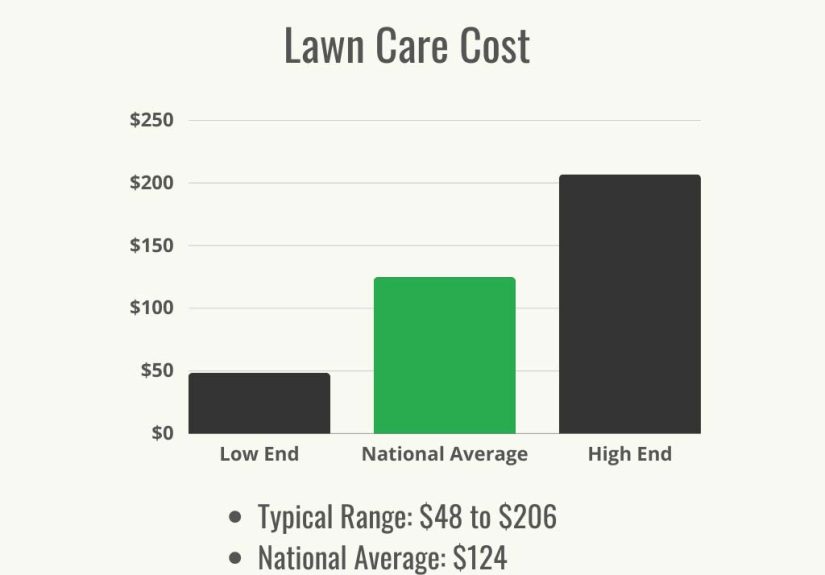
Lawn care cost in the United States usually falls into two broad buckets: simple recurring maintenance and bigger seasonal treatments. For basic mowing, many homeowners can expect to pay about $30 to $85 per visit for a straightforward residential lawn. A wider professional range is closer to $49 to $204 per visit when the yard is larger, sloped, overgrown, full of obstacles, or paired with edging, trimming, and cleanup.
For broader lawn care packages, the average cost often lands around $100 to $500 per service or monthly plan, depending on what is included. A “just keep it neat” plan may include mowing, trimming, and blowing grass clippings off the driveway. A more complete lawn maintenance program may include fertilization, weed control, aeration, overseeding, pest treatment, leaf removal, and seasonal cleanup. In other words, lawn care pricing can range from “nice and manageable” to “my grass now has a personal trainer.”
The most important thing to know is that lawn care is not priced like a gallon of milk. Two homes on the same street can receive different quotes because one has a flat, open front yard while the other has a steep backyard, six flower beds, a playset, a fence gate barely wider than a wheelbarrow, and a dog who believes every mower is a villain.
Average Lawn Care Cost by Service Type
Here is a practical pricing guide for common lawn care services. These are typical U.S. ranges, not guaranteed quotes, but they give homeowners a realistic starting point before calling local pros.
| Service | Typical Cost Range | Best For |
|---|---|---|
| Lawn mowing | $30 to $85 per visit; wider range $49 to $204 | Routine grass cutting and basic curb appeal |
| Edging and trimming | Often bundled; sometimes $20 to $50 extra | Clean lines along sidewalks, beds, fences, and driveways |
| Fertilization | $65 to $405 per treatment | Greener growth, stronger roots, and nutrient support |
| Weed control | $50 to $210 per treatment | Dandelions, crabgrass, clover, and broadleaf weeds |
| Aeration | $75 to $300 per visit | Compacted soil, thin turf, and heavy foot traffic areas |
| Overseeding | $400 to $1,700+ | Thin lawns, bare spots, and seasonal lawn recovery |
| Dethatching | $65 to $700 | Lawns with thick thatch blocking water and nutrients |
| Leaf removal | $100 to $500 | Fall cleanup and preventing smothered grass |
| Yard cleanup | $125 to $465 | Spring refresh, storm debris, branches, weeds, and clutter |
| Sod installation | $2,000 to $3,400+ | Instant lawn replacement or major renovation |
For a small, simple yard, mowing may be the only recurring expense. For a lawn that needs true rehabilitation, the annual budget may include mowing, fertilization, weed control, aeration, seeding, and cleanup. That is why one homeowner may spend $150 a month while another spends several thousand dollars over a full growing season.
Main Factors That Affect Lawn Care Pricing
1. Lawn Size
Size is the obvious cost driver. A small quarter-acre property is faster to mow, easier to edge, and cheaper to fertilize than a full acre. Many companies use minimum visit fees, so a very small lawn may not cost dramatically less than a medium one. But as the property grows, so do labor time, fuel use, equipment wear, fertilizer volume, seed quantity, and cleanup effort.
2. Service Frequency
Weekly mowing usually costs more per month than biweekly mowing, but it may reduce the price per visit because the grass is easier to maintain. Letting grass grow tall between visits can increase costs because the crew may need to mow slowly, double-cut, bag clippings, or use heavier equipment. A lawn that looks like it is auditioning for a nature documentary will not be priced like a tidy suburban putting green.
3. Yard Condition
A healthy, regularly maintained lawn is cheaper to care for than one filled with weeds, bare spots, compacted soil, pests, drainage issues, or thick thatch. If the lawn has been neglected for months, a company may recommend a cleanup visit before starting regular maintenance. That first visit can cost more, but it sets the lawn up for lower ongoing costs.
4. Terrain and Accessibility
Flat, open lawns are cheaper than sloped, narrow, fenced, or obstacle-heavy yards. Gates, stairs, retaining walls, trees, play equipment, garden beds, and tight corners all add time. If a crew cannot use a riding mower and must rely on push mowers or trimmers, the quote will usually reflect the extra labor.
5. Location and Labor Rates
Lawn care prices vary by state, city, and neighborhood. Areas with higher labor costs, longer growing seasons, expensive fuel, or strong demand for landscaping services usually have higher prices. For example, mowing in a warm, fast-growing region may be needed more often than in a cooler climate with a shorter growing season.
6. Add-On Services
The base mowing price rarely includes every lawn-care task. Fertilization, weed control, aeration, overseeding, pest control, shrub trimming, mulching, leaf removal, and sprinkler maintenance are commonly priced separately. Bundling services can sometimes lower the total cost, but homeowners should ask exactly what is included before signing up.
Lawn Mowing Cost: What Homeowners Usually Pay
Lawn mowing is the most common lawn care service because grass does not politely stop growing just because you are busy. For a typical residential yard, homeowners often pay $30 to $85 per mow. More complex jobs can reach $100 to $200+, especially for larger properties, overgrown grass, steep slopes, or extra trimming.
A basic mowing visit usually includes cutting the grass, trimming around edges, and blowing clippings off hard surfaces. However, not every company includes edging, bagging, or cleanup in the base price. Always ask whether the quote includes trimming around fences, cleaning walkways, and removing clippings. The cheapest quote is not always the cheapest if every normal-looking task becomes an add-on.
For monthly budgeting, a homeowner with a modest yard might spend about $120 to $340 per month during the growing season if mowing is scheduled weekly. Biweekly service may reduce the monthly total, but it can also lead to taller grass, more clippings, and less polished results.
Cost of Fertilization, Weed Control, and Lawn Treatments
Fertilization generally costs around $65 to $405 per treatment, depending on yard size, fertilizer type, and whether the service is part of a larger plan. A basic fertilizer application feeds the lawn, while premium programs may include slow-release nutrients, soil amendments, weed prevention, grub control, or seasonal treatments.
Weed control often costs about $50 to $210 per treatment. The final price depends on the type and severity of the weed problem. A few dandelions are one thing; a full crabgrass takeover is another. When weeds spread aggressively, one treatment may not be enough, so companies often recommend multiple visits throughout the growing season.
For homeowners comparing lawn care packages, pay attention to the number of applications. A plan with six visits may cost more than a plan with three, but it may also provide more consistent results. The best value is the plan that matches your lawn’s condition, not simply the one with the lowest first-month price.
Aeration and Overseeding Costs
Aeration typically costs around $75 to $300, with many average-size lawns falling in the middle of that range. Aeration removes small plugs of soil so air, water, and nutrients can reach the root zone. It is especially helpful for compacted soil, high-traffic areas, clay-heavy yards, and lawns that struggle despite regular watering and fertilization.
Overseeding is often paired with aeration because the holes help grass seed make better contact with the soil. Overseeding can cost $400 to $1,700+, depending on lawn size, seed type, labor, and preparation. Cool-season lawns often benefit from overseeding in late summer or early fall, while warm-season lawns follow different regional timing.
If your lawn has only a few bare patches, a small DIY seeding job may be enough. But if half the yard looks like a sad patchwork quilt, professional aeration and overseeding may be worth the investment.
Seasonal Lawn Care Costs
Spring Lawn Care
Spring is when many homeowners restart mowing, apply pre-emergent weed control, fertilize, and clean up winter debris. A spring cleanup may cost $125 to $465, depending on the amount of debris and the size of the yard. This is also a good time to inspect bare spots, sharpen mower blades, and plan the season’s treatment schedule.
Summer Lawn Care
Summer costs usually center on mowing, watering, weed control, pest monitoring, and stress management. In hot regions, lawns may need careful irrigation, but overwatering can waste money and invite disease. Smart irrigation habits, such as watering early and keeping sprinklers off pavement, can reduce waste and protect your lawn budget.
Fall Lawn Care
Fall is prime time for leaf removal, aeration, overseeding, and fertilization in many regions. Leaf removal may cost $100 to $500, depending on tree coverage and whether leaves are mulched, bagged, or hauled away. Fall treatments can be some of the most valuable because they help the lawn recover from summer stress and prepare for winter.
Winter Lawn Care
In colder climates, winter lawn expenses may be minimal unless you need debris cleanup, sprinkler winterization, or snow-related landscape protection. In warmer regions, grass may keep growing slowly, which means mowing may continue on a reduced schedule.
DIY Lawn Care vs. Hiring a Professional
DIY lawn care can save money, especially for homeowners who already own a mower, trimmer, spreader, rake, hose, and basic tools. The trade-off is time, storage, maintenance, and learning curve. You also have to buy fuel or batteries, fertilizer, seed, weed treatments, replacement blades, and safety gear.
Hiring a lawn care professional costs more per visit, but it saves time and can improve consistency. Pros know how to spot early lawn problems, apply products evenly, use commercial equipment, and recommend the right timing for treatments. For busy homeowners, that convenience is worth it. For homeowners who enjoy yard work, DIY can be satisfying, affordable, and oddly therapeuticat least until the string trimmer runs out of line for the third time.
A smart middle ground is to DIY simple tasks and hire pros for specialized services. For example, you might mow your own lawn but pay for aeration, weed control, or a fall overseeding project. This hybrid approach can reduce costs while still giving your lawn professional support when it needs it most.
How to Save Money on Lawn Care
Bundle Services
Many lawn care companies offer discounts for recurring service or bundled packages. Combining mowing, fertilization, and weed control may cost less than booking each service separately.
Choose the Right Schedule
Weekly mowing is not always necessary for every lawn, but waiting too long between cuts can make each visit harder and more expensive. Ask your provider what schedule fits your grass type and local growing season.
Keep the Lawn Accessible
Clear toys, hoses, branches, and furniture before the crew arrives. A yard that is easy to access is faster to service, and faster service often means better pricing over time.
Mow High and Keep Blades Sharp
Healthy mowing habits can reduce stress, weeds, and water needs. Many turf experts recommend keeping grass around 3 inches or higher for healthier growth. Taller grass shades the soil, supports deeper roots, and can help crowd out weeds.
Water Wisely
Do not pay to water the sidewalk. Adjust sprinklers so they hit the lawn, not the driveway. Smart irrigation controllers and seasonal adjustments can help reduce water waste and support healthier turf.
Get Multiple Quotes
Before choosing a lawn care company, compare at least three quotes. Make sure each quote includes the same services, frequency, and cleanup details. A low quote that excludes trimming, edging, and blowing may not be a bargain.
Sample Lawn Care Budgets
Small Yard: Basic Maintenance
A homeowner with a small, flat lawn may pay about $35 to $60 per mow. With weekly mowing during a 7-month growing season, the annual mowing cost might fall around $980 to $1,680. Add one or two fertilizer treatments, and the annual budget may reach $1,200 to $2,200.
Medium Yard: Standard Lawn Care
A medium lawn with mowing, trimming, fertilization, weed control, and fall cleanup may cost around $2,000 to $4,000 per year. The exact number depends on service frequency and the number of treatments.
Large Yard: Full-Service Plan
A large property or full-service lawn program can cost $4,000 to $10,000+ per year, especially if it includes weekly mowing, aeration, overseeding, fertilization, pest control, leaf removal, and irrigation maintenance.
When Is Lawn Care Worth the Cost?
Lawn care is worth the cost when it saves time, improves curb appeal, protects property value, or solves problems that DIY work has not fixed. A neat lawn can make a home look more welcoming, and a healthy lawn can also reduce erosion, mud, weeds, and bare patches.
Professional care is especially helpful if you are preparing to sell a home, recovering a damaged lawn, managing a large property, or dealing with stubborn weeds and compacted soil. However, not every yard needs the most expensive plan. Some lawns simply need consistent mowing, smart watering, and occasional feeding.
The best approach is to match the service level to the lawn’s real condition. Do not buy aeration if your soil is not compacted. Do not pay for full renovation if a few bags of seed can patch the problem. And do not ignore obvious issues until your lawn turns into a crunchy brown doormat with ambitions.
Extra Experience: Real-World Lessons About Lawn Care Costs
One of the biggest lessons homeowners learn is that lawn care costs are rarely about grass alone. They are about time, consistency, equipment, local climate, and expectations. A homeowner who wants a clean, healthy, family-friendly yard may spend very differently from someone chasing golf-course perfection. The first goal is realistic. The second may require a budget, a calendar, and possibly emotional support.
In real life, the cheapest lawn care plan often becomes expensive when it ignores the cause of the problem. For example, a homeowner may keep paying for fertilization because the lawn looks thin, but the real issue may be compacted soil. In that case, aeration and overseeding could do more than another round of fertilizer. Another homeowner may keep watering more because the lawn is brown, when the problem is actually dull mower blades tearing grass and creating stress. Lawn care works best when each service has a purpose.
Another common experience is underestimating the value of timing. Fertilizer applied at the wrong time may not deliver strong results. Seeding during harsh heat may fail. Mowing too short in summer can stress the grass and invite weeds. Leaf removal delayed too long can smother turf. Paying for the right service at the wrong time is like buying an umbrella after the storm has already soaked your shoes.
Homeowners also discover that communication with the lawn care company matters. A good provider should explain what is included, when treatments happen, how long results may take, and what the homeowner needs to do between visits. If weed control is applied, the lawn may need time before mowing. If seed is spread, watering becomes critical. If aeration plugs are left behind, that is usually normal, not a sign that the crew forgot to clean up. Understanding these details prevents frustration.
It is also smart to walk the yard before requesting quotes. Note the approximate lawn size, slopes, gates, sprinkler heads, pet areas, bare spots, drainage problems, and shaded sections. The more information you provide, the more accurate your estimate will be. Photos can help too. A lawn care company can quote more confidently when it sees whether your yard is a simple rectangle or a tiny obstacle course designed by a mischievous garden gnome.
From a budget perspective, homeowners often do best with an annual plan instead of random emergency fixes. Set aside money for mowing during the growing season, one or more fertilizer treatments, weed prevention, fall cleanup, and one improvement project if needed. That improvement might be aeration, overseeding, soil testing, mulch refresh, or sprinkler repair. A planned expense is easier to handle than a surprise lawn rescue mission in July.
Finally, the best lawn care investment is usually consistency. Regular mowing at the right height, sharp blades, deep but sensible watering, seasonal feeding, and quick attention to weeds can prevent bigger costs later. A lawn does not need to be flawless to be beautiful. It needs to be healthy, usable, and maintained in a way that fits your home, climate, and budget. The perfect lawn is nice, but a lawn you can enjoy without checking your bank account every time it rains is even better.
Conclusion
So, how much does lawn care cost? For most homeowners, basic mowing may cost $30 to $85 per visit, while broader professional lawn care often ranges from $100 to $500 depending on the services included. Larger properties, complex terrain, overgrown grass, seasonal cleanups, fertilization, aeration, overseeding, and weed control can all raise the final price.
The smartest way to manage lawn care costs is to understand what your yard actually needs. Start with routine mowing, keep grass at a healthy height, water wisely, and add treatments only when they solve a real problem. Whether you DIY, hire a professional, or mix both approaches, a healthy lawn does not require mysteryjust a practical plan, realistic expectations, and maybe a little patience when the weeds decide to be dramatic.