Table of Contents >> Show >> Hide
- How the Mythology Challenge Works
- Quick Greek-to-Roman Cheat Sheet Before You Start
- The Quiz: You Can Only Make 3 Mistakes
- Answer Key and Mythology Explanations
- Score Yourself: Did You Survive the 3-Mistake Rule?
- Why This Greek and Roman Mythology Quiz Actually Helps You Learn
- Experience Section: What It Feels Like to Take a “Only 3 Mistakes” Mythology Challenge (500+ Words)
- Conclusion
If you think you can tell your Zeus from your Jupiter and your Hydra from your “wait, was that a dragon or a snake thing?”, welcome to the ultimate Greek and Roman mythology quiz challenge. This is not a sleepy classroom pop quiz. This is a myth-packed gauntlet where gods are dramatic, heroes are overachievers, and monsters absolutely refuse to stay in their lanes.
Greek and Roman mythology still shows up everywhere: in movies, books, video games, constellations, psychology terms, and even everyday phrases like “Achilles heel.” These stories were never just entertainment. They explained nature, reflected values, and shaped art and literature for centuries. In other words, mythology is ancient storytelling with a very modern habit of popping up when you least expect it.
In this article, you’ll get a fast, fun refresher, a score-yourself challenge, and an answer key with bite-size explanations so you can learn while you compete. The twist? You can only make 3 mistakes. That means question 4 is where things get spicy.
How the Mythology Challenge Works
The Rules
- You get 18 questions.
- You can make only 3 mistakes.
- If you miss 4 or more, the Fates may not cut your thread, but your pride might unravel a little.
- No Googling. Athena is watching.
Why Greek and Roman Mythology Gets Tricky
Most people know a few big names: Zeus, Athena, Hades, Hercules. But the challenge gets harder when Greek and Roman names overlap. For example, Herakles is the Greek hero, while Hercules is the Roman name most people recognize. Same mythic celebrity, different stage name. The same pattern appears across the pantheon: Aphrodite/Venus, Ares/Mars, Artemis/Diana, Athena/Minerva, and so on.
Roman mythology also borrowed heavily from Greek mythology, then adapted stories and gods into Roman culture. That is why this quiz mixes both traditions on purpose. If you know only one side, the other one will sneak in like Hermes and steal your points.
Quick Greek-to-Roman Cheat Sheet Before You Start
Here’s your last-second myth cram session:
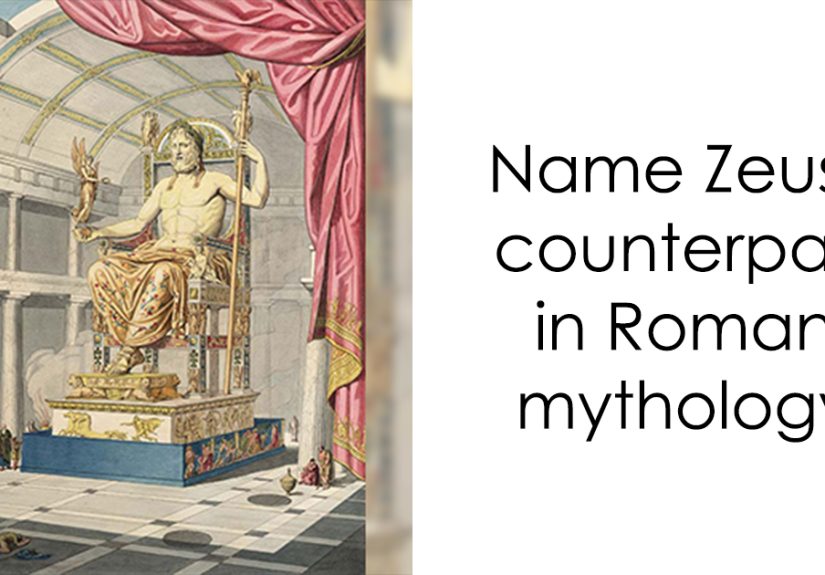
- Zeus = Jupiter (king of the gods)
- Hera = Juno (marriage, queenship)
- Aphrodite = Venus (love, beauty)
- Ares = Mars (war)
- Athena = Minerva (wisdom, strategy)
- Artemis = Diana (hunting)
- Dionysus = Bacchus (wine, ecstasy, theater)
- Herakles = Hercules (hero, strength, labors)
Ready? Deep breath. Grab your imaginary laurel crown. Let’s test your Greek and Roman mythology knowledge.
The Quiz: You Can Only Make 3 Mistakes
Round 1: Gods, Goddesses, and Big Divine Energy
-
Which Roman god is the Greek Zeus equivalent?
A) Mars
B) Jupiter
C) Neptune
D) Apollo -
In mythology, who rules the sea?
A) Poseidon
B) Hades
C) Hephaestus
D) Hermes -
Which pair is correctly matched?
A) Athena = Diana
B) Artemis = Minerva
C) Athena = Minerva
D) Aphrodite = Juno -
Which goddess is most closely associated with love and beauty?
A) Hera/Juno
B) Athena/Minerva
C) Aphrodite/Venus
D) Demeter/Ceres -
Dionysus (Bacchus) is best known as a god of:
A) War and law
B) Wine, theater, and ecstasy
C) The forge and blacksmithing
D) The underworld -
Who is the queen of the gods in Greek mythology?
A) Athena
B) Hera
C) Artemis
D) Persephone -
Herakles is better known in Roman mythology as:
A) Achilles
B) Perseus
C) Hercules
D) Aeneas -
Which creature was one of Herakles’ famous opponents?
A) Kraken
B) Hydra
C) Minotaur only (and no others)
D) Griffin -
According to many versions of the myth, Medusa’s killer was:
A) Theseus
B) Jason
C) Perseus
D) Bellerophon -
What made Medusa especially dangerous?
A) Fire breath
B) A poison tail
C) A gaze that turned people to stone
D) Invisible wings -
Odysseus is famous for what kind of journey?
A) A 3-day trip to Delphi
B) A 10-year journey home after war
C) A voyage to found Rome
D) A mission to steal fire -
Achilles is most famously linked to which phrase?
A) Pandora’s box
B) Sword of Damocles
C) Achilles heel
D) Trojan horsepower -
Pandora is most associated with:
A) A magic shield
B) A box (or jar) that releases troubles into the world
C) A golden apple race
D) A winged horse -
Phaeton is connected in myth to:
A) The creation of the Milky Way in a later art-teaching tradition
B) The founding of Athens
C) The building of Troy
D) The invention of music -
Satyrs are typically described as:
A) Sea spirits who serve Poseidon
B) Mythical woodland creatures, part man and part beast
C) Warrior women from Sparta
D) Messengers with winged sandals -
Satyrs often appear with which god?
A) Zeus
B) Apollo
C) Dionysus
D) Hades -
The Muses in Greco-Roman tradition are patrons of:
A) Farming and harvests
B) Poetry and artistic inspiration
C) Storms and lightning
D) War strategy only -
Why do Greek and Roman myths still matter so much today?
A) They were only religious stories and had no cultural impact
B) They influenced art, literature, and later storytelling traditions
C) They replaced all history books
D) They are unrelated to modern culture
Round 2: Heroes, Monsters, and Legendary Chaos
Round 3: Stories, Symbols, and Trickier Details
Answer Key and Mythology Explanations
Round 1 Answers
1) B Jupiter. Zeus is the Greek king of the gods, and Jupiter is his Roman counterpart. If you picked Neptune, that’s sea-god confusion. It happens to the best of us.
2) A Poseidon. In the Greek pantheon, Poseidon rules the sea, while Hades rules the underworld. The ocean and the underworld both have “don’t go there alone” energy, but they are not the same department.
3) C Athena = Minerva. Athena is the Greek goddess of wisdom and strategy; Minerva is her Roman equivalent. Artemis matches Diana, not Athena. Mythology quizzes love this trap.
4) C Aphrodite/Venus. Aphrodite (Greek) and Venus (Roman) are associated with love and beauty. This one is a classic, and if you missed it, please do not panicthere are still mistakes left in your budget.
5) B Wine, theater, and ecstasy. Dionysus (Bacchus in Roman tradition) is far more than “the party god.” He is also linked to fertility, performance, and ritual intensity. Basically, he runs a very dramatic cultural program.
6) B Hera. Hera is queen of the Greek gods and is strongly associated with women and marriage. In Roman myth, she is Juno.
Round 2 Answers
7) C Hercules. Herakles is the Greek name; Hercules is the Roman one. Same legendary strongman, different branding depending on which mythological universe you are reading.
8) B Hydra. Herakles/Hercules fought many monsters, including the Hydra and the Nemean Lion. The Hydra’s many heads made it a nightmare opponent and a perfect mythology test question.
9) C Perseus. Perseus famously beheaded Medusa. In many versions, he later uses her severed head as a powerful object, and the image also becomes associated with Athena.
10) C A gaze that turned people to stone. Medusa’s stare is one of the most recognizable monster powers in Greek mythology. No batteries required. No escape if you make eye contact.
11) B A 10-year journey home after war. Odysseus is the hero of the Odyssey, and his return trip is loaded with cyclopes, sorcerers, and other hazards. Ancient epic travel was not a relaxing cruise.
12) C Achilles heel. Achilles becomes the symbol of a hidden weakness. That phrase survived thousands of years because it is still painfully accurate for people, teams, and laptops with one mysterious flaw.
Round 3 Answers
13) B A box (or jar) that releases troubles into the world. Pandora remains one of the most referenced myth figures in modern language. “Pandora’s box” is still shorthand for opening a problem that multiplies instantly.
14) A The creation of the Milky Way in a later art-teaching tradition. In educational art resources, Phaeton’s story is used to connect Greco-Roman myth to visual storytelling and cosmic imagery. It is one of those myths that turns chaos into a teaching moment.
15) B Part man and part beast. Satyrs are woodland creatures often shown with animal traits such as ears, tails, or hooves. They are mythological chaos goblins with a strong association to revelry.
16) C Dionysus. Satyrs are frequently connected to Dionysus in art and myth. If your mental image includes wine, dancing, and questionable decisions, you are on the right track.
17) B Poetry and artistic inspiration. The Muses are patron figures of poetry and the arts. Their influence in Greco-Roman tradition is so strong that they still appear in modern language and cultural symbolism.
18) B They influenced art, literature, and later storytelling traditions. Greek and Roman mythology shaped how later cultures created stories, symbols, and character types. Heroes, monsters, tragic flaws, divine dramamodern fiction still borrows the blueprint.
Score Yourself: Did You Survive the 3-Mistake Rule?
- 0–3 mistakes: Myth Master. Zeus nods in approval. Athena gives you bonus points for style.
- 4–6 mistakes: Solid knowledge. You know the big stories, but a few Roman name swaps probably got you.
- 7–10 mistakes: Respectable effort. You are one good mythology binge away from greatness.
- 11+ mistakes: You may have wandered into the labyrinth without a thread. Start with the cheat sheet and try again.
Why This Greek and Roman Mythology Quiz Actually Helps You Learn
A good mythology quiz does more than check memory. It trains pattern recognition. Once you notice the Greek-to-Roman name pairs, hero archetypes, and recurring symbols (snakes, lightning, laurel crowns, underworld gates, impossible labors), the myths stop feeling random and start feeling connected.
That is also why mythology is so useful for students, writers, trivia fans, and content creators. It gives you ready-made references that audiences already recognize. “Achilles heel” communicates weakness instantly. “Pandora’s box” signals escalating trouble. “Muses” still represent inspiration. Ancient stories, modern shorthand.
And because mythology appears in museums, literature, classroom art resources, and pop culture retellings, learning it is not just memorization. It is a cultural decoder ring. Also, it makes you very dangerous in quiz night group chats.
Experience Section: What It Feels Like to Take a “Only 3 Mistakes” Mythology Challenge (500+ Words)
The experience of taking a Greek and Roman mythology challenge with a strict “only 3 mistakes” rule is surprisingly intensein the best way. At first, it feels easy. You see names like Zeus, Athena, and Hercules, and your brain goes, “I got this.” You start fast. Maybe even too fast. That is the first psychological trap. Mythology quizzes reward confidence, but they punish overconfidence. One moment you are cruising, and the next you are staring at a question like “Athena or Minerva?” and suddenly your certainty starts sweating.
What makes the challenge fun is the way mythology blends familiarity with tiny details. You probably know Medusa, but do you remember exactly who killed her? You definitely know Achilles, but can you explain why his name became a modern phrase? You might recognize Dionysus, but if you only think “wine,” you miss the theater and ritual side that makes him much more interesting. That is the emotional rhythm of the quiz: recognition, hesitation, memory search, then either triumph or a dramatic sigh.
There is also a very real “game show” feeling when the 3-mistake limit starts to matter. Mistake one feels harmless. Mistake two is a warning light. Mistake three turns every remaining question into a mini final exam. By then, even simple prompts feel bigger. Your brain starts double-checking everything: “Wait, Artemis is Diana, right? Athena is Minerva. Yes. I think. Please let that be right.” It is a great example of how stakes change the way we think, even in a fun learning activity.
Another cool part of the experience is discovering how visual mythology is. People do not just remember names; they remember symbols. Zeus has thunder. Athena has armor and an owl. Herakles/Hercules has the lion skin and club. Medusa has snakes. Satyrs are part human, part beast, and usually look like they just left a very loud festival. These images stick in your mind, which makes mythology one of the easiest subjects to learn through art, museum collections, and storytelling. Even when you forget a name, you often remember the symbol and work backward.
For many readers, the most satisfying moment comes after the quiz, not during it. That is when the answer key turns a wrong answer into a useful memory. Missing “Jupiter” once usually means you will never forget Zeus/Jupiter again. Getting tripped up by Herakles versus Hercules teaches you how Greek and Roman myths overlap. Confusing a sea god with an underworld god becomes a one-time mistake because the contrast is so strong afterward.
In other words, this kind of mythology quiz does what great content should do: it entertains you, challenges you, and leaves you smarter than when you started. It feels playful on the surface, but underneath it builds real knowledgeabout storytelling, language, art, and how ancient cultures still shape modern imagination. And honestly, there is something deeply satisfying about surviving a mythology challenge with only 3 mistakes. It feels like winning a tiny laurel crown for your brain.
Conclusion
If you made it through this Greek and Roman mythology quiz with 3 mistakes or fewer, congratulationsyou officially speak fluent Olympus. If not, no worries. Mythology is a giant universe, and every missed answer is just a better story waiting to stick in your memory. The best part is that these myths are not locked in the past. They still live in art, language, movies, and everyday expressions, which means every time you learn one, you start noticing ten more.
Want to level up? Retake the quiz tomorrow without the cheat sheet. If you improve, that is not luckthat is your inner Muse doing overtime.