Table of Contents >> Show >> Hide
- Why Make Cottage Cheese at Home?
- What Homemade Cottage Cheese Tastes Like
- Ingredients for the Best Homemade Cottage Cheese Recipe
- How to Make Cottage Cheese at Home
- Easy Homemade Cottage Cheese Recipe Card
- Troubleshooting Your Cottage Cheese
- How to Serve Homemade Cottage Cheese
- Storage and Food Safety
- Frequently Asked Questions
- Why This Homemade Cottage Cheese Recipe Works
- Experience and Kitchen Notes: What Making Homemade Cottage Cheese Really Feels Like
- Conclusion
- SEO Tags
Homemade cottage cheese sounds like one of those projects people brag about after buying a $90 apron and a suspicious amount of artisanal salt. In reality, it is one of the friendliest kitchen experiments you can try. Warm milk, a splash of acid, a little patience, and suddenly you are standing over a bowl of fresh, tender curds feeling like a dairy wizard. Not a bad return on investment.
If you want a homemade cottage cheese recipe that is simple, flavorful, and actually doable on a regular Tuesday, this is it. The method below focuses on the easy acid-set version most home cooks can make with basic grocery-store ingredients. It delivers the creamy, slightly tangy flavor people love, while giving you full control over texture, salt level, and richness. That means no mystery tub in the back of the fridge and no bland spoonfuls that taste like edible paperwork.
Why Make Cottage Cheese at Home?
Because fresh cottage cheese is a completely different creature from the store-bought kind. When you make it yourself, the curds taste cleaner, softer, and milkier. You can keep them small and delicate, or leave them chunkier for a more rustic texture. You can also choose whether you want it lightly salted, extra creamy, or somewhere in that beautiful middle ground where breakfast and snack become best friends.
There is also something deeply satisfying about understanding how cottage cheese comes together. Traditional cottage cheese is made by curdling milk, draining the whey, washing the curds, salting them, and often adding a little cream back in. Commercial producers may use starter culture and more controlled cheesemaking methods, but the home version can be wonderfully straightforward. That is excellent news for anyone whose cheesemaking résumé currently consists of “I once melted shredded cheddar on toast and felt confident.”
From an SEO point of view, people searching for how to make cottage cheese, easy fresh cheese recipe, or cottage cheese from scratch usually want three things: a reliable method, a clear explanation, and help avoiding kitchen heartbreak. This guide covers all three.
What Homemade Cottage Cheese Tastes Like
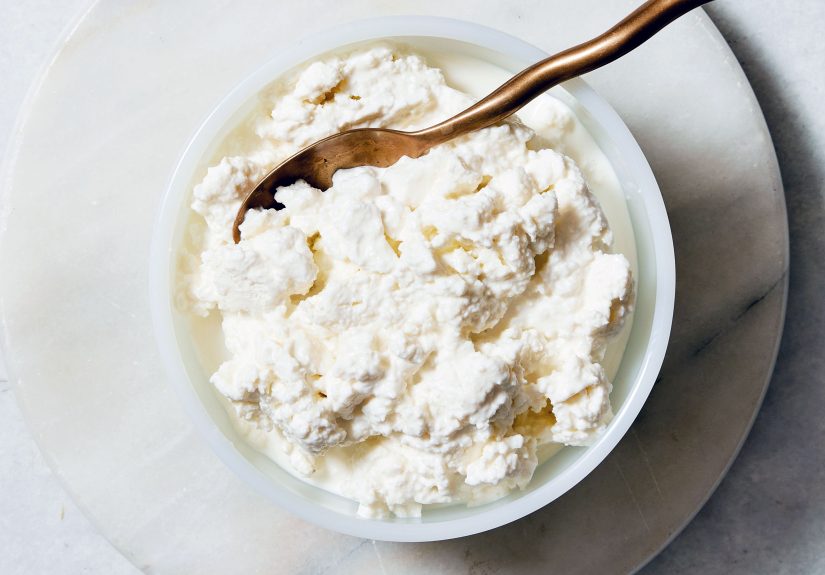
Fresh cottage cheese should taste mild, milky, gently tangy, and pleasantly salty. The curds should be tender, not rubbery. The cream should make everything feel soft and rich without turning the bowl into soup. If your only previous relationship with cottage cheese involved a watery carton and mild disappointment, homemade can be a very persuasive reintroduction.
The best part is flexibility. Want a richer texture? Use whole milk and stir in a spoonful or two of half-and-half or heavy cream at the end. Want a lighter batch? Skim milk works too, though the final texture will be less lush. Want to use it in pancakes, toast, dips, lasagna, scrambled eggs, or fruit bowls? Congratulations, your little bowl of curds just got very ambitious.
Ingredients for the Best Homemade Cottage Cheese Recipe
Main Ingredients
- 1/2 gallon whole milk Whole milk gives the curds a fuller flavor and creamier body.
- 6 tablespoons white vinegar This helps separate the curds from the whey quickly and cleanly.
- 3/4 teaspoon kosher salt Adjust to taste.
- 1/4 cup half-and-half or heavy cream Optional, but highly recommended if you want classic creamy cottage cheese.
Helpful Equipment
- Large heavy-bottomed saucepan
- Thermometer
- Colander
- Cheesecloth or a clean tea towel
- Mixing bowl
Ingredient Notes That Save Headaches
Use regular pasteurized milk, not raw milk. For home cheese projects, pasteurized milk is the safer choice. Also, avoid milk labeled ultra-pasteurized if possible. It can make curd formation less reliable, which is a very annoying way for milk to express itself. Whole milk is the easiest path to a creamy result, but skim milk can work if you prefer a leaner version.
How to Make Cottage Cheese at Home
Step 1: Heat the Milk
Pour the milk into a large saucepan and set it over medium heat. Warm it to about 120°F. Stir gently now and then so the bottom does not scorch. You are warming the milk, not auditioning it for lava status.
Step 2: Add the Acid
Remove the pan from the heat and add the white vinegar. Let it stand for about 30 seconds, then stir gently for 1 to 2 minutes. Cover the pan and let it sit at room temperature for about 30 minutes. During this time, the curds should separate from the whey. You are looking for soft white curds floating in a yellowish liquid.
Step 3: Drain the Curds
Line a colander with cheesecloth or a clean tea towel and place it over a bowl or in the sink. Pour the curds and whey into the colander. Let the curds drain for about 5 minutes.
Step 4: Rinse and Cool
Gather the cloth around the curds and rinse them lightly under cool water. This stops the cooking, removes some of the extra tang, and helps the curds stay tender instead of turning into tiny edible erasers. Gently squeeze out most of the moisture, but do not wring them bone dry unless you enjoy cottage cheese with the emotional warmth of drywall.
Step 5: Salt and Cream
Transfer the curds to a bowl. Sprinkle in the salt and break the curds into the size you like. For a classic creamy finish, stir in the half-and-half or heavy cream just before serving. That final addition is what nudges the recipe from “fresh farmer-style curds” into true cottage cheese territory.
Easy Homemade Cottage Cheese Recipe Card
Prep time: 10 minutes
Resting time: 30 minutes
Total time: About 45 minutes
Yield: About 1 1/2 cups, depending on milk and draining time
- Heat 1/2 gallon whole milk to 120°F.
- Remove from heat, add 6 tablespoons white vinegar, and stir gently.
- Cover and let sit 30 minutes until curds separate from whey.
- Drain through cheesecloth-lined colander for 5 minutes.
- Rinse lightly under cool water and squeeze out excess moisture.
- Transfer curds to a bowl and mix with 3/4 teaspoon kosher salt.
- Stir in 1/4 cup half-and-half or heavy cream before serving.
Troubleshooting Your Cottage Cheese
The Curds Did Not Separate Well
Your milk may not have been warm enough, or it may have been ultra-pasteurized. Another possibility is that the acid needed a bit more time to do its job. A reliable thermometer helps a lot here.
The Curds Are Too Tiny
You may have stirred too aggressively after adding the vinegar. Gentle handling creates more tender, pleasing curds. Think “encouraging conversation,” not “milk interrogation.”
The Cottage Cheese Is Too Dry
Add a little more cream or milk and stir softly. You can also reduce draining time next time.
The Cottage Cheese Is Too Wet
Drain the curds a little longer before salting and creaming. Cottage cheese should be moist, not swimming laps.
It Tastes Too Sour
Rinsing the curds under cool water helps mellow the tang. You can also add the cream after the curds are fully cooled to soften the acidity.
How to Serve Homemade Cottage Cheese
One of the best things about a fresh cottage cheese recipe is how flexible it is. It can be sweet, savory, blended, or left gloriously lumpy.
Sweet Ideas
- Top with berries, peaches, pineapple, or sliced banana
- Drizzle with honey or maple syrup
- Add cinnamon and chopped nuts
- Spoon over toast with jam
Savory Ideas
- Finish with black pepper, olive oil, and chopped tomatoes
- Add chives, dill, or scallions
- Use it in lasagna instead of ricotta
- Blend it into dips, sauces, or scrambled eggs
If you have been wondering whether cottage cheese deserves its modern comeback, the answer is yes. It works in high-protein breakfasts, creamy pasta sauces, dips, pancakes, and even freezer-friendly cooked dishes. The humble curd is booked and busy.
Storage and Food Safety
Because this is a fresh dairy product, it should be refrigerated promptly. Keep it in an airtight container in the refrigerator and aim to enjoy it within 3 days for best quality. Some home recipes suggest it may last longer, but fresh cottage cheese is at its best early, when the flavor is clean and the texture still feels lively.
Never leave cottage cheese out at room temperature for more than 2 hours, or 1 hour if the room is especially hot. Your refrigerator should be at 40°F or below. If the cheese smells unpleasant, looks slimy, or seems to have entered a spiritual phase called “questionable,” it is time to let it go.
Frequently Asked Questions
Can I use lemon juice instead of vinegar?
Yes. Lemon juice can work in many fresh cheese recipes, though vinegar often gives a cleaner, more neutral flavor in cottage cheese.
Can I use skim milk?
Yes. Skim milk can form curds, but whole milk gives you a richer and more satisfying result.
Why is homemade cottage cheese different from store-bought?
Commercial cottage cheese is often made with cultures, carefully controlled curd handling, washed curds, and a cream dressing. The quick homemade version is simpler and more rustic, which is part of its charm.
Is homemade cottage cheese healthy?
Cottage cheese is generally known for being high in protein and useful in balanced meals. The exact nutrition depends on the milk and cream you use, but it can be a practical choice for breakfasts, snacks, and post-workout meals.
Why This Homemade Cottage Cheese Recipe Works
This method works because it respects the three things cottage cheese really needs: gentle heat, a curdling agent, and careful handling. The milk is warmed enough to help the proteins respond well. The vinegar separates the curds from the whey. The rinse cools the curds and softens the flavor. The cream adds back the richness that makes cottage cheese taste like a snack you actually wanted, not one assigned by a gloomy meal plan.
It also gives you room to experiment. Once you make one batch, you can adjust the salt, curd size, draining time, and creaminess to match your taste. Some people like it loose and silky. Others like more defined curds. Both camps can live in peace. This recipe is very diplomatic that way.
Experience and Kitchen Notes: What Making Homemade Cottage Cheese Really Feels Like
The first time you make cottage cheese at home, it feels weirdly dramatic for something so simple. You pour plain milk into a pot, add vinegar, wait a bit, and suddenly the whole thing looks like a science fair project that accidentally became lunch. There is a brief moment where you stare into the pot and think, “I have either made cheese or ruined dinner.” Then the curds appear more clearly, and confidence returns.
What surprises most people is how fast the process moves once you stop overthinking it. Homemade cottage cheese is not a weekend-only food project with a long list of obscure ingredients and a soundtrack of stress. It is a very approachable kitchen skill. After one batch, you start seeing little ways to improve the next one. Maybe you drain it a touch less for a softer texture. Maybe you add more cream for a richer bowl. Maybe you stir in chopped chives and suddenly act like this was your plan all along.
There is also a very specific joy in tasting the curds before adding cream. They are fresh, slightly warm, and lightly tangy, and they taste more alive than most supermarket versions. Then comes the cream, and that is when the transformation really happens. The curds go from “promising” to “oh, this is actually delicious.” It is the dairy equivalent of putting on a blazer and suddenly looking employed.
Another real-life lesson is that texture matters more than people expect. One extra minute of draining can change the whole feel of the batch. So can the milk you choose. Whole milk tends to produce the kind of cottage cheese that makes you want a second spoonful. A leaner milk can still work, but it feels a bit more practical than luxurious. Not bad, just less likely to inspire poetry.
The best experience, though, is how homemade cottage cheese starts slipping into your meals without effort. A scoop on toast with tomatoes becomes lunch. A bowl with berries and honey becomes breakfast. A spoonful folded into scrambled eggs makes you look suspiciously competent. And if you blend it into a dip or tuck it into lasagna, people rarely pause to ask whether the cheese came from a carton or your saucepan. They just know it tastes good.
So yes, the experience of making cottage cheese at home is part skill, part experiment, and part tiny kitchen triumph. It is simple enough for beginners, satisfying enough for food nerds, and useful enough that you will probably make it again. And once you do, store-bought cottage cheese may have to work a little harder for your attention. As it should.
Conclusion
If you want a practical, flavorful, and surprisingly fun dairy project, this homemade cottage cheese recipe deserves a spot in your kitchen rotation. It is easy to make, easy to customize, and far more delicious than many people expect. With just milk, vinegar, salt, and a little cream, you get fresh curds that can move from breakfast bowl to savory dinner without missing a beat.
In other words, cottage cheese is no longer just the food of vintage diet culture and sad refrigerator shelves. Made fresh at home, it is creamy, versatile, high in protein, and honestly pretty charming. Not every food gets a comeback story this good.