Table of Contents >> Show >> Hide
- What Is Seasonal Color Analysis?
- Why a Color Analysis Quiz Can Help
- Color Analysis Quiz: What Color Season Are You?
- 1. What happens when you wear pure white near your face?
- 2. Which metal usually flatters you most?
- 3. Which group of colors tends to make your skin look healthiest?
- 4. What kind of contrast do your features have?
- 5. Which description sounds most like your best makeup colors?
- 6. When you wear muted colors, what happens?
- 7. When you wear bright, saturated color, what happens?
- 8. Which neutral wardrobe looks most at home on you?
- How to Score Your Quiz
- What If Your Answers Are Mixed?
- How to Tell If You Got the Right Season
- Common Color Analysis Mistakes
- How to Use Your Season in Real Life
- Do You Need a Professional Color Analysis?
- The Real Goal of a Color Analysis Quiz
- Experiences People Often Have After Discovering Their Color Season
- SEO Tags
Some people have a signature lipstick. Some people have a signature haircut. And some people, after one suspiciously emotional closet clean-out, realize their true signature is buying colors that looked amazing on a hanger and deeply confusing on an actual human body. That is where seasonal color analysis comes in.
If you have ever put on one shirt and looked fresh, awake, and vaguely expensive, then put on another and looked like you had just lost a fight with your sleep schedule, you already understand the basic idea. Color analysis helps you figure out which shades naturally work with your skin, eyes, and hair, so getting dressed feels easier and your wardrobe stops acting like a chaotic group project.
This guide breaks down the basics of seasonal color analysis, gives you a practical color analysis quiz, explains how to score your answers, and helps you use your result in real life. Think of it as a style tool, not a fashion prison. Nobody is here to confiscate your favorite sweater.
What Is Seasonal Color Analysis?
Seasonal color analysis is a system that sorts people into color families based on how different shades interact with their natural coloring. The classic model uses four main seasons: Spring, Summer, Autumn, and Winter. Modern versions often go deeper into 12 or even 16 sub-seasons, but the four-season framework is still the easiest place to start.
At its core, the system looks at three things: undertone, value, and intensity. Undertone refers to whether your coloring leans warm, cool, or somewhere near neutral. Value describes whether your overall coloring reads lighter or deeper. Intensity, sometimes called chroma or contrast, reflects whether your features look more bright and crisp or soft and muted.
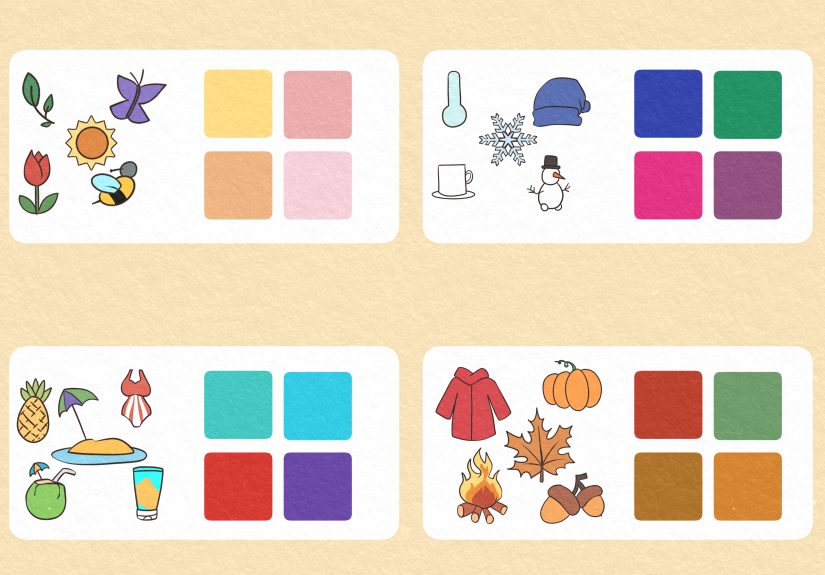
Put those clues together and patterns start to appear. Springs are usually warm, light, and bright. Summers tend to be cool, light, and muted. Autumns are generally warm, deep, and soft. Winters are often cool, deep, and bright. That is the short version. The long version is why you are here, and frankly, it is much more fun.
Why a Color Analysis Quiz Can Help
A color analysis quiz is not the same thing as a professional draping session, but it can still be surprisingly useful. A good quiz helps you notice what you may have ignored for years: whether gold or silver looks better on you, whether creamy beige makes you glow or makes you disappear, and whether soft dusty colors flatter you more than bold saturated ones.
The best way to use a quiz is as a starting point. It gives you a likely direction, then you test that direction in real life. If your result says Autumn and every olive, rust, and camel piece in your closet suddenly starts winning, congratulations. If your result says Spring but your best colors still seem moody and cool, the quiz may have missed an important detail like contrast or neutral undertone.
Color Analysis Quiz: What Color Season Are You?
For the most accurate results, answer these questions in natural daylight with minimal makeup and your hair pulled away from your face. No yellow bathroom lighting. No beauty filters. No asking your one brutally honest friend who thinks every color is “fine.”
1. What happens when you wear pure white near your face?
A. I look brighter and clearer.
B. It feels harsh; softer white is better.
C. Creamy off-white looks much better than stark white.
D. Bright white is dramatic in a good way.
2. Which metal usually flatters you most?
A. Warm gold or light gold.
B. Soft silver, pewter, or brushed metal.
C. Rich gold, bronze, or copper.
D. Bright silver, platinum, or icy metallics.
3. Which group of colors tends to make your skin look healthiest?
A. Coral, peach, warm aqua, light camel.
B. Dusty rose, soft blue, mauve, cool gray.
C. Olive, terracotta, mustard, chocolate brown.
D. Emerald, fuchsia, true black, cobalt.
4. What kind of contrast do your features have?
A. Light to medium contrast, but lively and fresh.
B. Low contrast and blended overall.
C. Medium to deep contrast, but softened rather than sharp.
D. High contrast or very crisp definition.
5. Which description sounds most like your best makeup colors?
A. Peachy blush, coral lip, clear warm shades.
B. Rosy blush, soft berry lip, muted cool shades.
C. Warm cinnamon, brick, earthy rose, soft brown tones.
D. Blue-based pink, jewel tones, bold contrast.
6. When you wear muted colors, what happens?
A. I look dull; I need more brightness.
B. I look balanced and elegant.
C. I usually look great as long as they are warm and earthy.
D. I fade instantly; I need stronger color.
7. When you wear bright, saturated color, what happens?
A. I come alive if the shade is warm and clear.
B. It overpowers me fast.
C. I can handle some richness, but neon is not my friend.
D. I often look amazing in bold, cool, high-impact shades.
8. Which neutral wardrobe looks most at home on you?
A. Camel, light warm navy, warm beige.
B. Dove gray, soft navy, rose beige, cool taupe.
C. Cream, olive, espresso, warm brown.
D. Black, optic white, charcoal, deep navy.
How to Score Your Quiz
Count the letter you chose most often.
Mostly A: Spring
You likely suit a warm, light, bright palette. Spring coloring tends to look best in fresh, sunny shades that feel clean rather than earthy. Think peach, coral, warm turquoise, light camel, butter yellow, and cheerful greens. If your best colors seem to have personality before you even enter the room, Spring is a strong possibility.
Mostly B: Summer
You likely belong in a cool, light, muted palette. Summer coloring is often flattered by softness rather than intensity. Dusty blue, mauve, lavender, cool pink, misty gray, and softened navy are common winners. A Summer palette often looks elegant, blended, and quietly polished, like the wardrobe equivalent of knowing exactly which wine to bring to dinner.
Mostly C: Autumn
You likely fit a warm, deep, muted palette. Autumn colors feel rich, grounded, and earthy. Olive, moss, rust, terracotta, camel, cream, mustard, and chocolate tend to shine here. If you look better in cozy, natural shades than in icy or electric ones, Autumn may be your season.
Mostly D: Winter
You likely suit a cool, deep, bright palette. Winter coloring typically handles strong contrast beautifully. Black and white, jewel tones, icy pink, true red, cobalt, emerald, and berry shades often look striking. If soft earthy colors make you disappear but clean, dramatic shades make you look instantly more awake, Winter is a likely fit.
What If Your Answers Are Mixed?
If your score is split between two seasons, do not panic. Your closet has not failed you. Mixed results are common, especially if you have neutral undertones, dyed hair, a tan, or features that sit between classic categories.
A split between Spring and Autumn usually points to warmth, with the big question being brightness versus softness. A split between Summer and Winter usually points to coolness, with the decision coming down to muted versus bold. If you are torn between Spring and Winter or Summer and Autumn, look more carefully at undertone first, then at contrast second.
This is also where people discover why online quizzes can only take them so far. A professional draping session compares how specific fabrics affect your complexion in real time. That is much more accurate than staring into a mirror and wondering whether “slightly less tired” counts as data.
How to Tell If You Got the Right Season
Your correct season usually creates a few visual effects. Your skin looks more even. Shadows around the mouth and under the eyes look softer. Your eyes appear clearer. You look more defined, but not overwhelmed. The wrong palette tends to do the opposite: redness stands out, dark circles look stronger, and your face seems to arrive several minutes after your shirt.
Test your likely season with tops, scarves, or lipstick. Compare warm versus cool, bright versus muted, and light versus deep. Take photos in daylight if that helps, but trust your eyes more than your camera. Cameras can be weird. They also think fluorescent office lighting is acceptable, which tells you everything.
Common Color Analysis Mistakes
Assuming vein color tells the whole story
Vein checks are popular online, but they are not the most reliable way to determine undertone. Lighting, skin depth, and even circulation can throw that method off. A side-by-side comparison of warm and cool fabric near your face is usually more helpful.
Thinking one hair color decides everything
Hair matters, but not by itself. The overall relationship between your skin, eyes, hair, and contrast is what counts. Plenty of people with similar hair colors land in different seasons.
Treating color analysis like a list of forbidden foods
You are not banned from colors outside your season. You just may wear better versions of them. A Summer might skip tomato red but love raspberry. An Autumn may avoid icy lavender but look fantastic in muted aubergine. The goal is better choices, not fashion heartbreak.
Ignoring personal style
Your season should support your style, not replace it. If you love minimalism, glamour, streetwear, or classic tailoring, your color palette simply gives that aesthetic a more flattering foundation.
How to Use Your Season in Real Life
Build around your best neutrals
Once you know your season, start with neutral basics. These are the pieces you wear repeatedly, so they matter most. Winters may thrive in black, charcoal, and crisp navy. Summers often do better with dove gray and cool taupe. Autumns shine in olive, cream, and deep brown. Springs usually come alive in camel, warm beige, and lighter navies.
Choose makeup with the same logic
Seasonal color analysis does not stop at sweaters. Lipstick, blush, and even eyeshadow can echo your palette. Warm seasons often glow in peach, apricot, terracotta, or golden brown. Cool seasons often look fresher in rose, berry, plum, or blue-based pinks.
Shop with intention
A color palette can save money because it narrows the field. Instead of buying every “pretty” thing and hoping for the best, you start recognizing your best shades quickly. That means fewer impulse buys, fewer closet regrets, and fewer “why did I think neon beige was a personality?” moments.
Use off-season colors strategically
If you love a color that is not ideal near your face, wear it farther away from your face. Shoes, pants, skirts, bags, and even nail polish give you a lot of room to play. You can also balance a trickier color with jewelry, makeup, or a scarf that brings harmony back.
Do You Need a Professional Color Analysis?
Not always, but it can be helpful if your result is unclear or you are making bigger style decisions. Professional analysis is especially useful if you are building a capsule wardrobe, planning a wedding look, changing your hair color, or trying to streamline your makeup routine.
A quiz gives you a likely answer. Draping gives you visible proof. If you are the sort of person who wants certainty before investing in clothing, color, or cosmetics, a pro session may be worth it. If you mainly want a smarter way to shop and dress tomorrow morning, this quiz is a strong place to begin.
The Real Goal of a Color Analysis Quiz
The real point is not to label yourself for sport. It is to understand why certain colors make you look vibrant and others do not. Once you know that, your closet gets easier, shopping gets faster, and your style starts feeling more intentional.
That is the quiet magic of seasonal color analysis. It is not about chasing perfection. It is about finding harmony. And honestly, if a few better shades can help you look more awake before coffee, that feels less like fashion advice and more like public service.
Experiences People Often Have After Discovering Their Color Season
One of the most common experiences people describe after taking a color analysis quiz is simple surprise. They expect the result to confirm what they already like, but instead they realize they have been loyal to colors that are not loyal back. The black tops they thought were universally chic may suddenly look a little severe. The dusty rose sweater they bought on a whim may turn out to be weirdly flattering. It is often less of a makeover and more of an “oh, that explains a lot” moment.
Another common experience is relief. People who have always felt “bad at fashion” often discover they were not bad at style at all. They were just shopping without a color roadmap. Once they understand their season, getting dressed can feel less random. A person who learns they are Autumn may finally understand why olive, cream, and warm brown always worked. A likely Winter may realize that high-contrast outfits look polished on them for a reason, not because they accidentally absorbed advanced styling knowledge from the universe.
There is also a confidence effect that shows up fast. When the right shades are near your face, people often say they look healthier, brighter, or more awake without changing much else. Friends may comment that something looks different without being able to name exactly what. That is often the sweet spot. You do not look costume-y or overdone. You just look more like yourself on a very good day.
Some people also experience a mini identity crisis, which sounds dramatic, but fashion loves drama. If your favorite color is not especially flattering, there can be a brief internal negotiation. The good news is that color analysis does not tell you to throw away your entire personality. It just gives you better versions of what you already love. If you adore pink, there is probably a pink for you. It may be coral, dusty rose, watermelon, berry, or icy magenta, but the point is that your season usually expands your options instead of shrinking them.
Finally, many people say the biggest benefit is practical: they waste less money. They stop buying shades that only work under store lighting and start choosing pieces that actually mix well with the rest of their wardrobe. The result is not just a prettier closet. It is a more useful one. And in a world full of trend cycles, mystery beige, and shirts that look great only on aggressively lit mannequins, that is no small victory.